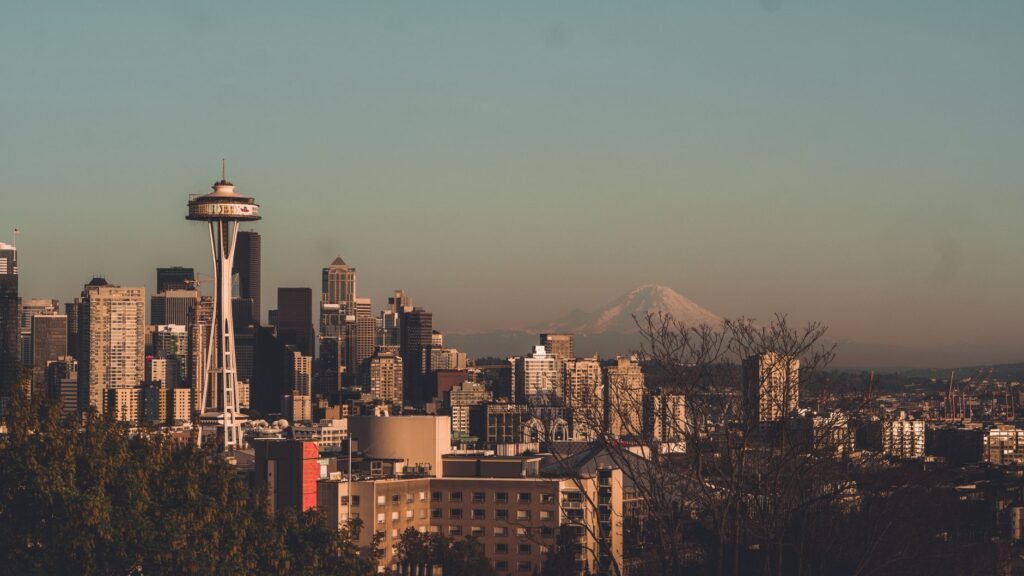
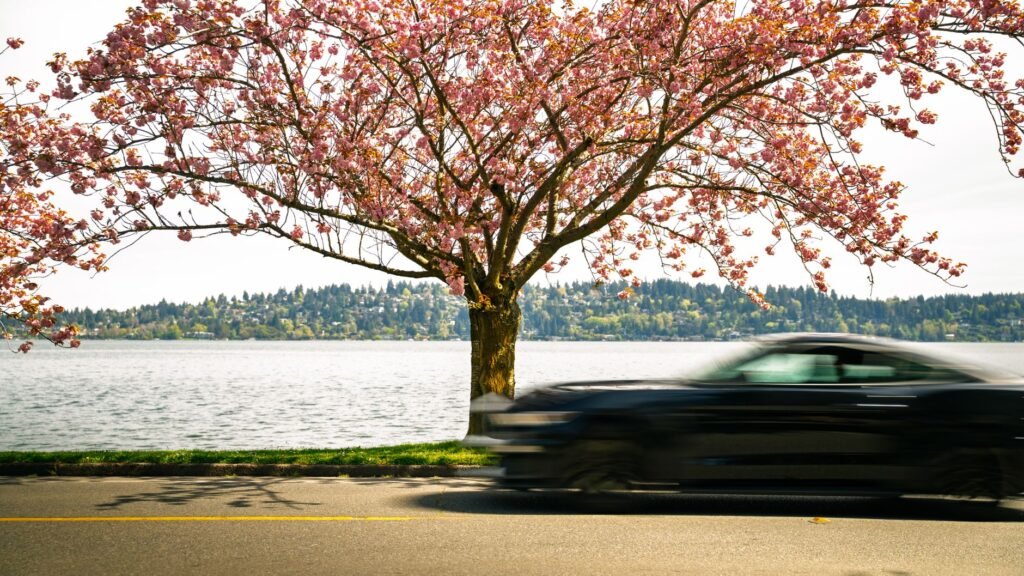
Spring in Seattle is genuinely worth your time and money. The weather breaks just enough to make the city livable. The rain doesn’t vanish, but it becomes manageable. Flowers erupt everywhere. The light lingers in the evening. You’ll see Seattle at its best without the summer crowds or the winter gloom.
Most American travelers either skip Seattle or visit in summer. That’s a mistake. Spring is when locals actually enjoy being outside. You get the same landmarks and coffee shops. You also get room to breathe, shorter lines, and lower hotel rates. This is the ideal time for a visit.
What Spring Weather Actually Feels Like in Seattle
Spring in Seattle means temperatures between 45 and 60 degrees. Some days hit the low 60s. On rare days you’ll see 65. At night it drops back to the 40s. It’s cool enough that you’ll want a real jacket. It’s not cold enough to make walking painful. Honestly, it’s ideal for moving around the city.
The rain is the question everyone asks about first. Here’s the reality. April and May bring wet days, not storms. Light rain comes and goes throughout the day. You’ll get spurts of drizzle. Then the sun breaks through for 20 minutes. Then it drizzles again. This rhythm repeats.
Real travelers pack a quality rain jacket and move on. You do not need an umbrella most days. Rain jackets pack small. Umbrellas just get in the way on crowded sidewalks. The locals barely use them. Neither should you. Bring something waterproof you don’t mind getting salt spray on. The Sound is nearby and the wind carries moisture.
What changes throughout spring is the actual number of dry hours. Late April sees more clear afternoons than early March. By late May, you get genuine dry days. This matters because it shapes what you can do. In early spring, plan indoor activities with outdoor padding. By late spring, outdoor plans can dominate.
The light shift is what surprises most visitors. Sunset creeps later each week. By May, the sun stays up past 8:30 pm. This extra daylight transforms the city. Pike Place Market glows differently at 7 pm in May than it does in winter. The water catches light differently. Everything feels more open. Plan your big outdoor days for late afternoon when you’ll have two solid hours of good light.
When to Actually Visit
Timing matters more than most people think when planning a Seattle spring trip. Early spring, meaning March and early April, gives you lower prices. Hotels drop rates noticeably. Flights cost less. Restaurants have open tables. The tradeoff is weather. You’ll hit more rainy days. Some hikes stay muddy. It’s fine for the city itself but frustrating if you want outdoor time.
Mid-spring, April 15 through May 10, sits right in the middle. Prices start rising. Weather improves steadily. Weekends fill up noticeably on both hotel and restaurant fronts. This is when schools start spring breaks. Families arrive. The city stays pleasant but gets busier.
Late spring, May 15 through the end of May, brings the best weather. Rhododendrons and azaleas are at peak bloom. The light is long and strong. Hotels charge high-season rates for the first time. Restaurants book up especially Thursday through Saturday. If you can only come once, late May is the logical choice. But expect to pay for it.
The actual best move depends on your flexibility. Can you take time off midweek? Go mid-spring on a Tuesday through Thursday. You’ll beat weekend crowds, see better weather than early spring, and pay less than late spring. It’s the real win. Weekends always cost more. The middle of the week is almost always cheaper and less crowded.
Where to Stay and What to Pack
The downtown core contains Pike Place Market, the waterfront, and most of the restaurants everyone wants to try. Staying there means walking to most things. It also means noise and higher prices. Hotels downtown run $150 to $250 per night in spring. Capitol Hill has more personality and younger energy. Ballard is increasingly trendy. Both are two miles from downtown by car, 25 to 40 minutes by bus. They’re worth it if you want local flavor over tourist convenience.
Also read: Unique Places to Stay in Seattle Cool Hotels
What to bring matters because spring Seattle tricks people. The temperature looks mild but the wind off the Sound is real. The rain looks light but you’ll be in it for hours. Pack these things no matter what:
- One good waterproof jacket, not a raincoat
- Layers: long sleeves, a fleece or sweater, a windbreaker
- Closed-toe shoes that dry reasonably fast
- Jeans or pants that work wet, not cotton
- A warm hat that packs small
- Sunscreen, even on cloudy days
The sun reflects off water and concrete. You burn without feeling heat. Bring sunscreen and use it. Nobody expects Seattle sun and everyone regrets it. Bring sunglasses too. The surprise brightness in late April and May will hurt your eyes by 3 pm.
Spring Events Worth Timing Your Trip Around
Seattle in spring hosts events that actually justify building a visit around them. The Seattle International Film Festival runs from early April through May. The venues are scattered across the city. You get neighborhood walks between screenings. Local restaurants fill with film people. The atmosphere feels less touristy than summer. If you care about film, this is worth planning around.
The Seafair Pirates take over the waterfront in late May. It’s genuinely silly. Costumed pirates “kidnap” the mayor and demand gold. They march through Pike Place Market. Kids go nuts for it. The atmosphere is local and fun, not corporate. This is the kind of spring event that gives you flavor you can’t get another season.
Flowers bloom in waves. Cherry blossoms peak in early April. Rhododendrons dominate mid to late April. Tulips at local gardens run through May. The University of Washington has a strong spring bloom that draws crowds but spreads them out across the campus. Washington Park Arboretum is stunning but large enough that spring crowds don’t feel crushing.
Garden touring is genuine. Lakewold Gardens south of Tacoma, about 45 minutes away, is worth the drive if you care about plants. Hakone Gardens up in Saratoga, near Palo Alto, requires a full weekend but it’s world-class in spring.
What to Actually Do: The Itinerary That Works
Your first move is Pike Place Market early on a weekday morning, around 8 am. The fish throwers aren’t performing yet but the market is alive. Vendors are setting up. The smell of fish and coffee mixes with wet concrete. It feels real. By 10 am, tour groups clog the aisles. Go early.
Get coffee at Victrola or a smaller shop, not Starbucks. Eat breakfast at one of the independent spots tucked into the building. Walk through the flower stalls. Prices are reasonable. Quality is strong. This takes about two hours and gives you the market without the performance.
Walk the waterfront afterward. The Waterfront Park has views of the Sound and mountains. Ferries leave for Bainbridge Island and Vashon Island throughout the day. Taking a ferry for an hour is cheap transportation that feels like a mini excursion. Ferries cost about $8 to $10 per person. The view justifies it alone. On clear days you see the Olympic Mountains. It’s quiet in spring. Summer ferries are packed.
Capitol Hill deserves a full afternoon or evening. The neighborhood has coffee shops, used bookstores, vintage clothing, and restaurants. The feel is young but not chaotic in spring. Volunteer Park sits at the top of the hill with views back to downtown and out to the water. The Seattle Asian Art Museum is inside the park and good but not crucial. Skip it unless art museums are your thing. The park itself is the draw. Sit on the grass if it’s dry. The view of the city is clean.
Ballard is worth a visit for the brewery scene and the Locks. The Ballard Locks let you watch fish swim upstream through a fish ladder. It’s free and utterly weird in the best way. The grounds are nice. The whole thing takes 30 to 40 minutes. Ballard Avenue has shops and breweries. It feels less touristy than downtown. Locals hang out here.
Also read: What to Do in West Seattle a Complete Local Guide
Food and Drink Worth Your Money
Seattle food in spring leans toward seafood and local produce. This is when asparagus, rhubarb, and spring onions are actually good. Menus change. Restaurants rotate to local suppliers. This matters way more than you’d think. June through August, you’ll get the same menu in 20 restaurants. April and May each restaurant is cooking what’s fresh right now.
Skip the touristy waterfront restaurants. Ivar’s and Duke’s are famous for a reason. They’re packed with tourists. The food is fine, not special. Walk a block back from the water and prices drop noticeably. Quality goes up. This is not mysterious. Everyone local knows it.
Belltown has serious restaurants without the neighborhood pretension of Capitol Hill. Shiro’s Sushi is famous for good reason but books up fast. Reservations are essential. Quinn Pub does wood-fired pizza and has good beer. The vibe is casual. Prices are reasonable.
The International District has strong Asian food at real prices. Uwajimaya is a massive Japanese market with a food court. Pho shops line King Street. Chinese restaurants serve lunch for $8 to $12. The quality is high. Tourists miss this area entirely.
Coffee is easy to find bad and difficult to find great. Victrola has multiple locations and is consistently strong. Slate Coffee Roasters is methodical and good. Void is tiny and intense. Don’t just grab Starbucks because it’s easy. One good coffee experience per day is worth the 10-minute walk.
Logistics That Prevent Headaches
Getting from the airport to downtown takes about 35 to 45 minutes in reasonable traffic. A taxi or Uber costs $35 to $50. The train, called the Link Light Rail, costs $3 and takes 40 minutes. It’s simpler and cheaper than you’d think. The train runs straight from the airport to downtown. No transfers. No confusion. Do this.
Parking downtown is expensive and frustrating. Street parking is paid and strict. Garages cost $15 to $25 per day minimum. If you’re downtown, walk. If you need to go to neighborhoods outside the core, buses work fine. The monorail connects downtown to Seattle Center. It’s short and fun but limited in reach. Rent a car only if you plan to leave the city. Most spring trips don’t need one.
Petty theft happens downtown, especially around Pike Place Market and the waterfront. You leave a bag on the seat of a cafe while you grab napkins. It’s gone when you come back. This is real. Keep your phone and wallet on you. Don’t leave anything visible in a car. It’s not dangerous. It’s just tedious. Take the precaution.
Weather can change fast so check the forecast each morning. Wind and rain shift. A sunny 9 am becomes a rainy noon sometimes. This is not a reason to change plans. It’s a reason to wear layers and bring that jacket. Expect wet. Plan outdoors anyway.
Bring a portable phone charger. Not because you’ll use it constantly, but because you’ll be out for 10 to 12 hours. Your phone battery will be a problem around hour eight. A small charger costs $15 and prevents the real frustration of being unable to check transit times or take photos.
Spring in Seattle works because the city is designed for walking and the weather allows it. You don’t need much planning beyond booking a hotel and picking a neighborhood for dinner. The rest sorts itself out. The early morning markets, the ferries, the parks, the neighborhood streets. It’s all accessible and honest in a way that summer crowds bury. Go in spring. You’ll understand why locals tolerate the winter gloom.
Reference: Seattle