Snow does fall in Seattle, but not as much as most visitors expect.
The Pacific Northwest has a reputation for rain. Snow is a different beast entirely. You’ll see it some years and miss it others. When it does show up, the city often shuts down completely. Roads ice over. Buses stop running. People stay home. This isn’t because Seattle gets buried under feet of powder. It’s because the region rarely handles snow, and most drivers have zero practice on icy roads.
The real question isn’t whether it snows in Seattle. The question is whether you should plan your trip around it. For most visitors, the answer is no. Snow is rare enough that building your vacation around seeing it is a gamble you’ll lose.
How Much Snow Does Seattle Actually Get.
Seattle averages about 5 to 6 inches of snow per year. That’s spread across several events, not one big dump. Some years bring 12 inches. Other years bring almost nothing. The variation is dramatic enough that you can’t count on anything.
Compare that to cities back east. Boston gets 45 inches. Denver gets 55. Even Portland, Oregon, just 175 miles south, usually gets more snow than Seattle. The Cascade Mountains, which sit about 80 miles east of the city, stay snowy all winter. The waterfront doesn’t.
The reason is geography and ocean currents. Puget Sound keeps temperatures mild. Most winter days hover around 40 to 45 degrees Fahrenheit. Snow needs cold air and moisture. Seattle gets plenty of moisture but rarely gets cold enough for extended periods. You need sustained freezes, not just one cold night. That’s harder to come by here than in other parts of the country.
When snow does come to the region, it’s often wet and heavy. It sticks to everything. Roads become skating rinks within hours. The city wasn’t built for this weather, so infrastructure wasn’t designed around it. Most of the year, the roads are wet from rain. Snow is a surprise guest that nobody prepared for.
Read more: Seattle rainfall by month
When Snow Is Most Likely in Seattle.
Winter in the Pacific Northwest runs roughly from November through March. But those months don’t all behave the same way. Timing matters if you’re hoping to see accumulation.
December is wetter than it is cold. Rain dominates. By the time real cold arrives, December is usually already half over. January and early February are your best bets. This is when arctic air occasionally dips down from Canada. When that happens, precipitation that would normally fall as rain turns to snow instead.
Late February through March is hit or miss. Some years the cold lingers. Other years spring arrives early. The last snow Seattle sees usually falls in early March, but it’s often the slushy sort that melts by afternoon.
Should you visit hoping for snow? Only if you’re flexible enough to change plans or adapt to whatever you find. Don’t book a winter trip specifically to see snow-covered Pike Place Market or the Space Needle dusted white. That’s wishful thinking masquerading as a plan.
Month-by-Month Snow Outlook.
Understanding the pattern helps you set realistic expectations for whenever you choose to visit.
- November. Cold doesn’t arrive yet. Expect rain, not snow. Roads are wet but not icy. The city is at its dreariest. Light is scarce. Temperatures hover around 45 degrees.
- December. Rain is still the main event. Some years bring a few flakes late in the month. Accumulation is rare. Holidays bring crowds downtown. The weather usually stays above freezing.
- January. This is the coldest month. When snow comes, it comes now. Even then, it’s not guaranteed. Maybe two or three events bring measurable snow. Each might last a day or two before melting.
- February. Similar to January. Cold air is still possible. Snow arrives less often than in January. When it does, it’s typically lighter. Mid-February can bring some freezing rain instead.
- March. Spring is on the way. Snow is unlikely. If it does fall, it melts fast. Temperatures rise steadily through the month. By late March, the season is turning.
Real talk: December and March are the worst months to visit Seattle if your goal is snow. January and early February are slightly better. But even then, you’re gambling. Bring layers and accept that rain is far more likely than frozen precipitation.
Also read: Does it snow in Seattle in November
What Happens When Snow Actually Falls.
Seattle isn’t equipped for snow the way Denver or Minneapolis or Buffalo is. This creates a situation that’s almost darkly funny if you’re watching from outside.
When snow does arrive, the city goes into shock. Schools close. Employers tell people to work from home. Grocery stores get emptied. People act like a blizzard is coming even if only an inch is on the ground.
The problem is real, though. Drivers here don’t know how to handle slick roads. Snow removal equipment is minimal because it’s not needed most years. Buses slip. Cars slide. Intersections become dangerous within hours. Traffic that normally moves fine becomes a nightmare.
If you’re visiting and it snows, here’s your best move. Stay put. Don’t try to drive. Use it as an excuse to spend the day in a museum or a cafe. The streets will be chaos for 24 to 48 hours. After that, most of the snow melts anyway. Within a few days, the city is back to normal.
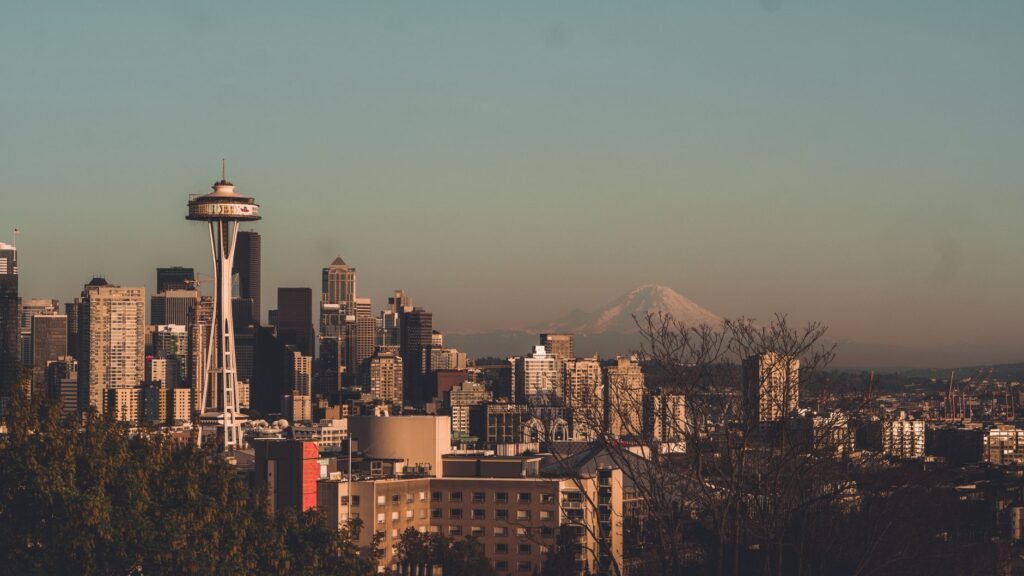
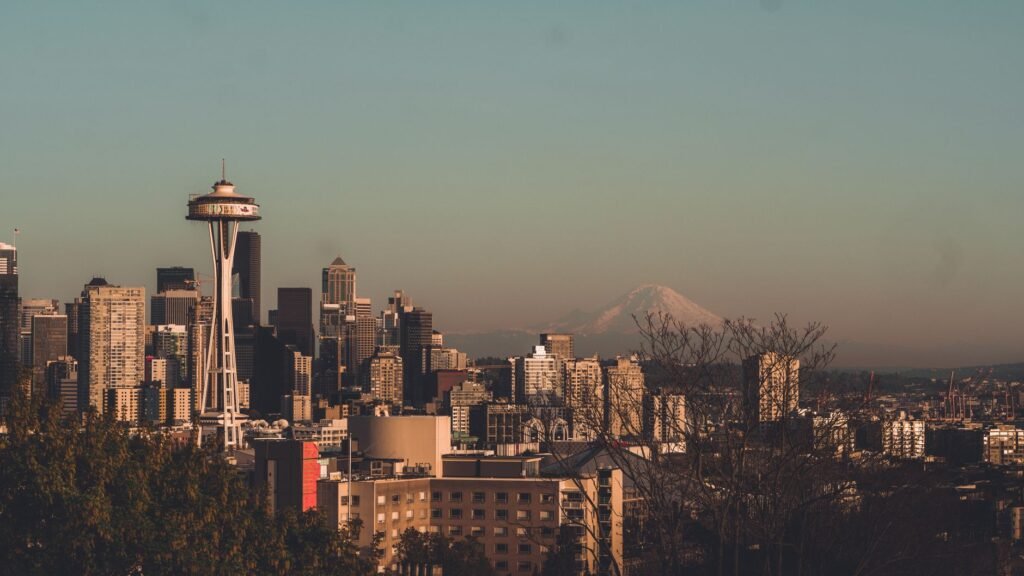
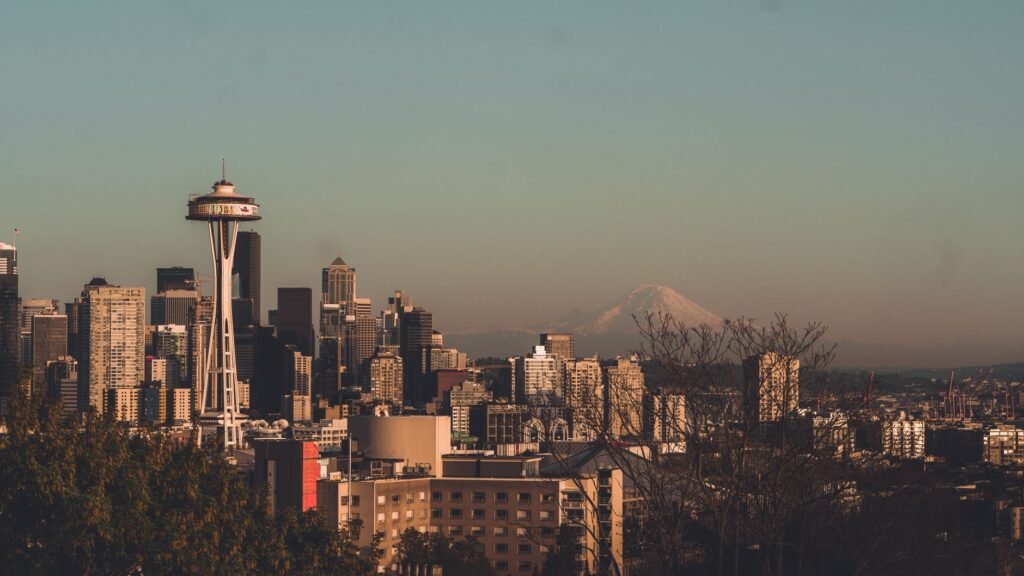
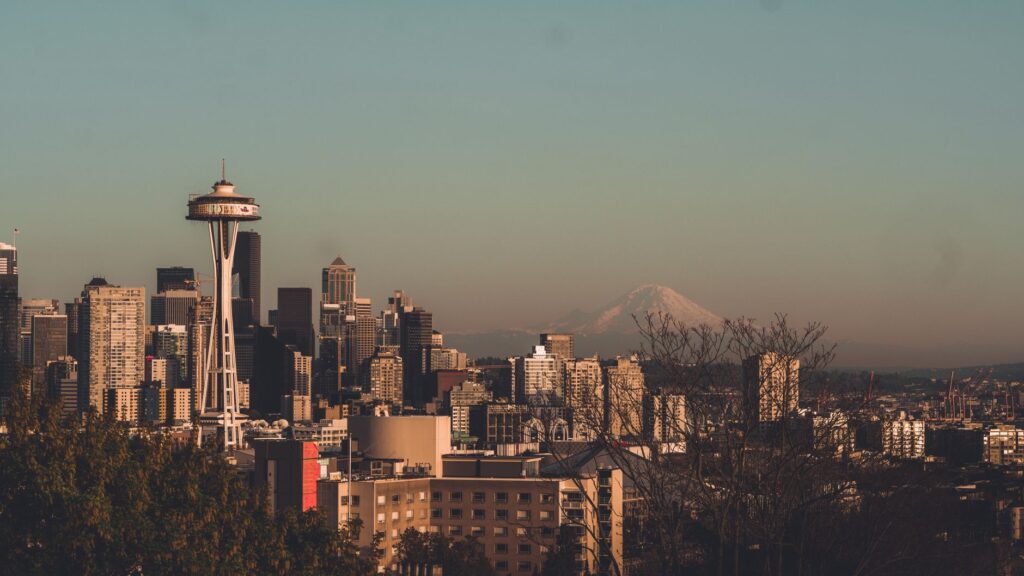
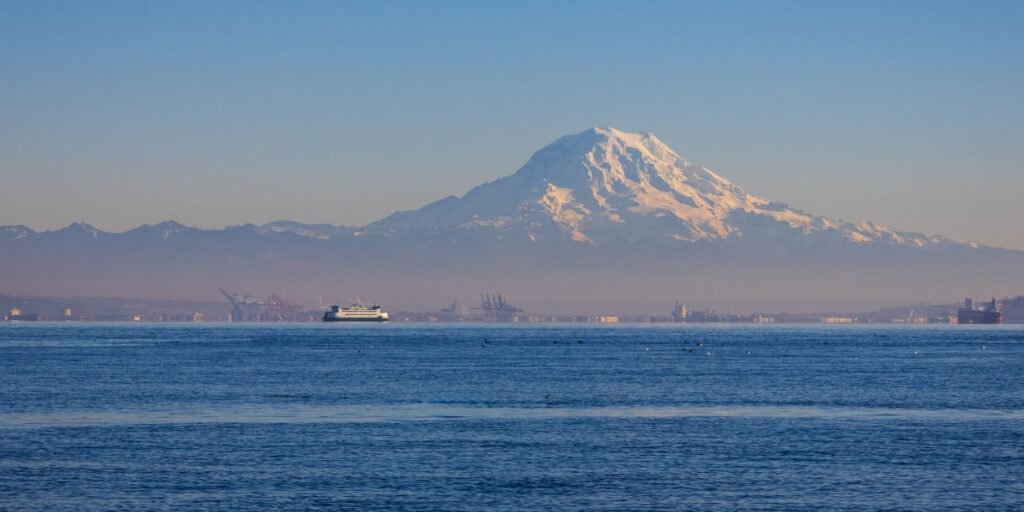
One genuinely good sight: snow on the Space Needle or on Mount Rainier in the distance. You might see this if you happen to be here on one of the rare snowy days. The mountains east of the city stay snowy all winter. If conditions align, the view from Queen Anne Hill or Gas Works Park is spectacular. Worth a photo. Just don’t plan your entire trip around it.
Planning Your Seattle Visit Around Weather.
The real strategy isn’t to chase snow. It’s to pick your season based on what you actually want to do.
Summer and early fall bring sunshine and mild temps in the 70s. Crowds are heavy. Prices are high. The city is packed with tourists. But the weather is genuinely pleasant, and almost everything is open and running normally.
Spring and late fall are middle ground. Fewer crowds than summer. Weather is unpredictable. Rain is frequent. But mild enough that outdoor activities are still doable. Prices are lower than summer.
Winter is quiet and gray. Rain is constant. Temperature rarely dips below 35 degrees. Snow is possible but unlikely. Hotel rooms are cheap. Attractions are less crowded. If you like exploring a city without fighting tourist mobs, winter works. Just accept that you’ll need an umbrella more than a heavy coat.
For most visitors, here’s what works: Plan your Seattle trip for May, June, September, or October. You’ll get good weather, reasonable crowds, and fewer complications. The city is lovely in those months. Worrying about snow becomes irrelevant.
If you do come in winter, bring waterproof layers and shoes with good grip. Forget about snow. Focus instead on indoor attractions, good restaurants, and the fact that you’re not sitting in bumper-to-bumper traffic. Some visitors actually prefer Seattle in winter because it’s quieter. The rain is annoying, not the snow.
Also read: Unique places to stay in Seattle cool hotels
The Bottom Line on Seattle Snow.
Will it snow in Seattle during your visit? Maybe. Probably not. The odds depend more on luck than anything else. If you need snow to enjoy your trip, you’re visiting the wrong city.
Seattle has plenty to offer without it. The Pike Place Market is good any time. The waterfront is walkable in almost any weather. Museums stay open and warm. Coffee shops are always full and welcoming. The food scene doesn’t care about the temperature outside.
Come to Seattle for the city itself, not for winter weather. If snow happens to fall while you’re here, great. Take some photos. Enjoy the novelty. But don’t let it drive your decision about when to visit or how to spend your time. You’ll be happier planning around what the city actually does well.
Reference: Seattle