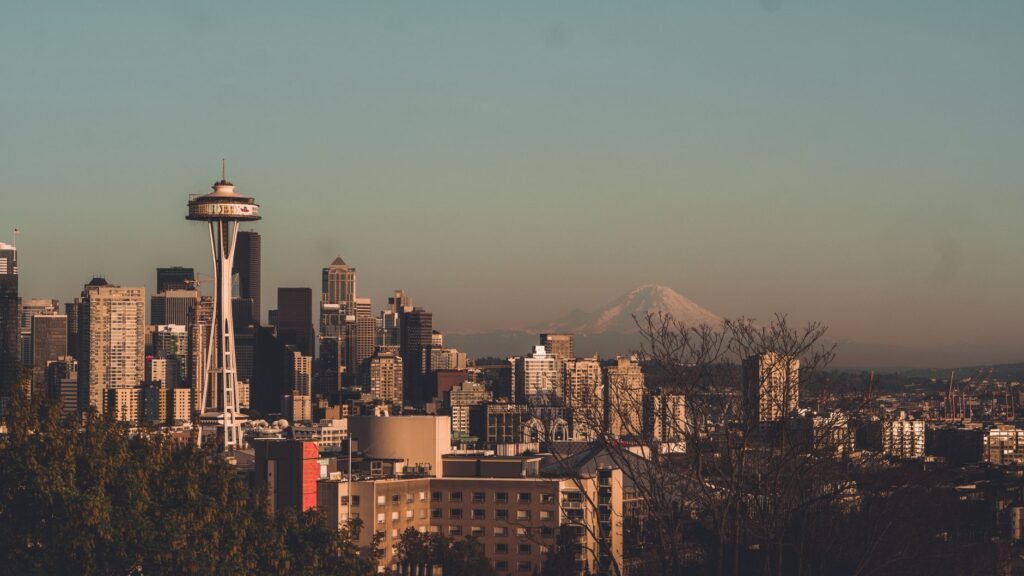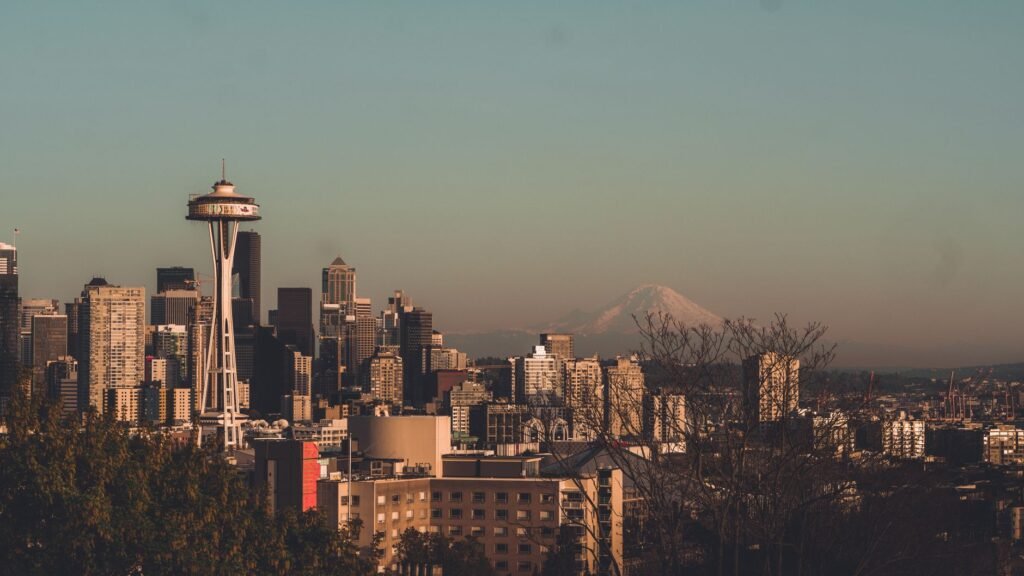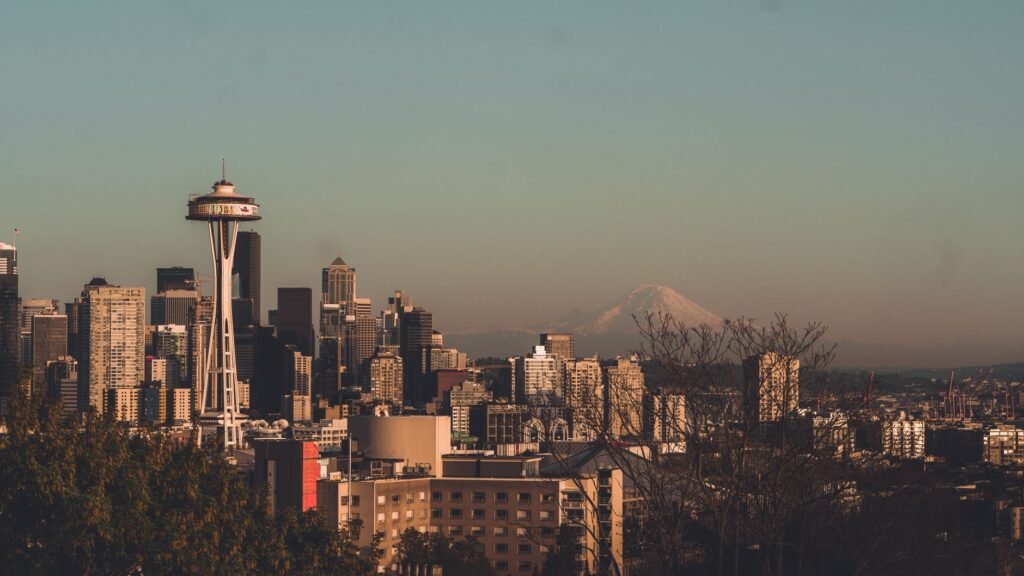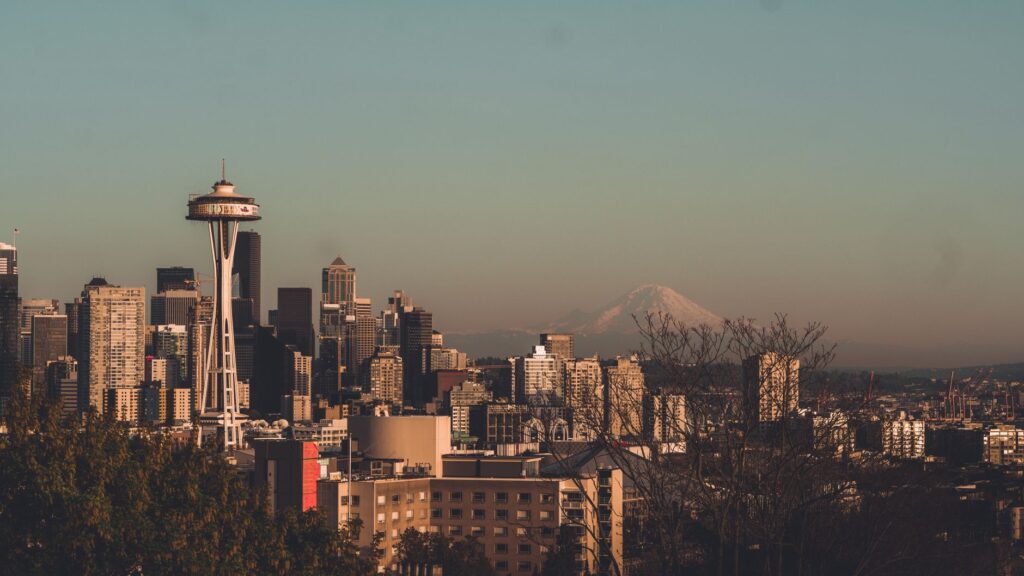
Seattle has more to offer kids than rain and coffee, though you’ll get both. The city is full of hands-on museums, free parks, and waterfront attractions that keep children engaged for days. You don’t need to be a local to figure out where to take them. Just know the layout, pick your season, and book ahead for the popular spots.
The biggest mistake visiting parents make is trying to cram too much in. Seattle spreads across hills and water. Getting from one neighborhood to another takes time. The Pike Place Market sounds like a quick stop. Then you add the ferry ride and the aquarium. Suddenly you’re exhausted and the kids are melting down by 3pm. Better to pick a few things and actually enjoy them.
Where to Start: Pike Place Market and the Waterfront
Pike Place Market is the obvious first stop, and it earns that status. Kids love it because there’s movement, noise, and things to touch. The fish-throwing vendors are genuinely entertaining. Crowds press close. The smell of fish and coffee near the main market stairs hits hard at 7am. By 10am, shoulder-to-shoulder tourists block most of the aisles.
Start early if you take kids there. Arrive before 9am and you get breathing room. The flower stalls make good photos. The gum wall is gross and kids find it hilarious. Bring cash for small purchases because your child will want something. Set a budget before you go. Post-alley snacks add up fast.
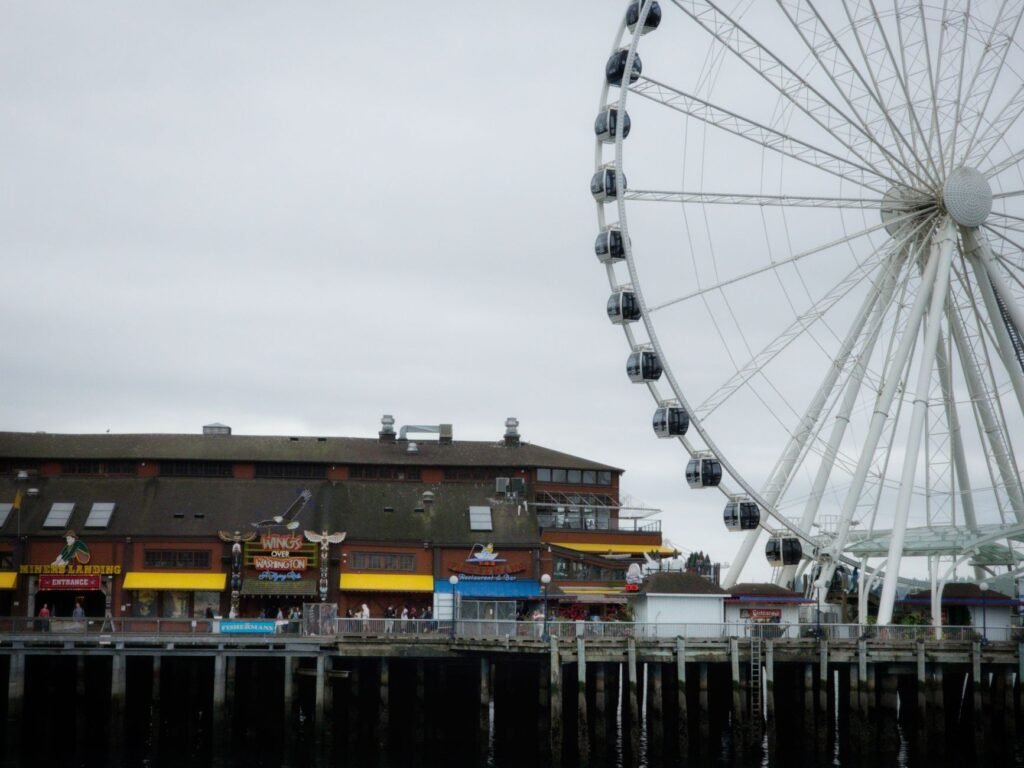
The waterfront is a short walk downhill from the market. Piers, water views, and parks line the shore. You can actually let kids run without worrying they’ll disappear into traffic. Waterfront Park has grass, sculptures, and a good view back toward downtown. The walk between Pike Place and the piers takes about ten minutes. Your legs will feel it more than theirs will.
The Aquarium and Ferry Options
The Seattle Aquarium sits right on the waterfront at Pier 59. It’s purpose-built for the exact age group you brought. Giant windows overlook the water. Touch pools let kids put their hands in tanks. The cuttlefish and sea stars are the main draw. Octopuses are smart and weird. Most children stand there longer than you’d expect.
Tickets run about $35 per adult and $25 per kid. A family of four pays roughly $120. It’s a two to three hour stop if you move slowly. Faster families are done in ninety minutes. The gift shop is aggressively priced, so set expectations before you enter.
The ferry ride across Puget Sound is free to explore. You can actually buy tickets for a round-trip ferry to Bainbridge Island or Bremerton just for the ride. It’s cheaper than the aquarium and kids find it magical. The boat leaves every thirty to forty minutes. A round-trip takes about an hour total travel time. On clear days you see mountains and other islands. On rainy days you see rain and water. Either way, it’s a real break from walking.
Bainbridge Island ferry takes thirty-five minutes each way. You can get off, walk around a small downtown, grab food, then come back. Bremerton takes an hour each way and feels more like a real journey. The cost is about $10 per adult and $5 per kid for a round-trip. Parking at the ferry terminal downtown is $15 for three hours or so. It’s an easy decision compared to paid attractions.
Read more: Vancouver to Seattle drive distance time route
Museums Built for Kids
The Pacific Science Center sits in the shadow of the Space Needle in Seattle Center. It’s a serious space designed for children ages 3 to 13. The exhibits change but always include hands-on stuff. Levers, buttons, water tables, and climbing structures fill the place. A dinosaur section usually has something interesting. The planetarium shows are separate tickets but good for older kids.
General admission runs about $25 per person. Add the planetarium for another $10. It’s an indoor option, which matters during rain. You’ll easily spend three to four hours there. Bring snacks because the food is overpriced. The parking lot is adjacent and easy.
The Woodland Park Zoo is massive and excellent. It’s not cramped like some urban zoos. Animals have real space. The layout is walkable but your legs will know it. Bring a stroller if your youngest still fits one. Plan for three to four hours minimum. Six hours if you’re the kind of family that reads every placard.
Admission is about $26 for adults and $19 for kids. Parking in the lot is free. It’s genuinely one of the better urban zoos on the West Coast. The gorilla exhibit draws crowds. The penguin pool is always worth standing by. Older kids can get into the reptile section if they’re into that stuff.
The Museum of Flight is south of downtown near the airport. It’s housed in a real Boeing assembly building. The scale is hard to grasp. Kids can climb into actual aircraft. The Concorde is there. A space section covers astronauts and satellites. It’s serious enough that kids stay interested for hours, not minutes.
Admission is about $29 for adults and $19 for kids. You’ll spend three to four hours unless your kids are plane obsessed. In that case, make it five or six. It’s one of the few museums where dads get as engaged as children do. That’s not accidental.
Also read: Things to do in Seattle with kids
Free and Cheap Options That Actually Work
Seattle Center is free to walk around. The Space Needle is expensive, so skip it unless needle-climbing is the whole point of your visit. The grounds are nice. Playgrounds scatter throughout. The International Fountain runs on a schedule and shoots water fifty feet in the air. Kids love getting sprayed. Bring towels.
Green Lake is a freshwater lake three miles around. A paved path circles the whole thing. You can walk, bike, or jog. The beach area on the east side has a small swimming area. The water is cold but swimmable in summer. Ducks and geese are everywhere. Kids can feed them though park signs say not to. People ignore the signs. Bring bread or crackers.
The Ballard Locks are free. Salmon swim up a fish ladder. You watch them from a viewing room. It takes five minutes. Salmon are powerful. The mechanism that makes it work is clever. Kids get it. The surrounding park is decent. The Ballard neighborhood has good coffee and fish and chips if you make a half-day of it.
Discovery Park is the largest city park in Seattle. Trails drop down to a beach. Views are strong. A lighthouse sits at the end of a bluff. The walk down is easier than the walk back up. Go in the morning when you have energy. Free parking. Trails are well-marked.
Rainy Day Backup Plans
Rain in Seattle is not dramatic. It’s persistent and light most days. You don’t need to cancel anything. Bring jackets. Kids in Seattle wear rain jackets the way kids elsewhere wear t-shirts. They don’t complain about rain because it’s normal.
That said, you need indoor time. The Children’s Museum at Seattle Center is specifically designed for 1 to 8 year olds. Shorter attention spans work fine here. Admission is about $16 per kid. Adults are free if they’re just supervising. It’s not elaborate but it fills a rainy afternoon. Go early on rainy days because other families had the same idea.
The Klondike Gold Rush Museum downtown is surprisingly good for kids ages 7 and up. It covers the 1890s gold rush and the route to Alaska. Interactive exhibits work better than you’d think. It’s free. Go when it rains.
The Central Library downtown is a striking building designed by Rem Koolhaas. The children’s section is on the fourth floor. It’s big and well-stocked. Free. You can sit for hours. It’s more useful if your kids actually read, but still worth knowing about if weather traps you.
Movie theaters exist if you need to surrender for a couple hours. That’s not advice. That’s just honesty. The Pacific Place mall downtown has a theater if it comes to that.
Neighborhoods Worth a Meal
Capitol Hill is the neighborhood young parents actually live in. It has restaurants, coffee, parks, and a weird-in-a-good-way vibe. The neighborhood is walkable. Take kids to Volunteer Park for a view. The conservatory is inside and worth a few minutes. The water tower looks like a castle if your kid is young enough.
Ballard feels more livable than touristy. It’s north of downtown. Good restaurants, breweries, and a real neighborhood feel. The locks are here. The Nordic Heritage Museum is if you’re extremely committed to museums. Otherwise, eat and walk. The neighborhood is low-key enough that kids can move at their own pace.
Fremont is weird and manageable. It’s north and quirky. A giant troll lives under a bridge with a car in its hand. Kids think that’s funny. There are breweries, quirky shops, and a Sunday farmers market with actual food, not just vegetables. The neighborhood has a playground near the water. It’s a solid half-day if you like strange things.
Practical Things Before You Go
Rain is real. Bring layers. Seattle is cool even in summer. You’ll wear a jacket more days than not. Temperatures run in the 60s to 70s during summer. Winter is in the 40s and wet. Plan around the season.
Traffic downtown is slow. Parking is expensive downtown. The light rail from the airport is $3.50 per person and takes about forty minutes. It’s faster and cheaper than a taxi. Taking it matters if you have luggage. Once downtown, walk or use the light rail. Rental cars are annoying here.
Ferries sell out on summer weekends. Book ahead if that’s your season. Museums fill up during rainy stretches. Go early or book ahead online. Pike Place gets slammed by 10am. Early mornings matter.
Seattle is expensive. Hotel rooms run $150 to $300 a night depending on neighborhood. Food is pricey. Coffee is expensive. Budget for it. Save money on attractions and spend it on good meals. That’s the right call here. The restaurants are actually good.
You can easily spend four to five days here with kids without it feeling rushed. Three days hits the major stuff. Two days gets you Pike Place, the ferry, and maybe one museum. That’s enough to say you’ve been, but not enough to really know the place. A week lets you relax and actually enjoy neighborhoods instead of sprinting through attractions.
The city gets better the less you rush through it.
Reference: Seattle