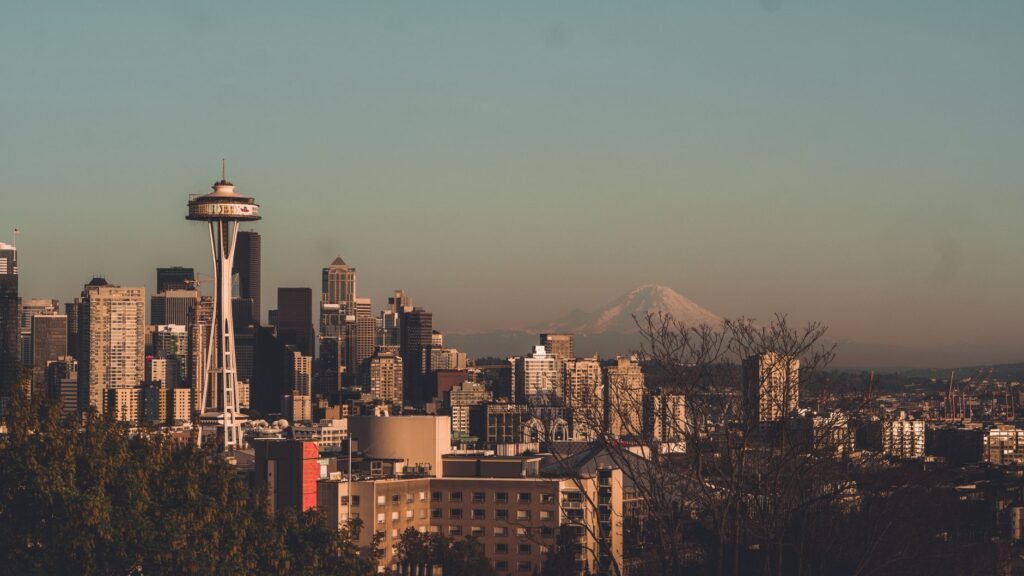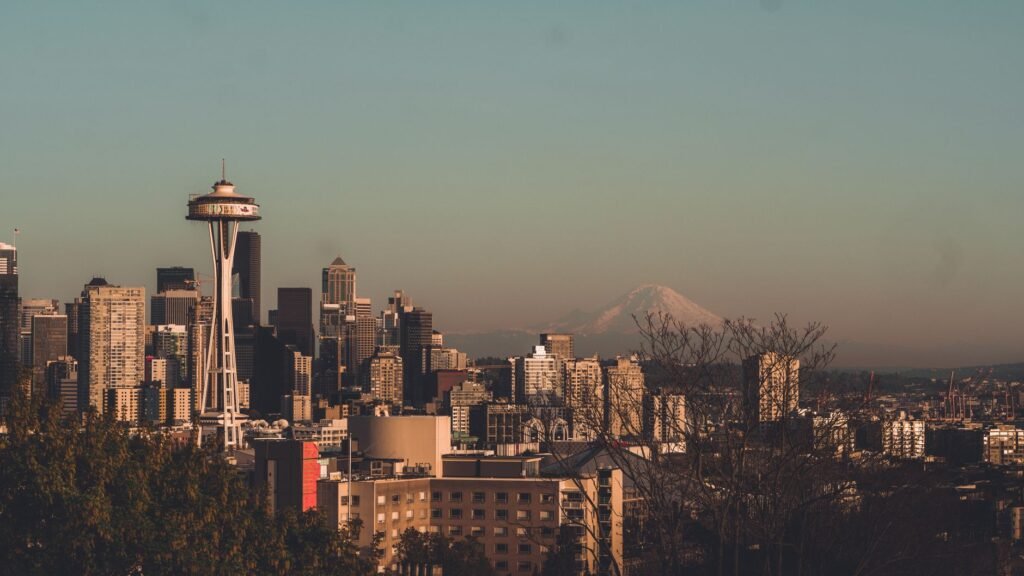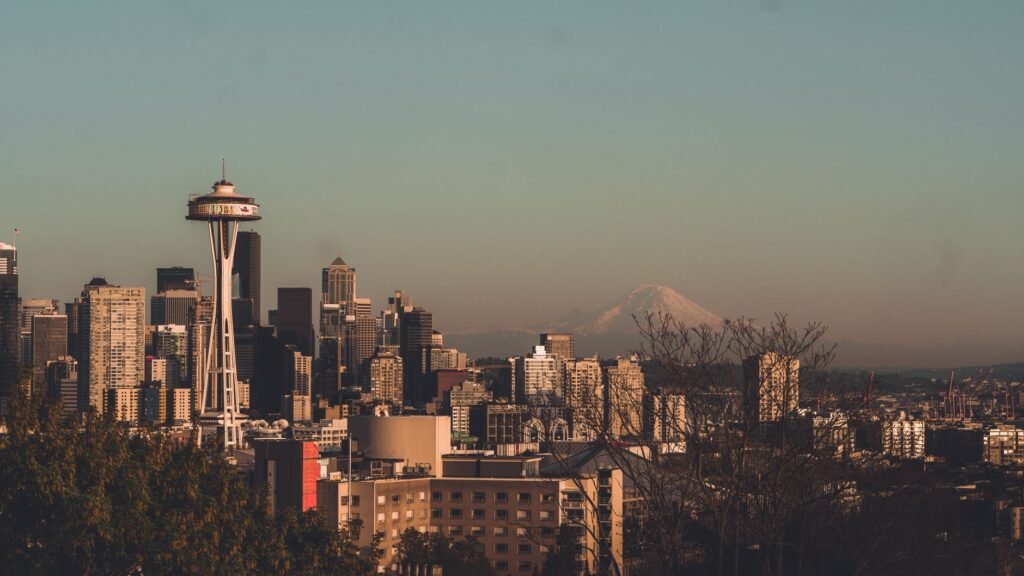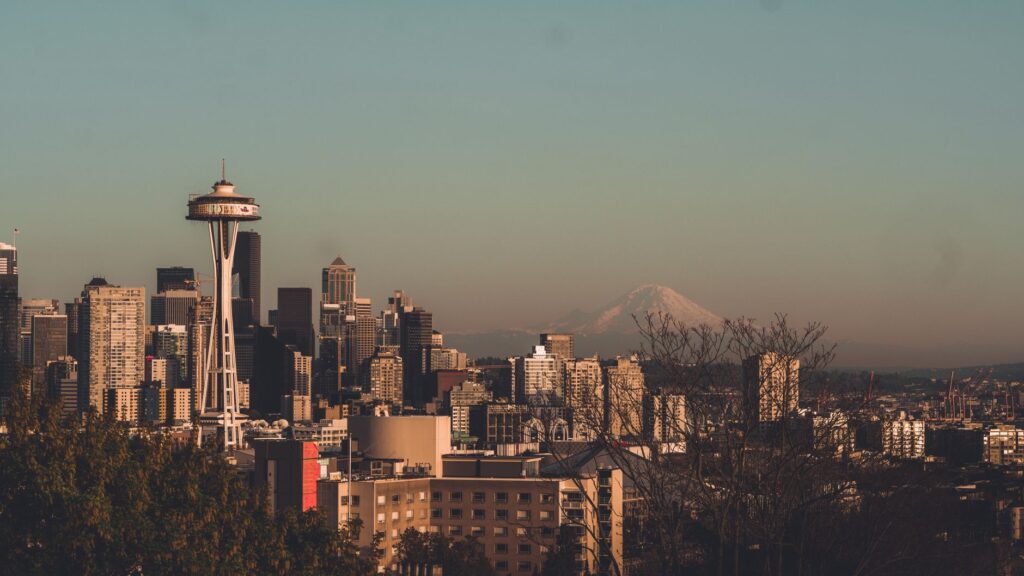
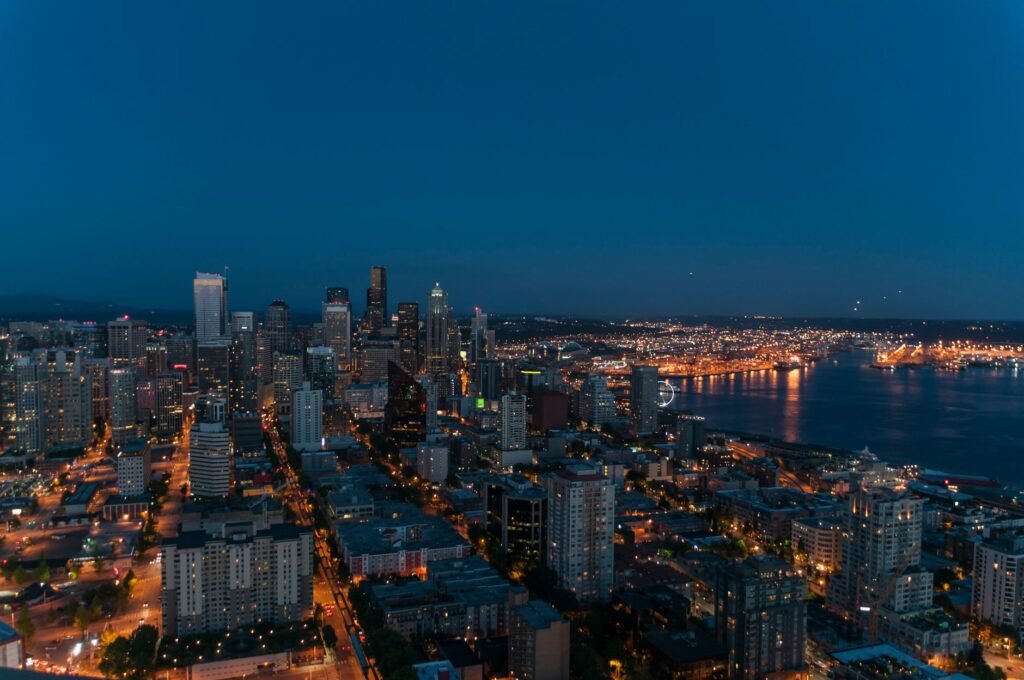
The best things to do in Seattle in August are outdoor festivals, Pike Place Market early in the morning, hiking in the Cascades, and boat trips around Puget Sound. August is peak season here. The weather cooperates. The crowds come. Your money goes further than in summer cities back east because hotels drop rates in August when locals take their vacations.
Hit Pike Place Market at Dawn
Pike Place Market opens at 9am but you want to go at 7:30. The smell of fish and coffee fills the air before tourists arrive. The vendors are still setting up their stalls. You get actual space to move and to talk to the people who grow things.
Most first-time visitors arrive at 10am or later. They wait twenty minutes to move thirty feet. They buy expensive coffee from the chain shop and leave. That’s not a market visit. That’s a selfie stop.
Walk in from the Pike Place entrance on the west side. Skip the main floor at first. Go down one level. That’s where the fish vendors work and where the real action happens. You’ll see the throwing and the yelling that made the place famous, but more importantly, you’ll see actual fishing families selling actual catch. Buy something small. A pound of salmon. Some local berries. Eat it for lunch later.
The flower stalls come next. They’re between the fish section and the produce vendors. The flowers cost less than a chain florist and they’re fresher. A bundle that runs twelve dollars in most cities runs six dollars here. That’s not because Seattle is cheap. It’s because there are so many flower growers within an hour’s drive that competition keeps prices down.
Leave by 10:30am. After that, the market becomes a crowded shopping center. It’s still good. But it’s not special.
Get Out on the Water
Puget Sound defines Seattle. The city sits on water. Water runs between the buildings. Water is how the city moves. You cannot understand the place from shore.
A ferry ride to Bainbridge Island takes thirty-five minutes. The ticket costs seventeen dollars round trip. You sit outside on the upper deck. Mount Rainier comes into view on clear days. The Olympics rise on your left. The city shrinks behind you. Turn around halfway back to Seattle and the view flips. You get the skyline against the water with the mountains in the distance.
This sounds like a tourist trap and it is, in a way. But it works. You get geography and beauty and movement and a local commute all at once. Locals take the ferry to work. You’re not separate from the place when you ride it.
Skip the dinner cruises and the whale watching tours unless you have kids. The whale watching boats leave very early. You pay more. The whales are not guaranteed. The ferries are the better call.
Also read: Vancouver to Seattle Drive Distance Time Route
Catch a Festival
August brings three or four major festivals every year. The exact ones change, but something is always happening. Check the Seattle Center calendar before you book your trip. The Seattle Center is the 74-acre park downtown where most festivals happen.
The festivals often start on a Friday and run through Sunday. Admission is usually free. Food vendors set up. Local bands play. It’s not the place to go for headliner acts. It’s the place to go to see what Seattle people actually like to do when they have a weekend off.
The Seafair Torchlight Parade happens in early August. It runs down Fourth Avenue at night. Floats light up. Marching bands come through. Thousands of people line the street. It’s overbooked and crowded and genuinely worth an hour of your time. Bring a low chair and claim a spot on the sidewalk by 6pm. Bring a sweater. It cools off when the sun goes down.
The Northwest Folklife Festival also runs in August some years. It’s free. It happens at Seattle Center. It’s music and dancing and crafts from Pacific Northwest cultures. It’s less crowded than you’d expect for something free. Most tourists don’t know it exists.
Check what’s actually open before you go. Don’t assume. Call ahead or check online the day before your visit. Plans change. Dates shift.
Hike the Cascades
The Cascade Mountains rise thirty to forty miles east of the city. The drive takes about an hour from downtown. Once you get there, the trails are serious and excellent.
Snoqualmie Falls is the easiest option. The waterfall drops 270 feet. The hike to the base takes twenty minutes round trip. The mist hits you when you get close. The water is loud. It’s real and immediate. Most visitors hike the short trail and call it good. That’s enough. Don’t push for a longer hike if you didn’t plan for it.
Rattlesnake Ledge is harder and worth the extra effort. The hike is about four miles round trip. You gain 1,200 feet of elevation. It sounds steep and it is. Your legs will know about it the next day. But the view from the ledge looks across three lakes and into valleys. On clear days you see Mount Rainier. You feel like you’re actually in the mountains, not just looking at them from the road.
Get to either trailhead by 8am. Parking fills up early in August. Bring water. Bring more water than you think you need. The sun is strong at that elevation. The trails have shade but not much. Buy a Northwest Forest Pass for fifteen dollars before you go. You’ll need it to park at most trailheads. They’re available at most sporting goods stores in the city.
Stay Near Pike Place or Capitol Hill
Where you sleep matters more than most travelers think. Seattle is not a big city in square miles. But traffic moves slowly. A hotel two miles from where you want to be becomes a forty-minute trip.
Pike Place neighborhood puts you steps from the market and near the water. Hotels here cost more. A decent room runs 150 to 250 dollars a night in August. You save that money in time and in cabs. You can walk to restaurants. You can walk to the waterfront. You can walk to coffee shops.
Capitol Hill is the alternative. It’s southeast of downtown. The neighborhood has character. Real people live there, not just tourists. The restaurants are good. The bars are lively. Hotels cost thirty to fifty dollars less per night. The walk back to Pike Place Market takes thirty minutes. That might not matter to you. It might matter a lot. Think about your visit style.
Skip downtown high-rises if you can. They’re sterile. They’re expensive. They’re surrounded by other tourists. The neighborhoods have personality.
Also read: Unique Places to Stay in Seattle Cool Hotels
What to Eat and How to Find It
Skip the restaurants you could eat at home. Seattle has good coffee and good fish and good Indian food and you should eat all three while you’re here.
Ray’s Boathouse and Ivar’s are the famous seafood places. They’re crowded. Ivar’s is cheaper and faster. Ray’s is fancier and you wait longer. Both are good. Both have water views. Eat lunch instead of dinner if you want a table without a reservation.
The Indian restaurants cluster on Capitol Hill on a street called Fifteenth Avenue. There are five or six good options within walking distance. The prices are low. The food is real. Ask the staff what they recommend. They will point you right.
Coffee is everywhere. The coffee is good. It’s not mysterious. Cold brew costs five dollars. That’s more than a chain. Less than New York. The shops that serve it are rarely empty. Go to the shops that are busy. Busy means good.
Don’t eat at hotel restaurants. Don’t eat at mall food courts. Eat at neighborhood places. Walk three blocks in any direction from your hotel. Find a place with a line. That’s your answer.
Plan Your Days But Stay Flexible
Two to three days in Seattle works well. That’s enough time to see the water and the mountains and the neighborhoods and not feel rushed.
Day one can be Pike Place in the early morning. Ferry ride in the afternoon. Dinner in Capitol Hill. Day two can be the Cascades. Early start. Back by midafternoon. Walk around a neighborhood. Dinner by the water. Day three can be a museum or a second neighborhood or a longer hike if you want more time outside.
This is a suggestion, not a rule. August weather is good. You might wake up and decide to skip your plan and hike instead. That works. The weather holds. The ferries run. The restaurants are open. You have flexibility.
Bring layers. Even in August, mornings at the water are cool. Afternoons are warm. Evenings are cool again. Jeans and a sweater and a light jacket cover everything.
August in Seattle rewards visitors who start early and who spend time outside. The rain that Seattle is famous for doesn’t happen much in August. The crowds are real but manageable if you know when to move. The food is good. The views are worth the time.