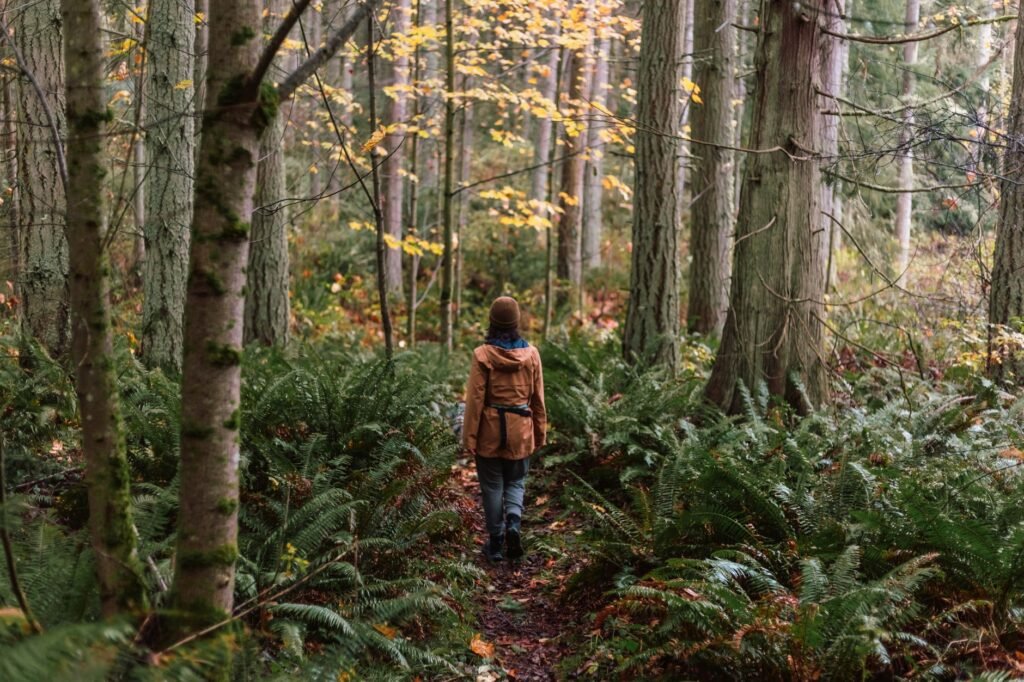
The best short hikes near Seattle are within 30 minutes of downtown and doable between breakfast and dinner. You do not need a full day or serious gear. You do not need to drive more than an hour to see something worth the trip. Most visitors think hiking near Seattle means a big commitment. They are wrong. The Puget Sound region sits surrounded by forests, water views, and ridges that deliver real rewards in under three hours round-trip.
I’ve done these walks a dozen times over. Some trips were rainy midweek outings alone. Others were Sunday mornings with people visiting from out of state. The ones that stick are not the hardest or the most famous. They are the ones that fit into a real day without fuss. That is the whole point of short hikes near Seattle. You fit them in. You do not plan your entire weekend around them.
What Makes These Hikes Work
Most short hikes near Seattle sit just outside the city limits. They are reachable from your hotel without a long drive. You can start at 9am and be back by lunch. You can leave after work and finish before dark. The trails are maintained. Parking exists at the trailheads. The views are there if you know where to look.
The trick is avoiding the wrong expectations. This is not Moab or the Grand Canyon. You will not stand at a massive overlook and have your breath taken away instantly. What you get is green forest. You get quiet water. You get the smell of Douglas fir and dirt after rain. You get relief from the city. For most visitors, that is enough.
Sound like nothing special? Wait until you step off the pavement into a tall forest and the noise stops. The traffic noise vanishes. Your shoulders drop. You remember why you left home.
Tiger Mountain Loop
The Tiger Mountain Loop sits about 30 minutes east of Seattle. It’s near North Bend, in the foothills. The full loop runs about 5.6 miles total. You can skip sections and cut it to 3 miles easy. The payoff is a cleared ridgeline with views of the Cascades on a clear day.
Start early on this one if the weather looks good. The parking lot fills up by 10am on weekends. You will walk through second growth forest for the first 1.5 miles. The trail climbs steady but not punishing. Then you break out into open meadow. On clear days you see Mount Rainier from here. You see the whole north Cascade range. On cloudy days you get altitude and trees.
Here is what matters: bring sunscreen and water. The exposed section has zero shade. Wind picks up on the ridge. The walk down is all knees, so take it slow if your legs complain. Many people skip the full loop and just walk to the ridgeline and back. That is a smart call. You get the view. You skip the repetitive descent.
Read more: best hikes near seattle
Rattlesnake Lake and Ledge
Rattlesnake Lake sits about 45 minutes southeast of the city. The lake itself is striking for the region. Old logging history lives here. The glacier-fed water sits in a bowl of rock. Trails loop the lake itself. A steeper climb goes up to Rattlesnake Ledge, about 2 miles one way.
Most visitors do the ledge walk. It climbs 1,200 feet in that distance. Sound like a lot? Most of it comes in the first mile. After that the grade eases. You reach a flat rocky overlook. From there you look down at the lake and the valley. It is a good view without being world-class.
The honest move is to walk down to the lake itself first. Explore the shoreline. Skip the ledge if your knees are tired. The lake loop is flat and takes about an hour total. You still feel like you did something real. You still got outside. You still saw water and rock and trees.
Parking here fills fast on warm weekends. Go early or pick a rainy day. The trail is fine in drizzle. The crowds are smaller. The air smells better.
Little Si
Little Si sits near North Bend, about 35 minutes from downtown. The trail is just under 2 miles to the top. Elevation gain runs about 1,300 feet. That makes it steep for the distance. What it also makes it is short. You can leave work at 5pm and still summit before dark.
The rock scramble at the top is part of the charm. It’s not exposed or dangerous. Kids do this hike. But it feels adventurous for a hike so close to the city. The summit view looks back at the Snoqualmie Valley. You see Little Si’s parent peak, Mount Si, looming across the valley. The contrast tells a story. Little Si is small. Mount Si is not. You stayed close. You still got a real outing.
The downside is popularity. This trail gets crowded. Weekdays are better. Winter midweek is best. The mud can be bad in fall and spring. Wear shoes with grip. Bring extra water. The trail gets hot fast once the sun hits it in summer.
Beacon Rock
Beacon Rock sits about an hour north across the Columbia River Gorge in Washington state. It counts as an escape from Seattle, not a local walk. But it belongs on any list of short hikes near the city. The walk to the top is about 1.8 miles. The climb is relentless. The view at the summit is excellent.
The rock itself is 848 feet tall. A trail spirals up it with a few switchbacks and handrails. The gorge opens beneath you as you climb. The Columbia River flows below. On clear days you see Mount Hood in the distance.
This is a good walk if you want something dramatic fast. It is also a good overnight. Cross into Oregon. Stay a night. Make it a real trip instead of just an errand hike. The town of White Salmon sits nearby. The food and rooms are simple. The cost is cheap. You will feel like you traveled.
Squak Mountain
Squak Mountain sits about 40 minutes south of Seattle near the town of Issaquah. Multiple trails climb it. The main route is about 4.5 miles round-trip from the parking area. Elevation gain is roughly 1,500 feet. That puts it on the harder end of short hikes.
What makes it worth the effort is the forest itself. This walk stays under cover almost the entire way. You do not get a big view at the top. You get a forested summit. What you do get along the way is solitude. Fewer people hike this compared to Tiger Mountain or Rattlesnake. The trail is good. The forest is old and thick. You feel like you went somewhere even if the view is limited.
Pick this hike if the weather is questionable. Rain does not ruin the walk like it does on open ridges. Bring a light jacket. Wear waterproof boots. Take the time to notice the forest instead of chasing views.
Also read: best fall hikes near seattle
What to Bring and Know
A short hike does not need special gear. It does need the right small items. Bring water. Bring sunscreen. Bring a light jacket even if the morning feels warm. Weather changes fast near the water.
Some facts about these trails matter:
- Parking at popular trailheads fills by mid-morning on weekends
- Most trails are muddy in fall and spring
- Bugs are worst in summer early mornings
- Elevation gain numbers look small until you do them
- The forest is wet most of the year
- Crowds thin out noticeably on weekdays
Wear shoes with good grip. The rocks are slick when wet. Bring more water than you think you need. Dehydration sneaks up fast when you are focused on the trail. Do not bring your phone out to check it. You came here to be outside. Leave the phone in your pocket.
Timing Your Visit
The best time to hike near Seattle is spring through early fall. Summer brings crowds and sometimes heat. Fall is good but rain picks up. Winter is wet but uncrowded. Spring mud is real. Plan accordingly.
Weekdays are better than weekends for every single trail. If you can hike Tuesday instead of Saturday, do it. The parking is simpler. The trail is quieter. You move at your own pace instead of navigating around groups.
Rain does not stop a hike. Good waterproof gear matters more than sunshine. The views may not show up on a cloudy day. The walk is still fine. Sometimes it is better. The forest smells sharper. The light is softer. You move slower and notice more.
Also read: places to visit near seattle in winter
Getting There from Downtown
You need a rental car for these hikes. Transit is not realistic. The drives are short enough that you do not need to leave early. Head out at 8am and you have all day. Parking is usually free at the trailheads. Bring cash for any areas that have a fee, though most are free.
Google Maps works fine for navigation. Put in the specific trailhead parking area, not the town. Gas is cheaper than the city but not by much. Fill up before you head into the foothills. The drive back to Seattle is straightforward. Roads are good. Traffic heading back downtown can be heavy on Sunday afternoons. Avoid that by eating dinner early and leaving by 4pm.
Pick One and Go
You do not need to hike all of these. Pick one based on weather and time. Go on a day you feel like it. The whole beauty of short hikes near Seattle is that they do not require grand planning. You look at the forecast. You pick a trail. You drive. You walk. You come back.
Some days the view will be perfect. Some days clouds will sit on the ridges and you will see nothing. Both days are fine. You moved your body. You were in a forest. You took a break from the city. That is the whole point. Everything else is a bonus.
Reference: Hiking