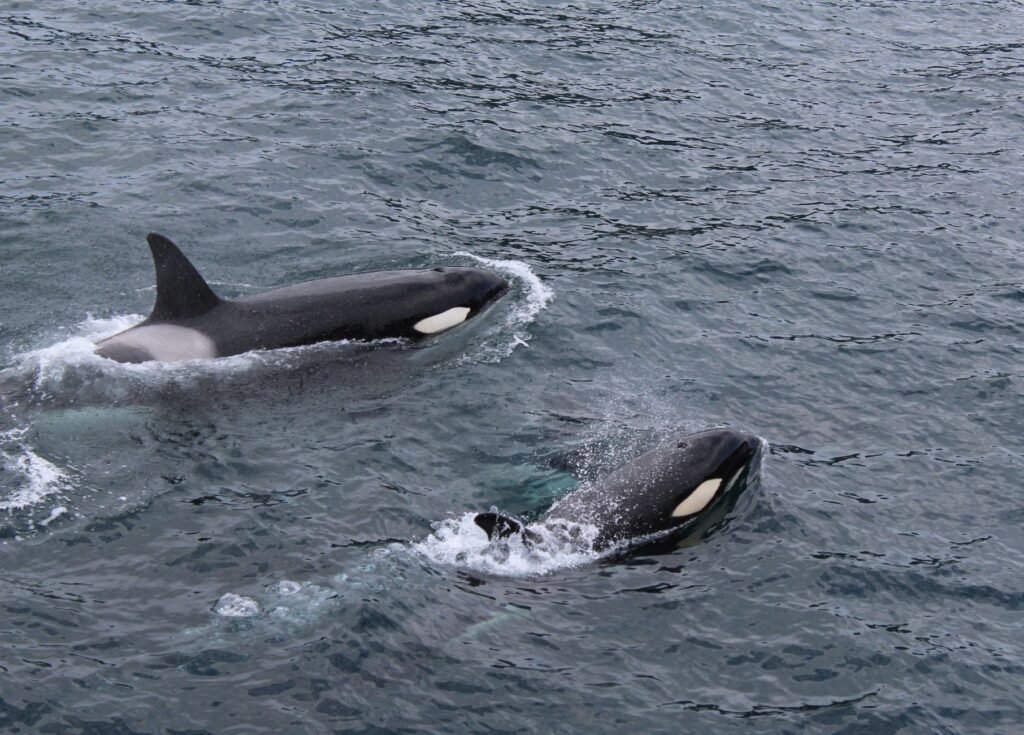
The best time for orca whale watching in Seattle is June through September. That’s when the pods move through Puget Sound most reliably. The water is calmer then too, which means smoother rides and better visibility. You can see whales other months, but you’re gambling.
Most people who come to Seattle think they’ll just book a tour and see orcas. The reality is more nuanced than that. Orcas live here year-round in three main pods. But they don’t stay put. They roam the entire sound, sometimes drifting north into Canadian waters. Your odds of spotting them depend on season, timing, and honestly, luck.
I spent three days doing tours in the summer and never saw a single whale. My friend went in July and saw two pods in four hours. Weather was nearly identical both trips. That’s the game. But summer still gives you the best statistical shot.
Why Summer Is the Real Season
Summer is when the salmon runs peak in the sound. Orcas follow the food. Chinook salmon move through Puget Sound from June onward. The pods get active and hungry and predictable. That’s when tour operators see them most often. Not every tour. But most.
The other advantage is weather. The sound can be rough any time of year. But in summer, you get more days with light winds and calm water. That matters for small boats. A 40-foot tour boat handles chop better than you might think. But rough seas mean seasickness, and seasickness ruins the experience. Summer smooths things out.
One specific detail sells the summer window. The smell hits you at 7am on the dock. It’s fish and salt and coffee. Tour boats pack a lot of people on small decks. Seasickness spreads. In summer, fewer people get sick. That alone makes it worth timing your trip then.
June through July tends to give better odds than August and September. June is peak salmon arrival. July keeps that momentum. By late August, some pods drift north. But September can snap back into focus. The pattern is not absolute. I’m telling you what the guides see across dozens of trips, not every trip.
Which Tour Operators Actually Deliver
You can book tours from three main launch points around Seattle. The most famous is the Ballard area. West Seattle has operators too. Anacortes is 60 miles north. Longer drive, but deeper into whale country. Each spot has real trade-offs.
Ballard is convenient if you’re staying in Seattle proper. The downtown hotels are 20 minutes away by car. Parking near the docks costs money. Expect to pay $12 to $18 for a few hours. The crowds are real. During summer weekends, you’re queuing with hundreds of other tourists.
The tour operators in Ballard vary a lot in boat quality and guide expertise. Some run big cattle-car boats with 150 people. Others use smaller vessels with 40 to 60 aboard. Smaller is better for a few reasons. You can move faster and change direction quicker. The guides can actually talk to you instead of shouting. The deck feels less packed.
Island Adventures operates from Ballard and runs smaller boats. They charge about $135 per person for a three-hour tour. Their guides are sharp. They know the sound and the pod movements well. Waiting lists fill up in July and August. Book a week ahead if you can.
Sea Venture Whale Watching is another solid Ballard option. Same price roughly. Similar boat sizes. Both operators have reasonable track records for spotting whales. Neither promises you’ll see them. The honest ones never do.
Anacortes sits at the northern edge of the sound. The drive is longer. But the boats leave from a spot closer to where the pods actually spend time. San Juan Safaris runs out of Anacortes. Their boats are smaller and their guides lean harder into biology. If you care about understanding what you’re seeing, not just seeing it, this is your pick. Cost is similar, around $130 to $140.
The trade-off is time. You lose 90 minutes to driving each direction. A three-hour tour in Anacortes becomes a five-hour day when you add travel. That matters if you’re on a tight schedule.
What to Actually Pack and Know
Bring layers. The sound is cold even in July. The water temperature stays around 50 degrees Fahrenheit. When you’re sitting still on a boat, wind cuts through you fast. A light jacket isn’t enough. Bring a fleece and a windbreaker. You’ll use them both.
Seasickness medication matters. Take it an hour before boarding. Not after you feel weird. The boat motion builds slowly, then hits. By the time you feel it, you’re often too late. Dramamine or ginger chews. Either one works. Both together is fine too.
Binoculars are optional but smart. The guides have telescopes mounted on the rails. You’ll see better through those. But whales are large. You’ll spot them without help. If you like details though, binoculars let you see dorsal fins and body marks. Bring ones that focus fast. You don’t have long once a whale surfaces.
Sunscreen is a real need. Water reflects sun hard. You’re on an open deck for three hours. Sunburn sneaks up on you. Apply it twice and reapply after you get wet from spray. Bring sunglasses with a strap. They fall overboard otherwise.
A phone charger means nothing out there. There’s no power. Bring a battery pack if you must record video. But honestly, put the phone down. The moment you see a whale, everyone around you pulls out cameras. You catch better memories just watching.
Food and water are included on most tours. It’s coffee and snacks, not a meal. Bring a snack you like anyway. The sandwich offered is usually not great. A protein bar or granola solves this.
When to See Which Pods
The three main resident pods are called J, K, and L. Each has a distinct range and pattern. This matters if you’re curious about what you’re looking at. It barely matters for just seeing them.
J pod is the largest and spends the most time close to Seattle. They’re the best bet for Ballard tours. Roughly 80 of them live in the sound regularly. They’re recognizable because individuals get tagged and tracked. Your guide will tell you names of specific whales if you see them. That’s the weird and cool part. You might see “Granny,” an older matriarch, or younger males with distinctive fin shapes. It’s a bit like recognizing celebrities.
K pod is smaller, around 20 individuals. They range wider and drift into Canadian waters more often. L pod is similar in size. Both K and L push north into the Strait of Juan de Fuca more than J does. If you book a tour from Anacortes, you’re actually in better position to see K and L.
None of this changes what you should do. It just explains why you might see the same whales if you go multiple days. The guides do too. They’ll point out the same individuals. It’s oddly moving, actually. Orcas are social. Seeing a mother and calf pair is harder to shake than you’d think.
The Honest Numbers
About 70 percent of summer tours spot whales. That means 30 percent don’t. Those are not good odds. Three-hour tours cost roughly $130 to $140. A failed trip is a wasted chunk of money and time.
Tour operators have a money-back guarantee or a rain-check voucher for failed trips. Read the fine print. Some make you come back within 30 days. Others are looser. Most are honest about it. You can reschedule for free.
The real cost isn’t just the tour though. Factor in parking, gas to get there, and time. If you’re flying to Seattle just to see whales, a failed tour stings more. Consider spending three days, not one. Book two tours. You double your odds. Not always. But statistically, yes.
Other Things to Do While You Wait for Boats
If you’re in Ballard waiting for a tour or between days, the neighborhood is good. Ballard used to be fishing-focused. It still is, but with restaurants now. The Golden Gardens beach is 10 minutes from the docks. It’s not swimming weather. But walking along the water and grabbing coffee is pleasant.
Pike Place Market is central Seattle and very close to a few tour launches. It’s crowded and touristy. But it’s also real. Farmers and fishmongers sell from stalls. You can eat well there. Lunch before an afternoon tour works nicely.
Gas Works Park overlooks the sound from the east side. It’s an old industrial site turned into a park. The views of the water and the Olympic Mountains are actually striking. It’s worth an hour if you have downtime.
The Museum of Flight is solid if weather goes bad and you need an indoor day. It’s not underwater whale documentaries. It’s actual aviation. Worth a few hours if you’re stuck.
Also read: Unique Places to Stay in Seattle Cool Hotels
Timing Your Trip
Book tours for the middle of the week when you can. Weekends are packed and crowded. Tuesday through Thursday, the boats are less full. You see the same whales either way, but the experience is quieter.
Early morning tours often do better than afternoon ones. Whales are more active at dawn. Whether that’s biology or just guide preference I don’t know. But morning departures appear in more whale-spotting reports. Plan on being at the dock by 7am or so. That’s earlier than most tourists. Which is exactly why it’s better.
Build buffer days into your trip. Don’t fly in and book one tour on your only day. Come for three or four days and book two tours. The first one fails sometimes. The second one succeeds. Or vice versa. But multiple chances actually work.
Avoid late August if possible. Summer crowds peak then, and some pods start drifting north. June and early July are genuinely your best bet. September can work, but you’re already slightly off-season.
The reality of whale watching here is simple. You came to see orcas. The summer months give you the best chance. Pick a tour from a reputable operator with smaller boats. Bring layers and sunscreen. Book a backup tour. Then go, and honestly, go anyway even if nothing surfaces. The sound is pretty. The boats are fine. The coffee is good.
Reference: Orca