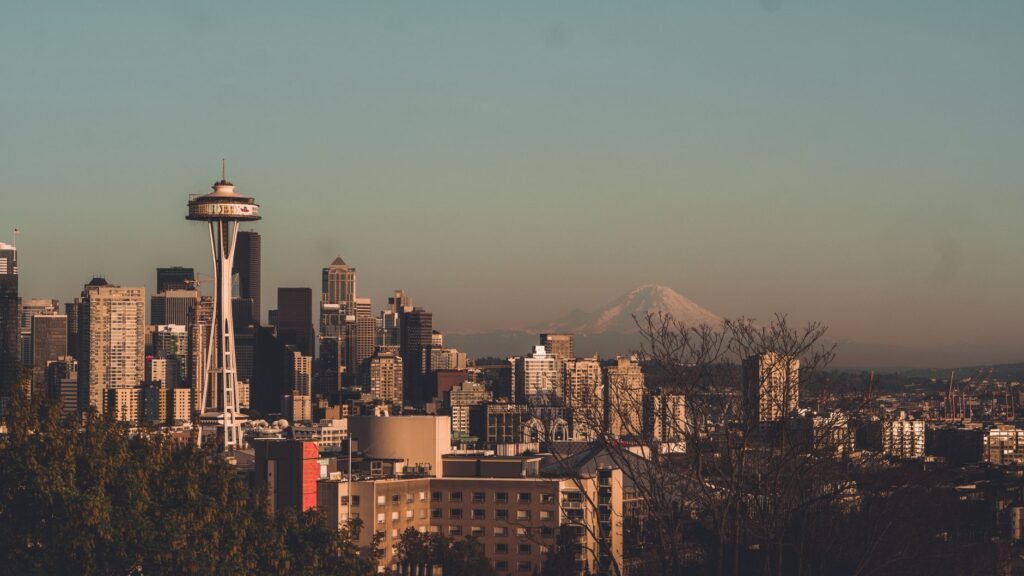
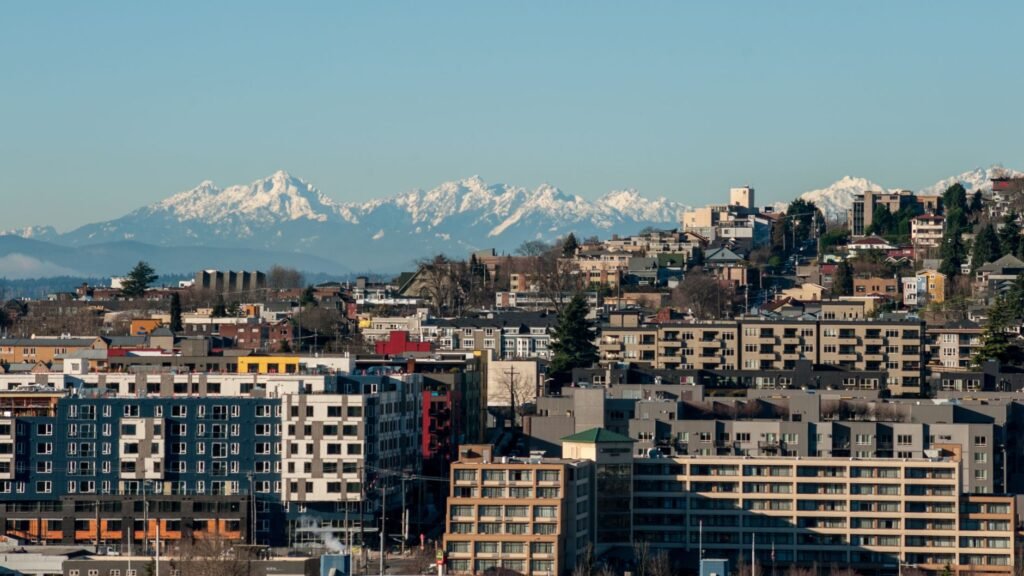
The cheapest areas near Seattle to live are Kent, Renton, Federal Way, and Tacoma, where rent runs 20 to 40 percent below downtown Seattle prices. You can find a one-bedroom apartment for $1,200 to $1,600 monthly in these towns. Seattle itself is expensive. The neighborhoods beyond the city limits offer real savings without the brutal commute times you might expect.
I’ve spent considerable time bouncing between these towns and the city center. The key is knowing which ones suit your lifestyle and job location. Some places feel suburban and quiet. Others have actual downtown cores worth spending time in. Distance matters less than you think if you pick the right spot.
Kent: Affordability Without Sacrifice
Kent sits about 25 miles south of downtown Seattle. It’s the real deal for budget-conscious people. You’ll find two-bedroom apartments averaging $1,400 to $1,700 per month. A comparable place in Seattle’s outer neighborhoods runs $2,200 and up. The savings stack up fast over a year or two.
The town has grown a lot lately. There’s a legitimate downtown area now with restaurants and cafes. Kent Station serves the Sound Transit light rail system. This matters if you work near the airport or downtown. The commute on light rail beats driving and parking fees every single time.
What is the weather. Kent gets the same rain as Seattle. The clouds hang just as heavy. You’re not gaining sunshine by moving south. But the area has decent parks and the Green River trail system runs right through town. That’s useful for people who run or bike.
The main drawback is that Kent still feels young. The retail options aren’t as developed as Renton or Federal Way. If you need specific shops or restaurants, you might drive to those towns instead. For housing costs though, Kent punches above its weight.
Renton: Urban Feel on a Budget
Renton is 12 miles south and genuinely feels like a secondary city. It has Boeing’s massive presence there, which shapes everything. The job market is strong if you work in manufacturing or tech. Even if you don’t, there’s rental demand that keeps supply flowing. More options mean more competitive prices.
Rent for a one-bedroom runs $1,300 to $1,600 monthly. Two-bedroom places land at $1,600 to $1,900. These numbers beat Seattle proper by solid margins. Downtown Renton has real restaurants and bars. The Gene Coulon Park sits right on Lake Washington. That waterfront access is something you’d pay thousands more for in Seattle neighborhoods.
The commute north is manageable. Sound Transit bus service connects to downtown Seattle. During rush hour it takes about 45 minutes. A car takes 30 to 40 minutes depending on traffic. The light rail is expanding here, which will change the equation soon. If you can wait, the transit situation will improve noticeably.
Here’s what matters most about Renton: It’s not boring. The downtown core has actual energy. Food is good and the prices don’t feel inflated. You get a real town rather than a suburb. For people balancing cost and quality of life, Renton deserves serious consideration.
Also read: Things to Do in Seattle Near Pike’s Place
The industrial areas near the airport get noise. Jet sounds carry across town during certain hours. If you’re noise-sensitive, ask about the flight path before signing a lease. Some neighborhoods dodge it. Others sit right under the approach pattern. One block can make a real difference.
Federal Way: Quiet and Connected
Federal Way sits 20 miles south on Interstate 5. It’s the most suburban of these options. If you want a quieter setting away from urban noise, this works. One-bedroom apartments run $1,250 to $1,550 monthly. Two-bedroom units average $1,500 to $1,850.
The town has good bones. The downtown area has shops and restaurants. Fred Meyer, QFC, and other chains give you normal retail access. Parks are well-maintained and the schools are solid. Families often choose this town for those reasons.
Transit is the trade-off here. Bus service exists but it’s less frequent than Renton. The drive to Seattle takes 40 to 60 minutes depending on traffic. If your job is downtown, this becomes a real daily burden. For people working in suburbs or anywhere south, Federal Way makes sense. For downtown workers, the commute will wear you down.
What keeps people here long-term is the stability. Things don’t change dramatically. The community feels established. Neighbors tend to stay put. There’s less turnover in rentals, which means slightly better buildings. The management companies invest because people stay longer.
Also read: Best Hikes Near Seattle
Tacoma: The Wildcard Option
Tacoma is 35 miles south. It’s far enough that it feels like a different city entirely. And that’s exactly the point. Rent drops further here. One-bedroom apartments run $1,100 to $1,400. You save money. The question is whether the commute makes sense for your situation.
Tacoma has changed. The waterfront is genuinely nice now. The Museum District on Broadway has real cultural weight. Point Defiance Park offers forest trails and water views. Commencement Bay provides beach access without the Seattle tourist crowds.
The job market is weaker than Seattle or Renton. If you work remotely, Tacoma is actually strategic. You get low rent and a real city, not a suburb. If you commute to Seattle daily, the math falls apart. An hour each way costs time and gas money that eats most of your savings.
Sound Transit does run express buses from Tacoma to Seattle. They’re faster than driving. A dedicated commuter might make it work. But most people find that distance too much daily. Tacoma makes sense if your work is in the region or you work from home.
Costs Beyond Rent
Housing is just part of the budget equation. Transportation costs vary wildly depending on your commute. Sound Transit passes cost about $100 monthly for unlimited rides. A car payment, gas, insurance, and parking downtown add up to $400 to $600 monthly. That’s a real difference if you calculate it annually.
Groceries cost slightly less in the outer towns. No competition from as many small markets. Chain stores set the prices. You’ll spend about the same on food regardless of which town you choose. Utilities run similar amounts everywhere in the region.
Here’s what changes: parking. Downtown Seattle parking can run $20 to $30 daily or $150 to $200 monthly at a dedicated lot. Kent and Renton parking is free at most apartments. Federal Way and Tacoma are similar. If you drive to work, this disappears as a concern entirely. If you use transit, parking fees never touch your budget.
Making the Decision
Pick a town based on your job location and commute tolerance first. Everything else flows from there. A job in downtown Seattle makes Renton or Kent sensible. A job in south King County makes Kent or Federal Way better. A remote job makes Tacoma viable.
Consider this reality: Your commute time is your time. An extra 45 minutes each way adds nearly 8 hours weekly. Over a year that’s weeks of your life. Cheap rent doesn’t matter if you’re miserable sitting in traffic. The best neighborhoods near Seattle are the ones that fit your actual daily routine.
Test the commute before you commit. Drive it during rush hour. Ride transit if that’s your plan. Don’t assume it based on distance. Traffic patterns shift seasonally. A route that works in summer might be brutal in winter rain.
What makes sense for you might not work for your friend. Talk to people living in these towns. They’ll give you specifics about noise, crime, and actual commute times. Your situation is specific. Generic advice helps but local knowledge seals the decision.
The savings are real but not infinite. You save $500 to $800 monthly on rent. That’s substantial. But you might spend more on gas or transit fares. You definitely spend more time commuting. Calculate the full cost before deciding. The answer isn’t always the furthest, cheapest place you can find.
Reference: Seattle Metropolitan Area