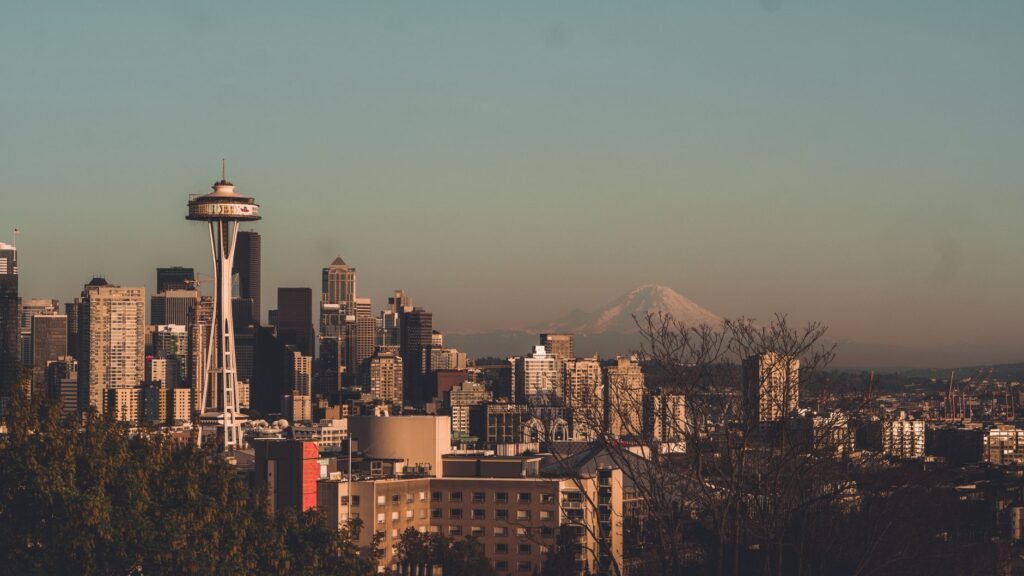
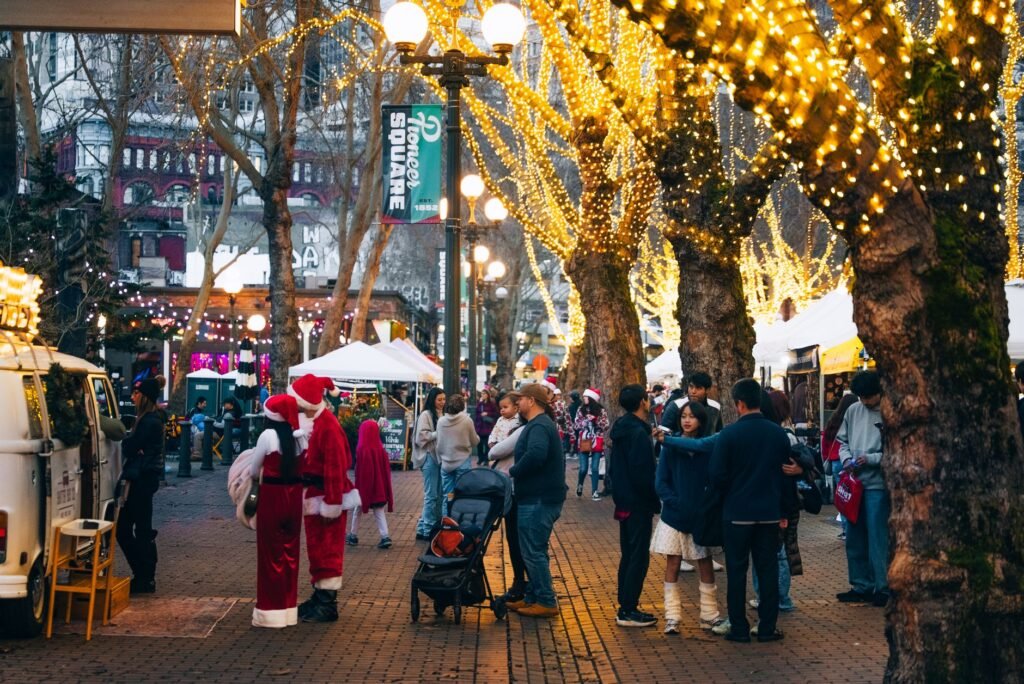
The best things to do in Seattle in winter are indoor and waterfront pursuits that take advantage of the season’s quiet intensity. The rain shuts down the crowds. The cold brings focus to the city. And if you know where to go, you’ll find the place at its most honest.
Most people skip Seattle in winter. They imagine gray skies and endless drizzle. That’s accurate. But they also miss the part where that weather transforms the city into somewhere manageable and real. Hotels drop prices. Museums have room to breathe. The Pike Place Market smells like fish and coffee at 7am without a line of tourists blocking your way. Winter is when Seattle stops performing for visitors and starts just being a place where people live.
The Pike Place Market on a Rainy Morning
Seattle winter activities often start here, and that’s the right call.
Pike Place Market works in every season. But winter transforms it completely. The farmers have root vegetables instead of berries. The crowds are a tenth of summer size. You can actually move. You can actually smell things. The stall vendors know who comes back in January. The energy shifts from transaction to conversation.
Go early. Aim for 7 or 8am. The coffee roasters are in full swing. The fish vendors are setting up for the day. The light is low and honest. Skip the tourist traps on the main floor. Most of those are forgettable. Instead, move through the lower levels where the real market lives.
- Pike Place Fish, for watching the throw (it’s real, and it’s good)
- Beecher’s Handmade Cheese, for their Mac and Cheese window
- The flower vendors on the main level, genuinely cheap and gorgeous
- Piroshky Piroshky, for a fast Russian pastry (it’s better than it sounds)
- The original Starbucks if you must, but honestly skip it
Spend an hour here minimum. Buy something you don’t need. Eat standing up. Watch the city wake up. This is the truest version of how Seattle feels.
Museum Hopping When the Weather Gets Bad
Rain days are actually the best days for museums in Seattle.
The Seattle Art Museum sits downtown on First Avenue. The admission is $25. Winter attendance is half of summer. You can see work without fighting for space. The contemporary wing has good bones. The modern collection is worth an hour. The Native art section is strong and worth your time. Bring a notebook if you take notes. The cafe is decent and not overpriced.
The Museum of Flight is on the way to the airport. It’s bigger than most people expect. Plan three hours minimum. The Concorde is here. The first 747 is here. If aviation bores you, skip it. If you have even passing interest, go. Winter is the perfect time because you won’t be rushed. The simulator rides are an extra $10. They’re worth it if you’re into that kind of thing.
The Burke Museum is on the University of Washington campus. It’s quieter than the downtown options. The natural history collection is solid. The Pacific Northwest Native art section is excellent and less crowded than the SAM version. It’s worth a visit if you’re up for a 20-minute drive north.
None of these are “must-do” experiences. All of them beat sitting in a hotel waiting for the rain to stop. The real value is that you’re indoors and thinking about something. That’s the Seattle winter strategy. Do something. Don’t sit still.
Read more: Places to Visit Near Seattle in Winter
Coffee and Books at Pike Place and Beyond
Seattle has a coffee obsession that’s real, not marketing.
Espresso culture started here. The beans are good. The people who make the drinks care about it. But the mistake most visitors make is treating coffee as a tourist activity. It’s not. It’s just how people drink coffee. You don’t need to hunt for the “best” shop. You need to understand that any espresso here is solid. Pick a place. Sit down. Read something. That’s the move.
Starbucks Reserve Roastery is on Capitol Hill. It’s designed to be impressive. It’s not bad. But it feels like a museum about coffee instead of a place to drink coffee. If you want coffee theater, go. If you want coffee reality, find any small roaster and order an americano. The difference in quality is almost zero.
The bookstores are where the winter magic actually happens. Elliott Bay Book Company is in Pioneer Square. The basement has fiction organized by country. The whole place feels serious about reading. Spend time here. Buy something. Read it in your hotel room with coffee. That’s a winter day well spent.
Kinokuniya is in the Westlake area. It’s a Japanese bookstore. The English selection is smaller than Elliott Bay. But the design is clean and the vibe is calmer. Go if you’re in the neighborhood. Don’t make a special trip.
The Waterfront Walk When Weather Permits
Seattle’s waterfront is often misunderstood by first-time visitors.
The Alaskan Way Viaduct is gone now. That opens up the waterfront. You can walk from Pioneer Square north toward the Olympic Sculpture Park. The distance is about a mile. It takes an hour if you stop. The views of the Sound and the mountains are real. On clear winter days, Mount Rainier is visible. On rainy days, you see mist and water. Both are good.
The Pike Place Market area feeds into this walk. The aquarium is here if you want it. It’s fine. The seahorses are lovely. The jellyfish tank is weirdly meditative. Admission is $33. It’s not required. But if the weather is ugly and you need to be indoors and near water, it works.
Keep walking north. The Olympic Sculpture Park is free. The art is hit or miss. The location is excellent. The Sound surrounds three sides. The mountains frame the park. Even in rain, this is good. Sit on one of the benches. Watch the ferries move. Let your mind settle.
The walk itself is more valuable than any single destination. Winter light on water is different than summer light. It’s lower. It’s grayer. It’s worth paying attention.
Capitol Hill for Bars, Restaurants, and Actual Local Life
Capitol Hill is the neighborhood where Seattle lives.
Downtown is for visitors. Capitol Hill is for people. That distinction matters. The streets are steep. The buildings are mixed ages. The bars are serious about drinks. The restaurants are serious about food. You’ll see people you wouldn’t see downtown. The energy is different.
Serious Pike Brewing Company is on Pine Street. The beer is good. The space is industrial and real. It’s not designed for Instagram. It’s designed for drinking beer with people you know. Go there. Sit at the bar. Order whatever is on tap. Talk to whoever is next to you.
Restaurants worth your time include Spinasse for pasta. It’s simple and executed well. Costs about $50 per person with wine. That’s fair. It’s not fancy. It’s just good. Revel is upscale. It’s about $80 per person. The food is more interesting. The pace is slower.
But honestly, the move is to find a neighborhood bar. Pick a block. Walk it. Look at what’s open. Go in somewhere with three people at the bar and no music. Order a drink. This is where you learn what a city actually is.
Also read: What to Do in West Seattle: A Complete Local Guide
Day Trips to Snoqualmie Falls and the Cascades
Winter in the mountains around Seattle is dramatic.
Snoqualmie Falls is about 30 miles east. The drive takes 45 minutes. The waterfall is 270 feet tall. In winter, the volume of water is higher than summer. The falls are better in rain. You park. You walk 500 feet to the overlook. You stand there. The power of water falling is real. It’s worth seeing once. The lodge there is fine if you want a restaurant meal overlooking the falls. Admission to the viewpoint is free.
The Cascades beyond that are for hiking. Winter hiking here is different than summer. The trails are muddy, not snowy, at lower elevations. The views are the same. The crowds are gone. If you hike, bring good boots and expect mud. Start early. Finish before dark. The weather can turn fast. Dress in layers. Bring water.
This is the kind of day trip you take if you have a rental car and three to four hours. It’s not essential. It’s optional. But it shows you that Seattle is actually a mountain gateway. That context matters. The city doesn’t exist in isolation.
Read more: Day Trips From Seattle in Winter
What to Pack and What to Know Before You Go
Winter in Seattle means rain, cold, and short daylight.
Plan for these conditions with specific gear choices:
- A good rain jacket (not a poncho, an actual jacket with sleeves)
- Waterproof hiking boots if you plan to walk much
- Layers. Fleece under rain gear. A wool sweater. T-shirts underneath.
- A small umbrella (optional, locals rarely use them)
- Good socks, preferably wool or merino
- A hat if you’re sensitive to rain on your head
- Sunglasses for the rare clear days (the light bounces off water and hurts)
Daylight ends around 4:30pm in December and January. Plan activities accordingly. A museum trip at 10am finishes by noon. A waterfront walk should happen by 2pm. Restaurants are better at night anyway. Adjust your rhythm to the shorter days instead of fighting them.
Parking downtown costs $3 to $5 per hour. It’s bad but not catastrophic. Use it sparingly. Take the bus or light rail when possible. A day pass is $5. The system is straightforward. Download the app before you arrive.
Rain is constant but rarely heavy. Most days are drizzle. You can function in drizzle. You don’t need to hide from it. Embrace it. Walk in it. Watch how it changes light and mood.
The Real Point of Winter in Seattle
Seattle in winter is not a vacation destination in the traditional sense.
It’s a city break. It’s a place to slow down. The weather forces that. The cold water off Puget Sound brings moisture. The clouds come. The rain follows. You cannot avoid it. So don’t try. Work with it instead.
Spend your mornings in markets and bookstores. Spend your afternoons walking or in museums. Eat well at night. Sit in bars without agenda. Watch how people actually live here. Watch the light change on the water. Notice the coffee. Notice the green of the hills around the city.
This approach works in winter precisely because everyone expects it to be boring. The tourists stay away. The pace slows down. The city stops selling itself and just exists. That’s the best version of any place. Winter gives you access to it.
Reference: Seattle