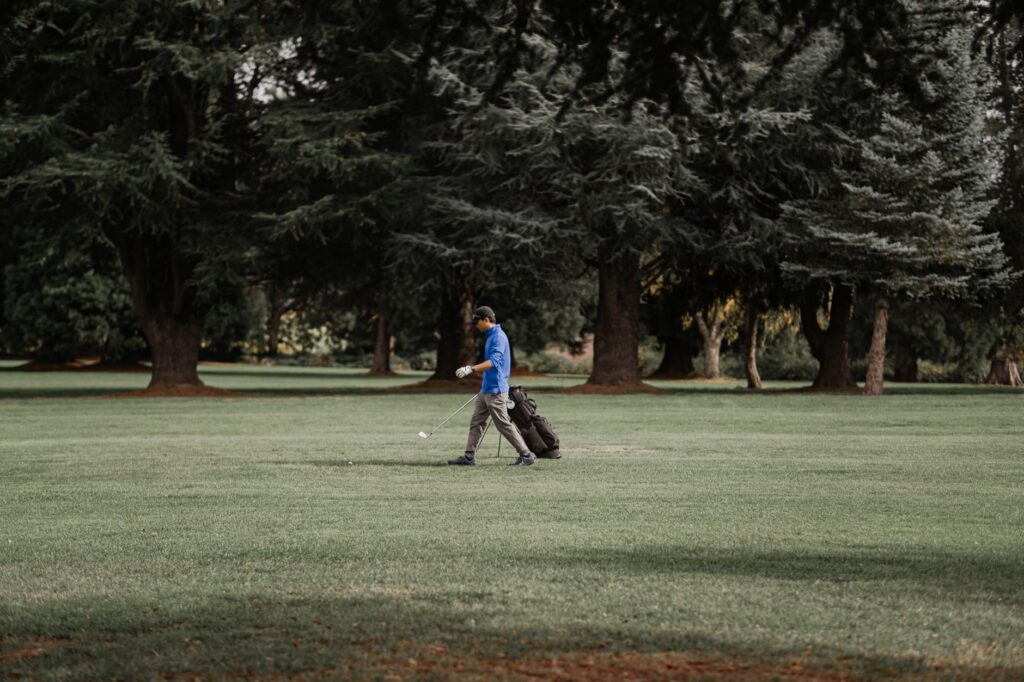
The best golf courses in Seattle range from challenging public layouts to exclusive private clubs, and the top tier includes Broadmoor Golf Club, Gold Mountain Golf Club, and Snoqualmie Golf Course, each offering something different from the others.
If you play golf and you’re heading to Seattle, you should clear at least one afternoon. The region sits in a pocket of the Pacific Northwest that gets overlooked by most traveling golfers. California gets the hype. Arizona gets the winter crowds. But Seattle and the surrounding areas have serious courses. The weather cooperates more often than people think. The courses are well maintained. And the green fees won’t destroy your budget like they do down south.
The trick is knowing where to go. Seattle itself doesn’t have the big-name tracks. You’ll be driving east or south, mostly. The payoff is worth the car time. Most of your competitors won’t bother. That means shorter waits and better rates.
Broadmoor Golf Club
Broadmoor sits just south of Seattle in the town of Seattle. It’s a private club, which means you need a member to get you in. That’s the bad news. The good news is that members are often willing to bring guests. If you have any connection to anyone in the area, ask around. The course itself is older, built in the early part of the 20th century. It’s the kind of place that feels like golf history. The layout is tight. Trees line almost every hole. The greens are fast and slope hard. You’re not going to shoot your best score here. The course doesn’t let you. But that’s exactly why it matters.
Playing Broadmoor tells you something about how the game developed in this region. The holes breathe. They have personality. You won’t find the flashy bunkering or the stadium green setups that became popular later. Instead, you get strategy. You get the feeling of golf from another era. The membership fee limits the daily traffic. Pace of play is solid. You’ll finish in four and a half hours, maybe less. That’s rare anywhere.
Getting access is the real barrier. If you can’t find a member connection, Broadmoor stays closed to you. Plan accordingly. Don’t count on walking in.
Gold Mountain Golf Club
Gold Mountain sits about 90 miles southwest of Seattle, near the town of Bremerton. It’s a public course, which means no membership required. The drive takes just over two hours, depending on traffic. The highway route is simple. You’ll cross the Puget Sound on a ferry or drive around it. Either way, plan for slowdowns.
What makes Gold Mountain worth the trip is the design. Pete Dye built it, and you feel his hand throughout. The course is aggressive. The rough is punishing. The greens are tilted and fast. Even the par-3s demand precision. This isn’t a place to go and have fun while playing badly. You need to bring something.
The setting is woodsy but open in the right spots. You get views across the sound on several holes. On a clear morning, that view matters. The air feels cleaner here. The smell of Douglas fir and salt water hits you on the drive in. It sticks with you while you play. That’s not cheap nostalgia. That’s the place doing its job.
The routing is interesting. Some holes feel like you’re playing through forest. Others open up and demand distance. The course stretches to over 7,000 yards from the back tees. Don’t go back there unless you’re confident. The forward tees at around 5,700 yards are legit playable for most golfers. Green fees run about $80 to $130, depending on the season. That’s fair pricing for a course of this quality.
Pace can drag here. The design is tricky enough that slower players struggle. Go early in the week if you can. Weekends fill up fast.
Also read: seattle to leavenworth drive
Snoqualmie Golf Course
Snoqualmie is about 30 miles east of Seattle. You can reach it in under an hour. The course sits near the famous Snoqualmie Falls, though you won’t see them from the fairways. The layout is more forgiving than Gold Mountain. That doesn’t mean it’s easy. It means it’s fair.
Tom Weiskopf designed this one. His style shows in the strategic bunkering and the green complexes. You have options on almost every hole. Play conservative and you’ll make bogey. Attack and you might card a birdie. That choice makes the round interesting. Most golfers prefer courses where they feel like they can succeed. Snoqualmie delivers that feeling.
The public access and reasonable green fees make this a smart option. You’re paying $70 to $110 depending on season and day of the week. The course plays a touch over 6,800 yards from the tips. Most of your tees will be 200 to 300 yards shorter. The course rewards placement over distance. That’s refreshing when so much modern golf demands you hit the ball 250 yards or bust.
The setting is pleasant but not dramatic. You’re in a valley. Deciduous trees frame the holes. In late summer, the course browns out a bit. Spring and early fall are the best times. The conditions are firm and fair. The pace is usually good. Saturday mornings fill up. Any other time, you’ll walk out without long waits.
Food at the clubhouse is basic but hot. The staff is friendly. It’s a no-nonsense golf experience. For most trips, that’s an easy call.
Druids Glen Golf Club
Druids Glen is south of Snoqualmie, about 45 minutes from downtown Seattle. It’s a semiprivate course, meaning the public can play but the membership gets priority tee times. That works in your favor. Off-peak times are often open. You won’t find the course listed in national rankings. That means it flies under the radar. You’ll get a quality round without the crowds.
The layout is modern but not trendy. Jeff Brauer designed it with respect for the land. Wetlands and native plantings frame the routing. The course is playable from multiple tee settings. The greens are generous. The rough is manageable. This is a course where a bogey is a honest result, not a failure. Golf should feel this way sometimes.
Rates run about $60 to $80. That’s the best value in the region for a full 18 holes. The maintenance is solid. The pace is quick. A foursome usually clears 18 holes in four hours and fifteen minutes. Weekday rounds are the best value. Book online. Walk-ins are welcome if there’s space.
The clubhouse has a good restaurant. The views from the patio look out over the course. You can eat and watch golfers finish their rounds. It’s the kind of thing that sounds nice and actually is.
Salish Cliffs Golf Club
Salish Cliffs sits on tribal land near the Snoqualmie Casino, about 35 minutes east of Seattle. It’s a newer course by regional standards, built in the last 20 years. Bill Coore and Ben Crenshaw designed it. The result is a layout that feels both modern and timeless. The bunkering is strategic. The routing follows the natural contours. You’re not fighting the land. You’re working with it.
The course is private, but the public can play. Green fees are around $110 to $150. That’s on the higher end. The quality justifies it. The turf is pristine. The service is professional. The routing is fun.
What separates Salish Cliffs from other good courses in the region is the pacing and the setup. The course is playable for most golfers but demands respect. The par-4s are honest. The par-5s offer birdie chances. The short par-3s are the hardest holes on the card. That’s smart design.
When you’re deciding between options, Salish Cliffs makes sense if you want the most polished experience and you’re willing to pay for it. Skip it if budget is tight or if you prefer walking in off the street without much planning.
Also read: unique places to stay in seattle cool hotels
Green Lake Golf Course
Green Lake is in Seattle proper. It’s a nine-hole municipal course in a neighborhood park. The length is short, around 3,100 yards from the longest tees. It’s not a warm-up. It’s a real course, just compressed. The greens are tricky. The layout is clever. Municipal courses get overlooked as casual play. Green Lake proves that a short course can be good.
What Green Lake offers is access and speed. You can play 18 holes in two and a half hours. You can book a time online. Green fees are about $30 to $40. The clientele is local. The vibe is low-key. If you’ve got an afternoon free and you don’t want to drive far, this fills the slot well. The course teaches you something about shot-making. Distance isn’t a factor. Placement is everything.
The area around the course is nice. The lake itself is popular with joggers and walkers. After your round, you can grab coffee nearby. It’s a real Seattle neighborhood experience, not a golf resort experience.
Choosing Your Course
Most people who visit Seattle for golf should book either Gold Mountain or Snoqualmie. Both are public. Both are accessible. Both deliver quality play. Gold Mountain is tougher. Snoqualmie is friendlier. Pick based on your skill level and how much pain you want. If you have member connections and can access Broadmoor, do it. Private courses often play faster and feel better. If you’re short on time or budget, Green Lake works. If you want the highest-end experience and you don’t mind paying, Salish Cliffs is your target. Druids Glen sits in the middle on value and quality.
Plan your trip around the weather. May through September is your window. Rainfall is real the rest of the year. September is often the best month. The crowds have thinned. The courses are firm. The weather is mild. Book your rounds a few weeks ahead during peak season. Weekday rates are 10 to 20 percent cheaper than weekends. If you can play Monday through Thursday, do it.
Bring layers. The temperature can swing 20 degrees between morning and afternoon. Rain jackets pack down small. The sun comes out regularly, even when clouds dominate. Expect wet grass in the mornings. Most courses cut early anyway. By mid-morning, the fairways are dry enough.
The golf in Seattle won’t become your favorite story. The food and the views and the coffee culture will. But the courses are good enough to matter. You’ll play one or two clean rounds. You’ll face a design that respects the player. You’ll finish without feeling like you wasted your time. That’s enough.
Reference: Golf