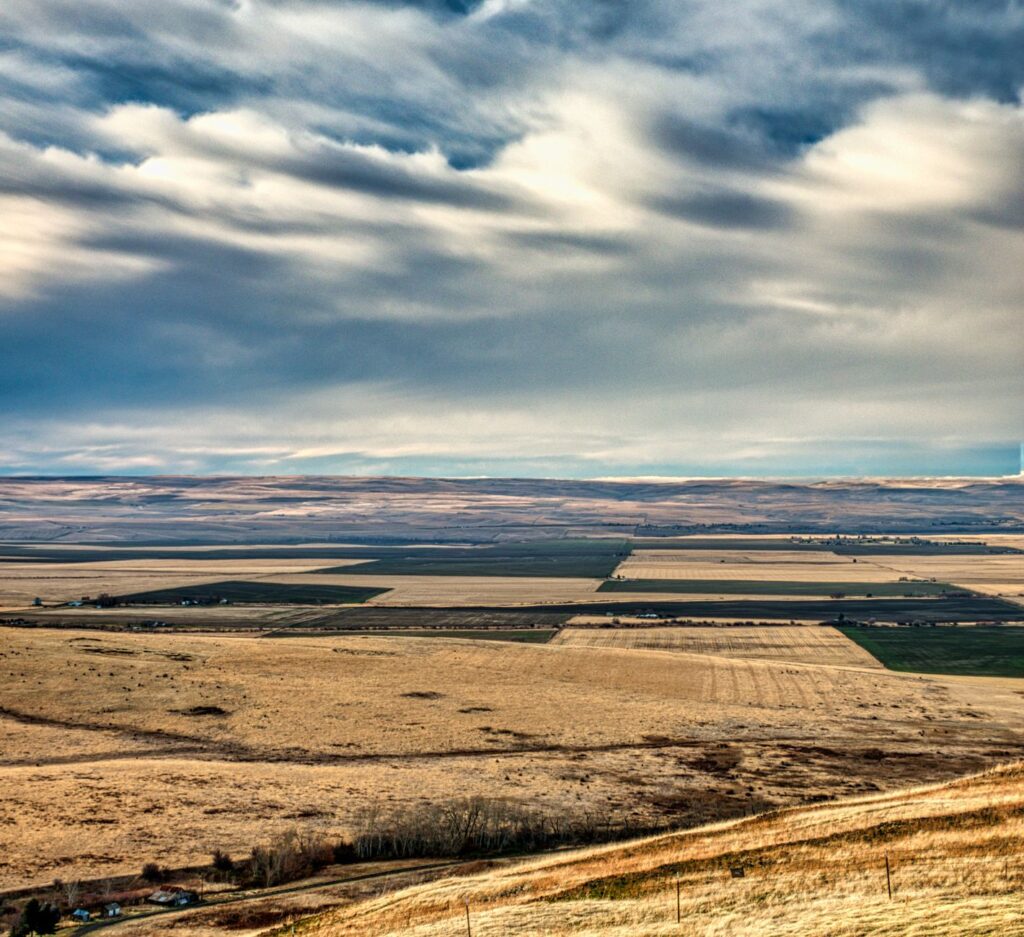
Walla Walla is about 250 miles southeast of Seattle. The drive takes roughly four to four and a half hours depending on your route and traffic. It’s not a quick weekend jaunt, but it’s far enough to feel like a real trip without requiring an overnight flight or a full day on the road.
I mention the distance first because it matters. Four hours is that awkward zone. It’s too long to do casually after work. It’s short enough that you might think you can make it work with a day trip. You can’t, not really. If you leave Seattle at 8am and want to spend meaningful time in Walla Walla, you’re looking at getting back to the city around 10pm. That’s a brutal day. Most people who do this trip stay overnight, and that changes everything about how you experience the place.
The Two Main Routes
The most straightforward way to cover how far Walla Walla is from Seattle is to talk about the actual roads. You have two realistic options, and each has different driving dynamics.
The first route runs south on Interstate 90. You take I-90 east from Seattle toward Spokane. After about 80 miles, you’ll hit Snoqualmie Pass. The pass itself isn’t a problem unless there’s snow or ice, which happens. Once you clear the pass, the drive flattens out. You keep on I-90 past Spokane, then pick up Route 195 south. From there, you swing east toward Walla Walla. This is the faster route on paper. The downside is that it’s all freeway driving through somewhat monotonous terrain once you’re over the pass.
The second route heads southeast via US-2 and then cuts down through central Washington. This path is slightly longer in miles. It also takes about the same amount of time or sometimes longer. The real appeal is that the scenery changes more. You avoid the pass traffic issues that plague I-90 in winter. You move through actual farmland rather than dense forest and highway infrastructure. If you’re not in a rush and you like seeing the landscape change, this works. But for most trips, I-90 is simpler.
Whichever route you pick, the distance stays roughly the same. The time varies maybe 20 or 30 minutes depending on stops and traffic. In winter, add at least 30 minutes to an hour on the pass route. In summer, the drive is consistent.
Also read: drive from seattle to portland oregon
What Actually Happens During Those Four Hours
Time in a car is not the same as time on a clock. Four hours on I-90 feels different than four hours on a back road. Most of it is genuinely dull. The drive from Seattle to Ellensburg is pleasant enough. The land is green. Mountains are visible. But from Ellensburg to Spokane, the scenery flattens. You’re in wheat country, but from a freeway, wheat looks like wheat. There’s not much narrative to it.
Stop in Snoqualmie if you need a break. The waterfall is striking, and it takes about 15 minutes to see it. Coffee shops line the small downtown. This is a sensible place to stretch your legs and grab food before you push east.
After Spokane, the landscape changes again. The terrain becomes drier and more open. The sky gets bigger. This is where the drive starts to feel less like a commute and more like travel. It’s also where you’re getting close. Walla Walla announces itself through geography. The valley is surrounded by hills. It’s distinct from the flat expanses you’ve been driving through.
Time of Day Matters More Than You’d Think
Leaving Seattle at rush hour adds real time to your trip. If you depart around 4pm on a weekday, expect to sit in traffic around the city for at least 45 minutes to an hour. I-90 east out of Seattle is one of the worse stretches in Washington state. The backup doesn’t clear until you pass Issaquah, which means you’re probably 30 or 40 minutes into your trip before traffic actually lets you move at highway speed.
Compare this to leaving at 9am on a Saturday. The freeway is clear. You can make decent time. You might shave 30 to 45 minutes off your overall trip.
The pass itself has its own timing logic. In winter, closures are rare but possible. Check the Washington State Department of Transportation website before you leave. A closure means a two to three hour detour south through snowy mountain roads. This is not something you want to discover while you’re already committed to the drive. Conditions can change fast once you climb above 3,000 feet.
Summer traffic over the pass is usually light. The real backup happens on Sunday afternoons when Seattle area visitors head home. If you’re returning to Seattle on a Sunday, expect that route to be slow from about 3pm onward.
Season Changes the Drive Entirely
Winter driving over Snoqualmie Pass is manageable but requires attention. Snow tires are not legally required unless the roads are officially declared chain control areas. Still, they’re a good idea. All-season tires work if you’re careful. If there’s active snowfall, just accept that your four hour trip becomes five hours.
Spring and fall are straightforward. The roads are clear, the weather is predictable, and you have good visibility.
Summer heat isn’t usually a factor on the drive itself. The highway is fine. The problem is more that early July brings family vacation traffic to I-90. Expect more cars, more slowdowns, and more stops at rest areas. The drive itself doesn’t fundamentally change, but your pace does.
Also read: how far is seattle from los angeles
Fuel and Costs
You’ll need a tank of gas to get from Seattle to Walla Walla. The distance is short enough that you’re probably using less than a quarter of your tank depending on your vehicle. But leaving with a full tank is the smart move because gas in small towns along I-90 can be pricier than Seattle or Walla Walla itself.
Tolls are minimal on this route. There’s a $1.75 toll each way on the Snoqualmie Pass if you have a transponder. Cash payment costs $2.75. It’s not a major cost, but it’s worth budgeting if you’re not sure whether you have a transponder.
Making the Most of Four Hours
Here’s what matters: the drive time is long enough that you need a reason to make it. You’re not driving to Walla Walla and back the same day for casual tourism. The wine country is the real draw. Walla Walla has over 120 wineries within a short radius. That’s what justifies the trip. Spend a night there. Do a wine tour or visit a few tasting rooms. Eat well. Then drive back the next day.
Without the wine focus, the trip feels grudging. You spend four hours driving to spend three hours in a small town before you drive four hours back. The math doesn’t work. But if wine is your thing, the distance becomes irrelevant. You’re not thinking about the drive anymore. You’re thinking about what bottle you want to open for dinner.
Alternatively, combine Walla Walla with Spokane or the Palouse region. Route your trip so the drive becomes part of a larger loop. This takes the pressure off the individual legs.
Also read: how far is walla walla from seattle
The Return Trip
The drive back to Seattle from Walla Walla feels longer than the drive there. This is a documented phenomenon. The return trip uses familiar roads, so your brain is less engaged. Novelty makes distance feel shorter. The scenery you found interesting on the way there is now backdrop. You already know how flat the wheat country looks.
Leave Walla Walla early if you can. 7am is much better than 9am. You’ll avoid afternoon traffic, and you’ll arrive in Seattle while you still have daylight. Driving into a sunset on the pass is not pleasant.
The Bottom Line
Walla Walla is far enough from Seattle that the trip requires planning. It’s close enough that you can do it comfortably in a long weekend. The four hour drive is real, but it’s not a barrier if you have a reason to make the trip. For wine, for food, for a break from the city, it’s worth the time behind the wheel. Just don’t expect to show up and dash around in an afternoon.
Reference: Walla Walla, Washington