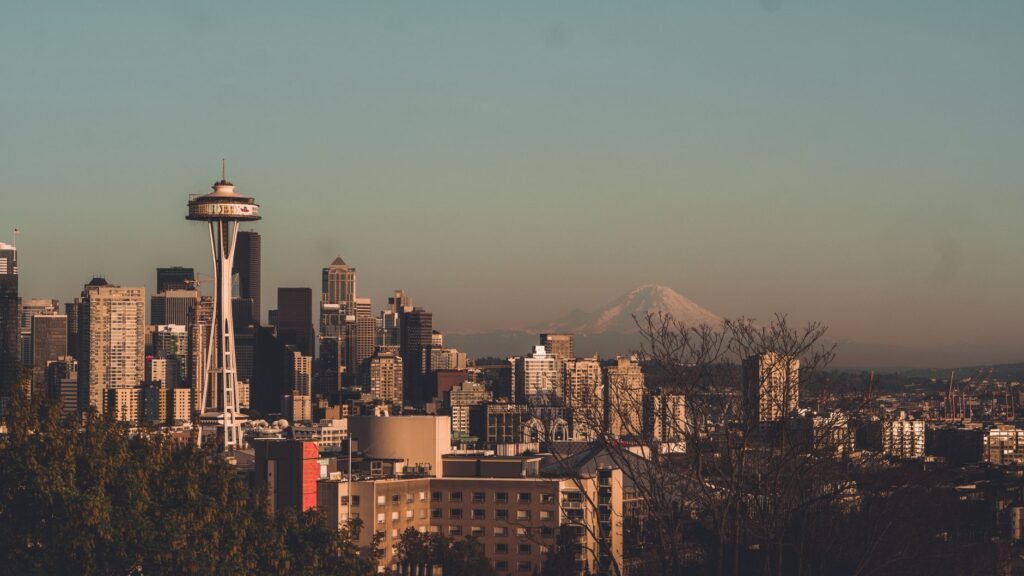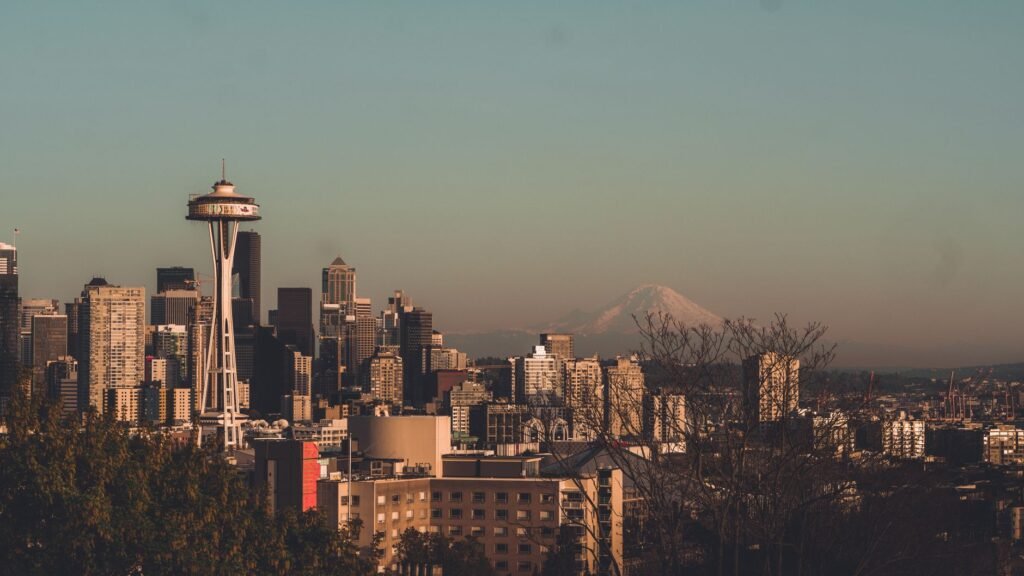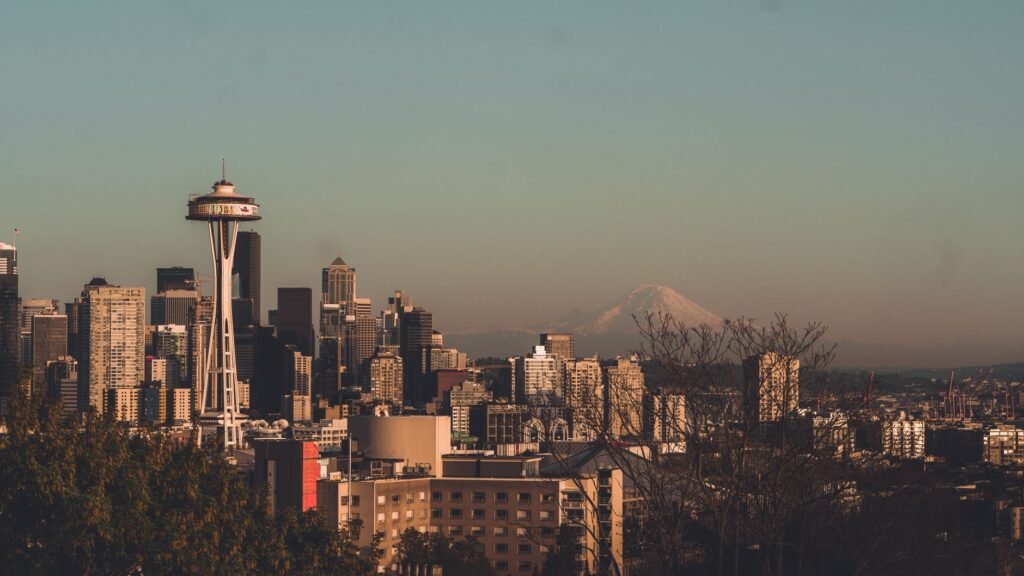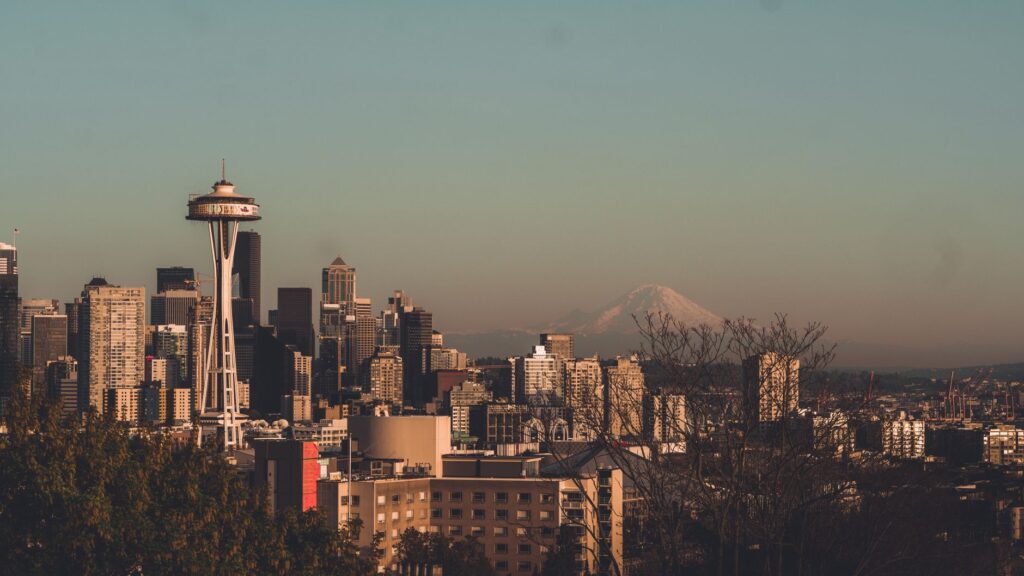
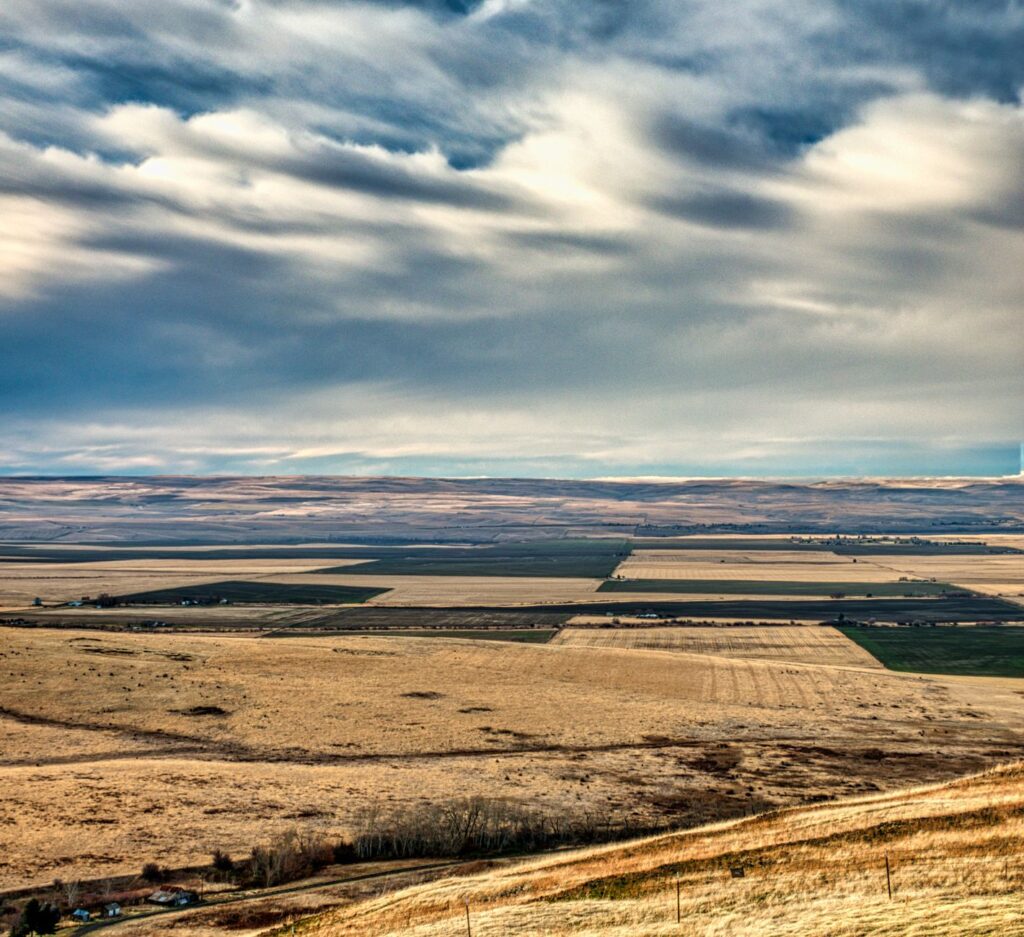
Walla Walla is about 260 miles from Seattle, a drive that takes roughly four and a half hours without stops. That distance puts it firmly in road trip territory. You cannot fly there easily. It’s too far to do casually, but close enough that the trip makes real sense for a weekend escape or a longer weekend getaway.
Most people underestimate this drive. They look at the map, see the distance, and think they can do it in under four hours. The road does not work that way. I-90 east out of Seattle climbs steadily. Weather changes fast once you leave the city limits. In winter, that distance stretches to five or six hours if snow hits the passes. Summer runs smoother, but traffic backing up at the I-90 and I-405 interchange near Bellevue can add thirty minutes to your departure alone.
The Basic Route and Drive Time
The drive from Seattle to Walla Walla follows I-90 east all the way. You pass through Snoqualmie, then Ellensburg, then head south on I-82 near the Tri-Cities area. The last stretch drops you into Walla Walla itself. Simple in theory. The execution matters more.
Route options are limited. I-90 is the only sensible choice for this distance. You could take US-2 north through the Cascades, but that adds hours and serves no purpose. Stick with the interstate.
Why does the drive take so long? Seattle sits in a valley surrounded by mountains on two sides. Getting east means climbing. The Cascades create the main slowdown. Between Seattle and Ellensburg, you gain about 2,000 feet in elevation. In winter, that section closes or crawls whenever snow falls. Even in good weather, trucks slow traffic on the uphills.
Once you crest Snoqualmie Pass and drop into central Washington, the landscape flattens. That final stretch from Ellensburg to Walla Walla runs faster. You might make good time there. But the total trip rarely beats four hours and twenty minutes in good conditions.
Time of Day and Season Matter
Leave Seattle before 6 a.m. and you dodge the morning commute that clogs I-405. That single choice saves you thirty to forty minutes. Seriously. The backup near Bellevue is real and predictable. Early birds drive straight through without pause.
Summer travel is straightforward. Conditions are clear. The only variable is weekend traffic heading toward the mountains for hiking. If you go Friday afternoon, expect delays. If you go Friday morning or Saturday morning, you move fast.
Spring and fall bring unpredictable weather. I-90 can switch from dry to snowy in minutes as you climb. I have sat in traffic for three hours waiting for a jackknifed semi in April. Chains are required equipment. Many people miss that requirement and get stuck at weigh stations.
Winter is slow, sometimes closed. Washington closes I-90 over the passes when conditions warrant it. That happens maybe five to ten times each winter, lasting hours or days. Check the pass report before you leave in November through March. If you see “severe weather,” wait. The three-hour delay is not worth the risk.
Breaking Up the Drive
Four and a half hours is manageable without stopping if you start rested. Most people, though, should plan one real break. Ellensburg sits about halfway. The drive to Ellensburg takes about two hours. Then another two hours to Walla Walla.
Ellensburg offers gas, food, and a bathroom break. Nothing remarkable. The town sits on the dry side of the Cascades, where the landscape shifts from green to brown. A quick twenty-minute stop there resets you for the second half.
Some travelers break the drive further. Snoqualmie has food and gas, but it adds time without much purpose. If you have kids or find the drive tiring, a stop there makes sense. Otherwise, push through to Ellensburg.
The stretch from Ellensburg to Walla Walla is faster and easier. You drop elevation. Traffic loosens. The drive feels shorter because the landscape opens up. You see the Blue Mountains rising ahead as you approach Walla Walla. That view signals you are close.
Route Decisions and Cost
Gas costs about thirty-five to forty dollars each way in a normal sedan. That is straightforward. Tolls do not apply on I-90 through Washington. No surprises there.
Some people ask about alternate routes. Could you go through Oregon? Technically yes. It adds at least two hours and serves no purpose. I-90 is the shortest, fastest, and simplest way. Take it.
The drive is solo-friendly. You can do it alone without issue. You might want company for the sake of conversation and splitting driving duties. That makes sense on longer trips or if you plan to return the same day.
What you pack matters less than you might think. A water bottle and snacks are smart. The radio or podcasts keep the time moving. Bring sunglasses. The high desert sun reflects off the road and tires you faster than you realize.
When to Make the Trip
Walla Walla is worth the drive. The town has a real wine scene, good food, and walkable streets. The valley around it offers outdoor space and quiet. But distance shapes whether it makes sense for your schedule.
A weekend trip works. You leave Seattle Friday evening, arrive around 10 p.m. or later. That is not ideal. Friday morning is better if you can swing it. Then you have all Friday afternoon and evening, all Saturday, and Sunday morning before the drive back. That gives you a real weekend.
A single day trip is possible but exhausting. You drive four and a half hours, spend four or five hours in town, and drive back. That is nine to ten hours of driving for five hours on the ground. Not recommended unless something specific pulls you there.
A longer weekend, three days or more, lets you relax and actually enjoy the place. The wine tasting and restaurants deserve time. The hiking nearby, especially in the Blue Mountains, needs a full day. Plan at least two nights if you can.
Road Conditions and Practical Tips
Weather determines everything on this drive. Clear roads in summer mean four hours twenty minutes. Rain in fall might mean four hours forty-five minutes. Snow in winter means five hours or more, or the road closes entirely.
Check the Washington State Department of Transportation website before you leave. They post pass reports showing current conditions. They note if chains are required. They tell you if the road is closed. Ignore the report at your peril.
Winter driving means you need either chains or a four-wheel-drive vehicle with good winter tires. Chains are required equipment over Snoqualmie Pass from November through March. Many people carry them but do not know how to use them. Practice at home first. Weigh stations check. Fines for non-compliance are real.
Gas stations exist along the route. Do not let your tank drop below half full before you cross the pass. A breakdown on I-90 in winter is serious. Cell service is spotty at elevation. Plan ahead.
Truck traffic is heavy. Stay right except to pass. Do not tailgate. The trucks are not trying to annoy you. They are doing their job on tight schedules.
Why Make the Trip at All
The distance is real, but the reward is there. Walla Walla offers a quieter pace than Seattle. The wine region is genuine, not some marketing angle. The downtown has character. The surrounding valley gives you space and views.
This is not a day trip unless you have a specific reason. It is not a casual jaunt. It is a deliberate choice. But for a weekend getaway, especially in spring or fall, the drive is reasonable and the destination is solid. You leave the Puget Sound sprawl behind. You cross the mountains. You enter a different world. That shift, crossing the Cascades and arriving somewhere genuinely different, is worth four and a half hours in a car.