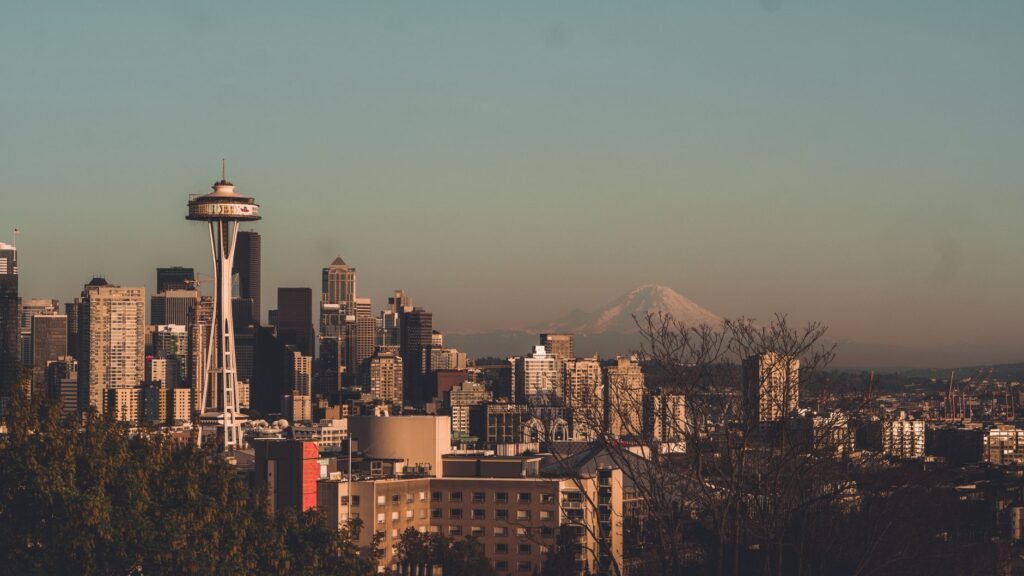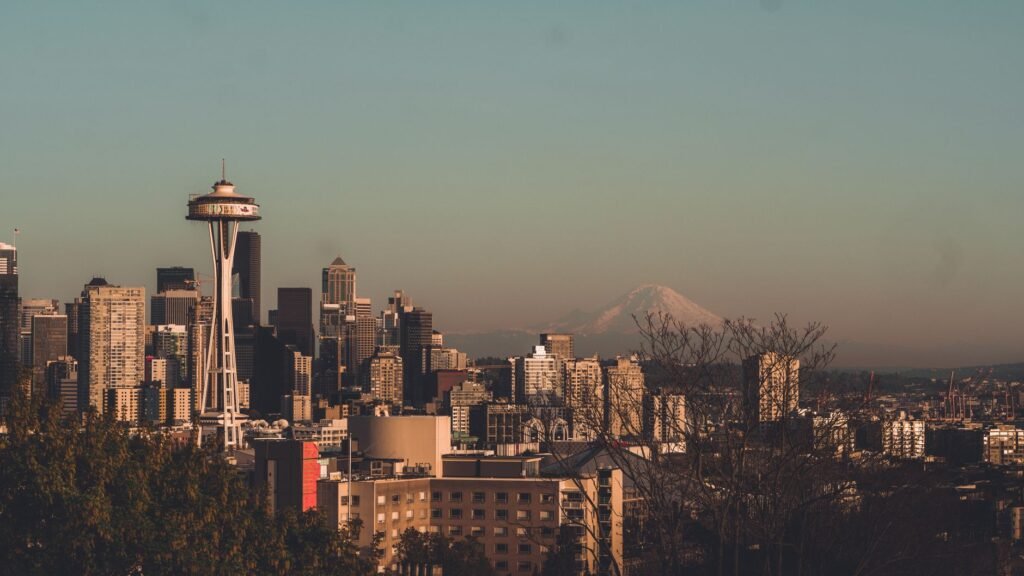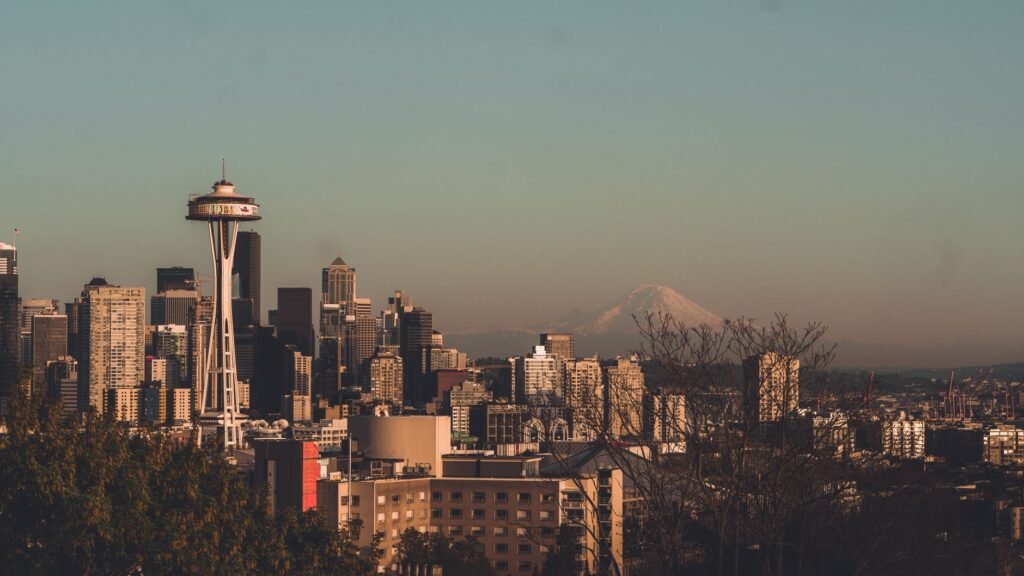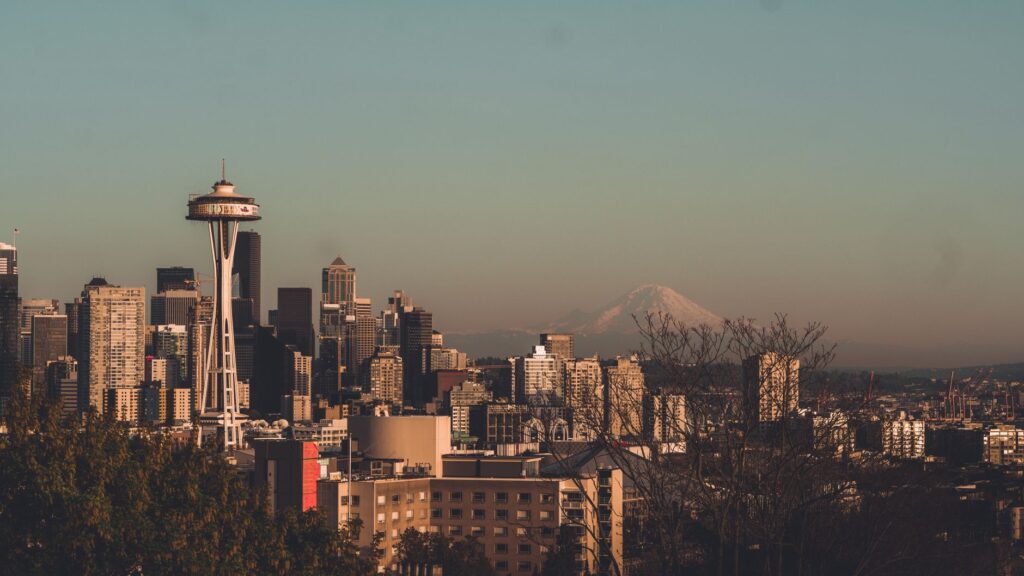
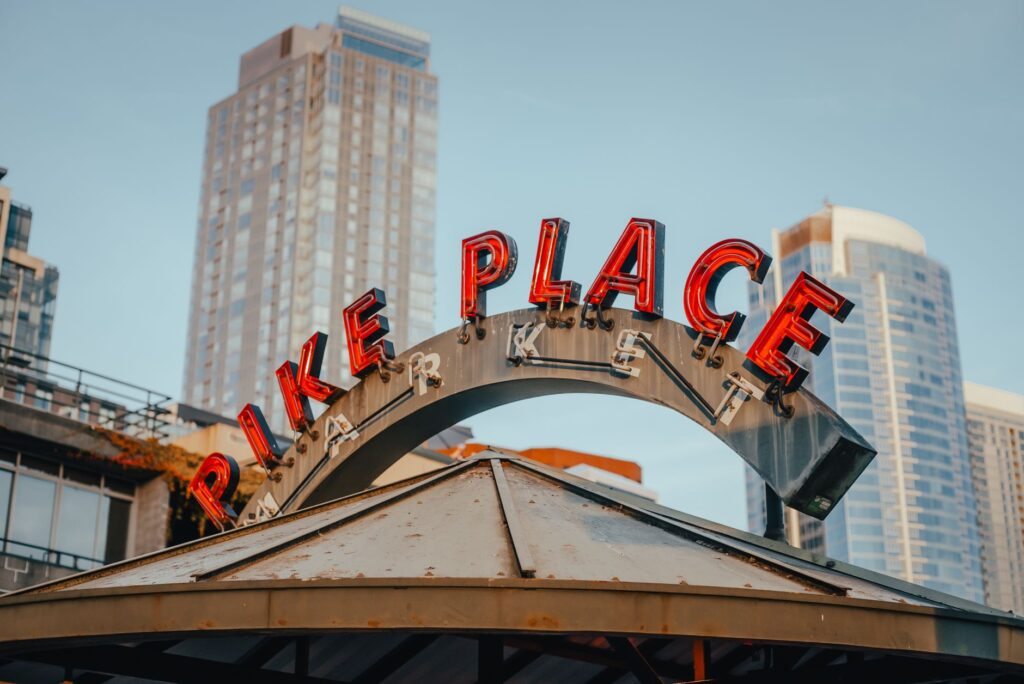
The best things to do near Pike Place Market span from the waterfront south of the market all the way to Capitol Hill, with most worth visiting on foot or a quick bus ride. Pike Place itself is packed with tourists year-round, but the real value sits in what surrounds it. You can spend three solid days in this neighborhood without feeling rushed or doubling back on yourself.
The Market itself, plus what’s directly attached
Pike Place Market is genuinely worth a visit, though not for the reasons most people think. The flower stalls are photogenic. The fish throwers are real. But what actually matters is the raw food culture on the lower levels. Go early, before 9am if you can. The smell of fish and coffee hits differently when the market is half-awake. You dodge the crowds that way too.
The main floor feels like a fair. Crafts, produce, ready-to-eat items. Skip most of it. Head downstairs. Here is where farmers and fishmongers actually work. You can buy a whole Dungeness crab for under $20 and have them crack it on the spot. The nooks down there feel like an older Seattle. Tourists rarely venture past the main level, which is the whole point.
Rachel the bronze pig sits near the main entrance. Give her a coin if you want. But honestly, skip the photo op. The real draw is eating at one of the counter spots overlooking the Sound. Piroshky Piroshky sells Russian fried pastries. Ivar’s serves fish and chips at picnic tables with a view. These places have lines in summer, but they move fast.
Seattle Aquarium and the waterfront
The aquarium sits right below the market at Pier 59. This is not a hidden stop. It is a straightforward tourist attraction. And it delivers what it promises. The giant Pacific octopus tanks alone justify the $35 entry fee. Kids love it. Adults who thought they were done with aquariums find themselves surprisingly absorbed.
The waterfront itself stretches north and south for miles. Most of it is developed now. The old working piers are mostly gone. What remains is good walking, especially on a clear day. Head north past the aquarium toward the ferry docks. The view east opens up to the Cascades on the right kind of afternoon. That view costs nothing.
The ferry rides themselves are underrated as tourist activity. Catch the ferry to Bainbridge Island. The 35-minute ride costs about $9 and gives you actual geography. You see shipping lanes, fishing boats, and the kind of light that makes you understand why people settled here. Get off at Bainbridge and walk the town for an hour. Or don’t. Just ride back.
Underground Seattle
Smith Tower sits a few blocks south and inland from the market. It was the tallest building on the West Coast when it opened in 1914. Today it is mostly offices, but the observation deck is open to visitors. The view from up there is solid. You see down to the stadiums and south to the Cascades. It costs about $15.
What draws people here is the underground tour. Seattle burned almost entirely in 1889. The city rebuilt on top of the old one, literally. Walk the tunnels and old storefronts buried one floor below today’s streets. The tour takes about 90 minutes. It is genuinely interesting history, not just a gimmick. The guide explains why the rebuild happened and how it shaped the city.
The tours run in small groups. They fill up in summer. Book ahead if you visit June through September. Winter tours have no crowds at all. The temperature underground stays stable year-round, around 50 degrees Fahrenheit. Bring a light jacket even in summer.
Capitol Hill neighborhood
Capitol Hill is a 15-minute walk east of the market, or a bus ride if the weather is bad. This neighborhood has a very different feel from downtown. It is younger, louder, and full of actual residents rather than tourists. The main commercial street is Broadway, which runs north-south through the center.
Broadway is wall-to-wall coffee shops, used bookstores, and vintage clothing. This is where you come if you want something to actually do rather than photograph. The Wall of Gum on Post Alley has become famous online. It is exactly what it sounds like: people chew gum and stick it on a brick wall. It is also revolting and oddly compelling. Free to see, revolting to touch.
Two good bookstores sit on Broadway. Elliott Bay Book Company takes up an entire building. The used section is massive and well-organized. Librarians actually organized it. You can wander for an hour and find things you did not know existed. Spend time here. Grab coffee downstairs and sit for a while. This is how Seattle feels when you are not looking at water.
The neighborhood also holds decent bars and restaurants mixed in with the shops. Oddfellows Cafe is a local favorite. The pastries are actually good. The coffee is better. Sound like a lot of fuss for a coffee shop? It matters because this is where the neighborhood actually gathers. You sit at the bar and see regular people doing regular Seattle things.
Also read: best hikes near seattle
Things to do near Pike Place Market in other directions
South of the market toward Pioneer Square, the neighborhood gets older and more preserved. The brick buildings date back to the rebuilding. The streets are quieter. This is where you go to feel the actual history rather than read about it in a tour guide.
Occidental Park sits in Pioneer Square proper. It is a small plaza with trees and benches. Locals come here to sit. The Fallen Firefighters Memorial is here too. It is a solemn piece that most visitors miss. Spend 10 minutes here. It resets what the neighborhood is actually about.
The stadiums sit southwest of Pike Place. Lumen Field hosts the Seahawks. T-Mobile Park is next to it for baseball. The stadiums are worth seeing from outside even if you do not catch a game. They are striking pieces of architecture. Walk past them on a clear evening and you understand why people stay here.
West Seattle is a neighborhood unto itself. The neighborhood is across a drawbridge from downtown. It has its own vibe. Alki Beach offers the only real beach culture in the city. It is not warm. The water is never warm. But you can rent a bike, ride the seawall, and sit with a view back to downtown. The ride takes about an hour. It is enough to feel like you got out of the city without actually leaving.
Where to stay and how to move around
The market itself is walkable if you stay within six blocks in any direction. Most hotels within this zone run $150 to $250 per night for a basic room. That is not cheap. But you save money by not driving or taking rideshare constantly.
The Seattle Center sits a mile north. It is home to the Space Needle and the Museum of Pop Culture. Getting there is a short monorail ride from downtown. The monorail takes one minute and costs about $3. Or walk if the weather is clear. Most days in summer are clear. The Space Needle costs $30 to visit. The view is good but not essential. The Museum of Pop Culture is actually worth your time if you care about music or design.
Public transit works better here than most cities. Buses come every 10 to 15 minutes on main routes. A day pass costs about $5. Buy it at any light rail station or on the bus. This opens up neighborhoods further east or north without the hassle of parking.
Parking downtown is expensive and annoying. A lot runs $15 to $20 per day. Street parking requires quarters and moves every two hours. Skip it. Use the bus or walk. You see more and spend less.
Also read: unique places to stay in seattle cool hotels
When to come and what to expect
Pike Place Market gets overwhelming June through September. The sidewalks fill completely. Restaurants have waits even for breakfast. August is worst. If you can visit April, May, or September, do that instead. The weather is almost identical. The crowds are half the size.
Winter is wet and gray. Rainy days are common. The rain is rarely hard. It is more of a mist. Bring a light rain jacket. Crowds vanish. Most visitor spots are virtually empty. This is when the city actually feels like a city rather than a theme park.
Bring comfortable shoes. You will walk at least five miles per day whether you plan to or not. The hills are real. Capitol Hill is genuinely steep. Downtown is less so. But both areas mean miles on foot.
The Sound makes the weather better or worse depending on wind. North winds bring clear skies and cold. South winds bring moisture and gray. Neither is bad. Both are just Seattle. Expect to change plans once based on weather. That is normal here.
Two solid days gets you through the main attractions without rushing. Three days gives you time to sit in cafes and actually feel the neighborhood rather than collecting a checklist. Four days means you can skip the major tourist spots entirely and just live here for a while. That is when most people fall in love with it.
Reference: Pike Place Market