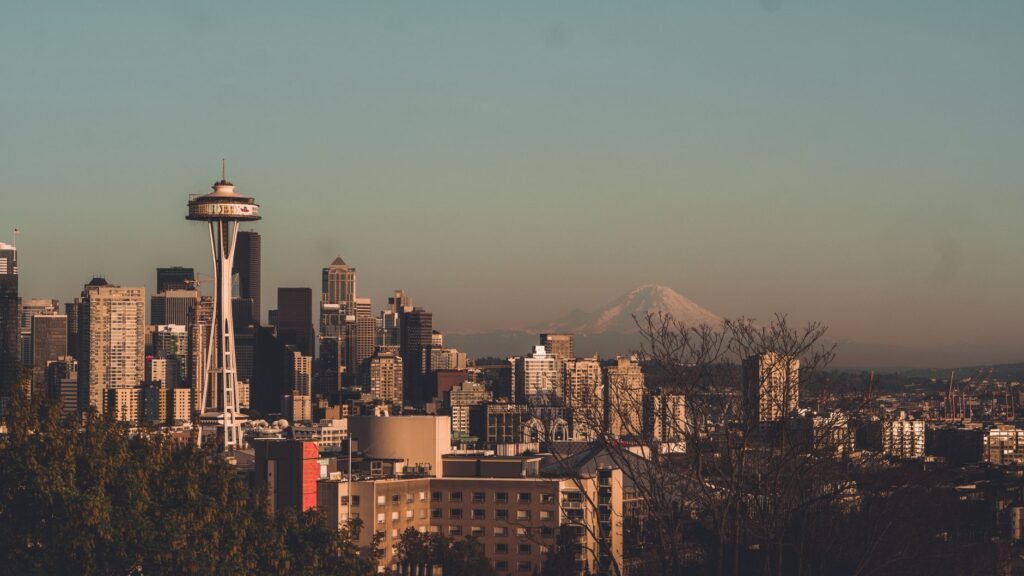

The Seattle to Vegas drive spans about 1,120 miles and takes 17 to 19 hours of direct wheel time depending on your route. Driving this distance requires solid planning. You cannot just hop in the car and hope for the best. The terrain changes from damp evergreen forests to dry desert basins within a single day.
How much time do you actually have for this trip? If you rush, you can make the drive in two long days. Three days is much better for a relaxed pace. A four day trip allows you to stop and see the sights.
Most people choose between two primary routes for this drive. Both have their own challenges and rewards. Here is what you need to know before you start your engine.
The Direct Route Via Interstate 84 and US 95
The fastest seattle to vegas drive goes southeast through Oregon and Idaho. You will start on Interstate 90 East out of Seattle. This highway takes you right over the Cascade Mountains. Keep an eye on your gas gauge early on.
After crossing the mountains, you will transition to Interstate 82 South near Ellensburg. The damp air of western Washington disappears quickly here. Suddenly, you are in the dry agricultural heart of the state. The road then joins Interstate 84 East along the Oregon border.
This section follows the massive Columbia River. The wind here can shake a small car. Watch your steering wheel when passing large trucks. You will follow the river before turning south into Idaho.
Boisie is the perfect place to stop for your first night. The city has a great downtown area with plenty of food. It also has many clean hotels near the highway. You will want to rest well here.
The next leg of the drive from Las Vegas to Seattle is the most remote. You will leave the interstate behind in western Idaho. US Route 95 South takes you into Oregon and then Nevada. Cell service drops to nothing for long stretches.
Do you have enough water in your car? Always carry extra bottles in these dry regions. Fill your gas tank whenever you see a station. Do not wait until your low fuel light turns on.
- Leave Seattle early in the morning on Interstate 90 East.
- Connect to Interstate 82 South toward Yakima.
- Merge onto Interstate 84 East along the Columbia River.
- Stop for the night in Boise, Idaho.
- Take US Route 95 South through eastern Oregon into Nevada.
- Follow US 95 South directly into the north side of Las Vegas.
This route is simple but requires high concentration. The two lane highways in Nevada can feel endless. You will see miles of sagebrush and distant mountains. It is a lonely landscape but it has a quiet charm.
The Scenic Route Via Utah and the National Parks
If you prefer dramatic red rocks, choose the eastern route instead. This option adds about two hours to your total drive las vegas to seattle. It is well worth the extra time. You will travel through Salt Lake City and down Interstate 15.
Start by taking Interstate 90 East across Washington and into Idaho. You will then drive through the narrow Idaho panhandle. This road leads you into western Montana. The mountain views here are spectacular.
Turn south on Interstate 15 in Montana. This highway runs all the way to Las Vegas. It passes through the entire state of Utah. Utah is home to some of the best scenery in the country.
The transition from green mountains to red rock canyons is amazing. You will see the earth change color in real time. The smell of pine trees gives way to dry dust and baked stone.
This route offers easy access to several famous national parks. Zion and Bryce Canyon are just a short detour from the interstate. You can easily add them to your trip.
- Pack sturdy hiking shoes for the red dirt trails.
- Bring a high quality camera with a polarizing filter.
- Purchase a national parks pass to save on entrance fees.
- Keep a cooler with cold drinks in the back seat.
The roads on this route are generally wider and busier than US 95. You will find more services, restaurants, and hotels. It feels less lonely but has more traffic.
Best Time of Year for the Seattle to Las Vegas Drive
Winter driving on this route can be downright dangerous. The mountain passes in Washington and Oregon get heavy snow. Ice is a major hazard on the high plateaus of Idaho and Nevada.
Summer brings a different set of problems. Temperatures in the Nevada desert regularly exceed 100 degrees. Your car engine will work much harder in this heat. Air conditioning is a necessity, not a luxury.
Late spring and early autumn are the best times for this trip. May and September offer mild weather across the entire route. You will avoid both snowstorms and extreme desert heat.
Keep in mind that mountain passes can get snow as late as June. Always check the weather forecast before you leave. State transport websites offer live road camera feeds. Use them to check road conditions in real time.
If you must travel in winter, carry snow chains. Some mountain passes require them by law during storms. Knowing how to install them before you leave is critical. Practice in your driveway where it is warm.
Essential Stops Along the Way
Do not make this drive without stopping to stretch your legs. Driving for six hours straight is bad for your body and your mind. There are several great spots to take a break.
The Columbia River Gorge is a fantastic first stop. You can see massive wind turbines spinning on the grassy hills. The basalt cliffs rise straight up from the water.
In Idaho, stop at Shoshone Falls near Twin Falls. People call this waterfall the Niagara of the West. It is actually taller than Niagara Falls. The park has great picnic areas.
- Multnomah Falls in Oregon for a quick forest walk.
- Shoshone Falls in Idaho for dramatic canyon views.
- Cathedral Gorge State Park in Nevada for strange clay formations.
- Valley of Fire State Park just north of Las Vegas.
These stops help break up the monotony of the highway. They also give your car a chance to cool down. A hot hood needs a break just like your legs.
Cathedral Gorge is a in eastern Nevada. The water has carved deep slots into the soft clay. You can walk through narrow passages that feel like a maze. It is a cool, shady break from the desert sun.
Preparing Your Vehicle for the Journey
A breakdown in the remote desert is more than annoying. It can be dangerous. You must prepare your vehicle before starting your vegas to seattle drive.
Check your tire pressure when the tires are cold. High heat makes tire pressure rise. Worn tires are prone to blowouts on hot desert asphalt. Replace them if the tread is low.
Your cooling system is the most important part of your car on this trip. Have a mechanic check your coolant level and hoses. A cracked hose will leave you stranded in the middle of nowhere.
Are your windshield wipers in good shape? You might face a sudden summer thunderstorm in Utah. These storms dump massive amounts of water in minutes. Good wipers are essential for visibility.
- Check the date on your car battery.
- Inspect all fluid levels including oil and brake fluid.
- Test your headlights, taillights, and turn signals.
- Verify that your spare tire has air in it.
- Clean the inside of your windshield to reduce night glare.
Pack a physical road atlas in your glove box. GPS is great until your phone loses its signal. A paper map does not need cell towers to work. It has saved many drivers from getting lost.
Road Safety and Desert Driving Tips
Driving in the desert requires a specific set of rules. The vast open spaces can trick your brain. Speed limits are high, often 75 or 80 miles per hour.
Watch out for wildlife on the road. Deer and elk are common in the northern sections. In the south, open range cattle can wander onto the highway. Hitting a cow will destroy your vehicle.
Be careful when driving at dusk and dawn. This is when animals are most active. Keep your high beams on when there is no oncoming traffic.
Dust storms are another hazard in the desert basins. Strong winds can whip up dust and reduce visibility to zero. If you get caught in a dust storm, pull completely off the road. Turn off your lights so other cars do not follow you.
- Pull off the road as far as possible.
- Turn off all your vehicle lights.
- Keep your foot off the brake pedal.
- Wait for the dust to clear before moving.
Have you ever experienced highway hypnosis? The straight roads of Nevada can put you in a trance. Keep your mind active by listening to podcasts or changing your music. Take a break every two hours to stay sharp.
What to Pack for the Drive
Your packing list for a seattle to vegas drive should look different than a standard road trip. You are crossing multiple climate zones.
You might start the day in a cool rain jacket. By afternoon, you will want shorts and sunglasses. Pack layers in an easily accessible bag. Do not bury your warm clothes at the bottom of your trunk.
A small trash bag is incredibly useful. You will accumulate food wrappers and empty bottles quickly. Keeping your cabin clean helps keep your mind clear.
Bring a good selection of snacks. High protein options like beef jerky and nuts are excellent. They keep you full without making you sleepy. Avoid chocolate because it will melt in a hot car.
- High protection sunscreen with at least SPF 50.
- A wide brimmed hat for sunny stops.
- Polarized sunglasses to block highway glare.
- A small first aid kit with basic bandages and aspirin.
- USB chargers for all your devices.
A small electric cooler that plugs into your car is a great investment. It keeps your water cold without the mess of melting ice. Cold water is a lifesaver when the outside temperature hits triple digits.
Arriving in Las Vegas
The transition from the quiet desert to the bright lights of Las Vegas is jarring. You will see the skyline rise out of the dry valley. The traffic will suddenly get very heavy.
Be prepared for aggressive drivers when you enter the city. People are often distracted by the sights. Stay in your lane and use your turn signals early.
Most hotels on the Strip charge for parking today. Check the parking fees before you arrive at your hotel. Some properties offer free parking if you have their loyalty card.
The temperature in Las Vegas will likely be much hotter than Seattle. Give yourself time to adjust to the heat. Drink plenty of water even if you are just walking between casinos.
Are you ready to start your engine? The drive from the Pacific Northwest to the neon desert is an incredible journey. It shows you the true variety of the American landscape. Drive safe, plan ahead, and enjoy the open road.