Leavenworth, Mount Rainier, and the San Juan Islands are the best places to visit near seattle in winter.
Snow changes the landscape completely within a two-hour drive of the city. You can choose between deep mountain snowdrifts or quiet coastal beaches. The gray weather in town gets old fast. Heading east or west is the best way to beat the gloom.
Planning a cold-weather trip takes a bit of strategy. Mountain passes close for avalanche control without much warning. Some coastal ferries run on reduced schedules during the colder months. You need to know which spots work best for a quick weekend escape.
Leavenworth Offers a Festive Mountain Escape
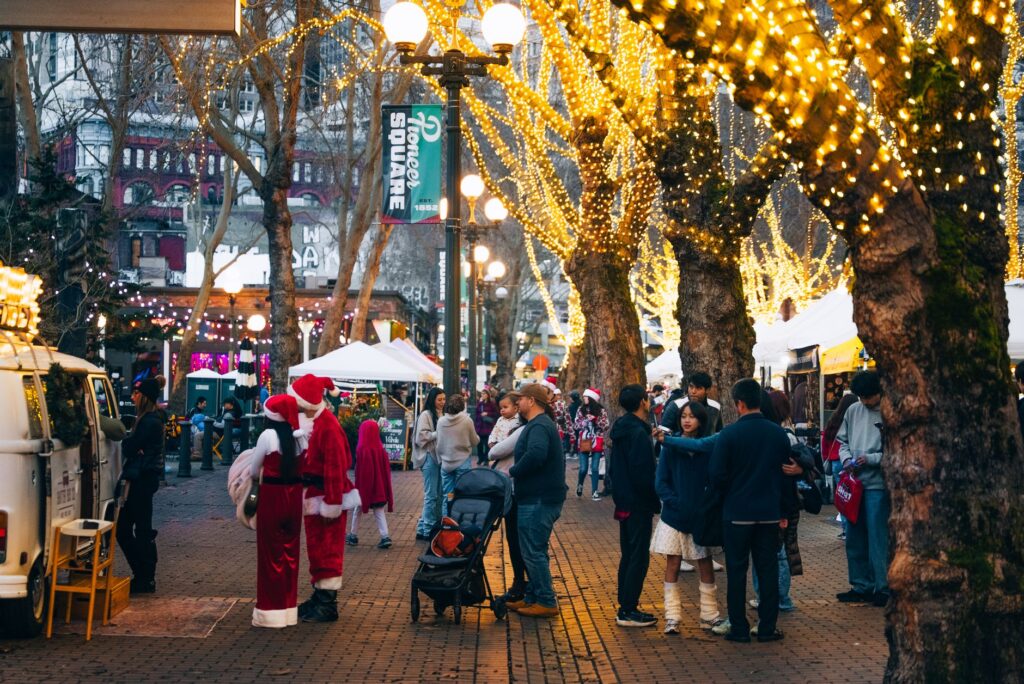
Leavenworth is the most popular winter spot for a reason. This small mountain town looks like a traditional German village in the Alps. The local buildings have painted wooden trim and steep roofs. Millions of lights cover the downtown streets from November through February.
The drive from the city takes about two hours under good conditions. You will take US Route 2 over Stevens Pass. Snow tires or chains are required for this drive in winter. State troopers do check vehicles at the chain-up areas. If you lack winter driving skills, take the Amtrak train instead.
Also read: seattle to leavenworth drive
What to Do in Town
The main street is closed to cars during the snowy season. You can walk through the snow with a hot drink in hand. Do you want to try some local food? The smell of sizzling bratwurst and spiced wine fills the air near the central pavilion.
The shops sell everything from handmade nutcrackers to imported sweets. You can find several tasting rooms along the main drag. Local wineries from the Columbia Valley open shops here to catch the foot traffic.
- Grab a warm pretzel at any local bakery.
- Taste some hot spiced wine from a street cart.
- Shop for imported German glass ornaments.
- Rent snowshoes for a trek along the river park.
The town gets very busy on December weekends. Weekday visits are much quieter and more relaxed. Lodging prices drop by half if you stay between Monday and Thursday.
Outdoor Snow Sports Nearby
Skiers have two strong choices close to town. Stevens Pass is just 30 miles to the west. Mission Ridge sits near Wenatchee, about 40 miles to the east. Mission Ridge gets more sun and dry powder snow. Stevens Pass is larger but gets heavier, wetter snow.
For a slower pace, visit the Leavenworth Winter Sports Club. They run a small ski hill right in town. You can rent tubes or try their groomed cross-country ski trails. The tubing hill is a favorite for families because of the rope tow.
Also read: best skiing snowboarding near seattle resorts
The Olympic Peninsula Provides Moody Coastal Views
The coast offers a totally different winter trip. You will not find much snow at sea level on the peninsula. Instead, you get deep green moss and dramatic storm watching. It is a wet trip, but the mist makes the forests look magical.
Getting there requires a ride on the Washington State Ferry. Catch the boat from Seattle to Bainbridge Island. The crossing takes 35 minutes and offers great views of the city skyline. From Bainbridge, you drive north and cross the Hood Canal Bridge.
Explore the Rainforest
The Hoh Rain Forest is incredibly quiet during the cold months. Summer crowds are gone, so you might have the trails to yourself. Giant spruce trees tower over the paths. Huge mats of club moss hang from the branches like green curtains.
Rain is a constant companion on this trip. Pack high-quality waterproof gear from head to toe. Cheap umbrellas are useless against the wind on the coast. A solid rain shell with a hood is your best friend.
- Drive to the Hoh Rain Forest visitor center.
- Walk the short Hall of Mosses trail.
- Look for herds of Roosevelt elk near the river.
- Drive west to Rialto Beach for sunset.
Storm Watching on the Coast
The Pacific Ocean gets wild in January and February. Giant waves crash against the sea stacks at La Push. The sound of rolling stones in the surf is like thunder. It is a raw, powerful sight that you cannot get in summer.
Stay at a lodge near the beach to watch the weather roll in. Kalaloch Lodge sits right on a bluff overlooking the water. You can sit by a fire and watch the rain lash the windows. That is a classic Pacific Northwest trip.
Do not get too close to the water on wild days. Sneaker waves can pull you into the freezing ocean in seconds. Logs on the beach look stable, but wet wood rolls easily when hit by water. Keep your distance and stay safe.
Mount Rainier National Park Has Deep Alpine Snow
Mount Rainier is the highest peak in the state. In winter, the mountain receives some of the heaviest snowfall in the world. The lower forests look like scenes from a holiday card. The upper slopes are a paradise for snow adventurers.
The road to Paradise stays open during the cold season. This is the only part of the park accessible by car in winter. The road starts at the Nisqually Entrance in the southwest corner. You must carry tire chains in your vehicle to enter the park.
Sledding and Snowshoeing at Paradise
Paradise sits at 5,400 feet on the south side of the peak. The snow here can easily reach fifteen feet deep. The park service grooms a sledding run when the snow pack is safe. It is the safest spot for kids to slide on the mountain.
Snowshoeing is the best way to explore the area. You can join a ranger-led walk if you want some guidance. These walks start at the Jackson Visitor Center on weekends. The park guides provide the snowshoes and teach you the basics.
How cold does it get up there? Temperatures often hover in the twenties during the day. The wind can make it feel much colder on open ridges. Dress in layers of wool or synthetic fleece. Skip the cotton jeans because wet denim will freeze solid.
Where to Stay
The historic Paradise Inn is closed during the winter months. You must find a room in one of the small gateway towns instead. Ashford is the closest town to the Nisqually Entrance. It offers several cozy cabins with hot tubs and wood stoves.
Staying outside the park gives you a cozy base camp. You can spend the day in the cold snow. Then you return to a warm cabin and a hot fire. Many of these cabins sit along the Nisqually River among giant cedar trees.
Anacortes and the San Juan Islands Stay Dry
The San Juan Islands sit in a rain shadow. They get about half the rainfall of Seattle during the winter. If you want to escape the constant drizzle, head north. Anacortes is the gateway town to this island group.
The drive north on Interstate 5 takes about 90 minutes. You will pass through the flat farmland of the Skagit Valley. In winter, thousands of snow geese feed in these fields. The massive white flocks are a striking sight against the gray dirt.
Quiet Island Life
Most summer tourists avoid the islands in winter. That means you can enjoy the towns without the crowds. Friday Harbor on San Juan Island is the easiest place to visit. You do not need a car if you stay near the ferry landing.
The ferry ride itself is a great part of the trip. The water is often glassy and calm in winter. You might spot harbor seals or even a pod of killer whales. Pack a warm coat so you can stand on the outside deck.
- Browse the independent bookstores in Friday Harbor.
- Dine on local oysters at a waterfront pub.
- Walk the empty beaches at American Camp.
- Watch the sunset over the water from Lime Kiln Point.
Hiking in the Rain Shadow
The hiking trails on Orcas Island are open all year. Moran State Park offers miles of trails through mature forests. You can hike up to the stone tower on Mount Constitution. On a clear day, you can see all the way to Canada.
The air on the islands feels clean and crisp in winter. The smell of salt water mixed with pine needles is very distinct. It is a peaceful alternative to the busy ski resorts.
Snohomish Offers Antique Shopping and Country Farms
You do not have to drive far for a great winter day trip. Snohomish is only thirty miles northeast of downtown Seattle. The town sits in a historic agricultural valley. It is known as the antique capital of the Northwest.
The historic downtown sits right along the Snohomish River. First Street is lined with brick buildings from the late nineteenth century. Most of these structures now house antique malls and cozy cafes.
Hunting for Treasures
You can easily spend a full afternoon browsing the shops. The multi-story antique malls hold treasures from every era. You will find vintage outdoor gear, old logging tools, and mid-century furniture. It is a great indoor activity for a rainy afternoon.
Prices here are often lower than in the city shops. The shopkeepers are usually happy to chat about local history. Many of them have lived in the valley for decades.
Do you enjoy hot tea on a cold day? The town has a famous English tea room on First Street. You can get a full service with scones and clotted cream. Book a table ahead of time because it fills up fast.
Winter Comfort Food
After shopping, grab a hearty meal at a local tavern. The food in Snohomish is simple, warm, and filling. Think thick clam chowder, beef stew, and fresh blackberry pie. It is the kind of food you want after a cold day of exploring.
The local breweries are also worth a stop. Several craft brewers have opened shops in old barns and warehouses. They offer heated outdoor patios where you can enjoy a dark winter ale.
Practical Tips for Winter Travel Near Seattle
Winter driving in Washington requires some preparation. The weather at sea level can be mild while the mountains are freezing. A sunny day in Seattle does not mean the mountain passes are clear. Always check the state road maps before you leave.
Four-wheel drive is highly recommended if you plan to cross the mountains. You should also keep some emergency supplies in your trunk.
- Keep a heavy wool blanket in the back seat.
- Pack an extra gallon of drinking water.
- Store some high-calorie snacks like nuts or chocolate.
- Keep a small shovel and a bag of sand for traction.
Ferry travel also changes in the winter. The state often takes boats out of service for maintenance. This can lead to longer wait times on popular routes. Book a vehicle reservation if your route allows it.
Do not let the short winter days catch you by surprise. It gets dark by 4:30 pm in December and January. Plan your outdoor activities for the morning hours. That leaves the dark afternoons for cozy dinners and warm fires.
The Pacific Northwest is incredibly beautiful during the cold season. You just need the right gear and a flexible plan. Pick your favorite spot and head out for a great winter trip.