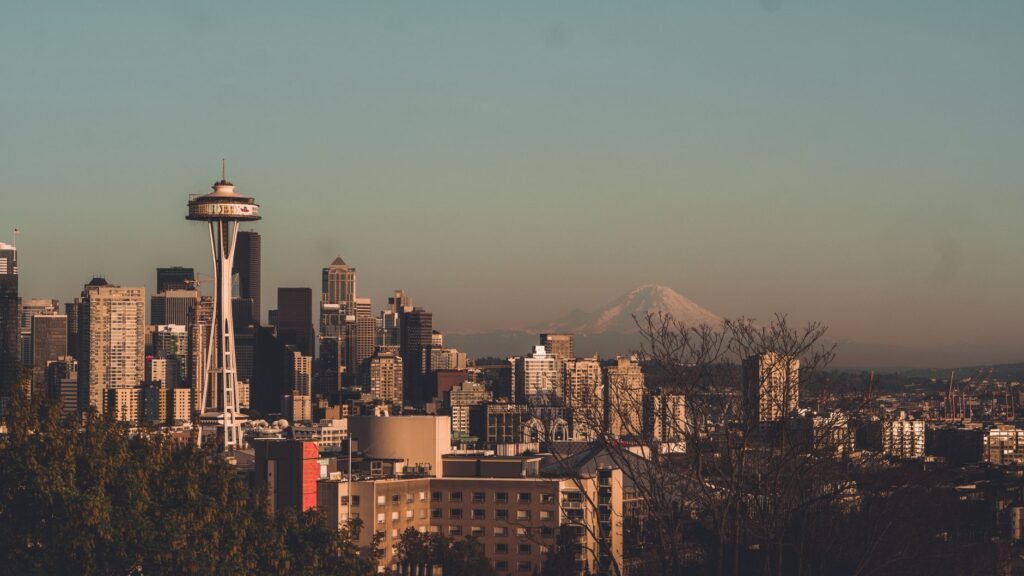
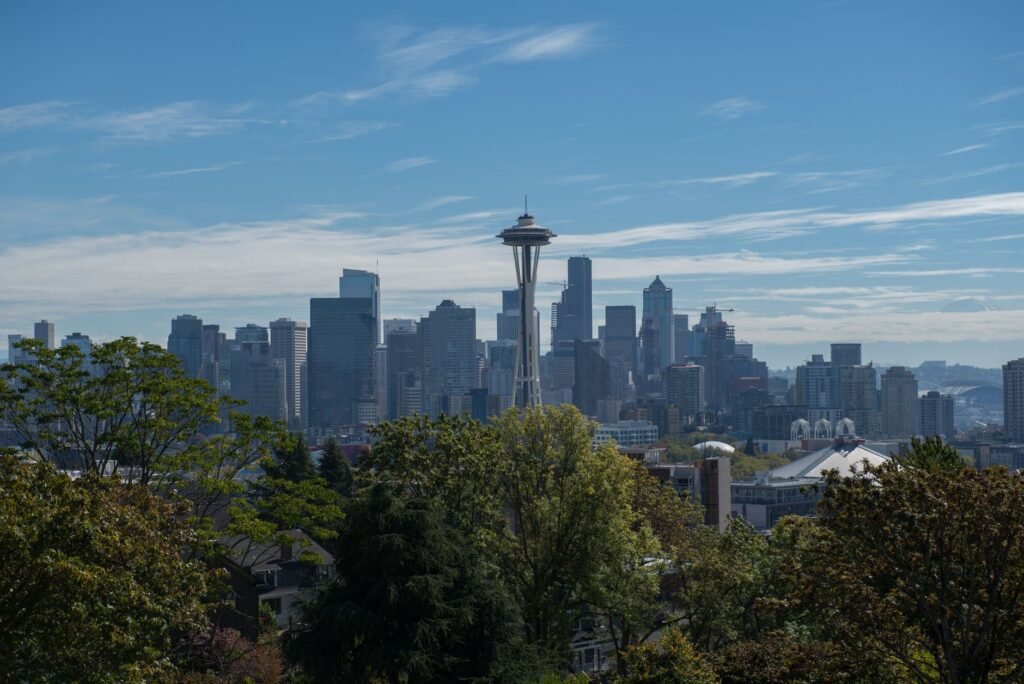
The best things to do in Seattle in the summer are Pike Place Market, the waterfront parks, hiking in the Cascades, and museum visits. But the real point is that Seattle summer is the only season you should visit. The weather is ideal, rain is rare, and everything outdoors becomes suddenly alive.
Most American travelers arrive with an odd picture of Seattle. They expect gray skies and coffee shops on every corner. What they find instead is a city with forty days of genuine sunshine. The water is cold but swimmable. The mountains are visible on clear days. The pace is slower than the coasts but faster than you’d think.
Pike Place Market Deserves More Than an Hour
Pike Place Market is the actual heart of the city. Not a metaphor. Real fishmongers throw real fish to real crowds. The smell of fish and coffee near the market at 7 a.m. tells you something about Seattle that no guidebook captures.
Most visitors make one core mistake here. They show up midday on a weekend. The market becomes a slow-moving crowd shuffle. Nothing is terrible, but nothing is great either. The time to go is early. A 7 a.m. visit, even in July, gives you the place while it still works as a market and not a tourist photo stop.
Start at the main arcade where the fishmongers stand. Watch them. Don’t watch the fish being thrown. Watch their hands and faces. This is work, not performance art. The casual skill is the point.
Then move through these sections in order:
- The produce arcade on the north side
- The flower stalls near Pike Place proper
- The lower levels where the real locals shop
- Gum Wall on Post Alley (pointless but required)
The flower stalls are worth real attention. Seattle grows some of the best dahlias and tulips in the country. A summer bouquet costs five dollars. Quality is high enough that locals buy here.
The lower levels are where the market still functions as a place where people buy fish and produce, not just take photos. You’ll see old men buying single fillets. Women buying vegetables for tonight’s dinner. It’s real. The tourists stay upstairs.
Skip the chain restaurants and the tourist shops selling foam Space Needle hats. Eat at one of the small counters or bring a coffee from Starbucks (yes, the original one is here, but the actual coffee is fine elsewhere). Your goal is to be here when the market is actually a market.
Also read: what to do in west seattle a complete local guide
The Waterfront Has Changed Dramatically
The Seattle waterfront was a mess for years. Container ships, old piers, parking lots. Recently, the aquarium and parks have made it worth a real visit. The Olympic Sculpture Park is free and genuinely good.
Walk from Pike Place down to the water. The path goes through several neighborhoods. You pass through Belltown, where the coffee shops are serious and the rents are serious. You reach the sculpture park at the north end of the waterfront. The view of Puget Sound is good on clear days. The view of the Olympic Mountains is excellent.
The sculptures are modern and mostly concrete. Some are worth studying. Others are less successful. But the whole park is designed for walking, and the grass is good for sitting. Bring the newspapers from Pike Place. Sit on the grass. Read. Watch the water. This is how Seattle people actually spend time in summer.
The waterfront parks continue south along the piers. The Pier 59 aquarium has an excellent octopus exhibit. The jellyfish room is surprisingly moving. If you’re with children, it’s worth two hours. If you’re alone, one hour is enough. The ticket costs 32 dollars for adults.
What most visitors miss is the working waterfront. Walk past the tourist areas and you’ll see actual tugboats and fishing boats. The smell changes. The noise is real. This is the Seattle that pays its bills.
Day Trips to the Mountains Beat City Days
Seattle has mountains nearby. Not far. About ninety minutes in most directions you hit the Cascade range. The peaks are 10,000 to 12,000 feet. The trails are excellent. The crowds are bad on summer weekends.
Snoqualmie Falls is the obvious choice. It’s close, iconic, and easy to reach. The waterfall is good but not life-changing. The real point is the walk around the falls area. A thirty-minute hike takes you to the base. The mist is cold even in July. The fee for parking is six dollars.
A better choice is hiking to one of the alpine lakes. The drive takes about ninety minutes from downtown. The hike takes four to six hours round trip. You’ll gain 2,000 to 3,000 feet in elevation. The reward is swimming in cold water surrounded by mountains. Would you rather sit in downtown Seattle or float in a glacial lake with mountains reflected above you?
If you go on a weekend, leave early. Trailhead parking fills by 9 a.m. in July. A 6 a.m. departure from downtown Seattle puts you hiking by 8 a.m. This is not negotiable if you want a parking spot.
Bring more water than you think you need. Bring sunscreen. The sun reflects off the snow fields and burns fast. Cotton clothing is a bad idea. The temperature at the summit is at least 20 degrees cooler than the city. What feels warm at sea level feels cold at altitude.
The main trails to try are:
- Snoqualmie Falls and the loop hike (easy, close)
- Granite Lake (moderate, four hours, good reward)
- Necklace Valley (harder, six hours, excellent)
- Mirror Lake (easy, good views, three hours)
You don’t need special equipment for summer. Ordinary hiking boots work fine. Bring a good map on paper. Phone signals are spotty. Actual maps have saved thousands of people from stupid mistakes.
Also read: best skiing snowboarding near seattle resorts
Museums Are Good on Rainy Days
The Seattle Art Museum is free on the first Thursday of every month. Otherwise, entry is 17 dollars. The collection is decent but not world-class. The building is good. The café has excellent sandwiches. If rain hits, which is rare in summer, it’s a solid backup.
The Museum of Pop Culture is overpriced at 29 dollars. The building is worth seeing. The inside is chaotic and sprawling. Exhibits change. Some are strong. Some feel thin. Plan for two hours maximum. People who spend four hours here are either lost or in need of air conditioning.
The Burke Museum at the University of Washington is different. The natural history collection is strong. The space is good. The gardens around the museum are lovely. Entry is 20 dollars. If you care about Pacific Northwest geology and Native history, this is the right choice. For most visitors, it’s optional.
More honest advice: the museums are decent but not the reason to come to Seattle. The city works outdoors. Museums are where you go when it rains. Since it rarely rains in July and August, you probably won’t need one.
Getting Around Is Simpler Than You Think
Downtown Seattle is walkable. Belltown is walkable. The neighborhoods around Pike Place are connected by good sidewalks and bus routes. A rental car is the single worst choice for summer. Parking costs 15 to 25 dollars per day in downtown areas. The streets are confusing. Traffic is heavy in July.
Buy a Transit Pass for the buses. Three days costs 32 dollars. The buses are reliable. Most routes take you where you need to go. The drivers know the city. They’ll tell you which stop is which.
Walking is your best option. Seattle is built on hills, which makes some walks harder than others. But the geography also means most neighborhoods are distinct and separated. You don’t get lost in a single area. Once you’re in Capitol Hill, you know roughly where you are. Once you’re in Fremont, you know roughly where you are.
Cabs and ride-shares cost about what they cost in most American cities. For airport travel, use a cab. It’s cheaper and faster than driving yourself.
The Neighborhoods You Should Actually Visit
Downtown and Pike Place get all the attention. But the neighborhoods are where Seattle life happens. Fremont is a short bus ride north. It’s quirky without trying. Vintage shops, good restaurants, parks. The Sunday Market here is stronger than most tourist markets. Actual crafts. Actual vintage goods. Not endless phone cases.
Capitol Hill is the art and music neighborhood. Coffee shops work better here. The people are younger. The energy is visible. Summer brings street fairs and music every weekend. It’s good walking territory.
Ballard is the old fishing neighborhood that became trendy and stayed good. The restaurants are strong. The breweries exist but they’re not the point. The waterfront walk is excellent. The seafood is real.
Green Lake is where Seattle people actually exercise and spend time. The lake is about three miles around. A path circles it. People run, bike, walk, and sit. It’s not dramatic. It’s functional and full of real life. Bring the newspaper. Sit on the grass. You’ll see more actual Seattleites here in an hour than in Pike Place all day.
Also read: kid friendly things to do in seattle this weekend
Pack for Variability
Seattle summer is 70 to 80 degrees on average. Clear mornings become cloudy afternoons. A light jacket works. Bring closed shoes. The pavement is hard on sandals. Rain is rare but not impossible. A small rain shell takes no space.
The sun is strong. Sunscreen matters. Sunglasses matter. A hat is useful. Your skin burns faster in the mountains where the air is cleaner.
Water bottles are essential. Tap water in Seattle is good. Refill at hotels or coffee shops. Hiking without adequate water is the easiest way to ruin a trip.
The Real Seattle Takes Time
The mistake most visitors make is rushing. Three days in Seattle is not enough to understand it. A week is better. This is a city that rewards slow mornings and long afternoons. Pike Place at 7 a.m. instead of 2 p.m. A walk through Capitol Hill without an itinerary. A full day in the mountains instead of a three-hour trip.
The best time to visit is July or August. The weather is optimal. The mountains are accessible. Rain is minimal. If you can only come once, come then. Seattle summer doesn’t last long. When it arrives, it’s worth your full attention.
Reference: Seattle