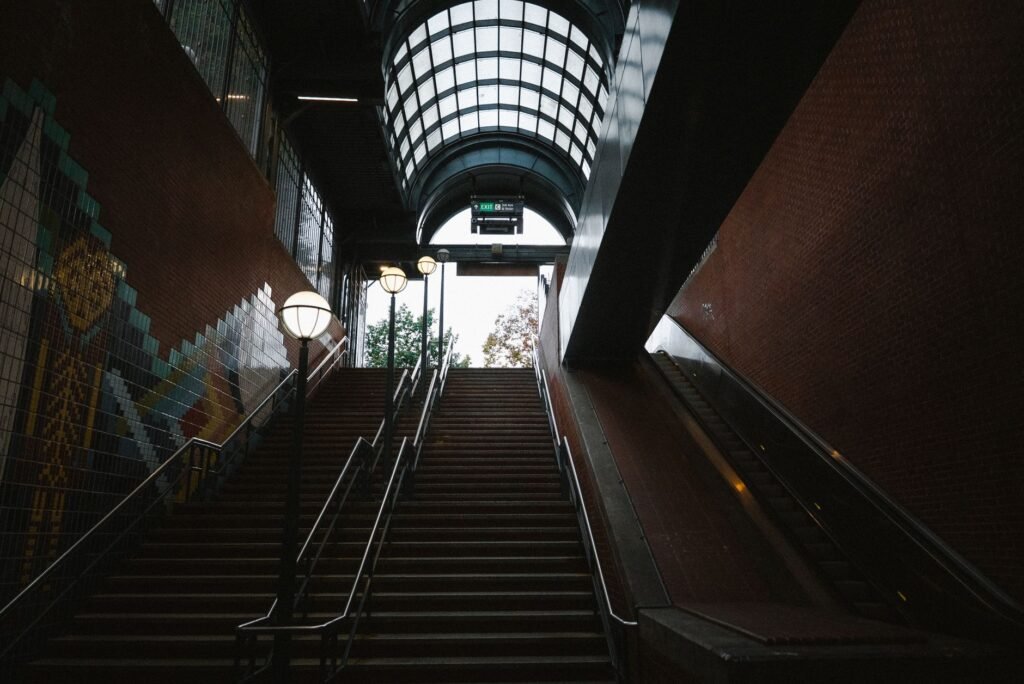
The Seattle Underground tour is worth doing if you like history and quirky architecture, but it’s not a deep cultural experience and you should manage expectations accordingly.
The tour itself is a 90-minute walk through a few blocks of the original city that sits roughly 35 feet below the modern street level. What you’re really seeing is the ground floor of old brick buildings that got buried after the great fire of 1889. The city rebuilt on top of the ruins instead of clearing them out. Today you walk through those original storefronts, hallways, and sidewalks with a guide who explains how the city came back from disaster.
Most people who book this tour expect something more dramatic than what they get. You walk through dim brick passages. You see old vault doors and glass skylights built into the modern street above. The guide points out where saloons and shops used to operate. It’s interesting if you care about how cities rebuild. It’s also kind of damp and a bit boring if you don’t. Sound like wasted time? Not quite, but you should know what you’re getting before you pay.
What the Seattle Underground City History Actually Is
The fire of 1889 burned down nearly everything in what’s now Pioneer Square. The downtown area was mostly wood construction back then. Once the smoke cleared, the city faced a choice. They could clear the rubble and start fresh. They could also build higher and let the old buildings become the foundation. They chose the second option mostly because it was cheaper.
Reconstruction took about a decade and created something unusual. The old street level became a basement maze. Businesses moved to the second floor of existing buildings. What used to be ground-floor entrances are now halfway up a wall. Storefronts that faced the street now face tunnels. The new city simply rose above the old one and forgot about it for decades.
You won’t discover lost gold or hidden speakeasies down here. The real story is less romantic but more interesting if you think about how cities function. This is how a working city solved a massive disaster without completely destroying what came before. It’s practical rather than dramatic.
How to Get Tickets and Book Your Spot
You have two main tour operators currently offering underground walks. Underground Tour is the oldest and most established. Bill Speidel’s Underground Tour is the other big option. Both cover similar ground and take about 90 minutes. Prices run from about $20 to $25 per person depending on which company and when you go.
Book online ahead of time. Walk-up spots sometimes exist but not on weekends. Tours run multiple times daily from roughly 9am through 5pm. Afternoon tours tend to be less crowded than morning ones. If you want to avoid crowds, aim for a 2pm or 3pm slot on a weekday.
The tours are not wheelchair accessible. The stairs are steep and narrow. The passages are tight in spots. If you have mobility concerns, call ahead. Some companies might offer modified options. Also know that the underground stays around 50 degrees year-round. Bring a jacket even in summer.
What Actually Happens During the Tour
Your guide meets you on the street level near Pioneer Square. Everyone gets herded down a narrow staircase into the first tunnel. Immediately you notice the smell. It’s old brick, damp concrete, and musty air. Not unpleasant, just different from upstairs.
The tour moves slowly through several connected passages. Your guide stops in key spots to explain the layout. You see old storefronts with signs still faintly visible on the walls. You learn which buildings housed what businesses. Most of it was saloons, brothels, shops, and offices. The tour doesn’t shy away from the red-light history.
The best part comes when the guide points out the glass skylights. Walk to the right spot and you can see straight up through thick glass blocks into the modern street above. Cars and feet pass by while you stand in the abandoned corridor. That contrast is genuinely striking. It snaps into focus how completely this whole level was buried and forgotten.
Light levels are low. Bring glasses if you need them for reading. The guide’s voice echoes in the passages. Photographs come out grainy unless you use a flash. Flash is often discouraged but usually allowed. Sound recording is typically fine.
The tour ends back on street level. No gift shop. No dramatic finale. Just a thank you and recommendations for where to grab coffee nearby.
Reference: Seattle Underground
Timing and What to Pair It With
This tour takes 90 minutes and then you’re done. Plan for 2.5 hours total with walking to the meeting point and getting oriented. It’s a morning or early afternoon activity, not an evening thing.
Don’t plan your whole day around it. You could reasonably fit this into a few hours along with other Pioneer Square activities. The neighborhood above the underground has good coffee shops, vintage stores, and decent restaurants. Pike Place Market is a five-minute walk away. You could do the tour, grab lunch, and spend the afternoon at the market without feeling rushed.
Winter is rainy and cold but the tour is mostly indoors. Summer is busy and can feel crowded. Spring and fall are fine. Weather doesn’t really matter since you’re underground anyway. The real factor is crowds, not conditions.
Who Should Actually Do This
The tour works best for visitors who like urban history and architecture. If you’re interested in how cities solve problems and rebuild after disaster, it’s engaging. If you want to understand how Seattle developed from a rough frontier town into a modern city, this gives you useful context.
It works less well for people expecting adventure or excitement. You’re not exploring anything. You’re on a guided path that thousands of people walk every year. You won’t find anything new or undiscovered down here. The tunnels are safe, lit, and fully mapped.
Kids sometimes get bored. The tour requires standing and listening. There’s not much to touch or interact with. A teenager might find it interesting. A young child will probably want to leave halfway through. Bring something quiet to occupy them if needed.
Locals rarely do this tour. If you live in Seattle, you don’t need a guide to understand the city’s history. Visitors though, especially those passing through for a few days, benefit from the context. A guide explains the fire and the rebuild and points out details you’d miss on your own.
Cost and Value Breakdown
Tour price runs $20 to $25 per adult. Children are sometimes discounted slightly. Gratuity for the guide is common, usually a few dollars per person. Total cost for a family of four is roughly $100 to $110 including tips.
You get 90 minutes of guided time and historical information. You don’t get food, drinks, or museum access. The cost is reasonable for what you get, which is basically a history lesson and a walk. It’s not expensive but it’s also not cheap.
Compare this to other Seattle attractions. Pike Place Market is free to walk through. The Chihuly Glass Museum costs about $20. The underground tour costs similar to other commercial attractions downtown. Fair pricing, nothing remarkable.
For budget travelers, this is optional. You can understand Seattle’s history from reading or from visiting the neighborhoods. For people with spending flexibility, it adds one good afternoon activity to your trip. It’s worth doing once if you’re into history. You won’t do it twice.
Also read: Unique Places to Stay in Seattle Cool Hotels
Practical Tips That Actually Matter
Wear comfortable shoes with good grip. The floors are uneven and damp. Slip-resistant soles help more than you’d think. You’ll be standing most of the tour, so break in your shoes beforehand.
Bring a jacket even on warm days. The temperature drops noticeably once you’re below ground. You cool off fast when you’re not moving much.
Go in a small group or alone. Tours max out around 25 people but they often go in larger groups. Smaller groups move easier through tight passages and you hear the guide better. If you have a large party, ask if the company splits groups. Most do.
Arrive five minutes early. Get a good spot near the guide. Back of the group equals worse sight lines and sound. The guide will say to stay together but doesn’t enforce it strictly. Pushing forward to see and hear isn’t rude.
Skip the gift shop if there is one. Overpriced Seattle souvenirs. Buy postcards and books after the tour from actual bookstores in the neighborhood.
Eat after the tour, not before. You stand for 90 minutes in a cool, damp environment. Your stomach is fine. But being full and standing around feels worse than being slightly hungry.
Should You Actually Book This
Yes, if you have a free 90 minutes and you like architecture and urban history. No, if you’re visiting for 24 hours and need to prioritize. The tour is good but it’s not a must-do. Seattle has more interesting things to spend your time on if your visit is short.
The Seattle Underground is worth experiencing as part of a slightly longer Seattle trip. It adds texture to your understanding of how the city works and why it looks the way it does. It’s the kind of activity that makes sense in your itinerary, not the kind that brings you to Seattle by itself. Book it online a day or two ahead, wear comfortable shoes, and go in with realistic expectations about what you’ll see. You’ll get a solid hour and a half of Seattle history from people who know the story well.