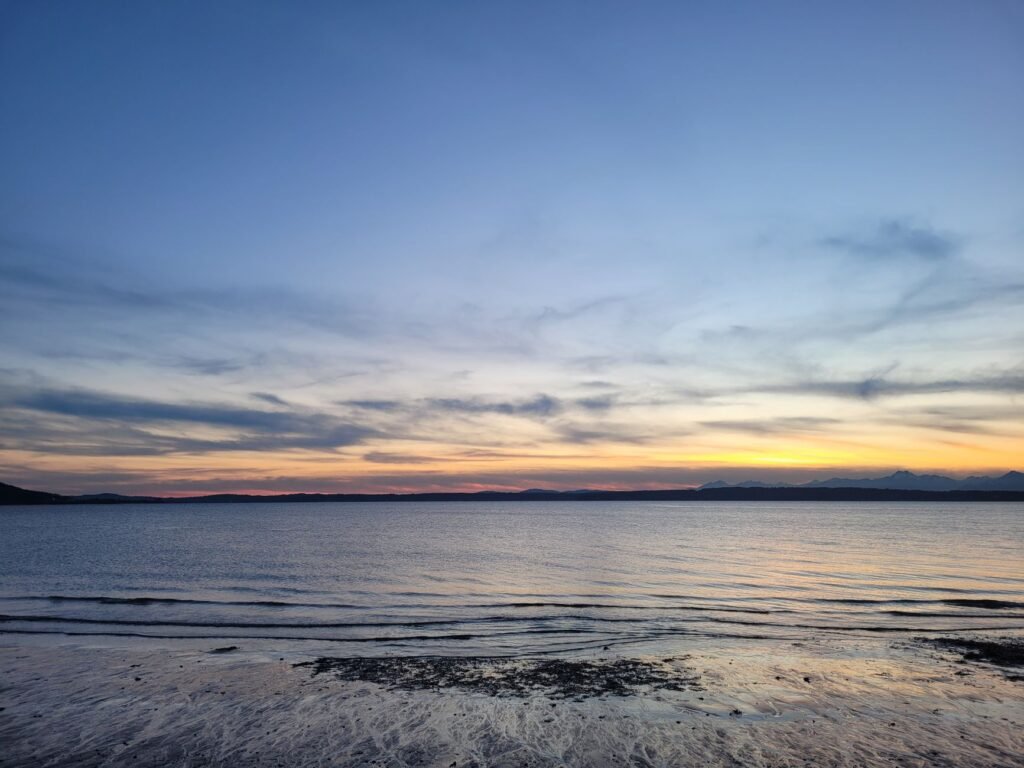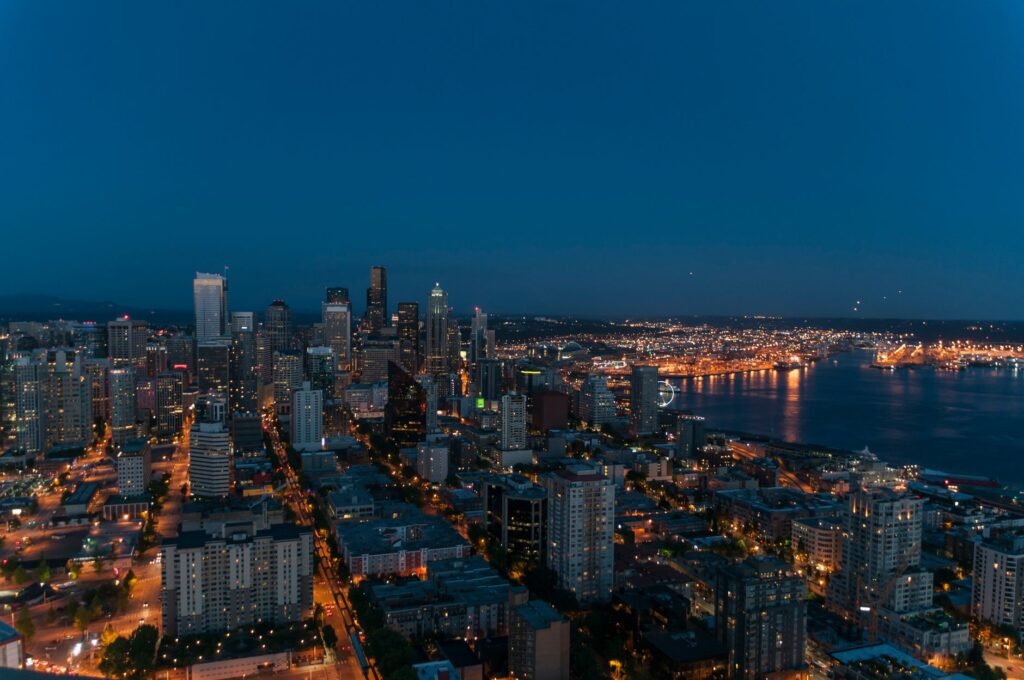
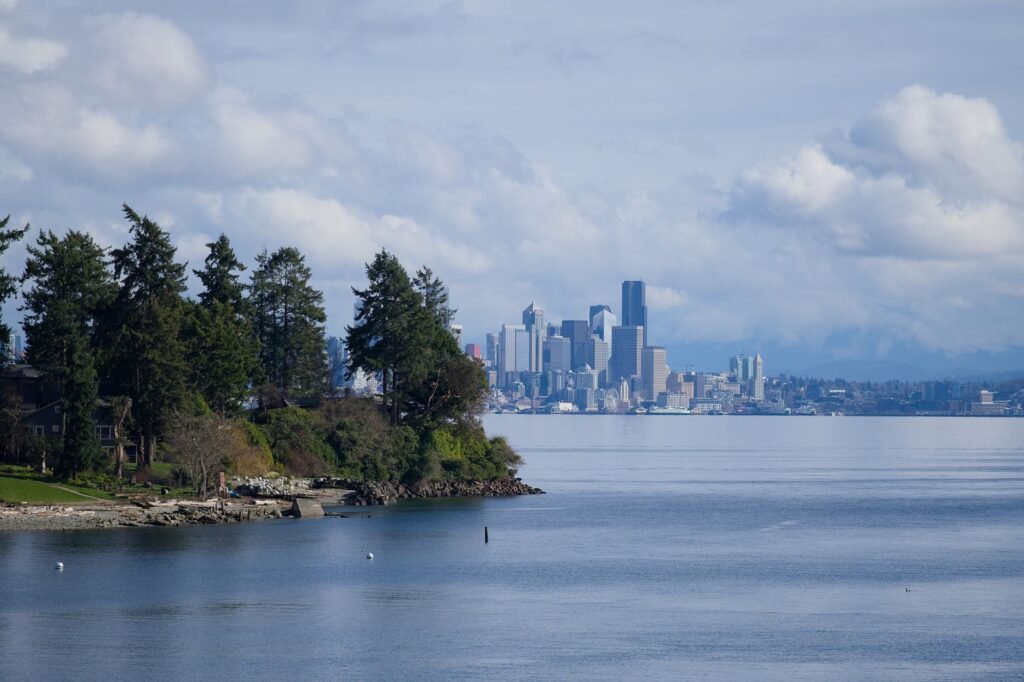
The best nature things to do in Seattle center on water, forest, and mountain views within about an hour or two of downtown. The city sits on Puget Sound with the Olympic Mountains to the west and the Cascade Range to the east. Rain is part of the deal, not a reason to skip it.
Get on the Water First
Water activities are a big part of Seattle’s outdoor life. Kayaking and paddleboarding are the clearest ways to see the shoreline. Northwest Outdoor Center on the west side of Lake Union rents kayaks and paddleboards, and other shops operate on Lake Union and Lake Washington. Check current rental rules, rates, and age requirements, and stay clear of the seaplanes that take off and land on Lake Union.
Gas Works Park on the north shore of Lake Union is worth a visit even without a boat. The old gas works machinery is preserved in the park, and the grassy hill beside it has one of the best views of the downtown skyline across the water.
Ferry rides count as nature time here. The Washington State Ferries trip to Bainbridge Island takes about 35 minutes, with views of the skyline, the Sound, and on clear days the Olympic Mountains. The walk-on fare is collected in one direction only, so check the current fare on the WSF website. On the island, the town of Winslow is a short walk from the dock, and Eagle Harbor and the waterfront path are easy to explore on foot.
Whale-watching tours operate around the region, with the best odds of seeing orcas in the San Juan Islands in summer. Sightings are never guaranteed, so check the operator’s policy before you book and consider a shorter tour if you are not sure.
Hike Where the City Ends
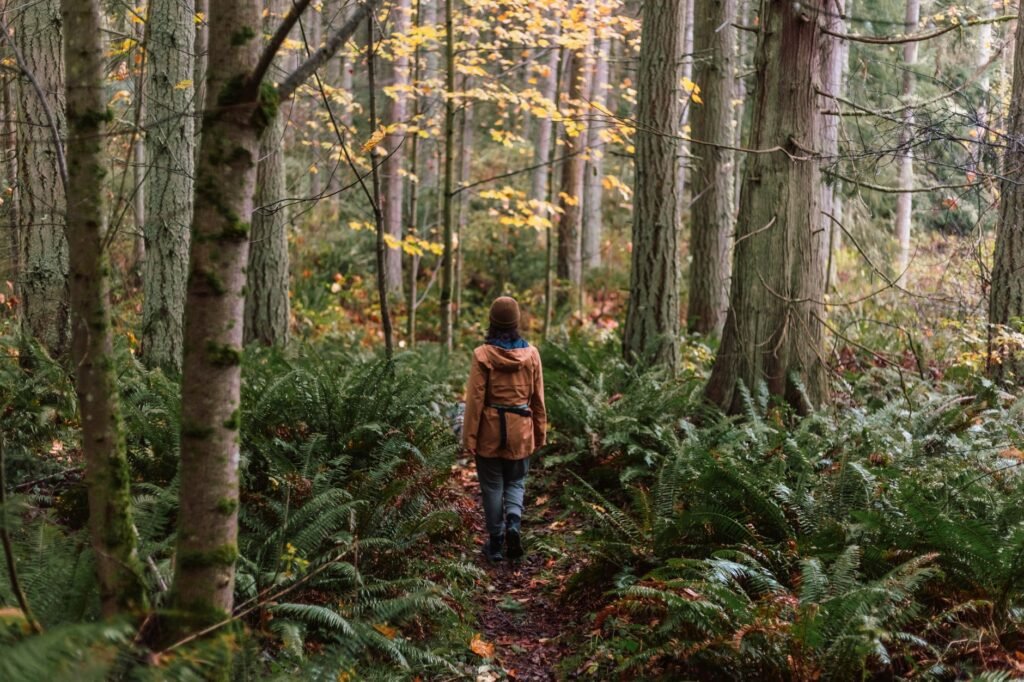
The forests around Seattle are the real prize for hiking, and many good trails are about 30 to 60 minutes east of downtown along I-90.
Tiger Mountain in the Issaquah Alps is about 20 miles southeast of downtown. Several trails climb to the summit area, which sits at roughly 3,000 feet. Routes vary in length and steepness, and gentler rail-grade paths such as the Preston-Snoqualmie trail and the trails around Tradition Lake are options if you do not want a summit climb. Check trail maps before you go.
Rattlesnake Ledge is near North Bend, about 35 miles east of Seattle. It is roughly four miles round trip with about 1,160 feet of climbing, ending at an exposed ledge above Rattlesnake Lake. It is very popular and the lot fills early on weekends, so start early. Keep children and pets close to the edge.
Weather changes fast in the mountains. Pack a rain jacket every time. Temperatures drop several degrees for every thousand feet you climb, so a hike that feels warm at the trailhead can be cold on a ridge.
Wet trails get slick, especially roots and mossy rocks. Boots or shoes with good tread are worth it, and poles help on steep descents. Many trailheads on national forest land require a Northwest Forest Pass, and state parks and state lands often require a Discover Pass, so check the requirement before you go.
Mount Rainier: Worth the Drive
Mount Rainier is visible from Seattle on clear days, and the national park is about a two-hour drive from the city, depending on traffic and which entrance you use. Paradise, on the south side of the mountain, is the most visited area and the most crowded. The Sunrise area on the northeast side is generally quieter, but it is farther from Seattle and its road is closed by snow for much of the year.
Hiking options range from casual to serious. The Lakes Trail near Reflection Lakes is a short walk with big mountain views when the lakes are calm. The Skyline Trail at Paradise is a longer day hike of roughly 5.5 miles with about 1,700 feet of climbing, passing alpine meadows that bloom in summer. Myrtle Falls is a short walk from the Paradise area.
Most of these trails start around 5,000 feet, and altitude can leave some visitors short of breath. Drink water, start early, and plan to finish before afternoon weather rolls in.
The park charges a vehicle entrance fee ($30 per vehicle at the time of writing), and an America the Beautiful pass covers it. Heavy snow closes many roads from late fall through spring, so check road and facility status on the National Park Service site before you go. Expect crowds on weekends and sunny days, and arrive early.
Closer Options for Short Walks
Not every outing needs to consume an entire day. Seattle has solid nature within the city and close to it.
Seward Park sits on a peninsula in southeast Seattle on Lake Washington. A paved loop of roughly 2.4 miles circles the shoreline, and the center of the peninsula has about 120 acres of old-growth forest. Bald eagles are frequently seen in the area.
Discovery Park in Magnolia is the city’s largest park, with forest, meadow, and bluff trails and views over Puget Sound. A short trail leads down to the West Point lighthouse and beach.
Green Lake has a path of about 2.8 miles around the lake that is shared by walkers, joggers, and cyclists, and it is busy on summer evenings and weekends. Swimming is allowed in season, but water quality advisories (including algae blooms) are common in summer, so check Seattle Parks and Recreation notices first.
Lake Union and the Fremont waterfront are not wilderness, but sailboats, seaplanes, and houseboats make for pleasant urban scenery.
What to Pack and Know Before You Go
Preparation makes the difference between a good trip and a frustrating one. These items matter for any outdoor day in the Seattle area:
- Waterproof jacket, even if sun is forecast
- Boots or shoes with solid tread
- Water bottle or hydration pack with at least two liters for longer hikes
- Sunscreen and bug spray
- An offline map or downloaded trail map on your phone
- Snacks or lunch if the hike runs more than two hours
- Layers, since temperatures change with elevation
- A hat and gloves for high elevation, even in summer
- The relevant parking pass (Northwest Forest Pass or Discover Pass)
Daylight changes a lot through the year. In midsummer, first light comes around 5am, while in winter the sun does not rise until after 7:30am and sets before 4:30pm. Bring a headlamp for any hike that could run past dark.
Popular trailheads fill early on weekends. Arriving by 7am versus 9am can mean the difference between an open lot and a long search for parking, or no parking at all.
When to Go and What to Expect
July through September is the driest stretch, and it is when most visitors hike. Trails are in their best condition and wildflowers peak in the mountains in July and early August.
Spring brings mud and lingering snow at elevation. Lower-elevation trails are often open, but expect wet boots.
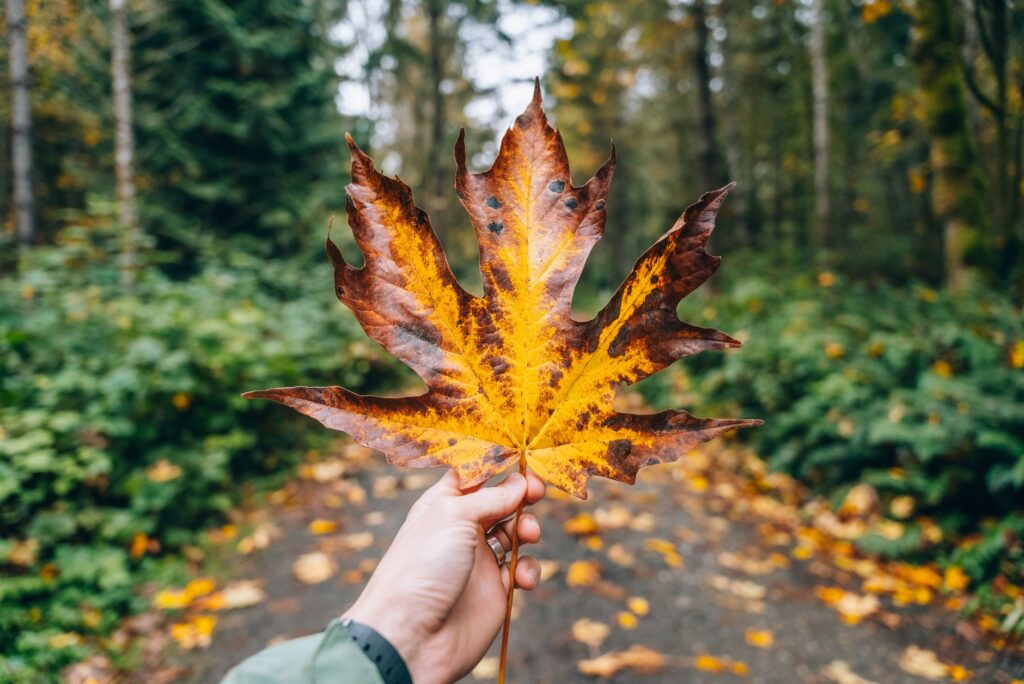
Fall is underrated. September and October often have dry spells, crowds drop off, and the light turns golden. Rain typically returns by November.
Winter hiking is possible at lower elevations, but snow and avalanche conditions in the mountains change from year to year. Check conditions before you go, and carry traction devices or snowshoes if you head above about 3,000 feet.
The biggest mistake is expecting sunshine year-round. Pack for rain and wear moisture-wicking layers rather than cotton. Start with a paddle on the water, then try a closer hike like Rattlesnake Ledge or Tiger Mountain, and build up to Mount Rainier for a longer day.