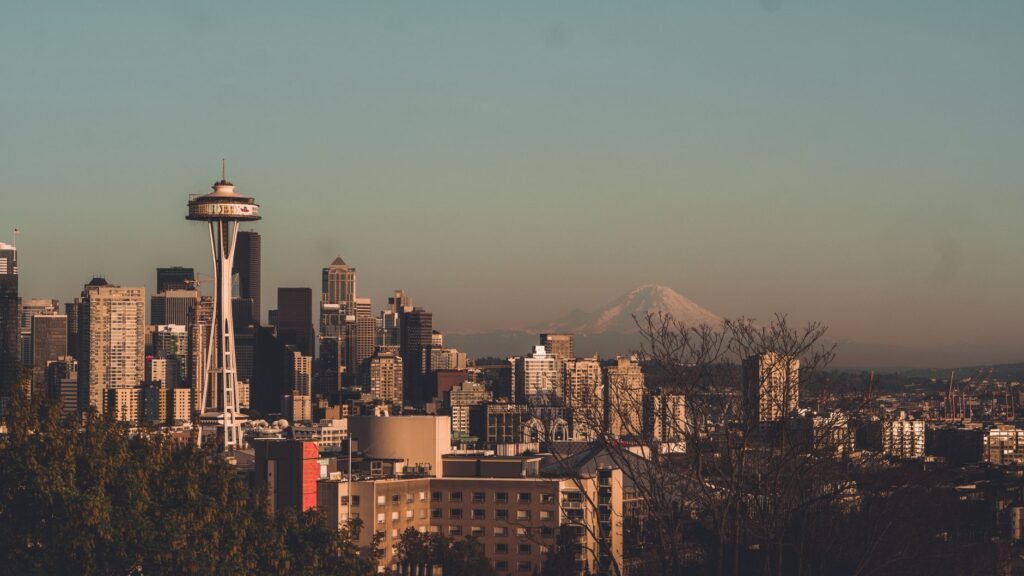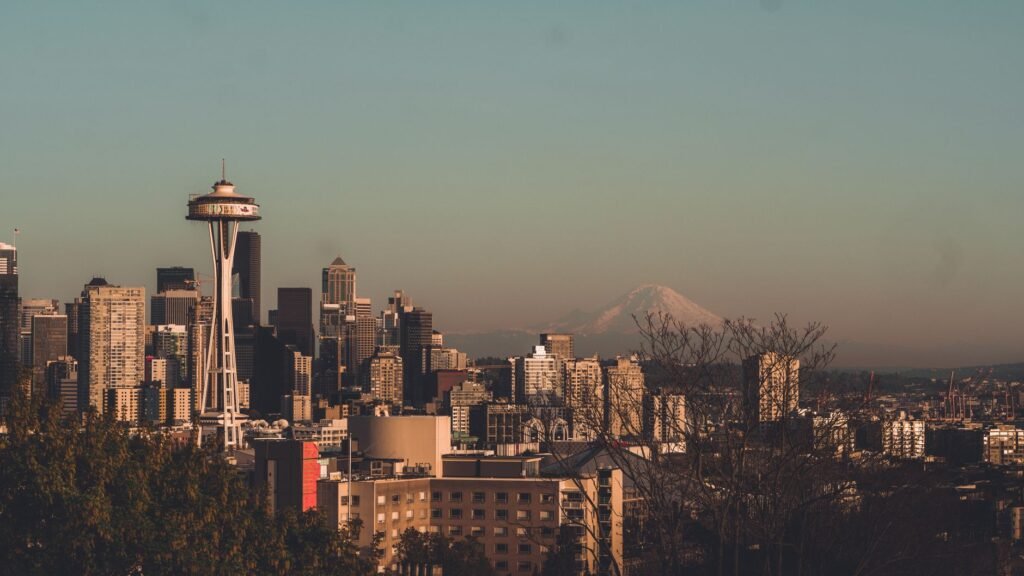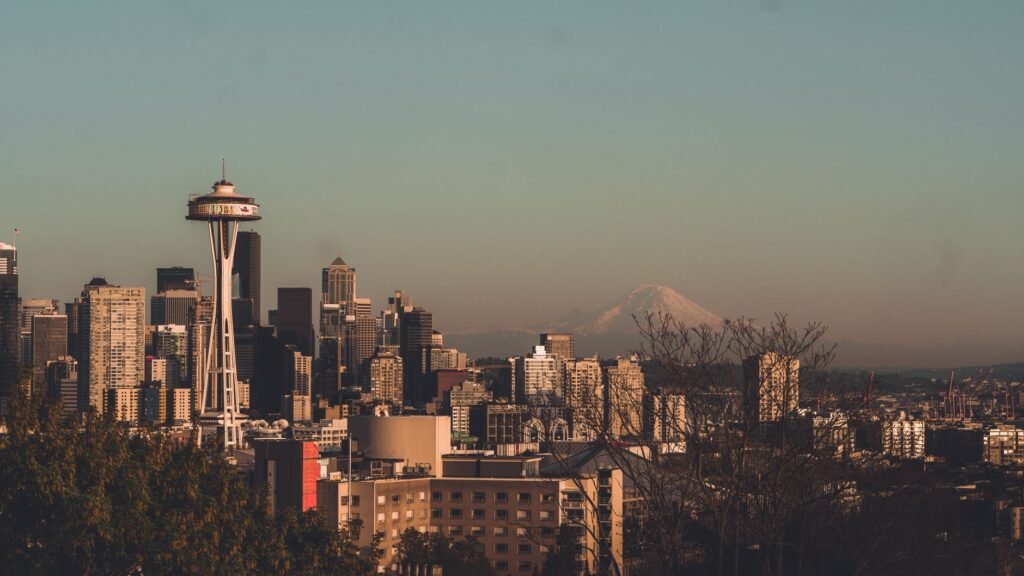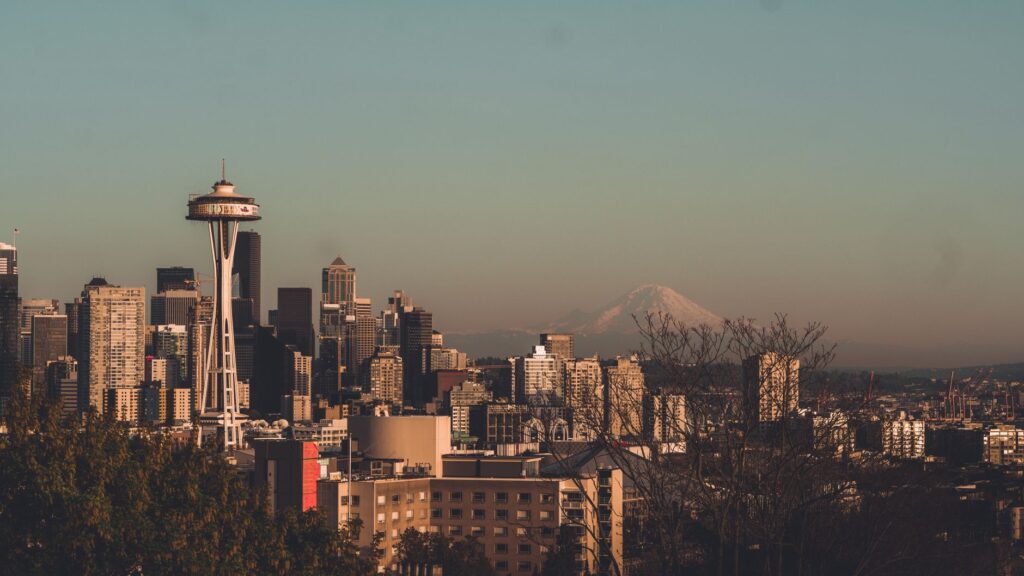
The coolest areas to stay in Seattle break down into a handful of distinct neighborhoods, each with its own rhythm and crowd. You could spend time anywhere from the waterfront tourist zone to the quirky Capitol Hill scene and wake up in a completely different city. The trick is matching your mood and budget to the right part of town. This guide covers the neighborhoods that actually work for visitors, not the ones that sound good on a map.
Downtown and Pike Place Market Area
Skip the idea that downtown is just for business travelers and conventions. This neighborhood sits at the heart of everything, and it’s the right call if you want walkable access to the market, the waterfront, and restaurants that don’t require a rideshare home. The Seattle Public Library alone is worth a detour. The building is odd-shaped and modern. You can spend an hour just wandering the stacks and soaking up the architecture.
Pike Place Market dominates the downtown experience. The smell of fish and coffee hits you at 7am when the vendors start. It’s not subtle. It’s real. The market itself opens early. Fresh flowers, local seafood, and tourist trinkets stack together in the same stalls. The original Starbucks sits on the ground level near the south entrance. Expect a line. The view from the upper levels overlooks Elliott Bay and the Olympics on a clear day.
Hotels here fall into three rough price tiers:
- Budget: Pod-style hotels and basic chains run $120 to $200 per night.
- Mid-range: Solid three-star properties cost $180 to $300 per night.
- Upscale: Four and five-star properties with views run $300 to $600 plus per night.
The Belltown neighborhood sits just north of downtown. It’s younger and noisier than Pike Place. Tech workers and young professionals fill the bars and coffee shops. If you want nightlife that stays open late and don’t mind noise at 11pm, this works. If you want quiet mornings, look elsewhere. Parking is a nightmare both places. You leave a bag on the seat in your car. It’s gone when you return. Street parking draws attention. Use a paid lot or hotel garage.
Walking is the default here, which is the whole appeal. You can eat dinner, catch a show, and grab a drink without ever needing a car. The waterfront is a ten-minute walk downhill from Pike Place. The ferry terminal sits at the bottom. Ferries run to Bainbridge Island and Vashon Island year-round. A day trip to either one is worth the time.
Also read: unique places to stay in seattle cool hotels
Capitol Hill and Fremont
Capitol Hill is where locals actually live and hang out. The neighborhood has edge. Vintage shops, independent bookstores, and dive bars line the streets. The Pike Place Market crowds don’t venture up here much. You get a real slice of Seattle culture that most hotels never mention.
Broadway Avenue runs through the center of the neighborhood. Bars, restaurants, and coffee shops fill both sides. Myers Way sits just to the east and offers similar vibes with less foot traffic. The main market here is Broadway Market. It’s smaller than Pike Place. It’s also cheaper. Local art and produce vendors dominate. The crowds are thinner. You actually have room to move.
Hotels in Capitol Hill tend to be smaller and independent. The big chains mostly skip this part of town. You get personality and local flavor for $120 to $250 per night. The trade-off is noise. Capitol Hill pulses with life until late. Music from bars carries into the streets. If you sleep light, earplugs help. If you don’t mind street energy, it’s perfect.
Fremont lies just north and slightly west. It’s quirky in a different way than Capitol Hill. Fremont has art installations, Sunday markets in summer, and a slower pace overall. The neighborhood feels like a small town that got swallowed by Seattle. The quirks are deliberate and celebrated. A troll lives under the Fremont Bridge. It’s a full-size sculpture made from a real car. Locals made it. It’s been there for decades. That’s the vibe you get in Fremont.
Fremont Hotels run $110 to $220 per night. The neighborhood sits about 3 miles north of downtown. A car or rideshare takes you downtown in fifteen minutes. Walking the neighborhood itself is pleasant. Coffee shops cluster near the market. Breweries have taken over old warehouses. The Sunday farmers market draws crowds even when nothing else is happening.
The real question is what you want from a neighborhood. Capitol Hill appeals to people who want to feel like they live here. Fremont appeals to people who want quirk without the late-night chaos. Both are better picks for a second or third visit to Seattle. First-time visitors often prefer staying downtown or near the waterfront.
University District and Wallingford
The University of Washington campus sits just across the Ballard Bridge from downtown. The neighborhood around it feels collegiate and relaxed. Younger travelers and families often prefer this area. The pace is slower. The prices are lower. Downtown is a twenty-minute drive or bus ride away.
University Way runs through the center of the district. Pizza places, bars, and Thai restaurants line the street. The Ave, as locals call it, is walkable and casual. Students dominate the scene during the school year. Summer and winter breaks change the vibe noticeably. Hotels here run $90 to $170 per night. You save money and get a more residential feel.
Wallingford sits just north of the university neighborhood. It’s even quieter and more residential. Young professionals and families live here. The Woodland Park Zoo anchors the eastern side. It’s one of the better zoos in the country. The park itself covers 188 acres. You can spend a full day there without seeing everything. Rose gardens, playgrounds, and walking trails fill the space.
Hotels in Wallingford lean toward small motels and bed and breakfast places. Expect $100 to $180 per night. Parking is easier than downtown. Most places have free lots. Getting downtown takes thirty minutes by bus or twenty minutes by car depending on traffic. The neighborhood is safe and pleasant. It feels disconnected from Seattle’s busier core, which is either the point or not, depending on what you want.
Ballard and the Waterfront
Ballard started as a Scandinavian fishing village. It still has that character in parts. Old warehouses, breweries, and maritime history layer the neighborhood. Ballard Avenue holds the historic charm. Brick buildings and street lamps line the route. Shops and restaurants fill the ground floors. It’s pretty without feeling artificial.
The neighborhood is trendy right now. Tech money is reshaping blocks. Old pubs sit next to new cocktail bars. You get that clash of old and new that makes cities interesting. Hotels run $130 to $250 per night. Parking is free in many lots. The neighborhood is about 2 miles west of downtown. A car or bus takes you downtown in fifteen to twenty minutes depending on traffic.
The Ballard Bridge opens and closes for boat traffic. You might sit in a line of cars waiting for sailboats to pass through. It’s not a problem, just something that happens. The waterfront near the locks is striking. Fishing boats and pleasure craft pack the marina. A fish ladder lets you watch salmon swim upstream during season. It’s odd and worth ten minutes of your time.
The Discovery Park waterfront sits at the northwest edge of the city. The park is sprawling. Trails drop down to the beach. Lighthouse tours run regularly. The view toward the Olympics and Mount Rainier is good on clear days. Most visitors don’t make it out here. That’s the main reason to go.
Also read: what to do in west seattle a complete local guide
Making Your Choice
Pick downtown or Capitol Hill if this is your first Seattle visit. You’ll waste less time traveling to things. You’ll see the parts of the city that matter most. Downtown works if you want walkability and water views. Capitol Hill works if you want to feel like you live here and don’t mind noise.
Fremont and Ballard appeal to second-time visitors. You’ve seen downtown. You want something with more local texture and less tourist traffic.
University District and Wallingford make sense if you’re traveling with kids or want a quiet base. You trade proximity for affordability and peace. The neighborhoods themselves are pleasant enough. They just don’t have the concentrated energy of downtown or Capitol Hill.
Regardless of where you land, walk the neighborhood on your first evening. Get coffee at a local place. Talk to the person behind the counter. That’s where you learn what’s worth your time and what lives up to the hype. Most neighborhoods have a bar or cafe where regulars sit. That’s the spot. It tells you more than any guidebook ever could.
Reference: Seattle