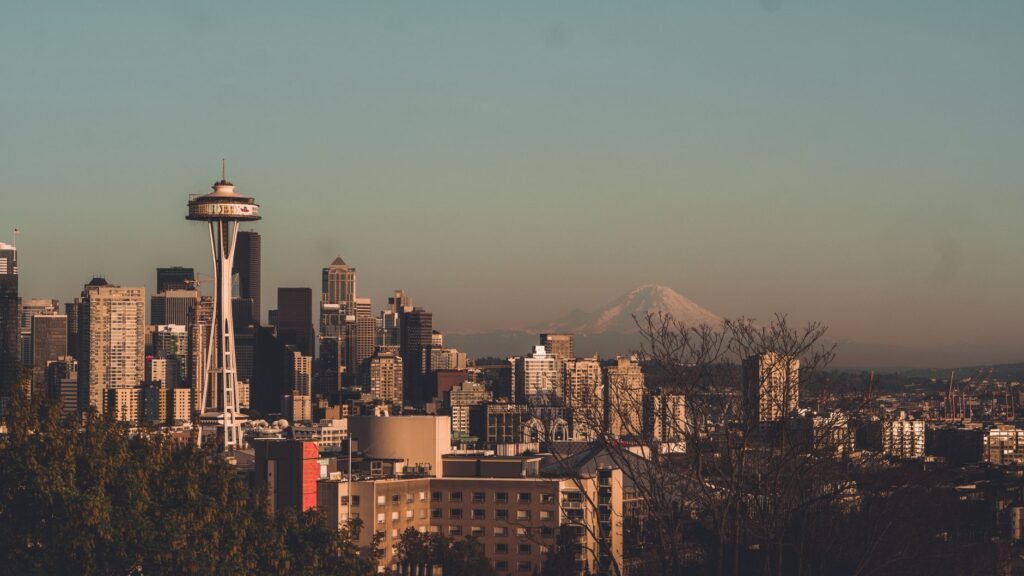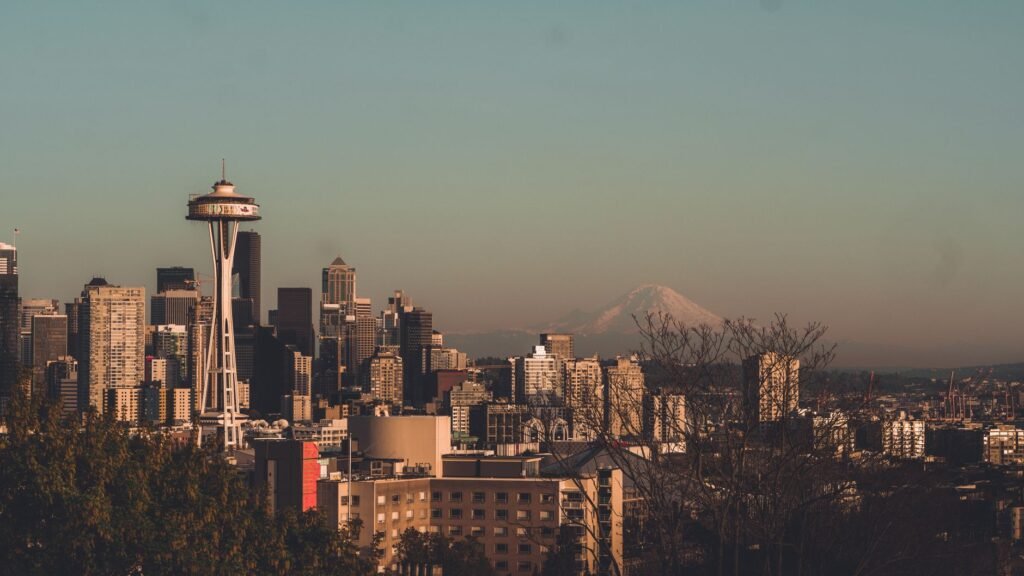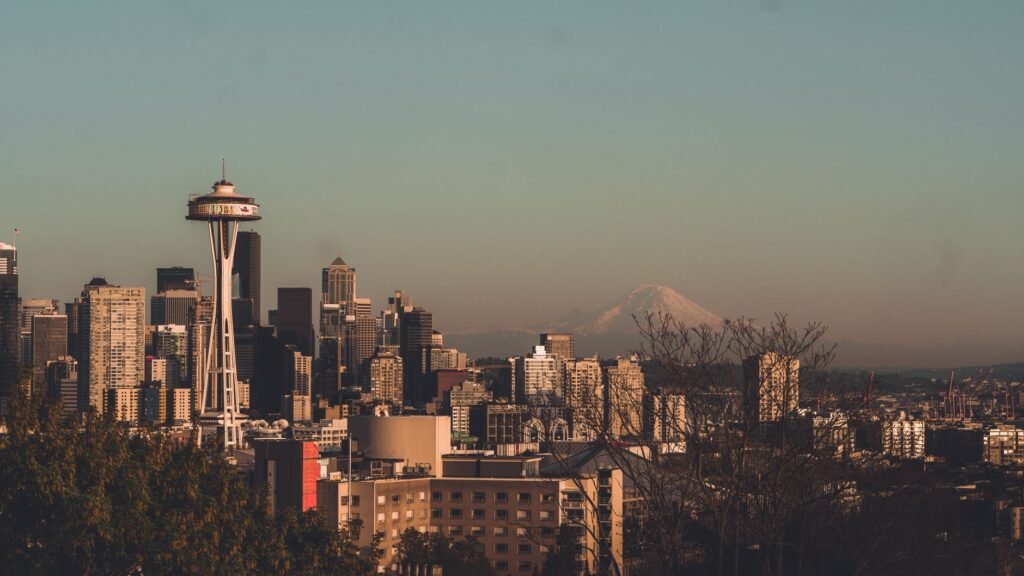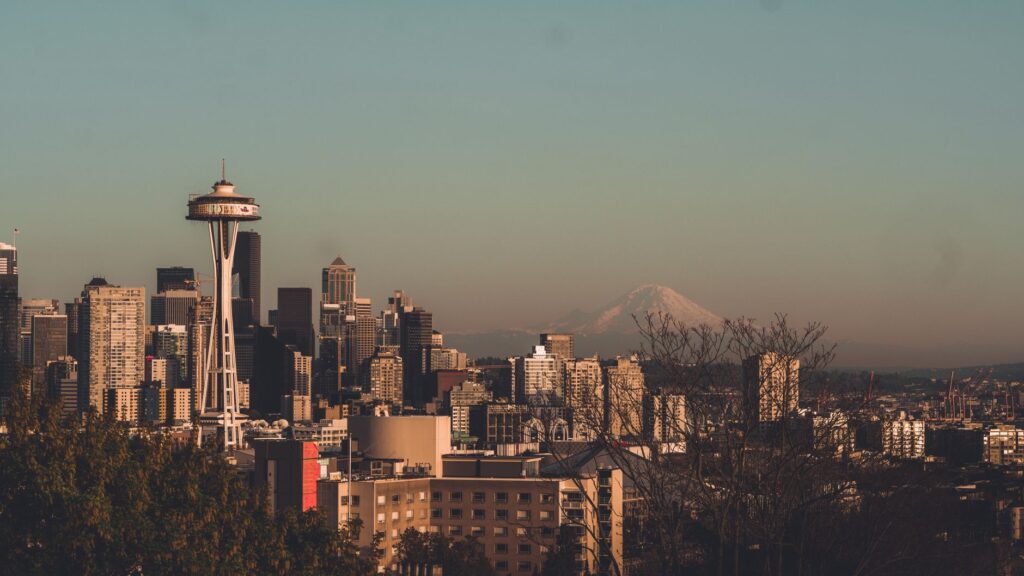
The most affordable neighborhoods in Seattle are Ballard, Beacon Hill, Columbia City, and the University District. They offer lower rents than downtown. You still get the local food scene, transit access, and the personality that makes the city worth a visit. Best part? You’ll spend a fraction of what people pay in Capitol Hill or Queen Anne.
I’ve watched Seattle change over the past decade. The tech boom pushed prices everywhere. But pockets remain where you can actually afford to stay. These neighborhoods feel like real Seattle. People live here. They work here. They’re not just passing through on a conference trip.
Ballard: Industrial Cool Without the Price Tag
Ballard sits on the northwest edge of the city. It used to be a fishing village. That character still shows today. The neighborhood has the working waterfront feel that Seattle pretends to have everywhere else.
Rent here runs 15 to 20 percent below Capitol Hill. A one bedroom averages around $1,600 to $1,800 monthly. That might not sound cheap to most Americans. Compare it to a Capitol Hill apartment at $2,000 plus, and the gap matters. For visitors, Ballard hotels and vacation rentals cost less than downtown options.
Start your day at the Ballard Market. Walk through Ballard Avenue, the main strip. The original brick buildings house coffee shops, vintage stores, and restaurants. Sunday is the best time to visit. The market opens early. The neighborhood feels looser than other days.
What makes Ballard different from Seattle’s polished neighborhoods is the grit. You see fishing boats at the Ballard Bridge. The seafood here comes off those boats. Ray’s Boathouse sits right on the water. Order the salmon. It arrived fresh. The view of Puget Sound costs nothing. The meal costs about $30 to $50 per person.
Ballard Brewery Tour is free to explore on foot. Walk the industrial corridor. Most breweries let you stop in without a reservation. Many have food trucks outside on weekends. The beer is good and cheap, around $6 to $8 per pour. This is where Seattle craft beer culture actually lives. Not in a trendy downtown gastropub.
The Golden Gardens Beach is a short drive or bus ride away. It’s one of Seattle’s better public beaches. You can’t swim here much. The water stays cold year-round. But it’s a place to sit, watch the sound, and think about how much cheaper you’re living than people three miles south.
Beacon Hill: Diversity and Real Neighborhoods
Beacon Hill anchors south Seattle. The neighborhood sprawls across a hill overlooking the city. It’s genuinely multicultural. You hear Vietnamese, Somali, Chinese, and Spanish on the streets. This is not performative diversity. It’s real.
Walk down Beacon Avenue and you understand why rent stays down. The neighborhood doesn’t cater to tourists. It serves the people who live here. The food is better because of that. A bowl of pho costs $8 to $10. A Vietnamese sandwich runs $4. Filipino diner food, Korean fried chicken, Thai curry. All cheap. All authentic because they’re not priced for visitors.
Beacon Hill Park sits at the top of the hill. It’s a good place to hike or just wander. The view of Mount Rainier on clear days is real. Not postcard-perfect, but striking. On a good day, you see the mountain dominate the southern sky. Locals sit here for free and watch the same view that tourists pay money to see from restaurants downtown.
The neighborhood connects to the light rail. The station is the heart of Beacon Hill now. It’s brought change, but slow change. Rents have ticked up. New apartments surround the station. But compared to neighborhoods with older light rail access, Beacon Hill still feels like a deal. A one bedroom rental sits around $1,500 to $1,700 monthly.
Transit matters here. The light rail takes you downtown in 15 minutes. No parking stress. No driving stress. This changes the equation for budget travelers. You stay in Beacon Hill. You save on accommodation. You take the train to Pike Place Market or the waterfront. You skip the parking fees and the hunt for street spots.
Othello Station, another stop on the line, anchors a smaller commercial district. Othello Park nearby has trails and open space. It’s green space most Seattle visitors never find. The neighborhood feels quieter than Beacon Hill proper. Rents run similar or slightly higher. Both areas reward walking around without a plan.
Columbia City: Old Seattle Vibes
Columbia City sits southeast of downtown. It’s where Seattle felt like before it got rich. The neighborhood has held onto something. It’s not wealthy. It’s not poor. It’s just a place where people live normal lives.
Rainier Avenue is the main street. The buildings are old. Not trendy old. Just old. There’s a bakery that’s been there for decades. Independent bookstores. Thrift shops. A movie theater that shows independent films. This is what Seattle neighborhoods looked like before they became brands.
Rent here runs about $1,500 to $1,700 for a one bedroom. It’s affordable without feeling cheap. The neighborhood feels stable. You won’t hear complaints about displacement like in hipper areas. People have roots here.
The Othello neighborhood just north shares similar character. You can walk between them. The Columbia City Farmers Market runs on Sundays. It’s smaller than Pike Place. Less crowded. Real vendors. Actual farmers. A few hours here beats a frantic morning downtown.
Wallingford and Fremont, nearby, are also reasonable by Seattle standards. Wallingford leans family and quiet. Fremont leans quirky and artistic. Both have rents in the $1,600 to $1,900 range. Both have good restaurants and bars that don’t feel like theme parks.
What matters about Columbia City is that nothing tries too hard. The coffee is good because it’s just coffee. The food is good because they’re just cooking. This sounds simple. It’s not. Most of urban Seattle has lost this. Columbia City kept it.
Also read: best neighborhoods in seattle for families
University District: Young, Cheap, Walkable
The University District surrounds the University of Washington campus. It’s a college town inside a city. That means young energy and budget-conscious people everywhere.
Rent drops noticeably here. A one bedroom averages $1,350 to $1,550 monthly. That’s meaningful savings. The trade-off is noise. College neighborhoods are loud. Bars open late. Students party on weekends. If quiet matters to you, look elsewhere. If you want energy and value, this is it.
The Ave, the main drag, has cheap food and cheap beer. Thai, Vietnamese, Indian, Mexican. Most plates cost $9 to $13. Beer is $4 to $6 at the student bars. Nothing fancy. Everything filling. This is where Seattle eats when it’s broke.
The University of Washington campus itself is worth exploring. Admission is free. The campus sits right on Lake Union. The views are good. The buildings are nice. The students make it feel alive. Spend an afternoon walking the grounds. Grab coffee at one of the campus cafes. You can’t really go inside buildings without a reason. But the grounds are open.
Husky Stadium overlooks the water. Even when there’s no game, the building itself is worth seeing. It’s an interesting piece of Seattle architecture. The parking lot beside it is where green Lake connects to the University District.
Green Lake, the actual body of water, has a 2.8 mile path around it. It’s paved. It’s crowded on good days. People run, bike, and walk it constantly. There’s no entry fee. No parking fee at the public lots. Rent a kayak for about $20 per hour if you want to get on the water. The lake is cold. The views of the city from the water are oddly peaceful. You’re still in the city but feel removed.
Getting Around Without a Car
Seattle’s geography matters. The city spreads north to south. East to west it’s bounded by water. This shapes how people move.
The light rail is the first choice. It runs from the airport through downtown to the University District. More lines are coming. Currently you can get from south Seattle to north with a single transfer. A day pass costs $4.50. A week pass runs about $32. This beats renting a car.
Buses cover the whole city. The network is dense. You can reach most places with one bus. Some places need two. Transit maps are free at light rail stations. Download the transit app for real-time tracking. Buses run frequently during the day. Less so after 10pm.
Biking works well here if you don’t mind the rain. The city has bike lanes. They’re not perfect. They’re better than most American cities. A cheap used bike costs $50 to $100 at local shops. Bike share exists but costs more per day than it’s worth for most trips.
Walking is honestly the best. Seattle neighborhoods are compact. If you pick one of the affordable areas and stay put for a few days, you can walk almost everywhere. This keeps money in your pocket. This gets you lost in the neighborhood. This is how you actually see a place.
Here’s what matters about transportation. Skip the rental car. You don’t need it in Seattle. Parking downtown costs $15 to $25 per day. Gas and stress add up. The transit system will get you where you need to go. Not perfectly every time. Well enough that the savings justify it.
Eating Without Overspending
This is the part where Seattle surprises people. The food scene is good because people live here. Not because restaurants exist for tourists.
Pike Place Market gets all the attention. It’s worth one visit. An hour there covers it. Then move on. The real food happens in the neighborhoods. Each affordable area has its own scene. Columbia City leans toward upscale casual. The University District goes full budget. Beacon Hill has the best ethnic food. Ballard hits everything in between.
You don’t need to eat at names you’ve heard. Look for places with lines at lunch. Look for places where the staff eats during their break. These are trustworthy signals. A good plate of food costs $10 to $15 in the neighborhoods. Downtown you pay double for the same thing.
Coffee is cheap and good. There are about 50 independent coffee roasters in Seattle. A good coffee costs $3 to $4. Chain coffee costs the same. Go independent. It tastes better. It’s worth the slight hunt.
Food carts and trucks are everywhere, especially around the light rail stations. Lunch is cheap. Quality is high. This is how Seattle actually eats on weekdays.
What You Actually Need to Know
Seattle weather is overblown in reputation. It rains, sure. It rains about 150 days per year. But it rarely rains hard. It drizzles. It’s wet. Bring a rain jacket. Layer underneath. You’ll be fine. The rain keeps the city green. The rain keeps crowds down. The rain is part of the deal.
The city has been dealing with homelessness. This is visible in downtown and around the light rail stations. It’s not dangerous. You need to be aware. Don’t leave things on car seats. Don’t walk alone through downtown parks after dark. These are baseline city rules. They apply everywhere.
The city is very bike-friendly and very dog-friendly. If you have a dog, you’ll love it here. Dog parks exist everywhere. Dogs are welcome in most restaurant patios. If you bike, you’ll love it here too. The infrastructure supports it.
Summer is the best time to visit. May through September is when Seattle shows off. June is perfect. Not too hot, not too rainy. Weekdays are better than weekends if you want to actually move around. Weekends everything is crowded.
One more thing about affordable neighborhoods in Seattle. They’re affordable because they’re real. They’re not gentrified yet. This changes annually. Prices go up. But today, these four areas offer the best value. Live in one of them. Spend what you save on food and beer and exploration. That’s the Seattle math that still works.
Reference: Seattle