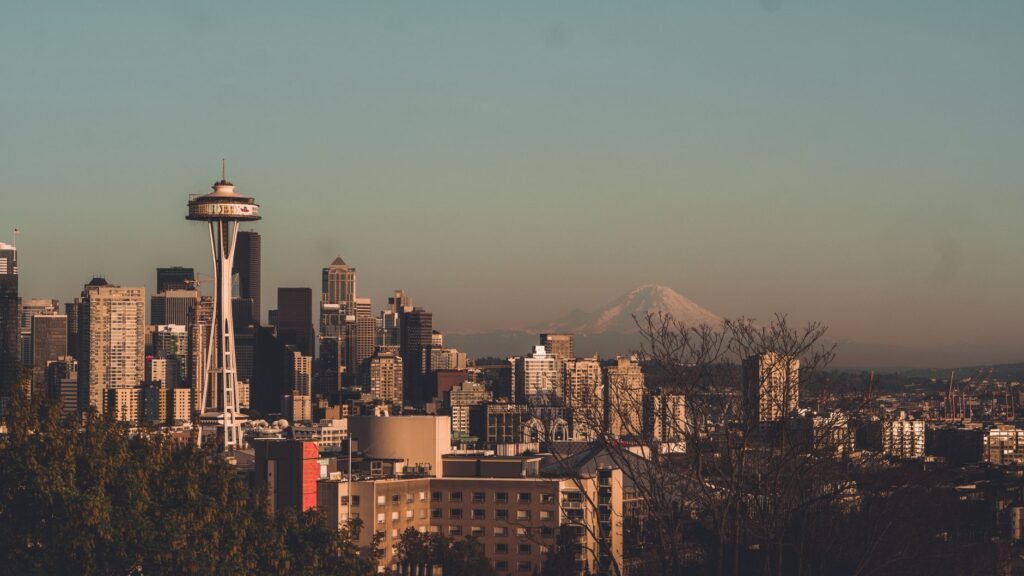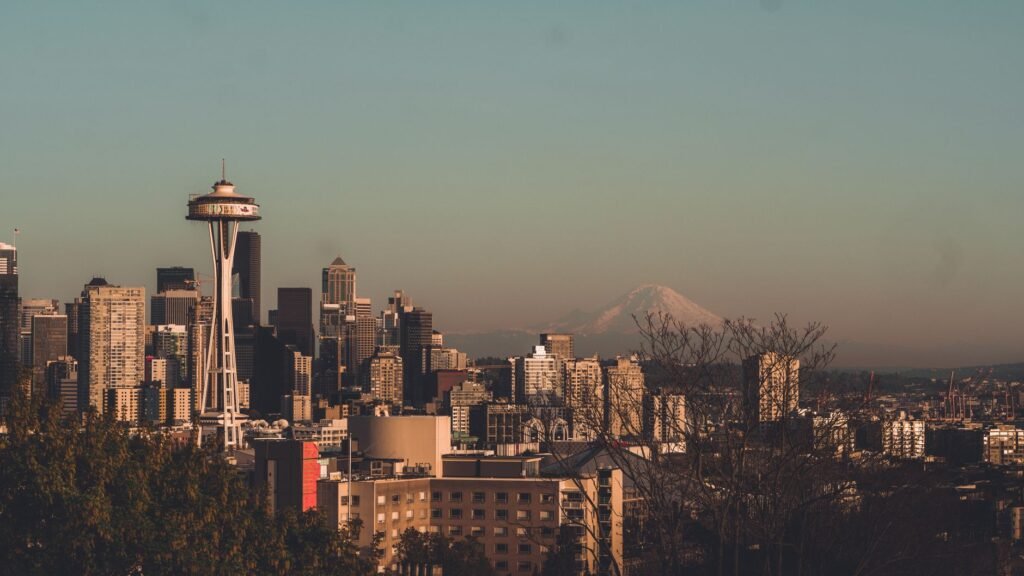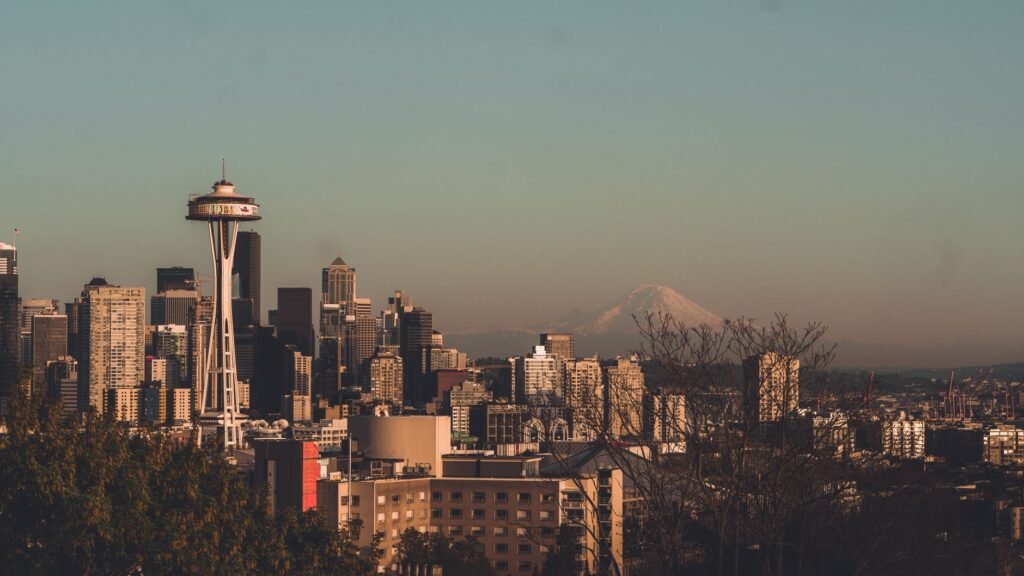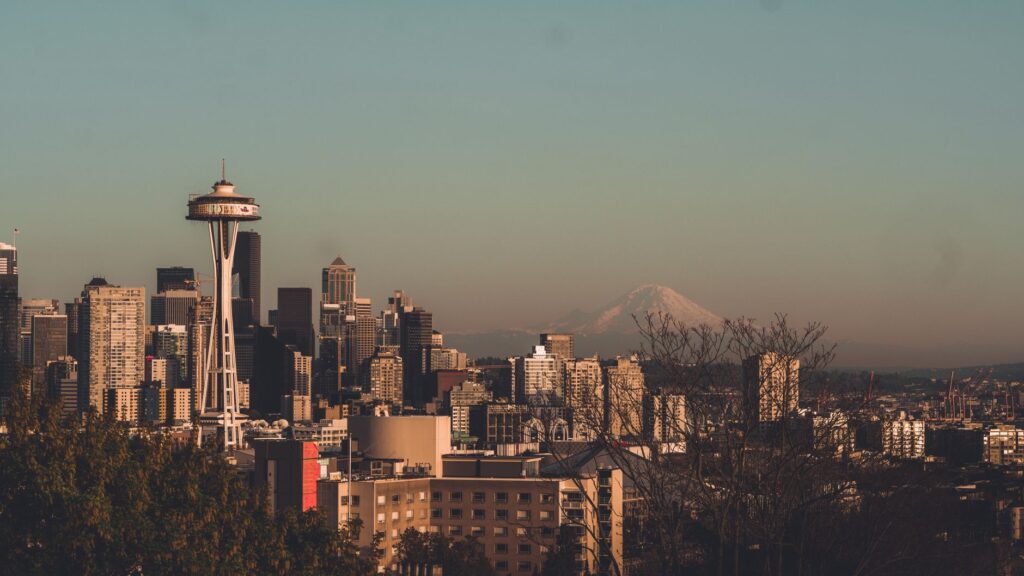
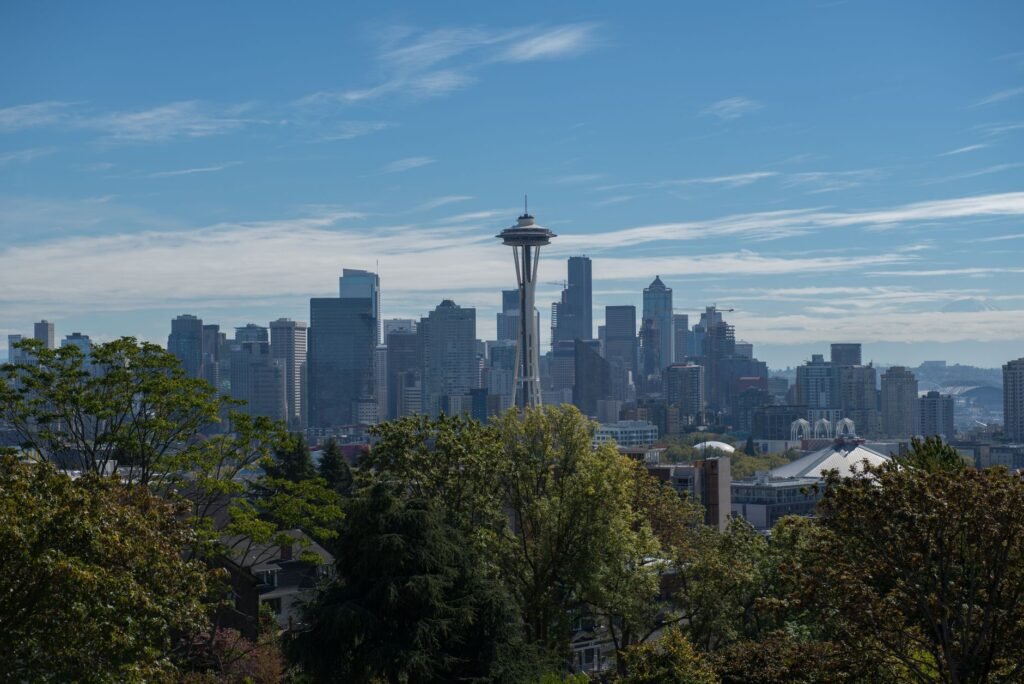
The best things to do in Seattle in October range from hiking through fall foliage to catching world-class theater and dining at restaurants that have earned serious attention. October is honestly the ideal month to visit. Summer crowds have thinned out, the weather turns crisp without being brutal, and the city shows up for its arts scene in a big way.
Most visitors make one mistake with Seattle in fall. They pack as if they’re heading somewhere mild. Bring layers. The mornings sit in the low 50s. By afternoon you might hit 65. Rain arrives without warning. A good fleece and a rain shell are non-negotiable. Leave the heavy winter coat at home for now.
Hike the Trails Around Mount Rainier
October transforms the Mount Rainier region into something genuinely special for day hikers and weekend adventurers. The summer crowds have cleared out completely. The snow hasn’t arrived yet at lower elevations. You get the park almost to yourself.
The drive from Seattle takes about two hours to reach the park entrance. Most people head straight for Reflection Lakes or Skyline Trail. Both offer the classic postcard view of the mountain reflected in water. But here is what changes the experience. The larch trees glow golden yellow in October. Nothing else looks quite that way. Douglas firs frame everything in deep green. The contrast is what makes photographers stop and stare.
Do not attempt anything above 8,000 feet without checking current conditions first. Early season snow can hit higher elevations without much warning. A short hike like Reflection Lakes takes about 90 minutes and covers roughly 5 miles. The payoff is massive views with minimal effort.
Parking fills up by late morning on weekends, even in October. Leave Seattle by 7am if you want a good spot. Pack snacks and water. The lodge cafeteria charges high prices for basic food. A picnic at one of the alpine meadows costs almost nothing and tastes far better.
Read more: Best Skiing & Snowboarding Near Seattle Resorts
Explore Pike Place Market Without the Summer Rush
Pike Place Market stays open year-round, but October gives you something summer never does: space to actually move around. The flower stalls still overflow with dahlias and late-season blooms. The fish throwers are still there doing their thing for tourists. But you can actually walk at a normal pace. You can stand at the railing without getting shoved.
The real advantage comes early in the day. Arrive between 9 and 10am on a weekday. The vendors are stocking shelves. The light is good. The coffee line at the original Starbucks is manageable, though honestly not worth waiting for. Better coffee exists five blocks away at any number of other spots.
Walk down to the lower levels where the craft vendors and antique stalls sit. This is where locals actually spend time. You will find used books, vintage records, and odd treasures that museums somehow missed. The smell of fish and coffee near the market at 7am tells you exactly what this place is about. It is not a museum. It is a working market where people buy their groceries and tourists buy their memories.
The experience shifts based on timing. Weekday mornings are purely functional and quiet. Saturday afternoons feel like a county fair. Pick your vibe based on what appeals to you.
Catch World-Class Theater and Arts Events
Seattle’s arts scene comes alive in October as new seasons open. This is not a small-town theater circuit. The Seattle Repertory Theatre, American Conservatory Theater productions, and smaller playhouses bring in talent that draws critics and serious audiences.
Check what opens in early October before you book your trip. Major theater productions often premiere in September or early October. You might catch something nationally known or a local production that turns out to be the highlight of your visit. Prices range from $25 for smaller productions to $80 for seats at the main rep theater. Many performances offer discounts if you buy tickets for weekday matinees or preview nights.
The arts community here has real money behind it. Philanthropists fund theater the way they fund universities in other cities. The result is high production values and ambitious programming. You are not settling for regional theater. You are watching work that would thrive on the main stages of larger cities.
The Paramount Theatre downtown shows Broadway touring shows and concerts. The Moore Theatre in Capitol Hill leans toward indie music and comedy. Neither requires you to book months in advance the way New York does. Two weeks out is usually fine.
Walk the Neighborhoods on Foot
Capitol Hill, Fremont, and Ballard reveal themselves best when you walk them slowly. October weather makes walking easy. The rain comes and goes quickly. The temperature stays in the range where you actually feel like moving.
Capitol Hill shows up as quirky and young. The vintage shops run deep here. Pine Street between 10th and 15th has the best concentration. Record stores, used clothing, bookshops, and galleries sit side by side. Stop for lunch at one of the dozens of cafes. The neighborhood cares about coffee more than most places do. This is not marketing. Independent roasters are everywhere.
Fremont sits about 15 minutes north by car. It is smaller and weirder. The Fremont Troll lives under a bridge and holds a crushed Volkswagen. The Sunday Market in summer shuts down by late September, but the neighborhood itself never sleeps. Vintage shops here lean toward the offbeat. The food carts and small restaurants punch above their weight. This is a neighborhood where people live because they want to be there, not because the rent forced them.
Ballard changed dramatically in recent years. Industrial warehouse space converted into restaurants and studios. The neighborhood has money now and it shows. But the Ballard Locks remain free and fascinating. Watch salmon migrate upstream. Seals follow them for easy meals. Stand there for 30 minutes and you watch a piece of the Pacific Northwest that has not changed much in centuries.
Allow the full day for neighborhoods. You cannot rush this. Walk, stop, sit, eat. That is the method.
Also read: What to Do in West Seattle: A Complete Local Guide
Visit Museums Worth Your Time
The Seattle Art Museum sits downtown near the waterfront. It holds modern art collections on the West Coast. October crowds are noticeably lighter than summer. You can actually spend time with paintings without feeling rushed. Admission runs $25. Hours vary slightly by day.
The Museum of Flight sits south of downtown near the airport. Plan half a day or a full day depending on your interest level. The collection of vintage aircraft is genuinely interesting even if you do not care much about aviation. The restoration workshop is visible from the gallery. Watching experts work on a 1920s seaplane is oddly absorbing. Admission costs $28.
The Burke Museum on the University of Washington campus covers natural history and Pacific Northwest Native cultures. This is a smaller museum but genuinely excellent. Most tourists miss it entirely. Local people go regularly. October is when the university campus looks lovely without being crowded. Admission is pay-what-you-can on Thursdays after 5pm.
Do not feel obligated to do all three. Most visitors pick one and spend quality time there. That is the right approach.
Eat and Drink Like Someone Who Lives Here
Seattle’s restaurant scene has grown serious in recent years. October brings cooler weather when people want to eat inside and linger.
Start with a simple principle. Ignore the waterfront tourist restaurants almost entirely. They exist to turn tables quickly. The good food is in neighborhoods. Ballard holds a concentration of ambitious restaurants. Wallingford has long-standing spots where people book months ahead. Capitol Hill restaurants lean toward young chefs taking risks. That is where surprises happen.
Reservations matter more in October than summer. The best places book up for Friday and Saturday nights. If you want to eat at a well-known restaurant on a weekend, call or reserve online at least a week ahead. Weekday evenings are almost always open. Tuesday dinner tastes the same as Friday dinner. The timing just affects how crowded it feels.
Seafood is obvious here. Salmon and halibut show up on nearly every menu. Fresh fish at a casual spot costs less than trying to get a reservation at somewhere fancy. Pike Place Market has fish counters where you can buy fresh salmon and cook it yourself if you have a kitchen. That is often cheaper and more memorable than eating out.
Coffee is a religion here, but you already knew that. The independent roasters are actually good. Skip Starbucks. Walk into any random coffee shop and order a pour-over. You cannot really lose.
What to Know Before You Go
October weather in Seattle sits at a comfortable place. Morning temperatures around 50 degrees feel fresh. Afternoons reach the mid 60s. Rain happens but not all day. It is completely different from Seattle’s reputation for perpetual gloom. That mostly applies to November through March.
Pack a rain shell and layers. You do not need much else. Tennis shoes that can handle wet pavement work better than hiking boots for walking the city. Waterproof bag or backpack matters if you plan to be out all day.
The public transit system works fine for getting downtown and to major attractions. A day pass costs about $5. Uber and Lyft operate normally here. Parking downtown costs $15 to $25 per day if you drive. Neighborhoods have free street parking if you want to explore on your own.
Budget roughly $120 per day for food if you eat breakfast yourself and go to one dinner and lunch out. Museum admissions run $25 to $30 each. Theater tickets range from $25 to $80. Hotels run $100 to $200 per night for something decent. The math adds up quickly. Expect to spend about $400 to $500 per person per day including lodging.
The city is safe in the way any major American city is. Downtown and popular neighborhoods are well patrolled. Use normal sense. Do not leave a bag on a car seat in an obvious spot. Standard urban precautions apply. This is not a place where you need to worry constantly.
October is genuinely the best month to visit Seattle. The summer crowds clear. The weather turns perfect. The arts calendar fills up. Locals come out of hiding. If you can only come once, come in October.
Reference: Seattle