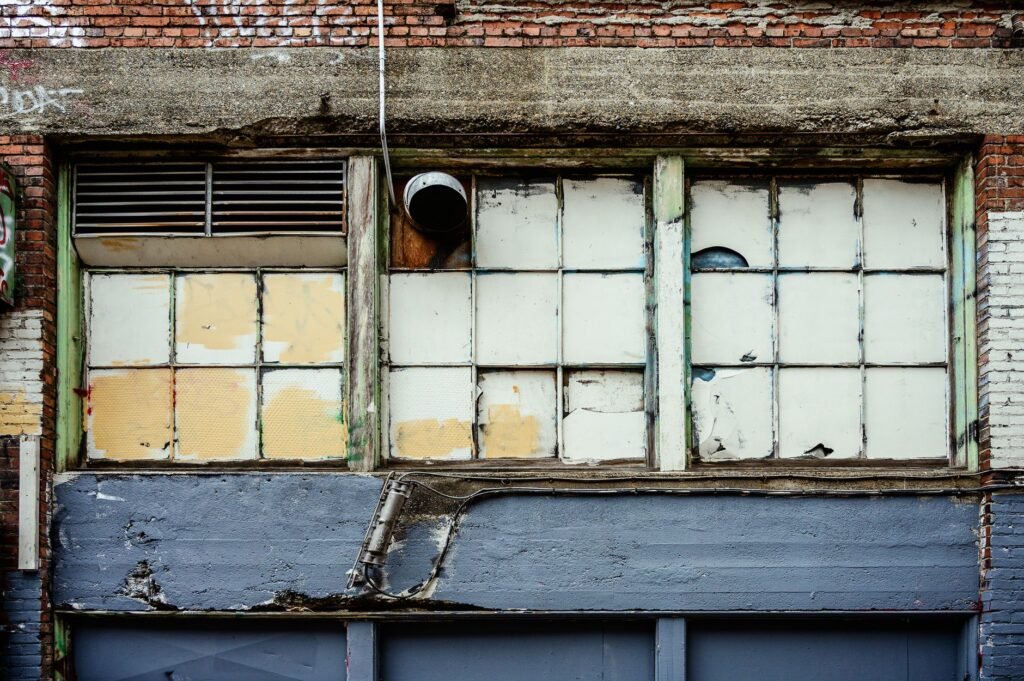
Seattle has several genuinely interesting abandoned places that tell the city’s real story. Most are not cordoned off museums. You can actually visit many of them. The ruins, the forgotten buildings, the spaces the city moved past. They show how Seattle grew, boom and bust, industry and decline. Most casual travelers never look for them. That’s a mistake.
The city sits on water and hills. It also sits on layers of history that nobody talks about. The Gold Rush brought money in fast. Then the shipping industry. Then tech. But in between and underneath, things were left behind. Basements filled with water. Buildings condemned and sealed. Streets that disappeared. The underground district is the most famous, but there is more than that.
The Underground City Still Exists
The Seattle Underground is real and partly open to visitors right now. It is not some wild ruin. Parts are actually maintained. But understanding what it is, and what it is not, matters before you go. Basically, the city got raised up. That happened over several decades starting in the 1880s. Buildings stayed where they were. Streets got filled in. Now there is ground level, and there is a whole other Seattle below it.
When you walk through downtown Seattle today, you are walking over old storefronts. You are walking over sidewalks that used to see light. Architects paved it over. Property owners adapted. Some storefronts just closed. Others were abandoned mid-operation. Remnants sat down there for a century or more in darkness.
Tourist tours exist. They are fine if you want the official story. The tours run about 90 minutes. Cost is around $22 to $25 per person. You get a guide who explains the engineering. You see some remnants of old buildings. You learn about why the city raised itself up. The Great Fire of 1889 destroyed a lot of downtown. Rebuilding was the moment to do it.
But here is what matters. The tours show you maybe 2 percent of the actual underground. The rest is inaccessible. Partly sealed. Partly unsafe. Partly still in use as basements and storage. You will not stumble upon it by accident. The guided tour is the mainstream way to see it. There are urban exploration groups that know more. That route is different.
What makes the underground compelling is not the tour itself. It is knowing it is there. It is knowing that underneath the coffee shops and the tech offices and the ferry terminals, an entire city exists. People lived there. Sold things there. Worked there. Then the city literally left it behind. The layers pile up. That is the real story.
Reference: Seattle Underground
Georgetown’s Ghostly Industrial Heart
Head south from downtown about 4 miles and you will find Georgetown. It used to be its own town. Now it is Seattle. The transition happened slowly. Georgetown never fully integrated into the city’s identity. It stayed rough. It stayed industrial. Now it is the place where the city’s old spine still shows.
The buildings in Georgetown date back to the early 1900s. Many are still standing. Most are empty. The facades are beautiful in the way that old brick is beautiful. But the windows are dark. The businesses moved out decades ago. Warehouses closed. Factories shut down. The neighborhood did not gentrify the way others did. It stayed forgotten.
Walk down Airport Way or South Othello Street. You will see what this looks like. Massive brick structures. Some four stories tall. Built to last forever. Built for an economy that left. The signs on the buildings tell you what used to happen inside. Printing. Manufacturing. Storage. Distribution. All gone now. The storefronts that still function are few. A bar here. A restaurant there. Mostly silence.
The reason to go is simple. You want to see what an American industrial neighborhood looks like when the industry leaves but the neighborhood itself does not vanish into development. Georgetown is stuck in time. Not in a preserved way. In an abandoned way. Nobody tried to save it as a historical district. The city let it be what it became. That is rare in Seattle. It is worth the drive.
Structures Worth Finding
Seattle has several other spaces that have slowly been forgotten.
- The Interbay Golf Center building sits empty and rotting near the water.
- Fort Lawton has old military structures from decades ago.
- The abandoned Duthie Hill quarry has water-filled pits and strange geology.
- Freeway Park is not abandoned but feels post-apocalyptic on purpose.
- The old Rainier Tower garage has been sealed but still stands downtown.
- Small warehouses near the Ship Canal sit with boarded windows.
None of these are major tourist attractions. That is the point. They are real places that still exist. Some you can see from the outside. Some you can get closer to. None are actively preserved. Most are slated for eventual redevelopment or demolition.
What matters before you visit is one basic rule. Respect the private property. Most of these buildings are still owned by someone. You can look from the street. You can photograph from the street. You cannot kick down a door or climb onto a roof. That rule separates legal exploration from trespassing. Breaking and entering happens. People get arrested. It is not worth it.
The Water and the Decay
One specific type of abandoned space in Seattle deserves attention. Old piers and waterfront structures. The city is built on water. For a century, the water was the economy. Fishing docks. Shipping terminals. Float planes. Ferries. The waterfront was the job. Now most of that activity moved elsewhere or consolidated.
Walk along the Elliott Bay near Ballard. You will see remnants. Old pilings still stick up through the water. Some structures from fishing operations remain. The smell of fish and diesel fuel hangs in the air near the old piers at sunrise. These are not quite abandoned. Commercial fishing still happens. But the scale is a fraction of what it was. The infrastructure that remains is partly derelict.
The real abandoned waterfront structures are north and south of the main tourist areas. The Duwamish Waterway has industrial history that is even more visible. The river itself is contaminated. Superfund status. But if you drive along East Marginal Way or West Marginal Way, you see the bones of the shipping and manufacturing economy. Cranes that do not move. Docks that nobody uses. Water treatment facilities that are barely running.
This matters because it explains something about Seattle that downtown alone does not tell you. The city did not transition smoothly. It did not plan its way out of industrial work. It abandoned it. The physical remnants are still there. The economic pain from that transition is also still there.
Why These Spaces Matter
Understanding abandoned places in Seattle means understanding what the city chose to leave behind. This is not about nostalgia. It is about how cities evolve. What gets preserved. What gets demolished. What gets forgotten intentionally versus what just decays naturally.
Seattle made choices. The underground was sealed when the city decided its future was above ground. Georgetown was forgotten when the city’s economy shifted north and east. The waterfront was privatized and consolidated when shipping moved to deeper ports. These were decisions. Or nondecisions. The result is the same. The physical evidence remains.
For a visitor, seeing these spaces adds context. You see downtown Seattle and it is sleek. It is new. It is expensive. Then you go to Georgetown and you see what came before. You understand that the city is built on layers. That change is fast. That history gets covered up, not erased. The buildings still stand. They just stand empty.
Also read: What to Do in West Seattle: A Complete Local Guide
What to Actually Do
If you want to engage with this history, here is how to do it strategically.
- Take an official underground tour downtown to understand the engineering and the fire history.
- Drive to Georgetown on a weekday morning when light is good and you can move slowly.
- Stop at a coffee shop or bar that actually operates in Georgetown and ask locals what they know.
- Walk the streets there for an hour or so.
- Head north to Ballard and look at the waterfront from the bridge at sunset.
- If you have time, drive along the Duwamish on the west side and see the industrial waterfront.
Do not treat this as a full day tour. It is not. Mix it with other Seattle activities. The underground tour fits in downtown. Georgetown is a detour. The waterfront can be part of a broader Seattle trip to neighborhoods like Ballard or Queen Anne.
The camera work is worth mentioning. These spaces photograph well if you like that kind of thing. Decaying brick. Empty storefronts. Water and rust. It is not the Space Needle. It is grittier. That appeals to some people more than to others. Be honest with yourself about what you want from a trip before you commit.
A Final Note
Visiting abandoned places requires different expectations than visiting traditional attractions. There are no gift shops. There are no clear opening hours. There is no snack bar. You are looking at things that time forgot. That the city forgot. That development has not yet erased.
That is actually the appeal. Seattle is expensive and new and modern. These spaces remind you that underneath all that, an older city exists. A working city. An industrial city. A city that had boom cycles and bust cycles just like every other American city.
If you are in Seattle for a week or more, make time for it. If you are there for three days, you probably have other things to prioritize. But if you want to see what real Seattle looks like beyond Pike Place Market and the waterfront tourism district, the abandoned spaces tell you more truth than the polished parts do.