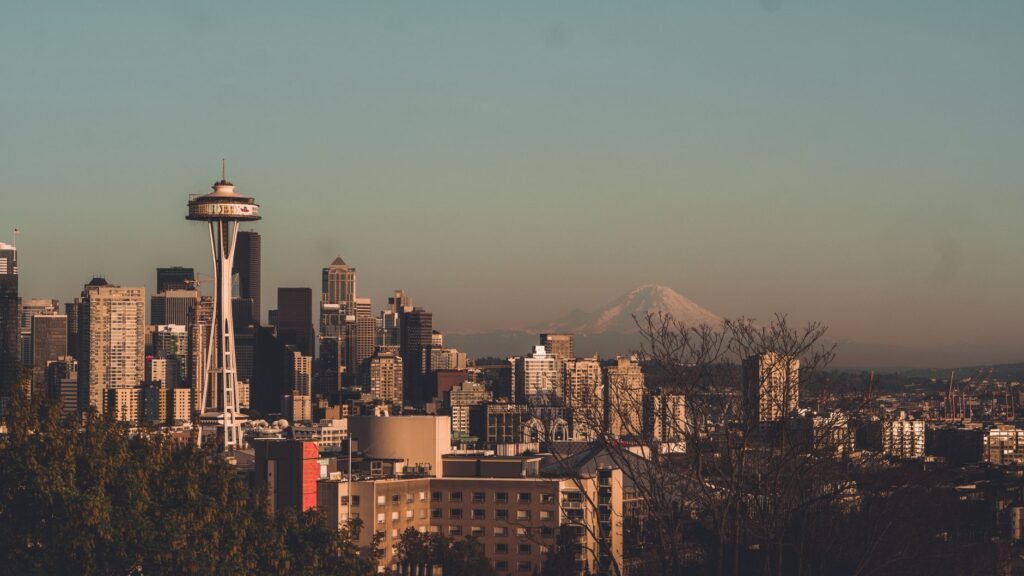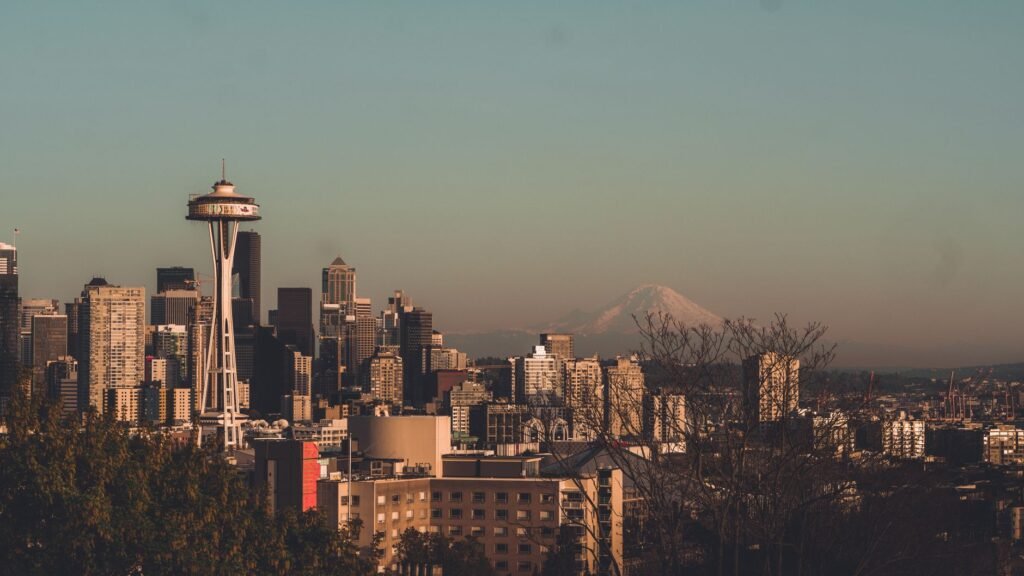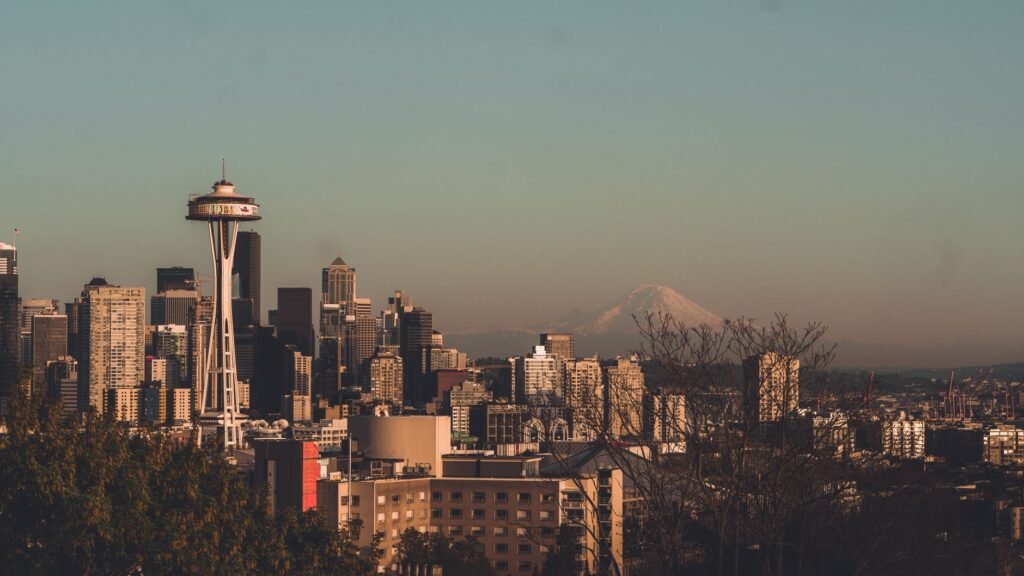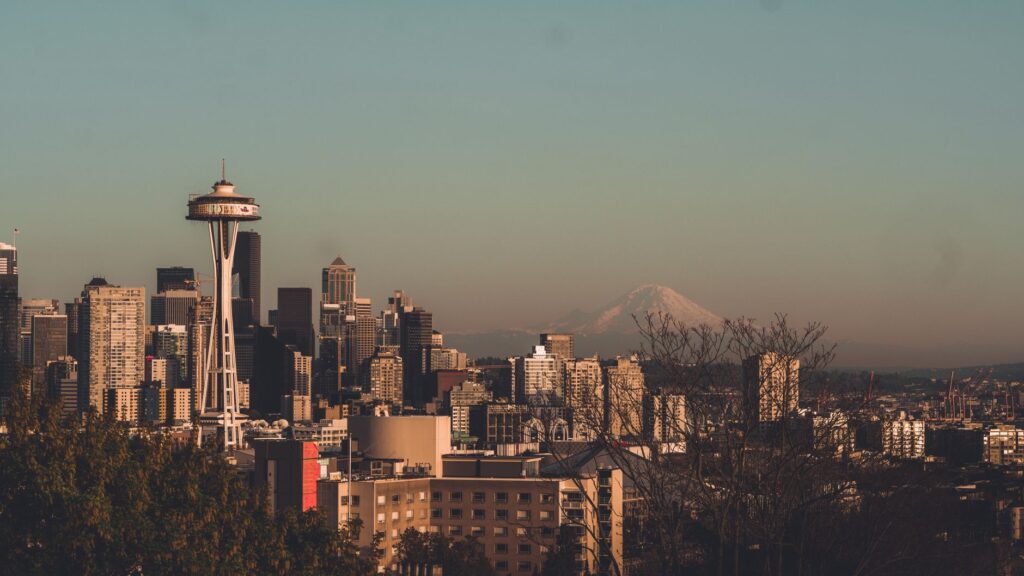
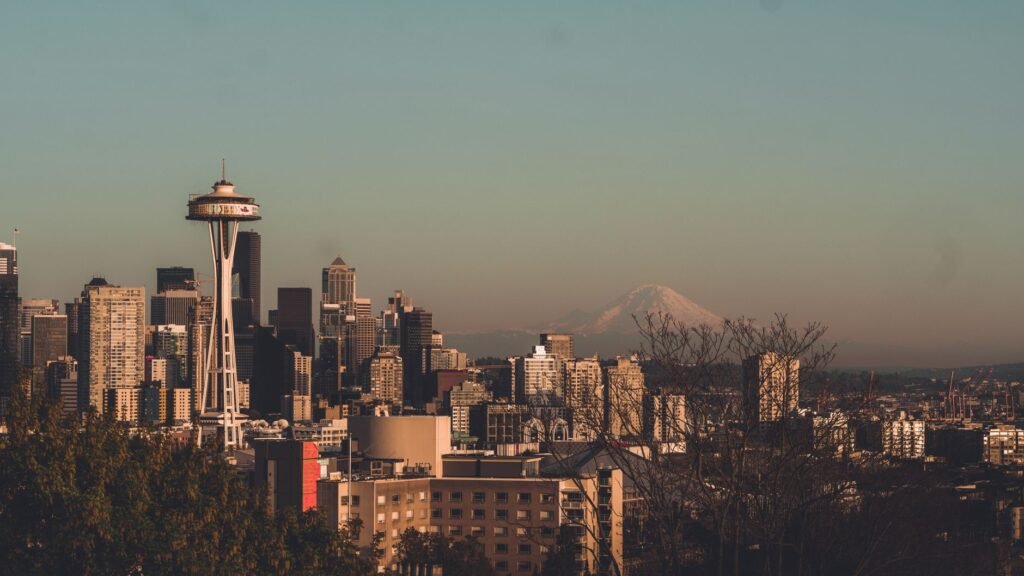
The best things to do in Seattle in February are indoor activities that take advantage of the city’s world-class museums, music venues, and food scene during its quietest season. Winter is when Seattle shows its true character. The summer crowds have vanished. The rain is real, but that’s precisely why you can move through Pike Place Market without fighting for elbow room. You get the city to yourself. February specifically sits in that where the worst of the wet weather usually passes, and you avoid both the holiday rush and spring break chaos. Locals actually tell you this is when they rediscover their own city.
Pike Place Market Without the Summer Crush
Pike Place Market operates year-round, and February is when it becomes a place of actual commerce rather than pure tourism theater. You move through the stalls at a human pace. The fishmongers still throw their catch with the same flair. The flower vendors still have their arrangements out. But you are not elbowing through fifteen bodies to see it happen. This matters more than you think when you are planning things to do in Seattle in February.
Get there early, around 7am on a weekday if possible. The smell of fish and coffee mixes with wet pavement. The market vendors are just setting up. You can talk to them. Ask about what is fresh. Learn why they chose their stall location. This is the market before it becomes a photo opportunity. Breakfast here costs between 12 and 20 dollars. The coffee is genuinely excellent. The pastries from the bakeries around the market are worth the trip alone.
What makes February different here? The produce is winter produce. Root vegetables, citrus, hardy greens. It tells you something true about what grows in this region. Summer is the tourist version of the market. Winter is the real one.
Also read: seattle in february
The Waterfront and Harbor Tours
Seattle’s waterfront runs along Puget Sound, and February offers clear water and low crowds. The air is cold but not brutal. You can see the Olympic Mountains across the water on clearer days. The ferry rides to nearby islands still operate on regular schedules, and they are far less packed than summer.
Consider taking the ferry to Bainbridge Island just for the ride itself. It costs about 9 dollars each way and takes 35 minutes. On the return trip at dusk, you see the Seattle skyline light up across the water. Bring a coffee from Pike Place and stand on the upper deck. This is not a photo moment. This is what people move to Seattle for. You do not need to spend a day on the island unless you want to. Many visitors just make the round trip.
The waterfront also has museums and aquariums worth exploring on rainy days. The Seattle Aquarium sits right on the pier. Entry is about 35 dollars. The jellyfish exhibits are strange and soothing. The octopus tank is where you stand longer than planned. This is a good place to be when the rain actually comes down hard. Indoor activities in February are not a backup plan. They are the point.
Live Music and the Music Venue Scene
Seattle’s music scene is serious business, and February is active without being impossible. Venues like The Paramount, The Moore, and The Crocodile have shows most nights. Tickets run 30 to 80 dollars depending on the artist. You might not have heard of every performer, and that is the advantage. You discover things here.
Walk through Capitol Hill on a Friday evening. Venues are scattered up and down Pike Street and the side blocks. Posters cover the walls. Dozens of shows happen on any given night. Pick one that interests you. Most clubs sell drinks but also let you bring your own food from nearby restaurants. This is not a tourist activity disguised as live music. This is how Seattleites spend their winters.
The legend here is real enough. Nirvana played here. So did Soundgarden. Pearl Jam formed here. But frankly, the history is less important than the current energy. February shows are often good because people actually want to be there. No one is just filling a summer evening slot. Everyone came specifically for the band.
Museums and Rainy Day Indoor Activities
The Chihuly Garden and Glass museum sits near the Space Needle, and it is extraordinary in ways the photographs do not capture. Admission is about 35 dollars. Chihuly creates massive glass sculptures. Inside the museum, you walk through rooms where light hits thousands of glass pieces. It is hypnotic. Some rooms are dark. Others are bright. The garden space outside has pieces arranged among plants. February rain actually enhances this. The glass reflects wet sky and wet grass.
The Seattle Art Museum downtown is another strong option. Admission runs 22 dollars. The collection includes Northwest Coast Native art, contemporary work, and traveling exhibitions. The building itself is worth seeing. It has good bones and good light. You can easily spend three hours here without feeling rushed.
For something different, the Museum of Pop Culture in the same area costs 28 dollars. This is where music, film, and television history lives. The indie rock exhibit is strong. The horror film section is better than expected. This museum does not pretend to be high art. It is enthusiast space, and it feels authentic.
All three of these museums are less crowded in February than any other season. You see the actual work rather than navigating crowds. This is when museums are useful rather than obligatory.
Food Beyond the Pike Place Stalls
Seattle’s food scene has moved well beyond seafood and coffee, though both are still excellent. February is restaurant season. Places are not booked solid. You can often get reservations without booking weeks ahead.
Ballard neighborhood is where you should eat dinner. This area north of downtown has become the center of Seattle’s food energy. It has Scandinavian roots, and you can see that in the design of many restaurants. Wallingford and Fremont are also strong options. Both are authentic neighborhood areas where locals actually eat.
Budget 60 to 100 dollars per person for a good dinner with drinks and tip. That covers mid-range restaurants that are well-executed, not fancy or haute cuisine. Places like Unearthly Delights or Staple and Fancy have Michelin recognition but feel casual. You sit at the counter. You watch the kitchen. The food is straightforward but excellent.
Breakfast is the best meal in Seattle. This is not a local quirk. This is actual fact. Budget 18 to 30 dollars for breakfast. Sit down. Spend time. The eggs are properly cooked. The coffee is strong. The baked goods are fresh that morning. Places like The Walrus and the Carpenter group are known for dinner, but even basic coffee shops here take breakfast seriously.
Rain Gear and What Actually Matters
Seattle’s rain is legendary, and February often brings real rain rather than drizzle. This changes what you pack and how you plan days. Forget the rain jacket that works in New York. Get proper waterproof gear. The rain here is not aggressive. It is patient. It lasts for hours. You need gear that does not become a swamp.
Here is what actually works:
- A good waterproof jacket with a hood that fits over a baseball cap
- Waterproof pants if you plan to be outside for hours
- Boots with real traction on wet pavement
- A small umbrella, but know that rain comes sideways
- Moisture-wicking layers underneath, not cotton
- A waterproof bag for your phone and wallet
Local gear stores like REI stock exactly what works here. Prices run 60 to 150 dollars for a quality jacket. This is not wasteful. You will use this jacket in Seattle and many other places. Do not cheap out. The discount rain jacket becomes miserable.
The rain itself is not a reason to stay inside. Seattleites spend February outside all the time. They just dress properly. You should too.
Neighborhoods Worth Walking
Each Seattle neighborhood has its own character, and February is ideal for slow exploration. Capitol Hill is the arts district. It is younger and louder. Ballard is more Scandinavian and food-focused. Fremont is artsy and strange. Queen Anne has views of the city. Wallingford is where locals actually live. Greenwood is quiet and residential. Pick one for an afternoon.
Walk without a specific destination. Notice the storefronts. Visit the coffee shops. Most neighborhoods have their own coffee culture. Caffeine is not incidental here. It is how mornings start. Budget 6 to 8 dollars for a good coffee and pastry. Seattleites will judge you for ordering from a chain, and they are right to.
The neighborhoods are connected by buses, but walking between them is often better. Capitol Hill to Fremont is about 2 miles through various residential streets. It takes an hour with stops. You see Seattle from the street level, not from a transit vehicle. Rain makes this more fun, not less.
Also read: what to do in west seattle a complete local guide
The Space Needle and Views
The Space Needle is a tourist thing, and February is when tourists are sparse. Admission is about 30 dollars. The views are good but not remarkable unless the weather is clear. On a cloudy day, you see city and clouds at eye level.
This is worth doing once if you have never been to Seattle. The observation deck is 520 feet high. You rotate on a circular path. You see Puget Sound, the mountains, and the city sprawl. On clear days, you see Mount Rainier. This is striking.
The Needle also has a rotating restaurant. Dinner there is expensive and mediocre. Skip the restaurant. Get a coffee from the concession stand and enjoy the view from the observation deck instead. You pay the same fee either way. Why waste time on bad food when the view is free once you are up there?
When to Go Within the Month
February weather in Seattle is unpredictable, but patterns exist. Early February often carries rain from January. Mid-February sometimes clears. Late February can flip toward spring. None of this is guaranteed. Rain can come any day. This is not a problem. Rain here is soft and patient.
Weekdays are noticeably less crowded than weekends. Mondays through Thursdays are when you actually move through museums and markets. Weekends bring out locals and weekend visitors from Portland and Vancouver. This is fine, but the quiet is better.
Plan indoor activities for when the forecast shows heavy rain. Plan neighborhood walks and waterfront time for when it is merely damp. This means checking the weather the day before and being flexible. Seattleites do this automatically. You should too.
Getting Around Without a Car
Seattle has buses, a light rail system, and ferries. If you are staying downtown or in Capitol Hill, you do not need a car. Parking downtown costs 15 to 25 dollars per day in lots. Street parking is limited and has strict time restrictions. Honestly, skip it.
The light rail connects downtown to the airport and to the University District. It costs 3 dollars per trip. Buses are 2.75 dollars per trip. A day pass is 10 dollars. For a long weekend, this is the right move. The public transit works well enough. It is not perfect, but it is reliable.
Walking is the best way to see Seattle. Neighborhoods are pedestrian-friendly. Streets are clear. Weather is not brutal. You move between areas on foot and take transit when distances are long. This is how locals get around.
February is when Seattle is most itself and most accessible. The crowds are gone. The food is excellent. The music scene is active. The weather is manageable. You see what made people choose to live here instead of just passing through.
Reference: Seattle