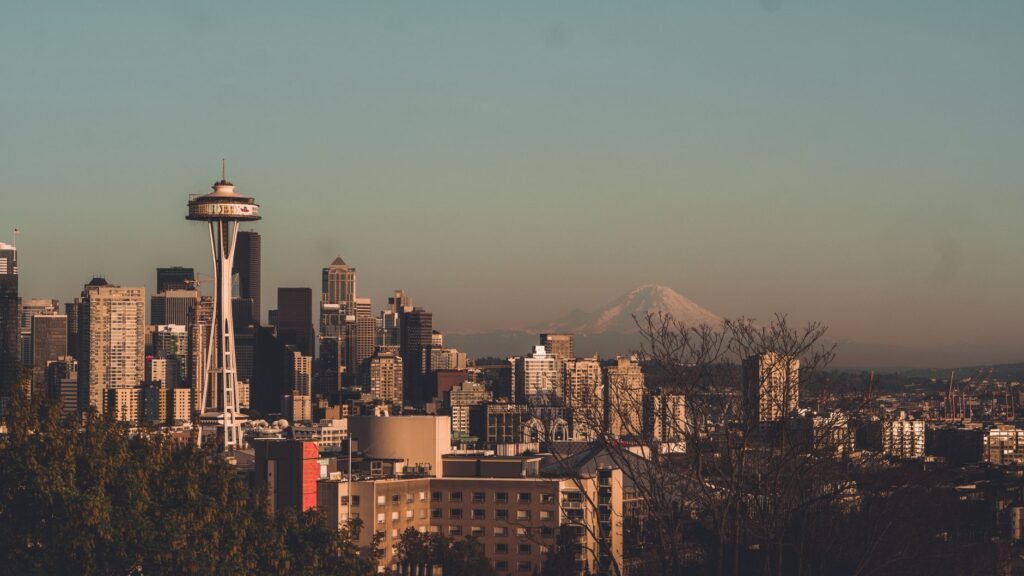
The safest neighborhoods in Seattle are Capitol Hill, Ballard, Queen Anne, and Green Lake, in that order based on violent crime rates and visitor comfort. That said, safety here is relative. Seattle is far safer than many major American cities. But petty theft and car prowls happen regularly downtown. The city ranks below average for violent crime. Property crime is in certain blocks.
I’ve spent time in all of Seattle’s main areas. The neighborhoods worth visiting break into three clear tiers. The top tier offers both safety and character. The middle tier works fine if you stay alert. The bottom tier deserves caution, especially after dark.
Capitol Hill: Safest and Most Walkable
Capitol Hill tops the safety rankings among Seattle neighborhoods. It combines low violent crime with the best street life in the city. The area buzzes at all hours. You see families, students, and professionals mixed together. Police presence is regular but not heavy-handed.
The neighborhood runs from Pine Street north to Roy Street. East-west, it stretches from Broadway to about 15th Avenue. This core is where visitors should stay or spend time. Hotels here cost $120 to $200 per night. Airbnb rooms run $80 to $150. You pay more than outer neighborhoods. You get walkability and activity in return.
Walk around Capitol Hill on a Saturday afternoon. The Pike Pine corridor especially feels secure. You’ll see crowded cafes, vintage shops, and street musicians. Foot traffic means eyes on the street. Eyes mean safety. The smell of coffee roasting and wood-fired pizza drifts through the blocks. This is where locals actually spend their free time.
What works here:
- Walking after dark feels normal, not tense
- Street corners stay lit and populated
- Police regularly patrol the main strips
- Hotel and restaurant staff know the safe routes
- Homeless encampments exist but are less aggressive than downtown
The main risk in Capitol Hill is petty theft. You leave a bag on a cafe chair unattended. It’s gone in ten minutes. Phone theft from back pockets happens, though rarely. Lock your car or skip driving altogether. The neighborhood has good transit connections. A car sitting for hours invites break-ins.
Stay between Pine and Roy when possible. Venture north of Roy or south of Pine only during the day. These edges feel quieter and less monitored. The core is worth the hotel premium. You’ll actually use the streets, not hide in your room.
Ballard: Walkable, Younger Crowds, Still Safe
Ballard has quietly become Seattle’s best balance. The neighborhood feels safer than Capitol Hill in some ways. Violent crime here runs lower. The vibe is younger and more casual. Less political edge. More beer gardens and weekend brunches.
Ballard centers on Ballard Avenue and extends several blocks in each direction. The waterfront district to the west adds appeal. Hotels cost $110 to $180 per night. Airbnbs run $75 to $140. Slightly cheaper than Capitol Hill, noticeably safer on the numbers.
This neighborhood works well for first-time visitors. Bars stay open late with manageable crowds. The Nordic heritage means authentic Scandinavian restaurants and bakeries. Why would you stay elsewhere? The transit is solid. The streets feel monitored without feeling surveilled.
Walk Ballard Avenue at night and you feel safe. Walk the same street in some Seattle neighborhoods and you don’t. The difference is density and the type of people attracted to the area. Ballard draws working professionals and families. The demographic mix reduces street crime naturally.
A few anchors make Ballard work:
- The Ballard Bridge and Ballard locks draw visitors
- Breweries and restaurants pack the main strips
- Weekend markets on Ballard Avenue run year-round
- Residential buildings keep the area occupied at all hours
The edges matter here too. Stay between 15th Avenue West and 22nd Avenue West. Stay between Market Street and NW 65th. Outside this zone, the neighborhood gets quieter and less safe.
Ballard does have issues. Homeless camps occupy a few blocks near the freeway. They’re visible but not aggressive. Car prowls happen regularly in parking lots and on residential streets. This is Seattle’s main property crime problem. Never leave anything in your car. Park in a paid lot if possible.
Also read: Unique Places to Stay in Seattle Cool Hotels
Queen Anne: Quiet, Safe, Less to Do
Queen Anne divides into two distinct areas. Lower Queen Anne sits directly north of downtown Seattle. Upper Queen Anne climbs the hill and spreads out. They feel completely different.
Lower Queen Anne has hotels and some restaurants. It’s convenient but bleak in places. The area sits too close to downtown without downtown’s vitality. You get the drawbacks of both. Higher crime than Capitol Hill or Ballard. Fewer things to do than either neighborhood.
Upper Queen Anne is where you should focus. The neighborhood feels residential and calm. Tree-lined streets, good views of the bay and mountains. Police presence is strong. Foot traffic is lower than Capitol Hill. That’s a feature, not a bug, if you want peace.
The problem is transit connections. Upper Queen Anne requires a car or long bus rides. Hotels run $100 to $160 per night. Most visitors skip it for this reason. You lose walkability. You gain quiet and safety. It’s a trade.
Stay in Queen Anne only if you want a calm base for driving. You’ll drive to Pike Place Market, to Capitol Hill, to Ballard. You won’t walk anywhere at night. For an active vacation, skip it. For a quiet reset, it works fine.
Green Lake: Safe, Boring, Residential
Green Lake ranks as one of Seattle’s safest neighborhoods. The violent crime rate is excellent. The property crime rate is low. Why? Because there’s almost nothing to steal and nowhere to hide.
Green Lake is a jogging loop, a park, and residential blocks. Hotels barely exist here. A few budget motels sit on the northern edge. Most visitors never set foot in this neighborhood. That’s the right call.
The lake itself is lovely. A 2.8-mile path circles it. Runners, walkers, and cyclists use it constantly. Early morning or weekend afternoons, it’s packed. The area feels safe because it’s monitored and active. But the neighborhood has no dining, no nightlife, and no character.
Use Green Lake for a morning run. Grab coffee at one of the cafes ringing the park. Then leave. Don’t stay here overnight.
Downtown and Pioneer Square: Proceed with Care
Downtown Seattle offers hotels, shopping, and access to attractions. It also offers concentrated street crime and far less safety than the neighborhoods above.
The downtown core runs from the waterfront east to about 9th Avenue. North to south, it stretches from Pike Place Market south to the stadiums. Hotels here cost $130 to $250 per night. You pay more for less safety and more noise.
Pioneer Square sits south of downtown. It’s historic and full of bars. It’s also where Seattle’s street crime concentrates most heavily. Assaults happen in Pioneer Square. Robberies happen here. Robbery does not happen in Capitol Hill at the same rate. The difference is striking.
Visit downtown for Pike Place Market during the day. Spend an afternoon walking the waterfront. Eat dinner there if it appeals to you. Sleep elsewhere. The economics don’t work. You pay downtown hotel prices for neighborhood safety that doesn’t match.
If you must stay downtown, pick a newer high-rise hotel. Stay on or near the waterfront. Avoid Pioneer Square at night. Avoid walking alone between 10pm and dawn. These rules sound paranoid. They’re not. They’re Seattle basics.
Also read: What to Do in West Seattle a Complete Local Guide
University District: Young, Loud, Occasional Risk
The University of Washington dominates the U-District. Students, young professionals, and budget travelers dominate the neighborhood. Hotels cost $90 to $140 per night. It’s cheap. It’s also where you hear sirens.
The neighborhood buzzes with activity. Bars run late. House parties run until 3am. The energy appeals to some visitors. The constant background noise drives others crazy.
Safety here is uneven. Walk the main streets and you feel fine. Walk a few blocks off campus and the situation changes. Assaults happen, mostly involving alcohol. Theft happens. It’s not dangerous in the way Pioneer Square is dangerous. But it’s not Capitol Hill safe either.
Use the U-District for a night out if you’re younger and want that scene. Don’t stay overnight unless you’re comfortable with college-town chaos. The money you save on hotels goes toward earplugs and dealing with noise.
Fremont: Quirky, Increasingly Expensive, Moderate Safety
Fremont is quirky and bohemian. The neighborhood has good restaurants, weird art, and character. Hotels cost $110 to $170 per night. The vibe appeals to travelers who want something different.
Fremont’s safety sits between Capitol Hill and the U-District. Violent crime is low. Property crime happens but not constantly. The neighborhood feels safe but not as monitored as Capitol Hill.
Walk around Fremont in the evening and you’ll see other people. The streets aren’t as packed as Capitol Hill. But they’re occupied enough that you feel secure. The main strip runs along N 36th Street and the adjoining blocks. Stay there. Head north past N 50th and the neighborhood gets quieter and less safe.
Fremont works for a visit if you want something between downtown energy and neighborhood calm. It’s not as walkable as Ballard. It’s safer than the U-District. Pick it if the particular restaurants or galleries draw you there.
Where to Stay: A Simple Decision
Choose Capitol Hill if it’s your first Seattle visit. You get safety, walkability, character, and things to do. The neighborhood justifies its hotel prices. You’ll actually spend time in the streets, not in your room or car.
Choose Ballard if Capitol Hill feels too trendy or political. You get similar safety with a slightly younger vibe. The waterfront and breweries add appeal. Hotels cost slightly less.
Choose Queen Anne if you’re driving and want a quiet base. You lose walkability. You gain peace.
Skip downtown, Pioneer Square, and the U-District for sleeping. Visit them by day. Sleep somewhere better.
Stay three to four nights minimum. One night doesn’t give you time to learn the safe routes and get comfortable. Two nights is rushed. Three nights lets you settle in and actually experience the place rather than just seeing it.
Weather matters to your planning. Summer (June through August) brings sunshine, crowds, and higher prices. Fall is perfect. Winter is rainy but mild. Spring is variable. Budget for rain gear year-round.
Use transit or walking. Skip rental cars unless you’re driving to the mountains or San Juan Islands. Street parking is expensive and unreliable. Paid lots cost $15 to $20 per day. Your feet or the bus will serve you better.
The safest Seattle neighborhoods work because they’re populated, monitored, and purposeful. They draw people with intent. That density creates actual safety. Aim for those areas and you’ll have a great time. Stray into the quieter, cheaper blocks after dark and your odds of problems rise noticeably. Simple as that.
Reference: Seattle