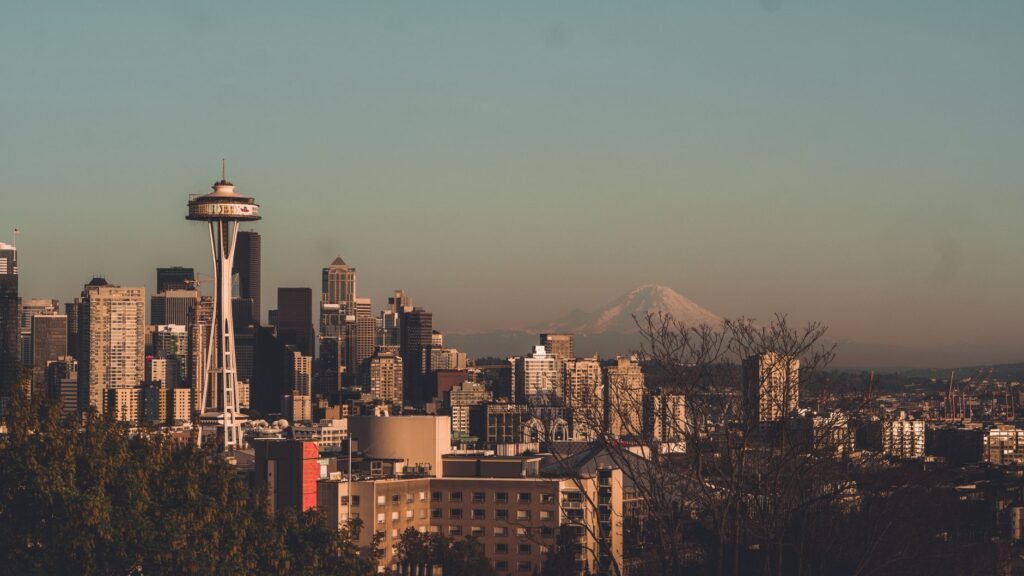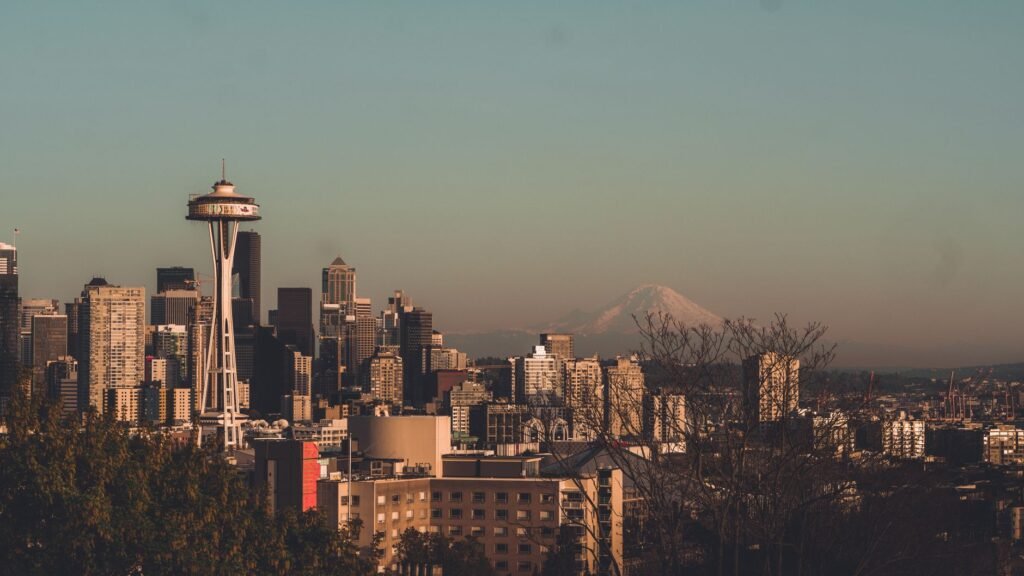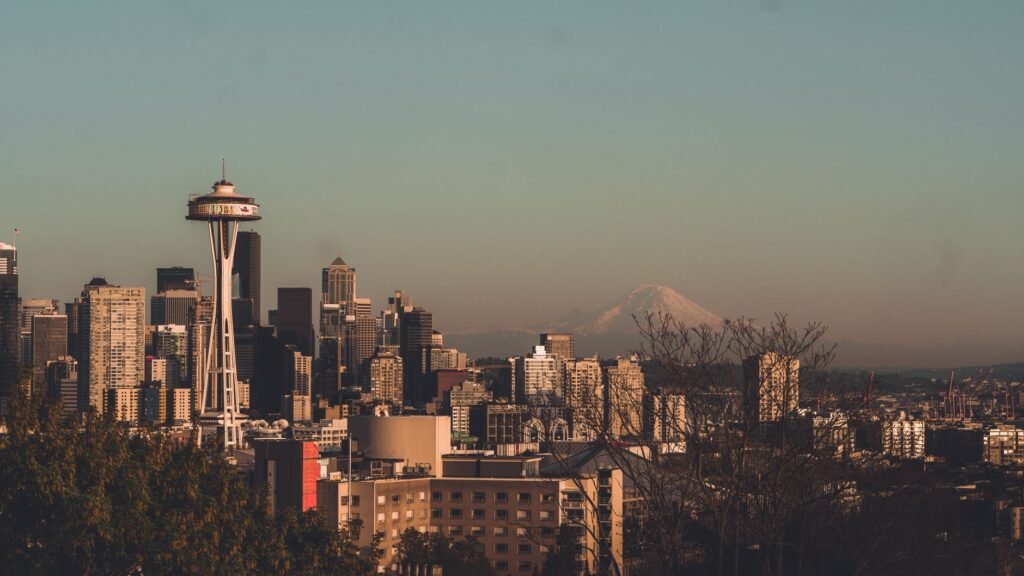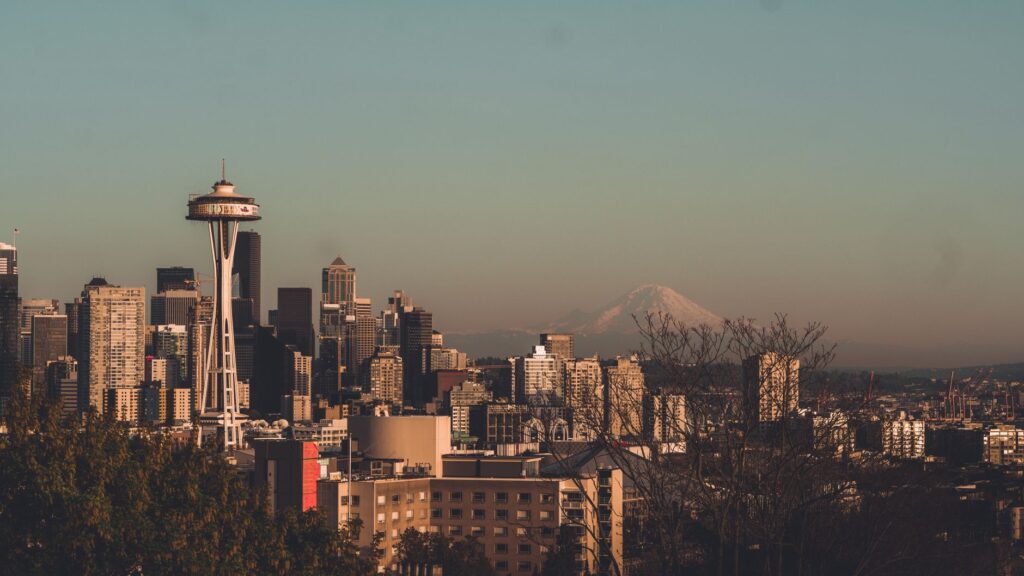
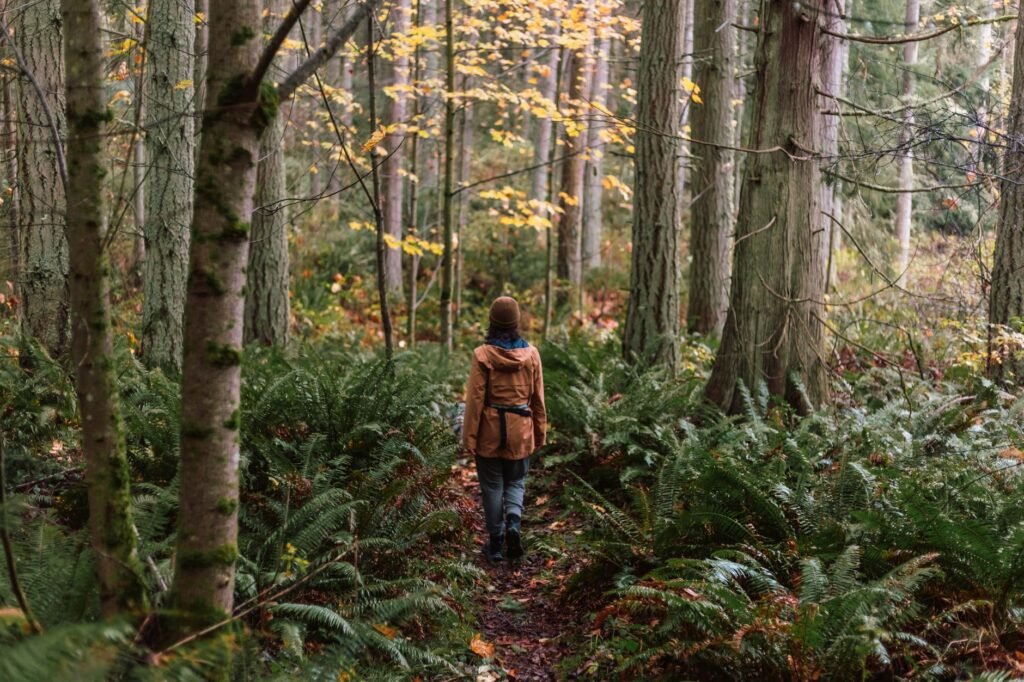
Seattle’s best urban hikes don’t require a car. You can walk straight from downtown neighborhoods to trails that open onto views of the Sound, mountains, and old-growth forest. The city’s layout works in your favor. Public transit connects the trailheads. Many neighborhoods sit high enough that one good walk covers miles without backtracking.
Most visitors assume they need wheels to escape the city grid. They don’t. What makes Seattle different from other cities is how close the actual outdoors sits to the coffee shops and hotels. You take a bus or walk to a neighborhood. Then you walk into genuine forest. The trails themselves are simple, well-marked, and rarely crowded on weekdays.
This guide covers urban hikes Seattle residents actually use. Not park loops that take 20 minutes. Real walks that take two to three hours and put you somewhere that feels truly wild, even though the city never fully disappears behind you.
Discovery Park: The Obvious Choice That Deserves It
Discovery Park sits at the tip of Magnolia. It’s the largest park in the city at over 500 acres. Most urban hikes Seattle travelers hear about start here because the reputation is solid. The trails wind down through second-growth forest. They reach the Ballard locks and a beach at the Sound. The views justify the hype.
The park has three main routes depending on your time and knees. The loop is roughly five miles and takes about two hours at a normal pace. The shorter cut drops to just the beach access and back. That takes 45 minutes and skips the best part. If you go, do the full loop.
Getting there without a car is the first hurdle. You need to take the 15 or 18 bus from downtown. It runs every 20 to 30 minutes depending on the time of day. The bus drops you at the park’s east entrance. The walk from the lot to the actual trailhead adds another ten minutes. Plan on 90 minutes of travel time total from a downtown hotel.
The trail itself heads west and descends gradually. You move from manicured park to actual forest after the first 20 minutes. The switchbacks steepen near the beach. They feel purposeful, not punishing. Once you reach the water, you’re looking at the Ballard locks. Ships pass through constantly. On clear days, the Olympics sit across the water.
What surprises people is how quiet it stays even on weekends. The trail has width. Multiple people can pass. The shade is genuine and deep. Summer temperatures stay 15 degrees cooler under the canopy than downtown. Bring layers. The beach end is always windier than the forest.
Head back the way you came or loop around the park’s east side. The loop option adds 45 minutes but keeps the walk interesting. Both routes funnel back to the parking lot. Grab the northbound bus if you’re staying downtown. The return ride takes 35 minutes.
Read more: best hikes near seattle
Green Lake: Crowded but Functional
Green Lake sits in the Wallingford neighborhood. It’s two miles around the entire lake. The paved path serves everyone from joggers to strollers to people on roller skates. On nice weekends, it gets packed. On weekdays and in drizzle, you can walk almost alone.
The lake itself is unremarkable. The real value is in the walk’s simplicity and the neighborhood at its edge. You can start from a hotel, walk to the lake, loop it, and be back within two hours. No bus required for most downtown locations. The Fremont neighborhood is even closer. Some visitors walk to the lake from there.
Green Lake works best as an easy morning walk before heading to Pike Place Market or museums. It’s a warm-up. It’s not a wilderness walk. The water and parks are pleasant. The path is safe and obvious. If you want actual forest, skip this and go to Discovery Park instead.
The one wrinkle is that the loop can feel repetitive. Trees line one side. Sports fields line the other. Halfway around, you might wonder why you started. Push through. The north end opens up. The views across the water improve. The walk finishes strong.
Bring cash if you want food or coffee near the lake. Several spots edge the water. Prices run a bit high. The quality is fine, nothing special. Most people bring their own drink and do the loop as a clean two-mile morning routing.
Rattlesnake Lake and Ledge: The Underrated One
Rattlesnake Lake sits in the Wallingford area, just off Green Lake. Most tourists never hear about it. That’s the main reason to go. The loop is about three miles. It takes 90 minutes at an easy pace. The forest here is older than Green Lake. The walk feels like an actual escape.
You access it from the small neighborhood parking lot. Getting there without a car means taking the 62 bus from downtown. It’s 25 to 30 minutes. The bus stop is half a mile from the trailhead. That short walk is worth the move away from crowds.
The trail climbs gradually through forest. It opens onto the lake about 40 minutes in. The view is quiet and still. No paddle boats. No jet skis. The water reflects the sky and trees. Continuing around the lake takes another 45 minutes. The path stays near the water most of the way.
Rattlesnake Ledge is the same lake but approaches from a different direction. It’s steeper and shorter. The trail runs about two miles round trip. It tops out on a rock outcrop with views of the lake and the city beyond. On clear days, you see the Sound and the Cascades. Most visitors do this one instead of the full lake loop because the payoff feels bigger relative to the effort.
Both routes scratch the same itch. Choose based on how much time you have. The lake loop suits people who want easy miles. The ledge suits people who want views and elevation gain compressed into one clean morning.
Read more: short hikes near seattle
Comet to Lake Union: The Hidden Summit Walk
This route sits between Capitol Hill and Queen Anne. It’s technically two trails stitched together. The result is unexpected. You end up on a hilltop with 360-degree views of the city, the water, and mountains. The whole walk takes two hours. Most urban dwellers in Seattle use it. Most visitors never find it.
Start at Comet Park in Queen Anne. It’s a small green space. The trail heads steeply uphill from the south end. This isn’t a stroll. The elevation gain is real. You climb 400 feet in less than a mile. But the payoff comes fast. After 20 minutes, the forest opens. The city appears below. On a clear day, it’s viewpoints Seattle offers.
Continue north and the trail drops toward Lake Union. You descend into a different forest. The canopy thickens. The city noise fades. By the time you reach the water access points, you’ve moved from urban overlook to tree tunnel. The contrast makes both parts better.
The challenge is logistics. No buses run directly to Comet Park from downtown. You either walk from Queen Anne hotels, which takes 15 minutes, or you take the 62 bus and walk from a nearby stop. The walk adds time. Most visitors skip this one because of the access hassle.
If you’re staying in Queen Anne or Capitol Hill, do it. If you’re downtown, stick with Discovery Park or Rattlesnake. The walk is excellent. The access just costs more in time and effort than it’s worth from most hotels.
Seward Park: Trees, Water, and a Real Beach
Seward Park sits south of downtown on a peninsula that juts into Lake Washington. The loop is just over three miles. It’s flat the entire way. The trail rolls through old forest. The water appears often. A real beach anchors the south end.
Getting there requires the 50 bus from downtown. It’s 30 to 40 minutes depending on the time of day. The bus stop puts you right at the park entrance. The logistics are simpler than Discovery Park.
The trail divides between water-side sections and forest sections. The forest parts use actual roots and dirt. The water sections open onto the beach. During summer, the park gets busy. Weekday mornings are nearly empty.
What distinguishes this walk is the beach at the journey’s midpoint. You can sit on actual sand. The water is cold but swimmable in summer for the brave. Most people just remove their shoes and wade. The break halfway through a three-mile loop changes the feel from walk to outing.
Bring food. There’s a small café near the parking lot. Prices run higher than the neighborhood alternatives. Many people pack a sandwich and eat on the beach. That’s the move. You won’t regret it.
Read more: best fall hikes near seattle
Planning and Practical Realities
Urban hikes in Seattle work best on weekdays or early mornings on weekends. The trails are quiet. Parking pressure drops for the buses. The weather is more likely to hold. Afternoon clouds build most days during summer. Morning light is sharp and stable.
Bring layers. The temperature difference between downtown and forest trails can reach 15 degrees. Rain is always possible. Most walks have some shelter from the canopy. Waterproof jackets are optional most days. A fleece or wool layer is required year-round. The summer sun is real but intermittent.
Transit cards cost $2.75 per trip currently. Daily passes run $10. A week pass costs $56. Most visitors buy the day passes and plan two or three bus trips around their walks. That keeps costs down.
Here’s what you actually need:
- Waterproof jacket
- Water bottle
- Snacks (nuts, bars, dried fruit)
- Comfortable shoes with grip
- Layers (fleece or wool)
- Sunscreen
- Headlamp or flashlight for winter walks
- Small first aid kit
- Transit card or cash for bus fare
Forget the expensive hiking gear. You don’t need it. These trails don’t have major hazards. They’re not steep. Weather is the only real variable. Dress for dampness and wind. You’re set.
Download offline maps on your phone. Signal drops in some forest sections. Knowing the trail layout means you won’t waste time checking directions. The trails themselves are marked. The maps just add confidence.
The Best Day to Hike
The ideal day combines two walks in different neighborhoods. Start with an early breakfast in your hotel area. Take the bus to Rattlesnake Ledge or Seward Park. Finish by midday. Head back. Spend the afternoon downtown at Pike Place or the waterfront. This rhythm lets you hit the outdoors and the city without the mental switching cost of traveling far.
Alternatively, do one longer walk like Discovery Park. Spend the rest of the day resting or exploring the immediate neighborhood. Both approaches work. Both respect how much time urban hiking actually takes when you factor in transit.
The real advantage of urban hikes in Seattle is freedom. You’re not locked to a car rental. You’re not chasing crowds at a single famous spot. You can wake up, check the weather, and pick a trail that fits your mood and energy. That flexibility beats planning. It’s what makes the city’s trail system work.
Reference: Hiking