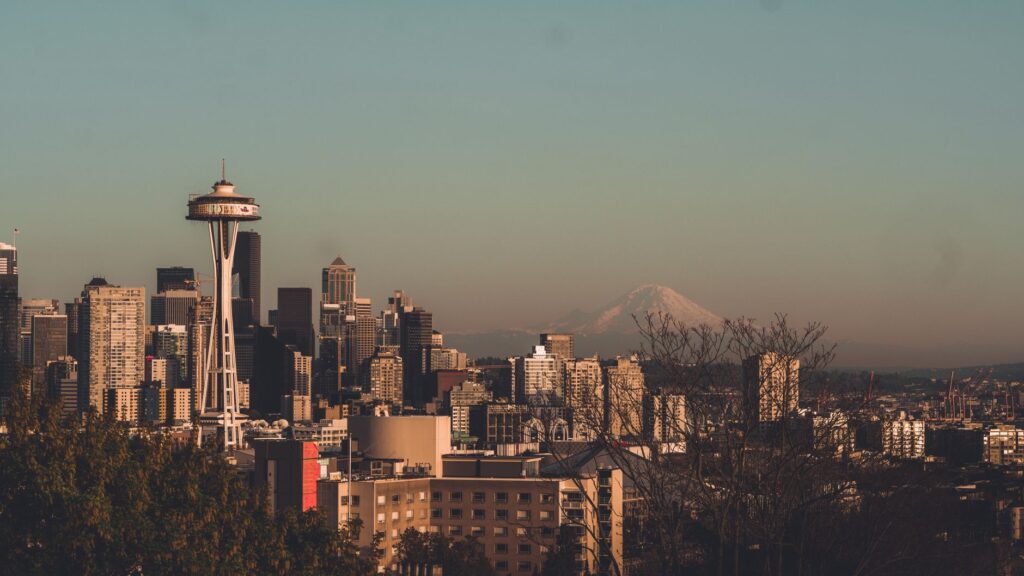
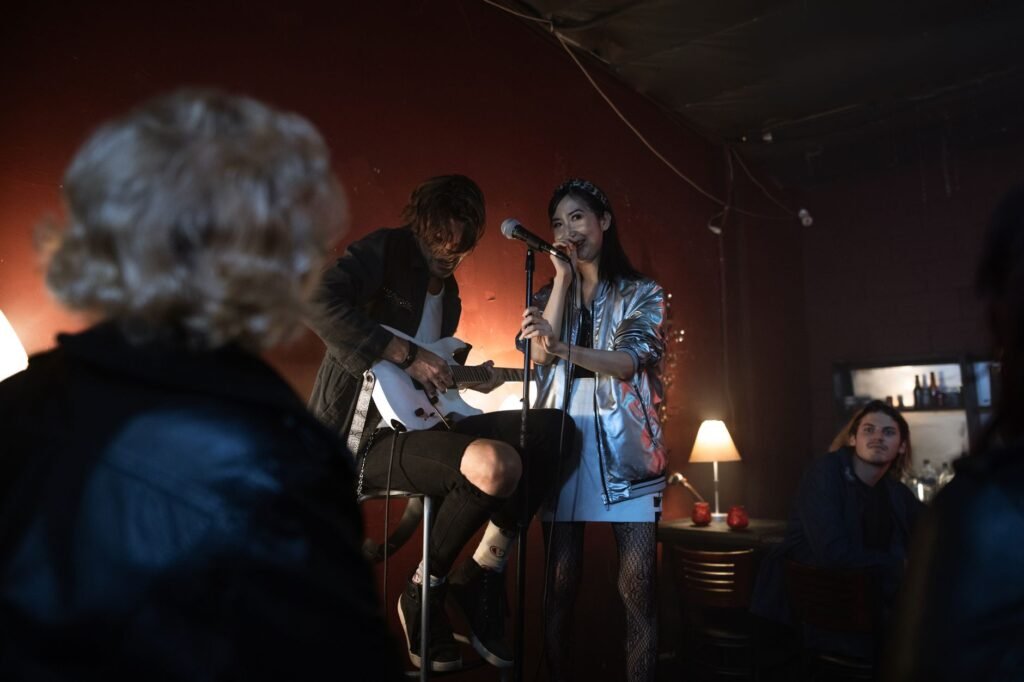
The best small music venues in Seattle are scattered across the city’s neighborhoods. They range from sweaty basement clubs to converted warehouses with character. You’ll find the real music scene in places like Capitol Hill and Ballard. The big names play the arenas. The artists you actually want to hear play here.
Seattle has a reputation for grunge and coffee. Most visitors miss the fact that the live music now is genuinely diverse. You get indie rock, hip-hop, folk, and electronic acts nightly. The city’s music culture is alive in ways it wasn’t in the 1990s. This isn’t about nostalgia. It’s about what’s happening right now.
The challenge with small music venues in Seattle is that the best ones shift and change. A club that’s hot one year closes the next. Booking policies change. Venues get bought out. But the core spots have staying power. They’ve built loyalty. They’ve earned it by booking well and treating both musicians and audiences with respect.
The Capitol Hill Scene
Capitol Hill remains the epicenter for live music in the city. You’ll hear the neighborhood described as “hipster.” That word doesn’t capture what’s actually here. The Capitol Hill neighborhood is dense with clubs, bars with stages, and all-ages venues. It’s where Seattle’s underground still thrives.
The Crocodile sits on Pike Street and has been here for decades. This venue holds about 300 people on the main floor. Sightlines are good from almost anywhere you stand. The sound system is genuinely professional. Crocodile books local and touring acts with real ambition. You might see an indie band on Tuesday and a funk act on Thursday. The place smells like beer and sweat in the best way possible.
Q Nightclub is closer to the heart of Capitol Hill proper. It’s smaller, more intimate, with a lower ceiling. The stage is basically at eye level with the crowd. For certain shows, that closeness creates magic. For others, it’s just hot and tight. But that’s part of the appeal. You’re not watching a concert so much as being inside one.
Foundation is newer to the Capitol Hill landscape. It operates as both a nightclub and a live music venue depending on the night. The space is modern and well-designed. The sound quality is better than many older clubs in the area. Foundation tends to book electronic and hip-hop acts, though the programming varies. Ticket prices run higher than some other Capitol Hill spots.
The Kremwerk complex sits on Pine Street and feels like stepping into someone’s art project. It’s a building with multiple rooms, each with different vibes. The main stage room has hosted everything from indie rock to electronic music. The space changes hands and booking focuses shift, but Kremwerk has survived longer than most. Expect to pay a cover charge, often around $10 to $15.
Neumos sits just below Capitol Hill in the Sodo area. It’s a venue that has earned genuine respect from musicians. The booking is thoughtful. The stage setup is professional. The room holds maybe 350 people. Artists often say they want to play Neumos because the sound system is clean and the crowd is attentive. That’s not marketing. That’s reputation.
Also read: what to do in west seattle a complete local guide
The Ballard and Georgetown Neighborhoods
Ballard has developed a serious music scene in the last few years. It’s less established than Capitol Hill but gaining fast. The neighborhood feels more residential, less densely packed. That changes the vibe of the shows. Crowds feel different here.
Tractor Tavern is the anchor venue in Ballard. It’s a true bar, not a nightclub. The stage is small. Capacity is maybe 150 people. Tractor books country, Americana, folk, and indie acts. The crowd tends to be older than Capitol Hill. The atmosphere is more relaxed. You can have an actual conversation between sets. The bar makes good cocktails. The sound quality is excellent for the room size.
Kremwerk’s sister space, The Showbox, sits in the Sodo neighborhood but books Ballard audiences. It’s a larger room than most of Ballard’s dedicated venues. The booking is more mainstream than some other options.
Georgetown Carnival is south of the main city. This venue operates as both a bar and a performance space. The programming includes live music several nights a week. The crowd is local and unpretentious. Ticket prices are low. It’s less polished than Capitol Hill venues but that’s exactly the point. Georgetown Carnival is what happens when a neighborhood decides to build its own culture.
Smaller and All-Ages Options
Seattle has several venues specifically for all-ages shows. This matters if you’re visiting with teenagers or younger. It also matters because the best music scenes include young musicians and fans. All-ages venues are where that happens.
Kremwerk occasionally hosts all-ages shows. The setup varies depending on the event. Foundation also does all-ages programming on certain nights. Check the website before you buy tickets. Age restrictions are usually clearly listed.
The Vera Project is an all-ages venue in Capitol Hill run by a nonprofit. It’s smaller, more intimate than most of the bars. The booking is eclectic. Sound quality is surprisingly good. Ticket prices are low, often under $15. The Vera Project draws a younger crowd but not exclusively. Shows here often have longer set times than nightclubs. Artists get more space to play. Crowds tend to be engaged rather than distracted.
Kremwerk has multiple rooms which allows for varied programming. The top floor hosts different events. Some are all-ages, some are 21 plus. The website breaks it down clearly.
Also read: unique places to stay in seattle cool hotels
What to Know Before You Go
Visiting these venues involves some practical planning. Here’s what changes the experience.
Cover charges typically run between $5 and $25. Bigger names cost more. Local acts might be free or very cheap. Some venues charge at the door, others require advance purchase online. Advance tickets are often cheaper. Buy ahead when possible. Many smaller clubs add service fees online that feel unfair. Paying cash at the door avoids this.
Doors usually open between 8pm and 9pm. Shows start around 9pm or 10pm. That’s later than most American cities. It’s standard here. If you’re eating dinner first, plan for 6pm or earlier. Late dinner after the show is also normal.
Most small venues are cash-friendly but also take cards. The bartenders are quick. You won’t wait ten minutes for a beer.
Capacity in smaller clubs fills fast on popular nights. Arriving early gives you positioning on the floor. It also helps you secure a spot at the bar. For bigger acts that sell out, arriving at the time doors open is reasonable.
Parking near Capitol Hill venues is limited and expensive. Street parking exists but fills up. Most visitors use ride-sharing or transit. The light rail connects downtown to Capitol Hill. From the station, it’s a short walk to venues. This is the easiest option if you’re staying downtown.
Making a Real Plan
The real work is picking which shows to see. Seattle has multiple live music listings. The Stranger is the local alt-weekly. It publishes a calendar. Tickets are sold through venues directly, through Ticketweb, and through Eventbrite. Different venues use different platforms.
Start by finding artists you know. Search their touring schedules. Many musicians use a touring app or post dates on their social media. Once you find an artist playing in Seattle, you know which venue to visit. You also know the kind of crowd that venue attracts.
If you’re not looking for a specific artist, browse the venue websites. Each one publishes upcoming shows. Spend time looking at what’s booked. That tells you what the venue stands for. Some venues book experimental music. Others focus on rock or hip-hop. Your taste probably aligns with one or two venues more than others.
Consider the night of the week. Friday and Saturday shows are larger and more crowded. Tuesday through Thursday shows are smaller, often with more serious fans and better sight lines. Ticket prices are sometimes lower on weeknights. The music is the same quality. The experience is just quieter.
Also read: what areas near seattle are cheapest to live
Getting the Most From Your Night
Arrive early enough to grab good positioning without feeling rushed. The hour before doors open is when you want to eat dinner. Being hungry during the show is avoidable with basic planning.
Talk to people in the crowd. Seattle crowds can seem reserved. They’re not. Start a conversation about the opening band. Ask where someone else is from. Locals often have recommendations for other shows or venues.
The opening bands matter. Venue booking means the opener was chosen deliberately. Most openers are worth watching. That’s the whole point of the booking strategy. Shows start late, which means you might not see the opener if you arrive exactly at doors. Plan to be there for 9pm if doors open at 8pm.
Expect to spend $40 to $80 for the entire evening. That covers ticket, two or three drinks, and maybe food. Some nights cost more. Smaller shows cost less. The money is worth it for the experience.
Seattle’s small music venues are where the city’s creative culture actually lives. They’re not tourist attractions. They’re neighborhood institutions built by locals who care about music. That’s what makes them worth your time.
Reference: Music of Seattle