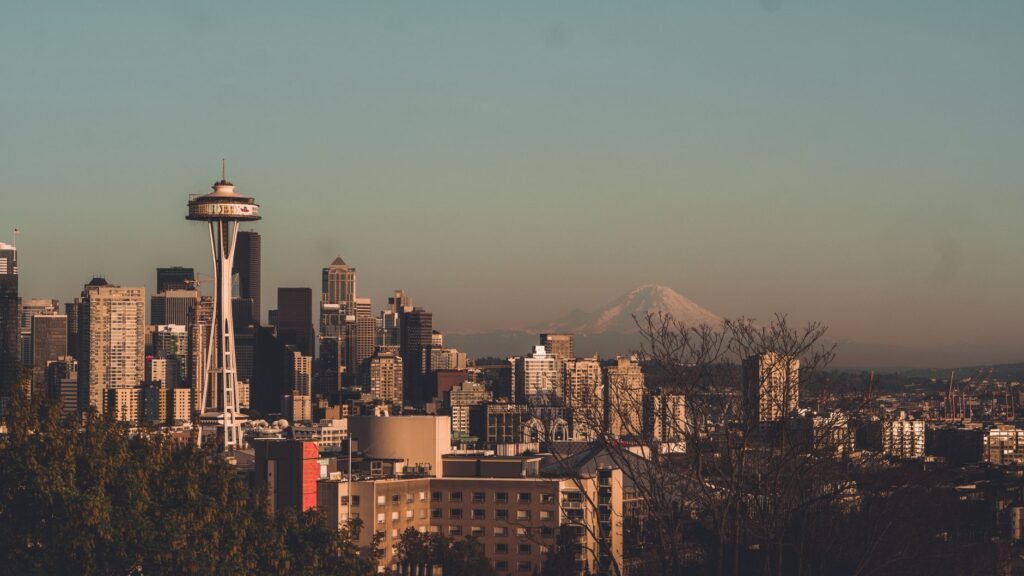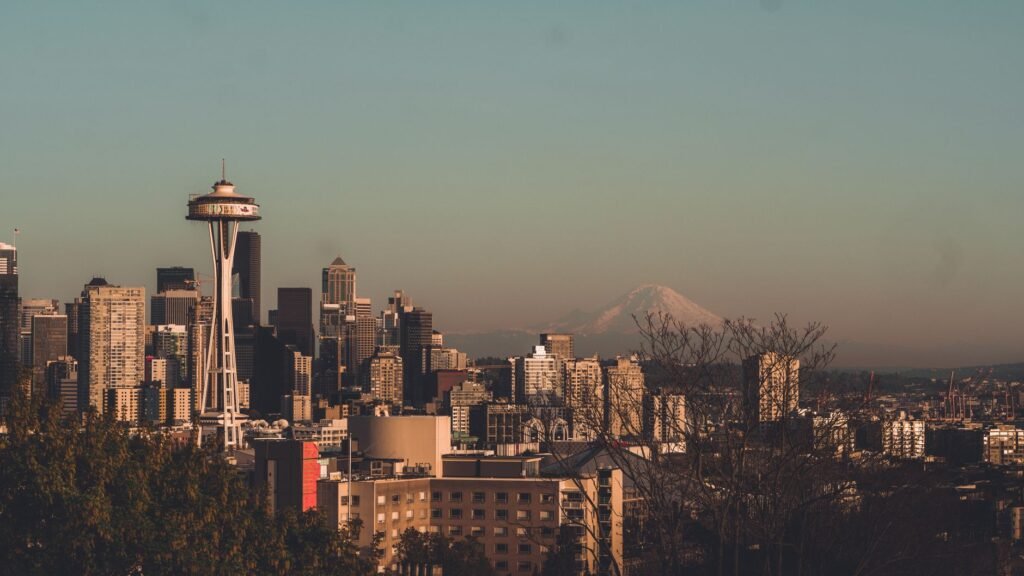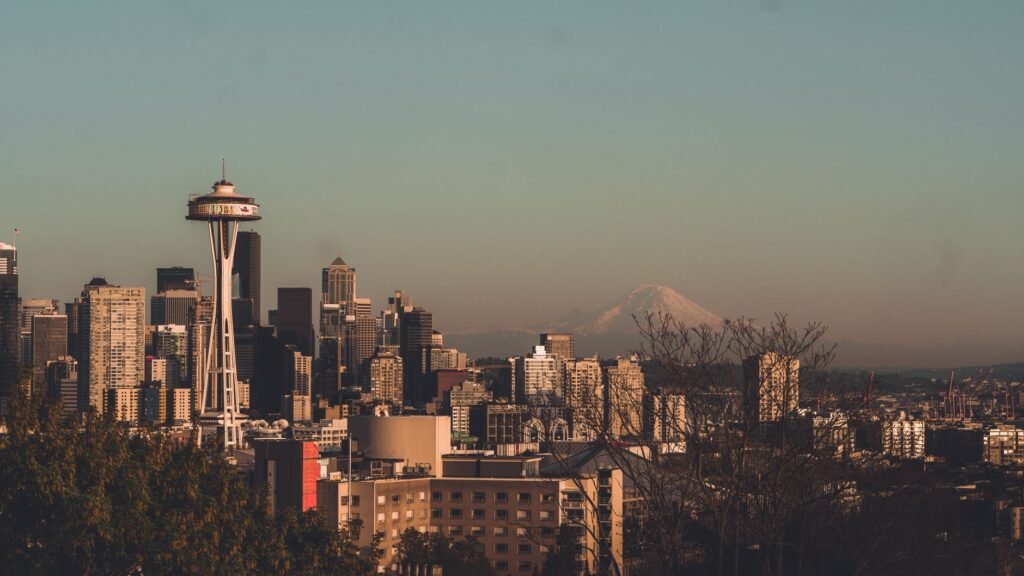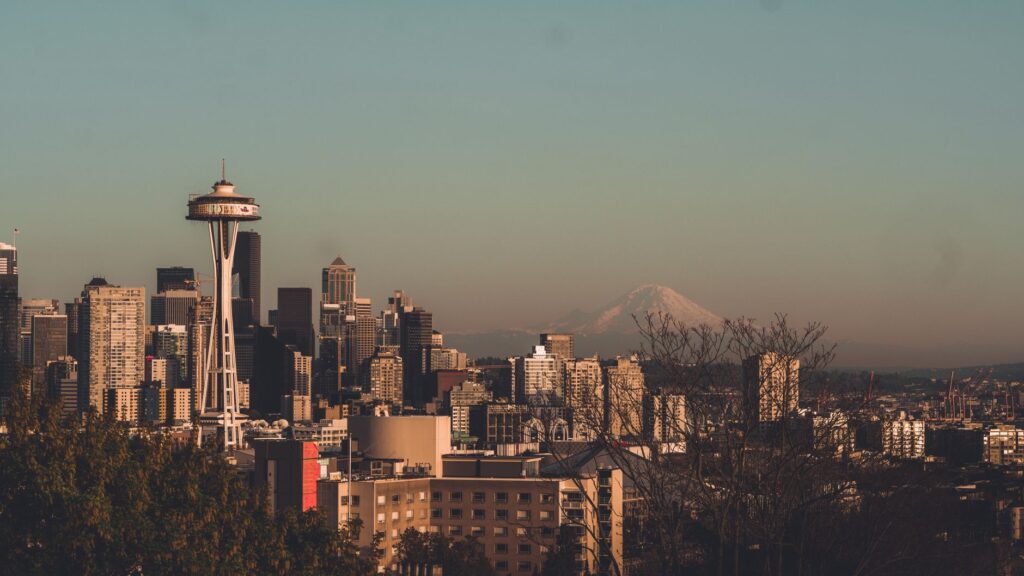
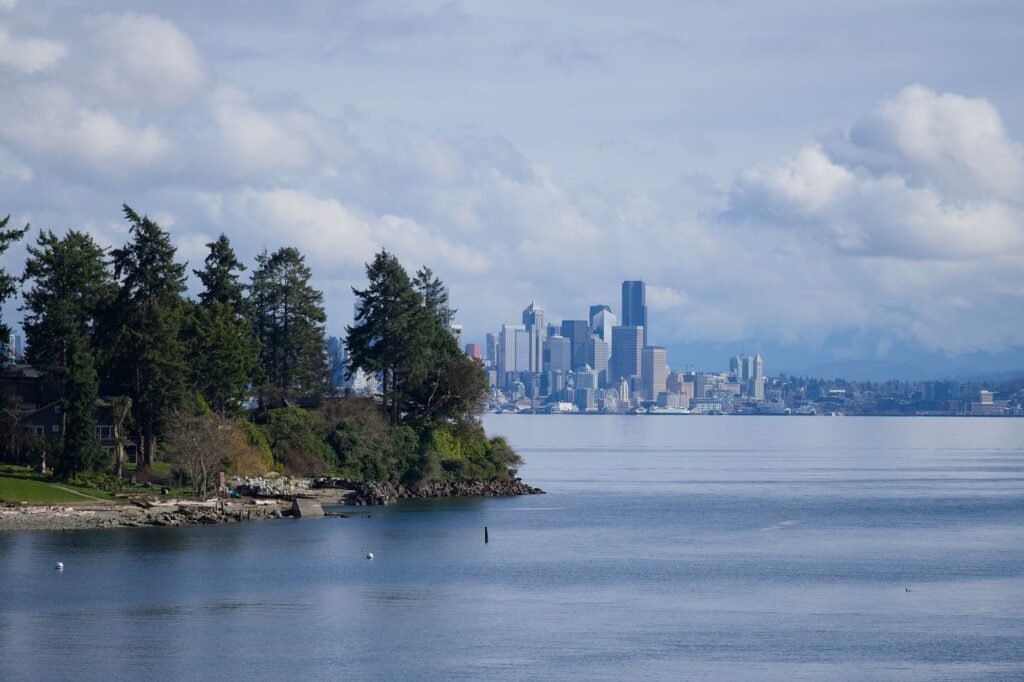
The best nature things to do in Seattle center on water, forest, and mountain views all within an hour of downtown. The city sits at the edge of the Puget Sound. It borders the Cascade Range to the east. Rain is part of the deal, not a reason to skip it. Once you understand what Seattle offers outdoors, you’ll find it beats most American cities by a wide margin.
Get on the Water First
Water activities dominate Seattle’s nature calendar for good reason. The Sound surrounds the city on three sides. Kayaking is the clearest way to see this landscape. You paddle past islands, seal colonies, and forested shorelines. A beginner tour from a shop like Northwest Outdoor Center costs around $75 to $90 per person. Tours run three to four hours with a guide. You need no prior experience. The water is cold but calm in summer months.
What catches most people is how quiet it is out there. No engine noise. No crowds. Just the paddle and the Sound. Tours leave from Gas Works Park on the north shore. The park itself is worth a visit even without a kayak. Climb to the top of the old gas works tower. The view of downtown and the lake spreads out below you.
Ferry rides count as nature time in Seattle, though most people miss this. The ferry to Bainbridge Island takes 35 minutes. Cost is about $9 each way. You stand on deck watching the Sound open up behind you. Once across, walk to Bainbridge State Park. The beach there has drift logs and tide pools. Bring a coffee from downtown. Sit and watch the water for an hour. This is what locals do on a free afternoon.
Whale watching tours run from the waterfront, though they’re a mixed bag. The orcas show up most reliably June through September. A full-day tour costs $150 to $200 per person. You spend a lot of time looking at water and waiting. Some days the whales appear. Other days you see birds and seals instead. If you go, book with a company that guarantees a second trip free if you see nothing. That way you get your money’s worth one way or another.
Hike Where the City Ends
The forests around Seattle are the real prize for hiking. Tiger Mountain sits just 35 miles southeast of downtown. The main trail climbs about 2000 feet to the summit. Most people take the old railroad grade, which is gentle and well-marked. The whole trip takes four to five hours round trip. You gain elevation slowly. The forest floor is soft with moss and fir needles.
Rattlesnake Ledge is closer to the city, only 40 miles away. The trail is short but steep. You reach the top in 90 minutes of hard walking. The view opens over Rattlesnake Lake and the mountains beyond. On clear days you see Mount Rainier from the peak. The trailhead is easy to find. Parking fills up by mid-morning on weekends. Start before 8am if you want a spot.
What sets Seattle hiking apart is the constant water views. Most trails end at a lake or high ridge with a Sound vista. Rattlesnake Ledge overlooks a pristine lake ringed by forest. Tiger Mountain opens onto views of the Cascades. Even small hikes deliver more scenery than average.
Weather changes fast in these mountains. You leave the trailhead in sun and clouds roll in within an hour. Pack a rain jacket every time. It weighs almost nothing. The temperature drops maybe 10 degrees for every thousand feet of elevation gain. A hike that feels warm at the start gets cold near the top.
The trail conditions matter more here than in drier regions. After rain, everything gets slick. The moss-covered rocks become ice traps. Boots with good tread are not optional. Skip the trail shoes. Microspikes help in bad weather. Most people rent them from outdoor shops for $5 to $8 per day.
Mount Rainier: Worth the Drive
Mount Rainier dominates the landscape 70 miles south of Seattle. The mountain is visible from downtown on clear days. Most visitors drive to the park rather than trying to hike from the city. The drive takes 90 minutes to two hours depending on traffic and which gate you enter. Paradise is the most visited area. It’s also the most crowded. Sunrise entrance gate gets fewer people and offers better parking situations.
Hiking options range from casual to serious. The Reflection Lakes trail is an easy two-miler that circles a lake with the mountain reflected in it. Go at sunrise for the best light and no crowds. The Skyline Trail climbs 1700 feet and with alpine meadows full of wildflowers in summer. Myrtle Falls is another good short option, about three miles round trip.
All of these hikes start around 5000 feet elevation. Altitude affects some people. You feel it as a shortage of breath on climbs. Drink water constantly. Start early and finish before afternoon weather moves in. The mountain creates its own cloud cover by early afternoon on warm days. Morning light is sharper anyway.
Mount Rainier entrance fee is $30 per vehicle. A National Parks pass covers this. The park stay open year-round but heavy snow closes many roads November through May. Call ahead if you go outside summer months. Services at Paradise include a lodge and restaurant, though prices are high. The lodge is fine if you want to stay overnight and hike two days. More commonly, people make it a day trip from Seattle.
The mountain is not a secret. Expect crowds on weekends and any sunny day. The parking lot fills completely by 9am on good-weather Saturdays. Arrive by 7am or plan for a different time. The hikes themselves get less crowded the longer they are. A four-mile trail has far fewer people than a two-mile trail. Use this to your advantage.
Also read: best skiing snowboarding near seattle resorts
Green Lakes and Alpine Views
Green Lakes is a better-kept secret than most spots at Rainier. The trailhead sits about 80 miles south of Seattle near the town of White Pass. The hike itself covers only five miles round trip but gains almost 1000 feet. The trail ends at two alpine lakes with granite peaks reflecting in the water. The color is an intense green from glacial melt. Wildflowers ring the lakes in summer. A trail guide from REI or any outdoor shop lists the current blooms.
The drive to Green Lakes crosses Snoqualmie Pass. Elevation climbs to 3000 feet. Weather up there runs about 15 degrees cooler than the Sound. Summer is the best season. Trails are usually snow-free by late July. The parking situation is much easier than Rainier. A gravel lot sits right at the trailhead. It rarely fills even on weekends.
The hike is doable for anyone in reasonable shape. No technical skills required. No special gear needed beyond good boots and plenty of water. The reward is dramatic. Most Seattle hikers have never been there. The lakes are less visited than Rainier but just as striking. Some people combine this with a two-hour drive north to Mount Snoqualmie National Monument for a longer weekend.
Closer Options for Short Hikes
Not every outing needs to consume an entire day. Seattle has solid nature within 30 minutes of downtown. Rattlesnake Lake itself, beyond the ledge hike, has an easy two-mile loop around the water. The lake is clear. Mountains frame the far shore. Bring a picnic lunch and spend the afternoon without working hard on the climb.
Seward Park on the city’s south edge offers trails through old-growth forest. The loop around the point is three miles flat. You walk through trees that are two centuries old. The understory stays dark and cool. The Sound comes into view as you round the peninsula. Bring binoculars for eagle spotting. They nest in these trees.
Lake Union is within the city limits. The Fremont neighborhood sits at the lake’s north end. Walk down to the water. Watch sailboats and seaplanes. The smell of fish and coffee from the nearby Pike Place Market drifts north. This is not wilderness. It’s nature inside the city. Some people prefer it exactly for that reason.
Green Lake is another in-city option. A 2.8-mile path circles the lake. Walkers, joggers, and cyclists share the trail. The water stays too warm for comfortable swimming for most of the year. The park has good coffee stands and food carts along the path. This is where locals go for a quick outdoor break. Expect crowds on summer evenings and weekends.
Also read: what to do in west seattle a complete local guide
What to Pack and Know Before You Go
Preparation makes the difference between a good trip and a frustrating one. These items matter for any outdoor day in the Seattle area.
- Waterproof jacket, even if sun is forecast
- Boots with solid tread, not shoes
- Water bottle or hydration pack with at least two liters
- Sunscreen and bug spray
- Map of the trail, offline map on your phone
- Snacks or lunch if the hike runs more than two hours
- Layers, because temperature swings 20 degrees from trailhead to peak
- Hat and gloves for elevation, even in summer
Trails get muddy fast here. The rain falls often. Even if you don’t experience rain, the ground stays damp. Casual tennis shoes will slip. Boots with aggressive tread give you confidence on climbs. REI and other outdoor shops rent boots for $10 to $15 per day. Buy if you plan more than three hikes.
Sunrise timing changes noticeably across the year. In summer, first light comes around 5:15am. In winter it’s after 8am. Bring a headlamp for any hike starting before 7am, especially in spring and fall. The light under the forest canopy is dim. A headlamp weighs almost nothing and prevents twisted ankles.
The parking situation at popular trailheads is real. Arrive early or pick a less-famous hike. The difference between arriving at 7am versus 9am can mean an open lot versus a 20-minute search for a spot. Better trailheads have reserved parking for day-use hikers. Call the ranger station before you go if you’re unsure about space.
When to Go and What to Expect
Seattle gets rain nine months of the year. June through September is dry season. This is when most visitors hike. The weather is stable. Trails are in best condition. Wildflowers peak in July and early August. Plan your serious hiking for these months.
Spring brings mud. April and May have longer daylight and less snow at elevation. The trails are often soaked. Mosquitoes emerge. Unless you’re comfortable with wet boots and bug bites, wait for summer.
Fall is underrated. September and October have dry spells. Crowds drop off. The light turns golden. Mist rises from the lakes in early morning. Rain returns by November. The window closes fast.
Winter hiking is possible but requires different gear. Snow loads vary year to year. Trails that are clear in one December might be impassable the next. Call ahead. Microspikes or snowshoes become necessary above 3000 feet. Most casual visitors skip winter.
The biggest mistake is expecting sunshine in spring or fall. Pack for rain. Wear moisture-wicking layers. Cotton holds water. Wool and synthetic fabrics dry fast. Once you’ve hiked in the rain here, you understand why locals do it constantly. The rain is cool and the scenery stays empty.
Start your Seattle nature trips on the water. Take a kayak out on the Sound. Then pick one of the closer hikes like Rattlesnake Ledge. Build up to Mount Rainier or Green Lakes if you want more. The progression takes a weekend. The views last longer.
Reference: Hiking