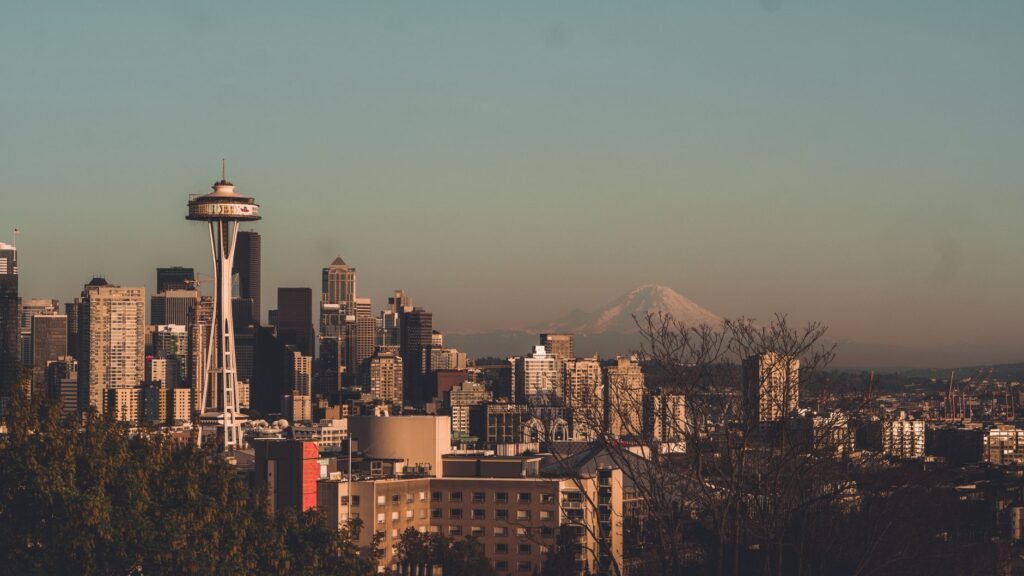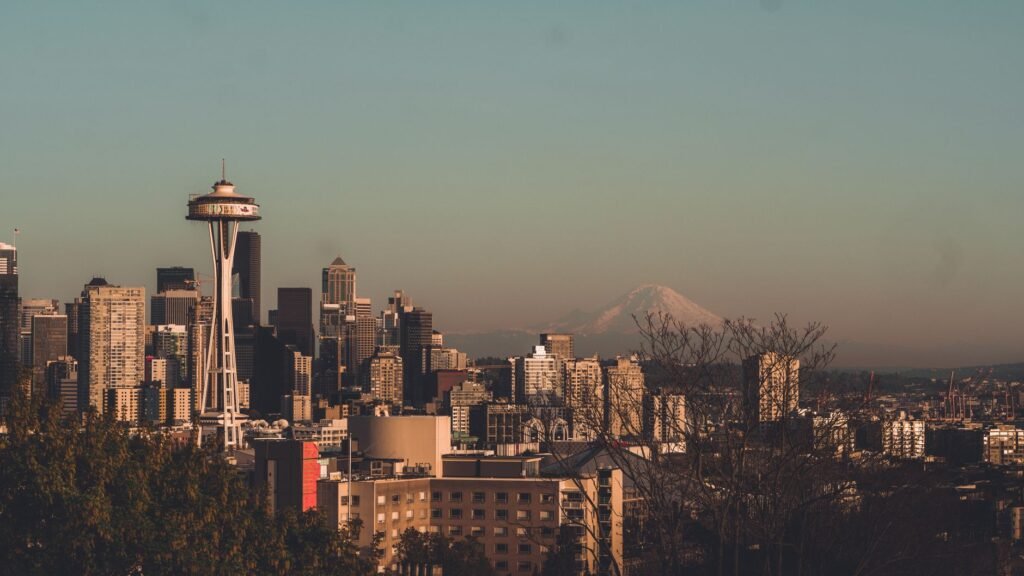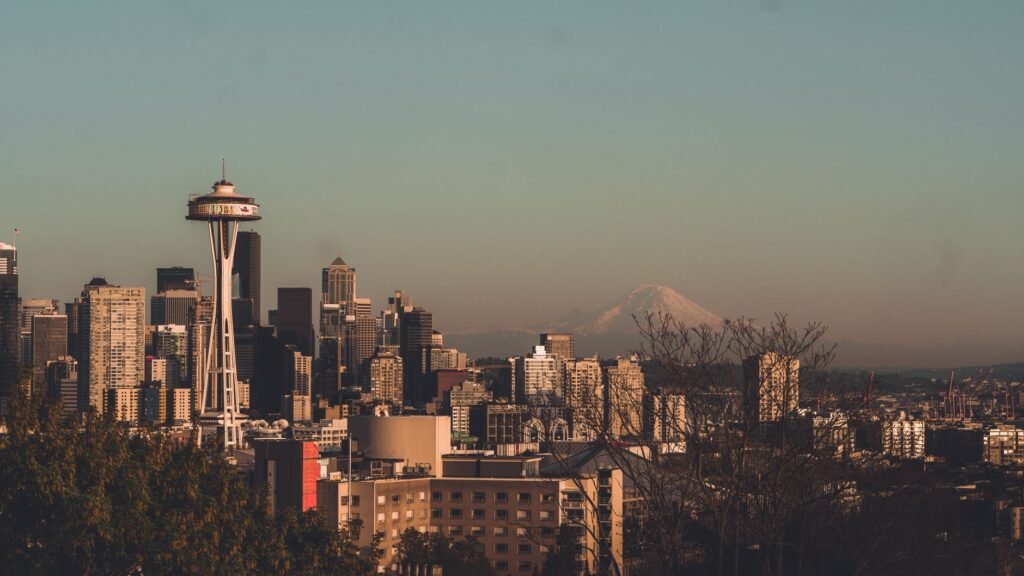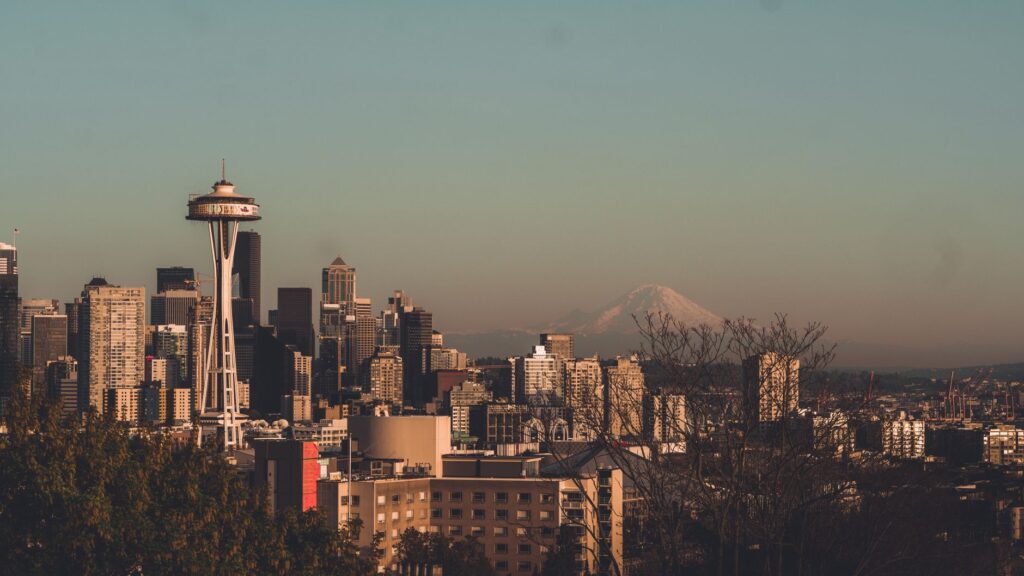
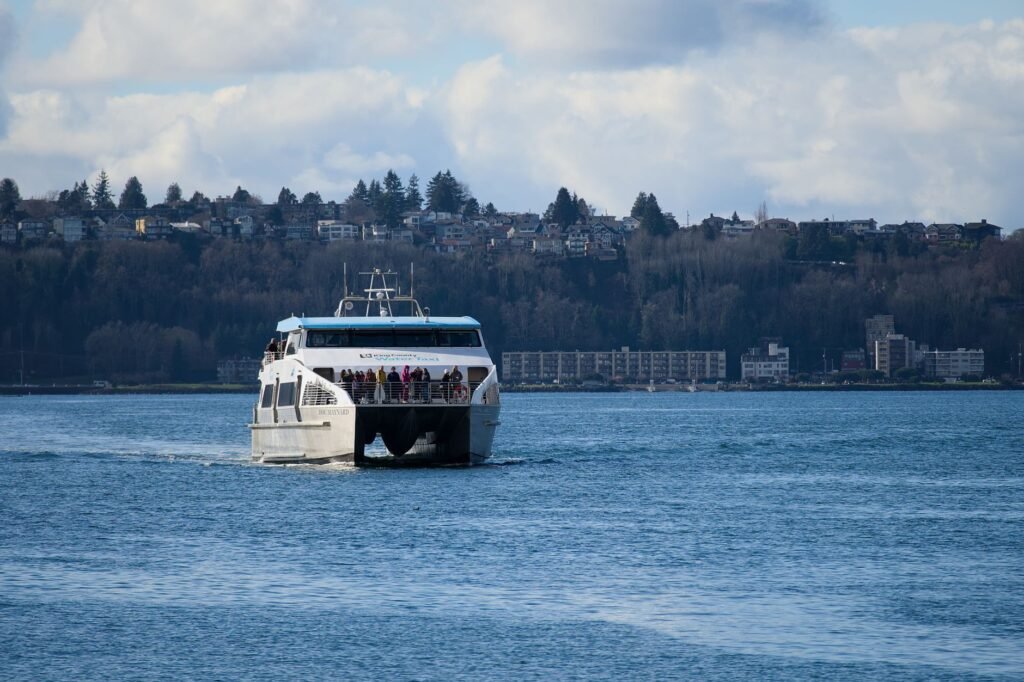
The water taxi from Seattle to West Seattle runs year-round and costs about $5 per ride. It is the fastest way to cross Elliott Bay if you’re coming from downtown. You’ll skip the traffic on the West Seattle Bridge entirely. Most visitors don’t know it exists. That’s their loss.
The route is simple. You board at Pier 50 on the downtown waterfront. The boat takes you straight across the bay to the Fauntleroy Dock. The trip takes roughly 10 minutes. On a clear day, you see the Olympic Mountains the whole way. On a gray day, which is most days here, you still see something worth looking at.
How the Seattle Water Taxi to West Seattle Actually Works
The ferry system in Seattle breaks down into two distinct operations. The Washington State Ferries handle the big routes to Bainbridge Island and Bremerton. The water taxi to West Seattle is a separate, smaller operation. It moves fast and runs on tight intervals. This is not a scenic cruise. It’s transit.
The boat itself holds about 150 people. It’s a catamaran, white and silver. The ride is smooth most days. On rough winter days, the chop can make it bouncy. Nothing dangerous, just noticeably wet and lively. The crew knows what they’re doing. They handle the weather well.
What makes this route different from the big ferries is speed and simplicity. You buy a ticket at the booth near the dock. You walk on. You sit down. Nine or 10 minutes later you are in West Seattle. The whole process feels efficient in a way that American transit rarely does. For that alone, it’s worth trying once.
Schedules and Frequency
The ferry runs seven days a week year-round. This is not seasonal. That reliability matters when you’re planning a day trip. Morning service starts around 6:15 a.m. Evening service runs until about 9:30 p.m. Boats come roughly every 15 to 20 minutes during midday. Service is more sparse at the very early morning and late night edges.
The schedule tightens on weekday mornings from 7 a.m. to 9 a.m. This is commuter time. Locals use this to get to work. Tourists can use it too, but expect crowds. The other commute window is late afternoon, around 4 p.m. to 6 p.m. If you want to travel light and fast, avoid those slots. You’ll find plenty of open seats at 10:30 a.m. or 2 p.m.
Weekends run on a relaxed schedule. Boats come less often but are still predictable. You might wait 20 to 25 minutes for the next departure. That’s not a long wait. Check the schedule online or ask at the ticket booth when you arrive. The staff is friendly and used to confused tourists.
Winter weather can cause delays. Rare cancellations happen but are unusual. When the bay gets rough, the boat simply goes slower. Your 10-minute trip becomes 12 or 13 minutes. It’s not like the flights that get canceled. This ferry runs in almost all conditions.
Routes and Terminals
The only route the water taxi currently serves is Seattle downtown to West Seattle. There are no branch routes or alternatives. You get on at Pier 50. You get off at Fauntleroy Dock. That’s the whole operation. The pier sits right on the waterfront near Pike Place Market. The walk from downtown hotels is simple. Most are within a mile. The Fauntleroy terminal sits at the foot of the Fauntleroy neighborhood in West Seattle. From there, you can walk, take a local bus, or grab a rideshare to wherever you’re headed.
The downtown pier is easy to find. Walk along the waterfront toward the Aquarium. You’ll see the white ferry terminal building. It sits between the tourist piers and the working waterfront. The smell of fish and coffee from the market at 7 a.m. drifts down here. You can buy coffee from a stand right at the terminal before boarding. That’s a solid move if you’re catching an early boat.
The West Seattle terminal is smaller and quieter. It sits at the edge of a neighborhood that feels very residential compared to downtown. This is where actual West Seattle residents get on to commute. Families get on with strollers. Bicyclists board with their bikes. It’s a working dock, not a tourist facility. That authenticity is part of why the ride feels good.
Also read: What to Do in West Seattle: A Complete Local Guide
Cost and Ticketing
A single ride costs $5 as of now. Children under age 5 ride free. That’s simple and cheap. You pay at the booth with cash or card. No advance booking is needed. Just show up and buy a ticket.
If you’re taking multiple trips, day passes exist. A day pass runs about $13 and covers unlimited rides back and forth for one calendar day. If you’re planning to make the round trip plus maybe another crossing, the day pass pays for itself. Most tourists don’t plan that much movement. A single round trip is $10 total. That’s still cheaper than a rideshare across the bridge.
Monthly passes are available for locals. You don’t need one. Tourists buy single tickets. The ticket booth staff will hand you a paper ticket. You keep it with you and show it when boarding. At the West Seattle end, you may not see staff at all. Just walk on. The system works on trust and common sense.
When and Why to Actually Use It
The ferry makes sense in specific situations. First, if you want to visit West Seattle attractions like Alki, Ballard, or the Junction district, this gets you there quickly. The bridge traffic from downtown can stretch 10 minutes into 30 minutes easily. The ferry is always about 10 minutes. That’s the whole appeal.
Second, use it if the weather is good and you want a short, cheap waterfront experience. Tourists sometimes take the ferry just to take the ferry. That’s fine. The bay views are real. The ride is pleasant. It costs less than a coffee. Many people do exactly that on sunny afternoons.
Third, the ferry works if you want to avoid driving. Some visitors are nervous about Seattle traffic or rental cars. The ferry is an easy alternative. Walk to the pier. Sit down. Arrive in West Seattle ready to explore on foot.
The ferry does not make sense if you have a lot of luggage. There’s no baggage area. You carry what you bring on the boat. There are no elevators or ramps, so rolling luggage is awkward on the stairs. If you’re checking out of a downtown hotel and heading to West Seattle for the day, fine. If you’re moving houses, use a truck.
The ferry also does not make sense if you’re heading to South Seattle neighborhoods or the Airport. You’ll end up taking a connecting bus anyway. Just take the bus from downtown. That’s cheaper and gets you there faster. The ferry is for West Seattle specifically. Outside that, it’s a sightseeing ride.
Practical Tips for Your Trip
Dress for the wind. The bay creates wind, and the boat is open to it. Summer sun reflects off the water. Bring sunglasses. Winter rain blows sideways. Bring a light jacket even if the day looks calm. Locals always have a layer. You should too.
Arrive early if you’re taking a morning commute boat. The boats fill fast from 7 a.m. to 9 a.m. Come 5 or 10 minutes before departure. You’ll get a seat. If you come 2 minutes before, you might stand. That’s fine too. The ride is short either way.
Bring your phone and look up where you’re going in West Seattle before you board. The terminal is small. There’s no tourist information desk. No maps. No help. You need to know your destination. West Seattle has several neighborhoods spread across a few miles. Alki Beach, the Junction, and Ballard are the main tourist zones. Figure out which one first. Your phone will get you there once you’re off the boat.
The West Seattle side has bus connections. The local King County Metro bus system links the terminal to everywhere else. Routes 50, 54, and C Line serve the area. A bus fare is about $2.75 in the daytime. Combined with your ferry cost, you’re spending about $8 to get across the bay and into the neighborhood. That’s still very cheap.
Do not expect bathrooms at the ferry terminal. The downtown side has a public restroom in the nearby Aquarium building. The West Seattle side has nothing. Use a restroom before you board if needed.
Bikes are allowed on the ferry. If you’re doing a bike tour of West Seattle, bring your bike. That’s actually a popular move. West Seattle has decent bike routes. The ferry is bike-friendly. Just roll on and stand with your bike.
Cash or card both work. The ticket booth takes both. There are no ATMs right at the dock. Bring cash or have a card ready. This is not complicated.
The boat rocks sometimes. If motion sickness is a real problem for you, sit outside on the open deck. Fresh air and a visual horizon help. The trip is so short that most people don’t get sick. But if you’re prone to it, know this now.
What You’ll See and Do on the Other Side
West Seattle is underrated. Alki Beach is the first thing most tourists see. It’s a pebble beach with good views back to Seattle’s skyline and toward the Olympics. On clear days, you can see Mount Rainier. The beach has a boardwalk, coffee shops, and fish and chips restaurants. It feels like a small beach town instead of a city neighborhood. That’s the charm.
The Junction is the commercial center of West Seattle. It’s a few blocks of shops, cafes, and restaurants. The vibe is very neighborhood. No chains. Lots of local spots. California Avenue Southwest is the main drag. Walk around. Grab food. That’s the whole thing. It’s quieter than Pike Place Market downtown. Many people like it better for that reason.
Ballard is technically not West Seattle, but the ferry gets you close. It’s a Scandinavian neighborhood with breweries, vintage shops, and decent restaurants. The walk from the terminal is manageable if you’re not in a rush.
Most people spend a couple hours on this side. They walk around. They eat something. They take photos. Then they catch a ferry back downtown. That’s a good afternoon. You can do it easily on the trip budget of $10 to $15 round trip plus food.
The ferry ride back is better on late afternoon, especially in summer. The light gets golden. The water calms down. You’re heading back toward downtown as the day softens. That’s when you notice the ride itself, not just what it gets you to.
Reference: Seattle