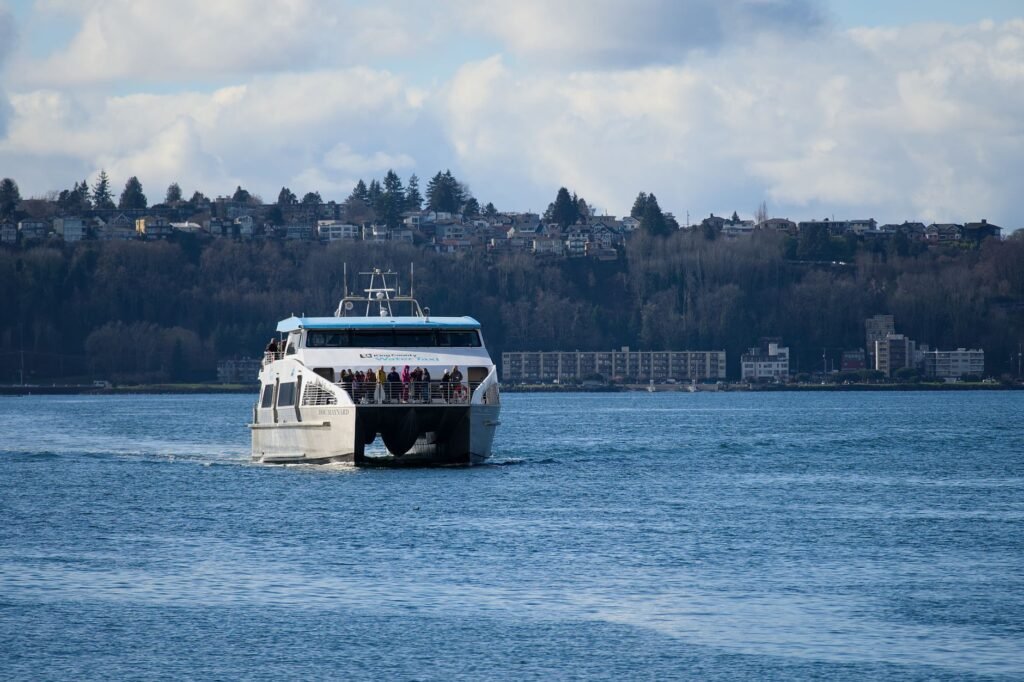
You can take a water taxi from Seattle to Alki Beach, though the route is less regular and more seasonal than you might expect. The Seattle waterfront has several ferry and water taxi options, but getting to Alki specifically requires planning. This guide covers what actually works, what doesn’t, and the timing that matters.
What Water Taxi Routes Really Connect Seattle to Alki
The most direct water taxi from downtown Seattle runs to West Seattle and Alki Beach during summer months. This is the King County Water Taxi, which operates seasonally from Pier 50 on the downtown waterfront. The boat heads south and west, delivering you right to the Alki Beach neighborhood. It beats driving across the bridge. The ride takes about 20 to 25 minutes depending on conditions.
The schedule is tight, though. Winter months see reduced or suspended service. Summer brings the best frequency, with boats running multiple times per day. You should check the King County Ferry System website before booking your trip. Schedules shift annually and service gaps happen.
An alternative exists if the main water taxi isn’t running. You can catch a standard ferry from downtown Seattle to Bremerton or Bainbridge Island instead. Neither goes to Alki, but both are water-based options on the same ticket system. Neither solves the Alki problem directly. This matters if your sole goal is beach time.
The ferry to Bremerton leaves from Pier 52. That ride lasts about an hour. You get water views and genuine Puget Sound experience. Bainbridge is faster, only 35 minutes. Both give you off-water time that driving never provides. Neither beach rivals Alki for Seattle locals, though both have charm.
Read more: What to Do in West Seattle: A Complete Local Guide
When the Water Taxi to Alki Actually Runs
Timing determines whether you can use this route at all. The King County Water Taxi operates from roughly May through September. Some years it starts in late April. Cold months see service end by early October. Check your travel dates before building an itinerary around it.
Weekday and weekend schedules differ noticeably. On weekdays, boats run in the morning and evening, serving commuters. Midday service is sparse or nonexistent. Weekends add afternoon departures. If you’re visiting on a Saturday, you have more flexibility. A Tuesday trip requires tighter planning.
The schedule page updates regularly. Phone ahead if you’re traveling soon. Seasonal closures catch people off guard. You might arrive at Pier 50 to find nothing docked. This happens more often than locals care to admit.
Bad weather cancels service. High winds or rough conditions shut things down. The Puget Sound in winter becomes choppy fast. Even minor storms trigger delays. Spring weather improves things considerably. Summer offers the most stable conditions for this route.
Cost, Tickets, and How to Book
The water taxi to Alki costs significantly less than parking downtown. A round trip ticket runs about $8 to $12 per person. Children often ride free or at reduced rates. Compare that to a parking garage at $15 to $25 per day.
You buy tickets at Pier 50 or online through the King County website. Advance booking isn’t always required for the Alki run. Walk-up tickets work fine during most times. Peak summer weekends sometimes fill boats, so arriving early is smart. The line forms about 20 minutes before departure.
Monthly passes exist if you’re a regular. These rarely make sense for tourists. Day passes give flexibility without commitment. Group discounts apply for parties of 10 or more. Call ahead to arrange those.
Payment methods include cash and card. The ticket booth accepts both. Online bookings require a credit card. No major discount codes apply to this specific route. You pay standard ferry pricing, which is reasonable given the destination.
Getting to Pier 50 and What to Expect There
Pier 50 sits on the downtown waterfront between Pike Place Market and the ferry terminals. You’ll see signs for “King County Water Taxi” along the docks. It’s not a massive station like the main ferry building. Think of it as a modest dock with a small waiting area. Weather matters here. Rain is frequent.
The walk from downtown hotels takes 10 to 15 minutes depending on location. From the Pike Place Market area, it’s basically adjacent. Walk south along the waterfront. You’ll pass fish shops and tourist stalls. The smell of fish and ice hits hard at 8am. That’s Seattle’s working waterfront still alive.
Parking near Pier 50 exists but fills quickly. A better choice is using a paid lot nearby or arriving by public transit. The monorail station is two blocks away. Light rail connects downtown too. Both beat parking stress. Taxis and rideshare drop you at the dock entrance easily.
Arrive 15 to 20 minutes before departure. The boat leaves on time. Staff won’t wait for late arrivals. This isn’t a major ferry system with grace periods. The schedule is tight. Boarding is simple once you have your ticket. You walk straight onto the vessel.
What the Ride to Alki Actually Feels Like
The water taxi is a modest passenger vessel, not a massive ferry. It holds about 100 people comfortably. Seating is basic but adequate. Windows are large. Views of Elliott Bay and West Seattle landmarks fill the ride.
Summer mornings offer the best experience. Clear skies show the Olympic Mountains in the distance. You’ll pass houseboats and sailboats. The industrial waterfront transitions to residential neighborhoods as you head south. This is the working Seattle most tourists skip.
The boat doesn’t rock much in summer. Winter crossings can be rougher. People prone to motion sickness should take a pill beforehand. It’s usually manageable. Children handle it well.
Once you arrive at Alki, you dock at a small terminal. Beach access is immediate. No long walks. The neighborhood spreads out from there. Coffee shops and restaurants sit a block back from the shore. The beach itself offers classic Puget Sound scenery, not tropical warmth.
Also read: Seattle Water Sports
Alki Beach and What to Do Once You Arrive
Alki is Seattle’s main swimming beach during summer. The water temperature reaches about 60 degrees Fahrenheit in August. That’s cold but swimmable. Bring a wetsuit if you’re serious. Most people wade.
The sand is decent but not wide. Rocks exist. Wear shoes for wading. Beach volleyball happens regularly. Food carts appear in summer. Some offer fish and chips. Others serve typical boardwalk fare. Quality varies. Don’t expect fine dining.
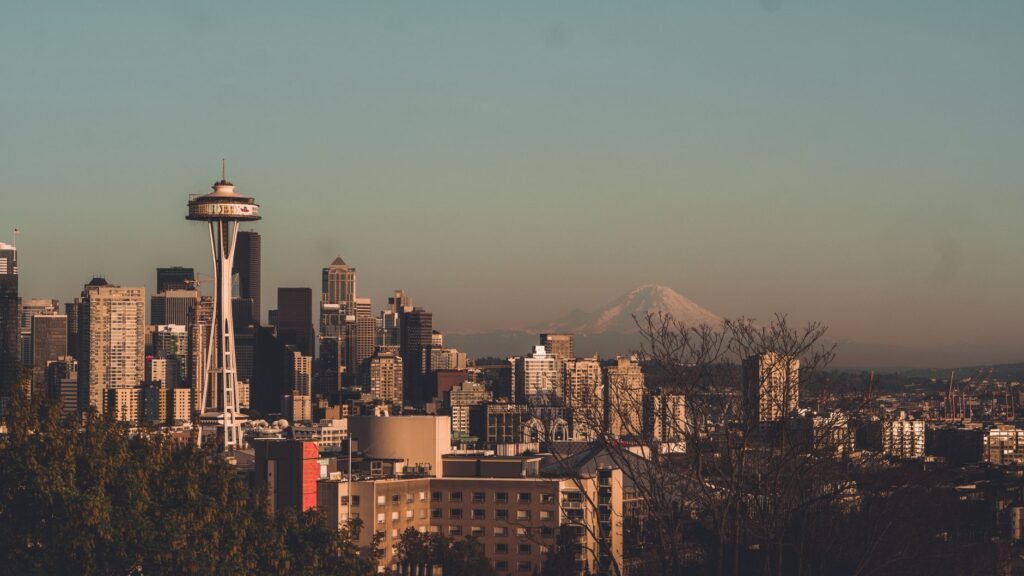
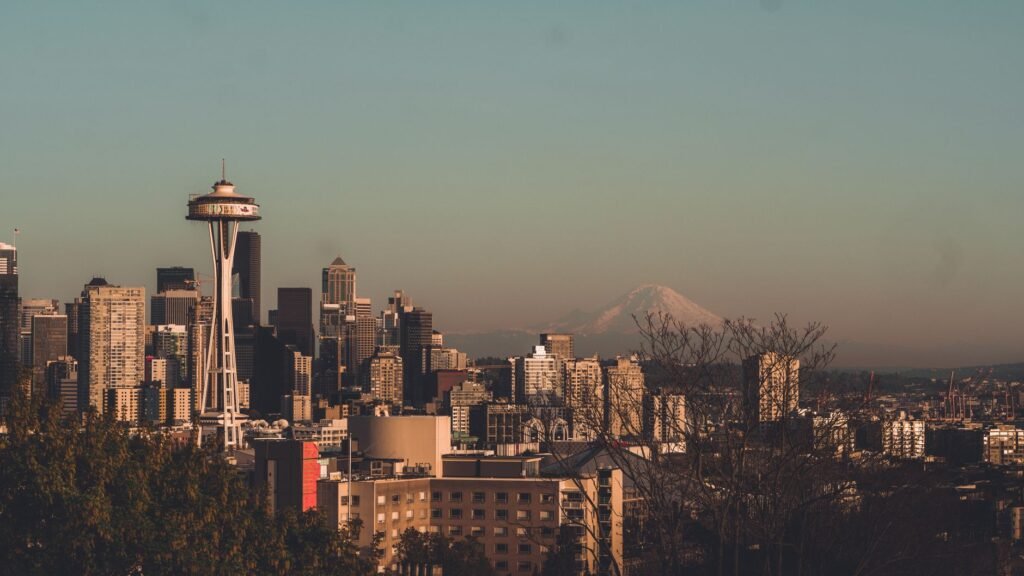
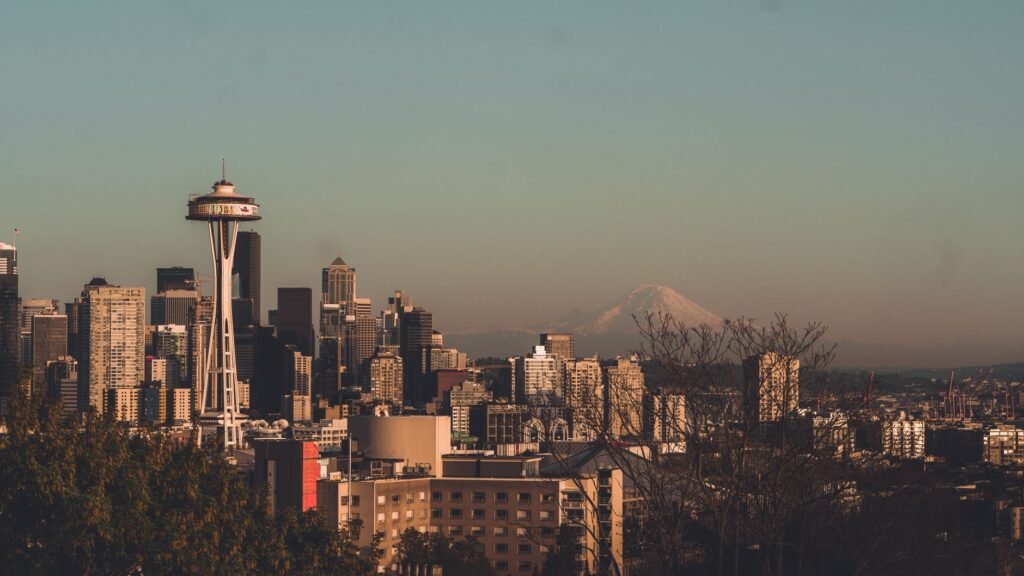
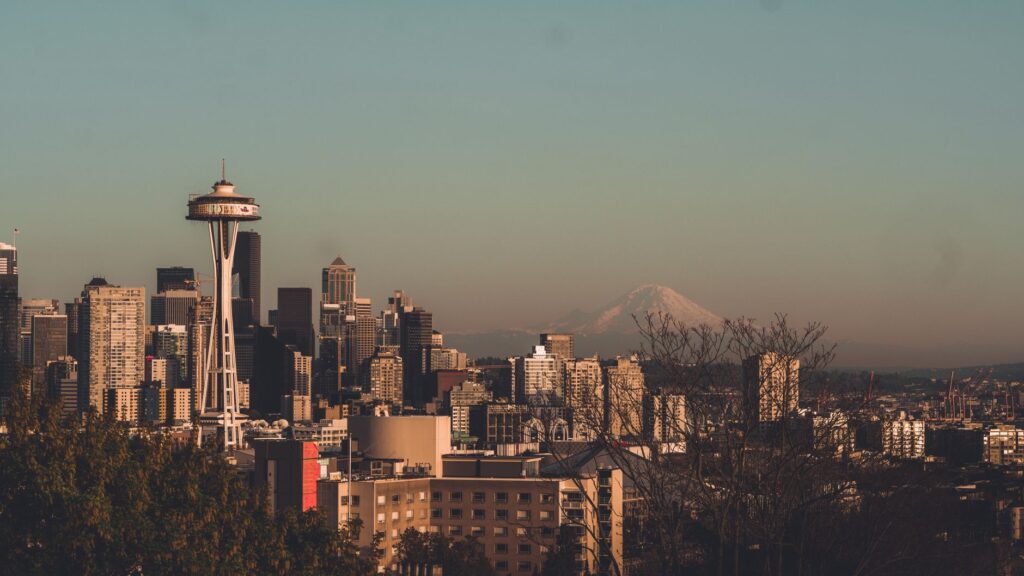
The 2.4 mile Alki Beach Park walk is the real draw. You can stroll the entire length if you want. Views span Puget Sound to the San Juan Islands on clear days. Downtown Seattle and the Space Needle sit directly across the water. Perfect photo spots exist every few hundred feet.
The boardwalk vibe is decidedly local, not touristy. Families, joggers, and regular swimmers dominate. You won’t find screaming crowds or commercialization. That’s the appeal. This is where real Seattle plays.
Parking at Alki exists but costs money. Yet if you took the water taxi, you skip this problem entirely. That’s the point. The ferry ride is worth it for the parking alone, before you even touch sand.
Practical Decisions: Water Taxi Versus Driving and Ferry Alternatives
The water taxi saves time and stress compared to driving. You avoid the West Seattle Bridge crossing. That bridge closes for repairs periodically. Construction delays are common. The ferry bypasses all of it. Twenty-five minutes beats a 30 to 45 minute drive in traffic.
The ferry costs less than parking downtown plus gas. For one person or two, it’s a clear win. A family of five driving might break even or save slightly on gas. But parking charges tip the equation toward the ferry. The equation changes based on your party size and trip duration.
The Bainbridge Island ferry is faster but doesn’t reach Alki. Bainbridge takes 35 minutes. The Alki water taxi takes 20 to 25 minutes. Why would you choose differently? Bainbridge makes sense if you want a longer ferry ride for the experience. The island itself has charm. Alki is beaches and Puget Sound views focused.
Check current schedules before deciding. A suspended water taxi route changes the math. In winter, you’re likely driving regardless. Summer is when the ferry option actually exists.
What to Pack and Know Before Going
Bring layers even in summer. The boat is enclosed but unheated. Morning trips are cool. The water is cold. Towels are essential if you plan to swim. Most beach-goers bring them anyway.
Sun protection matters. The water reflects sunlight. Sunburn happens fast. Sunscreen is easy to forget and important to remember. Apply it before you board.
Cash is useful but not required. The ticket booth takes cards. Shops at Alki accept both. Bring some cash for tips if you eat at a food cart.
A light bag works better than a large backpack. Space on the boat is limited. Other passengers exist. Keep your belongings with you. Theft from the boat is rare. Theft from an unattended bag on the beach is common.
Check the weather before committing. Rain doesn’t stop the ferry but makes the experience less pleasant. Wind can close service. Snow is rare but possible in late fall and early winter.
Reference: National Weather Service
When Not to Take the Water Taxi
Skip the ferry if winter weather hits. Service becomes unreliable. The rides get rough. Enjoyment drops. Driving your own vehicle gives you exit options if conditions deteriorate.
Don’t try it on a tight schedule. The ferry has fixed departures. Missing one means waiting an hour or more. Building buffer time into your day is smart. This doesn’t work if you have a dinner reservation at 6pm and need to leave Alki by 4:45pm.
Avoid peak summer weekends if you prefer quiet beaches. Alki fills with families and groups on Saturday and Sunday afternoons. Weekday mornings offer far better solitude. You’ll hear other voices but not crowds.
Skip the option entirely if Alki doesn’t match your beach preferences. The water is cold and often gray. Sand is modest. Facilities are basic. If you want warm water and wide beaches, a different destination makes more sense. The San Juan Islands require a longer ferry but offer a different experience. The Oregon coast requires driving but delivers dramatic scenery.
Your Last-Minute Decision Framework
Book the water taxi if summer dates align and schedule flexibility exists. You get a genuinely useful trip that beats driving. The ride itself is part of the experience. Views of Puget Sound and Elliott Bay create conversation. That’s something you don’t get in a car.
Grab a coffee before boarding at Pier 50. Settle into a window seat. Watch Seattle recede. Note the transition from urban waterfront to beach town. Alki appears suddenly. You’ve crossed water. That matters. It changes how you think about the place. The taxi delivers more than just transportation. It delivers perspective.