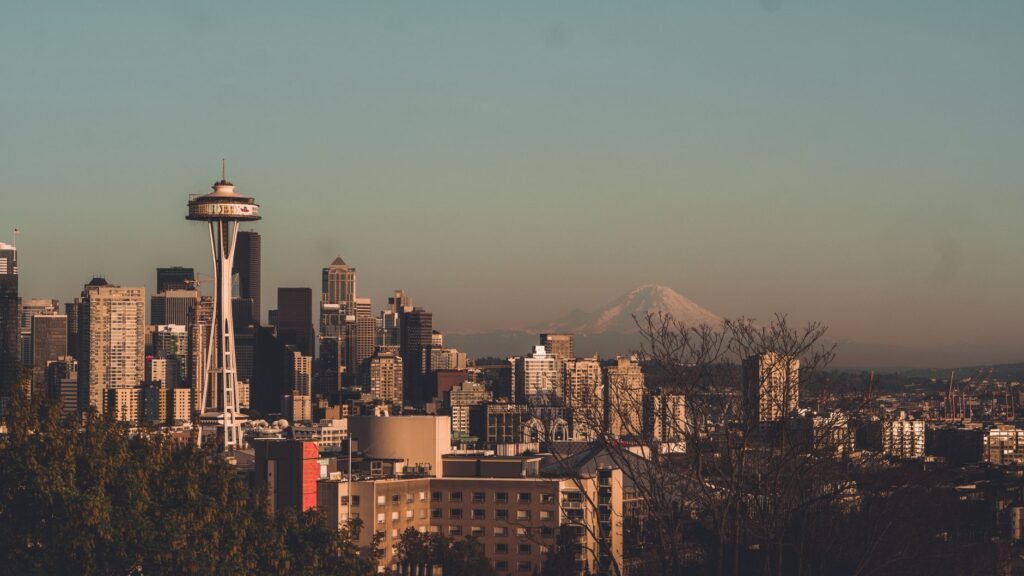
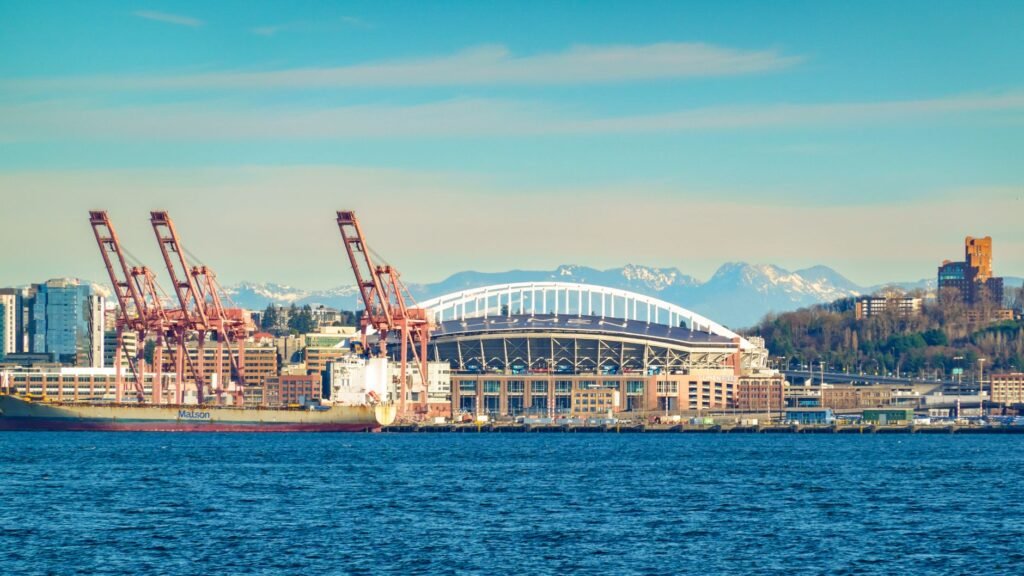
Seattle’s best water sports are kayaking and stand-up paddleboarding. Both work year-round and give you a real connection to the sound and mountains. You don’t need experience to start either one. Rentals are cheap and instruction is solid.
The Puget Sound is your playground. Unlike ocean kayaking on the California coast, this is protected water. Winds stay moderate most days. The water is cold, so a wetsuit matters. But the visibility is good and the wildlife shows up often.
Why Seattle Water Sports Beat Other Cities
Most American cities offer water sports as an afterthought. Seattle treats them as a core part of living here. The geography demands it. Mountains frame the water on three sides. Snow caps the peaks year-round. You notice the landscape while you’re paddling. That’s not something you get in Florida or Arizona.
The access is another thing. You don’t need a boat ramp or a marina membership. Public kayak launch points dot the shoreline around the city. Many are free. Some charge $5 to $10 per day. Compare that to coastal towns where you’re paying $40 to $60 just to access the water.
What matters most is timing. Spring brings calmer water and longer daylight. Summer crowds everything, but the weather holds. Fall offers fewer people and sharper light. Winter is cold and rain-heavy. Most visitors come in summer. That’s when lessons fill fast and rentals get picked over.
Kayaking in Seattle Waters
Kayaking on Puget Sound is straightforward if you know the right spots. The water stays mellow in the morning before wind picks up. Most people launch before 10am and call it done by early afternoon. That’s the rhythm that works.
Green Lake is your safest bet for a first paddle. The lake sits right in the city. It’s about 2 miles around the perimeter. Fresh water, shallow edges, and almost zero current make it forgiving. The view isn’t dramatic, but you share it with locals who know what they’re doing. Watch how they paddle and where they go. You’ll learn the rhythm fast.
For sound kayaking with actual landscape, head to Lake Union. This is the working heart of Seattle. Houseboats, fishing boats, and seaplanes share the water. You’re paddling past the Space Needle. The water is calm because it’s an urban lake with strong current management. Kayak rentals cluster on the south shore near the University of Washington. Expect to pay about $35 to $50 per kayak for a few hours.
Alki Beach in West Seattle offers something different. This is where you feel the actual sound. Launch from the beach and you’re looking straight at the Olympic Mountains. On clear days, the view stops conversation. The water can get choppy in afternoon wind. Launch early. Paddling here feels like you’re escaping the city while still in it.
A deeper trip worth your time is paddling to Vashon Island. This takes planning and experience. The crossing from Seattle takes about 45 minutes depending on current. Once there, you’ve found a place most day-trippers never reach. The beach landing is clean and the view of the sound from the island side is better than from the city. Only go this route if you’ve paddled before or you take a guided trip. Current and boat traffic make it serious business.
Rental shops handle most of the logistics if you’re nervous about planning alone. They’ll point you toward the water that matches your skill level. They rent gear that’s maintained and ready to go. Most won’t rent a kayak without basic safety talk. That matters. Listen to it.
Read more: Unique Places to Stay in Seattle Cool Hotels
Stand-Up Paddleboarding
SUP boards work on the same water as kayaks. The learning curve is steeper at first. You’ll fall off. Once you get balance, though, paddleboarding is almost meditative. You see more from standing height than you do from a kayak seat.
Green Lake again is the proving ground. This is where SUP boards cluster because falls here don’t mean anything. You’re in 20 feet of water max. The bottom is mud. It stops you. Rentals run about $25 to $35 for a couple of hours. Most shops throw in a lesson that takes 15 minutes. You’ll be reasonably stable by the time you leave the rental dock.
What’s nice about paddleboards is stability once you find your feet. Your body figures out balance faster than your brain expects. The board itself is forgiving. It bobs and gives instead of tipping. After two or three launches, most people stop worrying about falling.
The Lake Union paddle on a board is worthier than you’d think. The extra height lets you see into the water. Ducks, fish, and occasionally a seal will show up below you. The houseboats become real architecture instead of colorful floats. On a weekday morning, you might paddle for an hour and see ten other people. Weekends are standing room only on the water.
Sound paddleboarding demands more skill. The water moves. Waves are gentler than ocean swells, but they still push you around. Combine that with boat traffic and you’ve got a situation that needs respect. Guided tours exist specifically for this. They cost about $70 to $100 per person. The guide shows you tide patterns and tells you where wildlife tends to show. You’re paying for knowledge, not just access.
Other Water Sports Worth Your Time
Diving in the sound draws a loyal crowd. The water is cold and dark. Visibility runs 20 to 30 feet depending on season. You need certification and proper gear. The payoff is giant orange sea stars on the bottom and sometimes an octopus. This isn’t a casual sport. It’s real. Several shops offer certification classes and dive trips. Expect to spend $300 to $400 for basic certification and a few hundred more for a guided dive.
Windsurfing works here during specific seasons. Summer winds are too light. Fall brings the wind. Winter brings the waves. November through March is the window. Green Lake and Lake Union host most local windsurfers. You need to already know how to windsurf. If you don’t, this isn’t the trip to learn. Lessons are rare and pricey.
Sailing is another option for people with some experience. Several companies rent sailboats on Lake Union. A small boat suitable for two people runs about $60 to $75 per hour. You need to demonstrate competence. They’re not looking for Olympic sailors. They’re looking for people who understand basic boat handling. If you’ve sailed before, this is a great way to get on the water without a full day commitment.
Sport fishing happens on the sound. The salmon runs vary year to year. Charter boats run about $150 to $200 per person for a half-day trip. The captain handles navigation and knows where fish are. You handle the rod. Most trips run 5 to 6 hours. You’ll get sunburned and tired. The fish may or may not cooperate. People who do this once usually do it again.
Choosing Gear and Rentals
Renting beats buying for most visitors. Quality gear costs real money. A decent kayak runs $800 to $1200. A SUP board is $600 to $1000. Rentals give you a week’s worth of paddling for less than the sales tax on a new board.
Rental shops cluster in three spots. The University District near Lake Union has the most density. Green Lake’s south shore has several options. Alki Beach in West Seattle serves that corner. Call ahead on weekends. Popular shops rent out completely by noon in summer.
Choose a rental place where the owner or staff has actually used the gear. This is obvious when you’re standing in the shop. You’ll hear specific advice about condition and performance instead of a generic safety speech. Shops that are busy and slightly chaotic tend to be good ones. Places that are quiet and full of pristine gear are sometimes just retail operations.
What to check before you paddle:
- The seat or deck is secure and not cracked.
- The paddle floats and feels balanced in your hands.
- Straps and handles are attached and solid.
- The rental place provides a life jacket that fits your chest.
- They explain what to do if you flip or get tired.
Most rental places include these things. Some ask for a damage deposit. Pay it. You’re protecting yourself and being fair to the next person renting after you.
When and How to Go
Timing shapes your entire experience. Summer is warmest but most crowded. July and August bring school vacation families and tourists. Launch areas get busy by 9am. If you want solitude, aim for early morning or late afternoon. Weekdays are emptier than weekends even in summer.
Fall is underrated. September and early October have good weather and far fewer people. The water is still swimmable without a thick wetsuit. Light improves and angles sharpen. Locals know this. That’s when you see experienced paddlers out instead of renters.
Winter and early spring are cold and wet. Temperatures drop to the 40s. Hypothermia is real if you flip and stay in the water. Wear a proper wetsuit if you paddle then. Many rental shops push people toward kayaking in winter because it’s warmer and more stable than standing on a board. They’re right.
Gear matters more when conditions get hard. A decent wetsuit costs $60 to $100 to rent. Buy one if you’re going to paddle more than three times. A dry bag to hold your phone and keys runs $20 to $30. Waterproof shoes prevent numb feet. These details matter on longer trips.
Read more: Seattle to Leavenworth Drive
Getting There and Moving Around
The Seattle center and downtown put you close to water access. Driving to Green Lake from downtown takes 15 minutes in light traffic. Parking is free at the lake and usually available even on weekends. The lot fills by midmorning in summer, but turnover is fast.
Lake Union access from downtown is a 10-minute drive. Parking fills quickly here. Arrive before 10am if you’re going in summer. Public transit reaches Green Lake easily. The bus takes about 30 minutes from downtown. Driving is faster but parking is the real constraint.
Alki Beach requires a car unless you like a 45-minute bus ride. Parking is abundant and free. Walk straight from the lot to the rentals. The whole area is built around beach tourism so navigation is simple.
If you don’t have a car, call a ride-share to get to water access. Cost is usually $12 to $18 from downtown. Cheaper than parking stress.
Final Push
Paddle early and often while you’re here. The water stays accessible year-round. Most people visit in summer and crowd out the experience for themselves. Come in April or September and you’ll actually enjoy it. Rent what you need, start on green water, and work toward the sound once you’re confident. The view never gets old.
Reference: Puget Sound