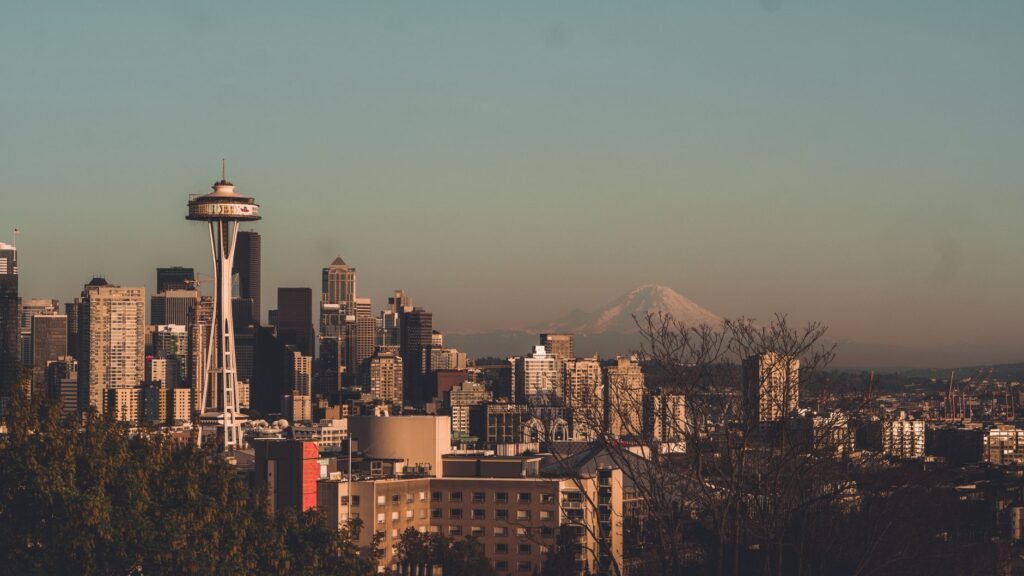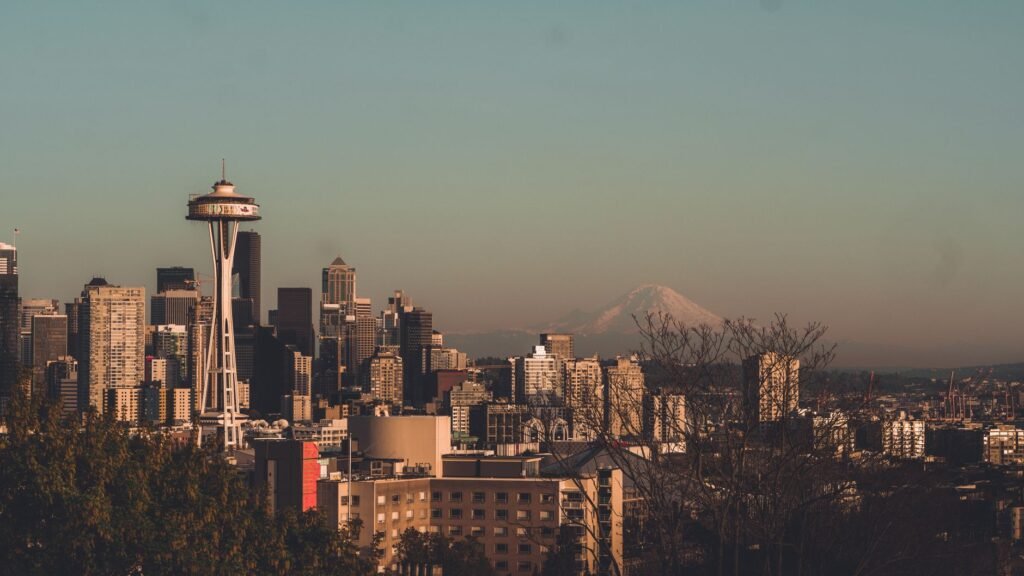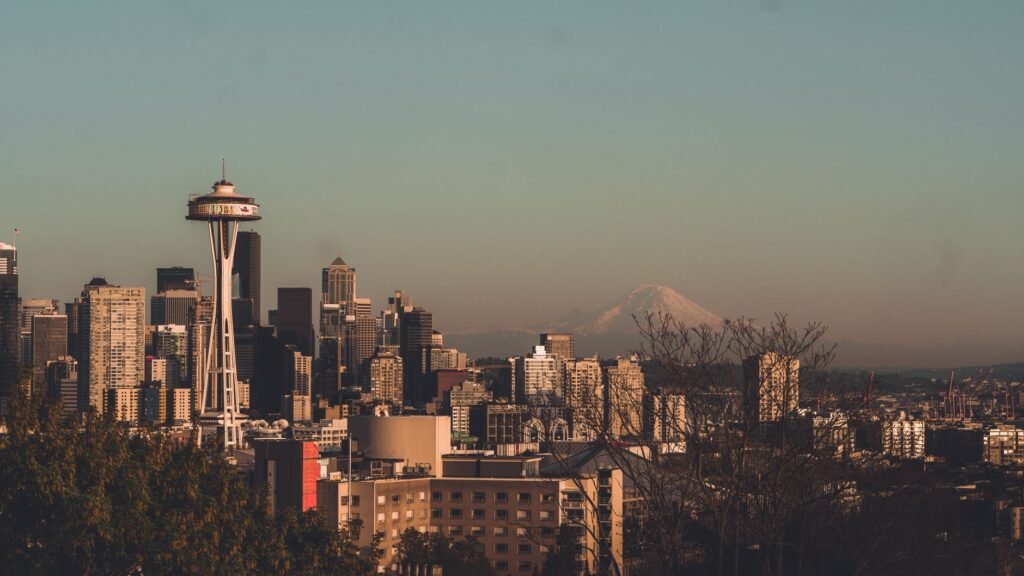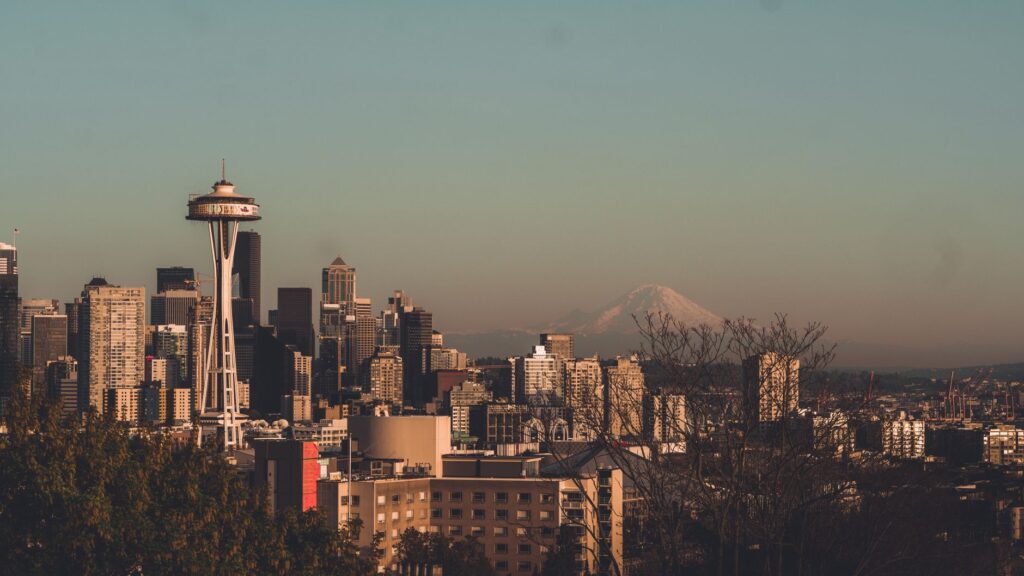
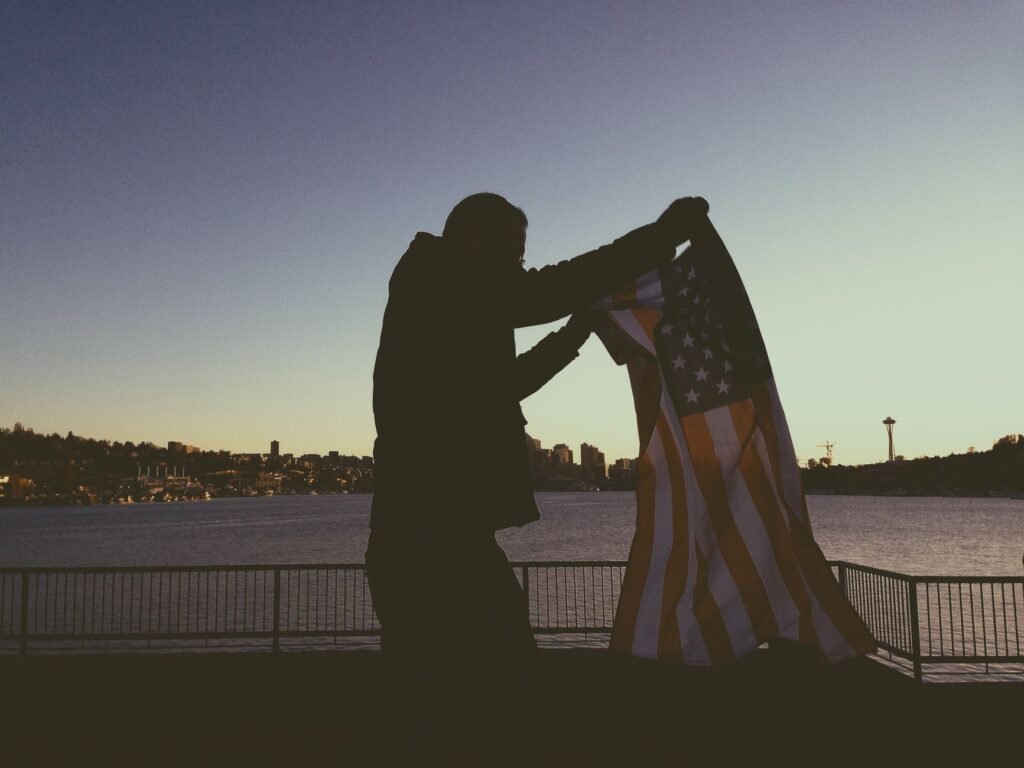
The best things to do in Seattle in July range from outdoor festivals to waterfront markets to mountain hikes. Summer is when the city finally stops apologizing for its weather. Rain vanishes. Tourists arrive. Locals actually spend time outside. If you want to visit Seattle when it’s at its most livable, July is the month to come.
The trick is knowing where to spend your time. Too many visitors stick to Pike Place Market and the Space Needle, then leave saying they saw Seattle. You haven’t. The real city happens in neighborhoods, on trails, and at festivals that pack the calendar in July. This is your month to move beyond the basics.
Catch a Festival or Outdoor Concert
Seattle’s event calendar explodes in July. The city hosts everything from massive music festivals to neighborhood block parties. What makes them worth your time is that locals actually attend. You’re not buying a ticket to a tourist trap. You’re doing what people who live here do in summer.
Seafair is the biggest draw. This month-long celebration includes parades, fireworks, and hydroplane racing on Lake Washington. The Blue Angels fly overhead. Kids line the streets. It’s genuinely worth a day, though expect crowds and plan to arrive early for good spots. If you prefer something less mainstream, neighborhood festivals happen almost every weekend. Capitol Hill hosts street fairs. Ballard celebrates its Scandinavian roots. West Seattle throws block parties with local bands and food trucks.
For music specifically, look for outdoor concert series in parks across the city. Discovery Park hosts performances. Green Lake has summer concerts. Volunteer Park does too. Most are free or low-cost. Bring a blanket, pack a picnic, and settle in for the evening. This is the Seattle summer experience most people miss.
The real benefit of timing your trip for July is that you can build your schedule around whatever festival aligns with your interests. Check what’s happening when you plan to visit. Then build your trip around it. That one change transforms a generic visit into something memorable.
Hike Mount Rainier
Mount Rainier sits 54 miles south of Seattle. On clear July days, you can see it from downtown. That view is gorgeous. Actually going there is something else entirely. The mountain is the region’s centerpiece, and a day hike in July with trails mostly free of snow and afternoon temperatures in the low 70s.
You have options depending on your fitness level and how much time you have. Skyline Trail loops around wildflower meadows. It’s about 5.5 miles and moderately strenuous. Emmons Glacier Trail is shorter but more crowded. Reflection Lakes Trail is an easy 2-mile walk with views that look like a postcard (though that’s the most cliched hike in the park, so expect company).
For most visitors, the Skyline Trail offers the best balance. You get elevation gain without needing mountaineering experience. The wildflowers in July are spectacular. The views of the mountain itself feel earned because you climbed for them. Bring plenty of water. The sun reflects hard off the exposed terrain at elevation. Sunscreen is essential.
Getting there requires a car. Public transportation doesn’t service the park reliably. Leave Seattle early. The drive takes about 90 minutes depending on traffic. National Park entry costs $30 per vehicle and is good for seven days. The parking lots fill by mid-morning on weekends, so arrive by 8am if possible.
What separates Rainier from other hikes is the scale. The mountain commands attention. Standing at 14,411 feet, it dominates the landscape in a way that photographs don’t capture. This is why locals still hike there despite the crowds. The experience validates the trip every time.
Read more: Mount Rainier
Explore Pike Place Market the Right Way
Pike Place Market is unavoidable. It’s also worth visiting if you do it correctly. Most tourists show up at 10am, take a photo with the fish being thrown, buy a coffee, and leave feeling like they’ve checked a box. That’s not visiting Pike Place. That’s processing through it.
The market operates best early. Arrive at 7am. The fish vendors are setting up. The flower stalls smell rich. The bakers are still pulling bread from ovens. Coffee stands have short lines. This is when locals shop. The energy is different. People are here for reasons other than taking pictures.
Walk the lower levels. That’s where the actual market happens, not the tourist shops on the main floor. The flower stalls are here. The produce vendors set up. The fishmongers work their counters. Talk to people. Ask questions. Fishmongers enjoy explaining what they sell if you’re genuinely interested. The market was built for this interaction, not for processed tourism.
Eat at Piroshky Piroshky or Lowell’s or one of the other spots that have been there for decades. Avoid the newer, shinier places that have moved in. The established vendors know what they’re doing. The food is dependable. You can eat standing at a counter overlooking Elliott Bay while watching the ferries move in and out of Colman Dock. That’s the market experience worth having.
The market is open year-round, but July brings tourists by the thousands. You beat most of them by showing up early. The market opens at 10am on some stalls but locals know the early hours belong to them. The tradeoff is that you’re up earlier. The payoff is that Pike Place feels like a market again instead of a museum.
Spend Time on the Water
Seattle sits between Puget Sound and Lake Washington. Both offer ways to get on the water that feel natural to the place. You have options.
Lake Union is the most accessible. You can rent a kayak or stand-up paddleboard from several outfitters right on the water. Paddling around the lake gives you views of the city from the water. You see the houseboats where people actually live. You float past the Ballard Bridge and the Center for Wooden Boats. The water in July is calm and cold. Bring a wetsuit or be prepared for shock when you fall. You will fall. Most people do.
Ferries offer another way. The ferry from downtown to Bainbridge Island takes 35 minutes and costs around $10. You spend the time on the water, buy a drink, and arrive in a small community with good restaurants and bookstores. Walk around. Eat lunch. Take the ferry back. You’ve spent a day on the water without owning a boat. This is how Seattle residents decompress.
For something more ambitious, book a whale-watching tour. The San Juan Islands are home to orca populations. Tours leave from downtown Seattle and from Anacortes, which is about 70 miles north. A full day tour runs around $150 to $200. Whale sightings are never guaranteed, but July and August are the best months. Even if you don’t see whales, the boat ride through the islands is worth the money alone.
What appeals about water activities in July is that the weather cooperates. You won’t get rained on. The sound is calm. The light stays long into the evening. This is the only time of year when water activities feel like leisure instead of endurance tests.
Also read: Unique Places to Stay in Seattle Cool Hotels
Know These Details Before You Go
A few practical things matter more than you’d expect. Seattle traffic can be brutal. The city expanded faster than its roads could handle. If you’re driving, avoid I-5 between 7am and 10am and between 4pm and 7pm. Parking downtown costs $5 to $15 per hour depending on the area. Use the parking app or you’ll get a ticket. Meter readers are thorough.
Public transportation is solid if you’re staying downtown or in Capitol Hill. The light rail connects downtown to the airport and extends north through the city. Buses cover most neighborhoods. A one-day pass costs around $3 and covers unlimited rides. Rideshare services operate like anywhere else. Expect surge pricing during peak hours.
Temperatures in July sit in the high 70s to low 80s during the day. Mornings are cool. Evenings cool down fast. Bring layers. Sunscreen is not optional. The sun reflects off the water and you burn without realizing it. Locals know this.
Neighborhoods worth exploring beyond downtown include Ballard, Capitol Hill, Queen Anne, and Fremont. Each has its own character. Ballard has breweries and restaurants. Capitol Hill has music venues and shops. Queen Anne offers quieter streets and views. Fremont is quirky and worth an afternoon. You could spend a week in Seattle and barely scratch these neighborhoods.
July is peak season. Hotels cost more. Popular restaurants book up. Book ahead for dinner reservations if you’re going somewhere specific. Walking-in to popular places during dinner hours means waits of 30 minutes to an hour. If you’re flexible, eat lunch at nice restaurants and dinner at casual places. The quality is still high and the waits are shorter.
Plan for at least three to four days in Seattle to actually see the city. Two days feels rushed. Five days lets you breathe and explore without constantly looking at your watch. The Pacific Northwest is worth lingering in. July is when you can do it without weather ruining your plans.