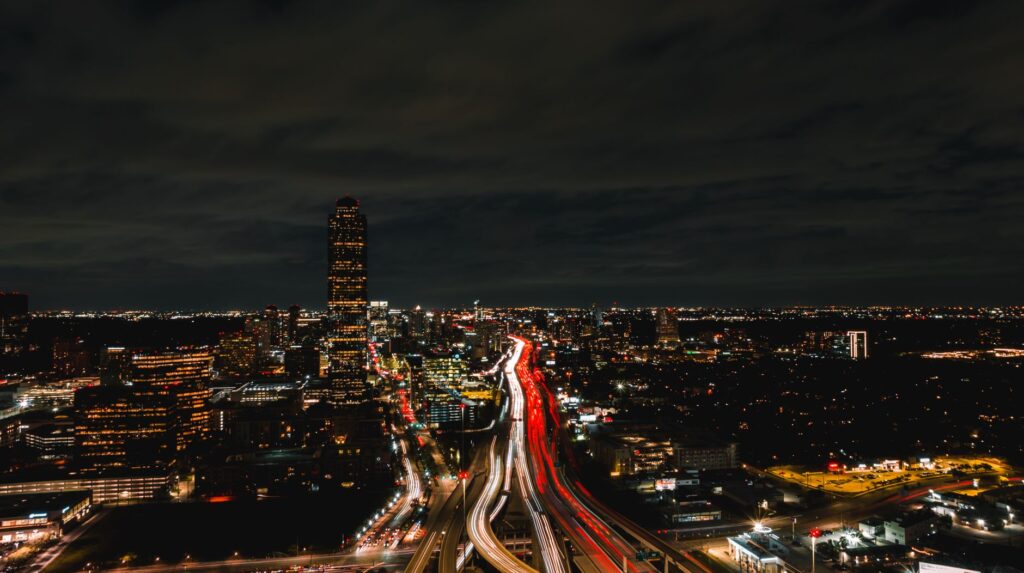
The drive from Houston to Seattle takes about 36 to 38 hours of actual driving. That’s across roughly 2,300 miles. Most people split it into three days. Some push it to two if they’re running light on sleep. Either way, this route takes you through some genuinely good country. You get high desert. You get mountains. You get long stretches where the road is almost empty.
I’ve done this drive twice, once in summer and once in fall. The second trip was cleaner. Traffic near Houston always hurts first. Then you clear into Texas and the pace opens up. I’ll walk you through what to expect, where the real delays hide, and how to time this so you don’t hate yourself halfway through New Mexico.
Route Options for the Houston to Seattle Drive
The most direct path runs north on I-45 to Dallas. From there you take I-20 west toward Fort Worth. Then I-30 cuts into Arkansas. Eventually you merge onto I-40, which becomes your spine all the way to the panhandle. That’s your baseline. Fast. Predictable. Dull as paint. Most trucks use this route. You will sit in traffic leaving Dallas. Plan on losing an hour there, minimum.
The scenic alternative heads west from Dallas on I-20. This takes you through West Texas. You pass El Paso around hour eighteen. The landscape changes around Van Horn. Suddenly you’re in real desert. Wind turbines dot the plains. The sky gets enormous. This adds maybe ninety minutes to your total time. For most trips, that’s an easy call. The drive from Houston to Seattle on this route feels less like a chore. You’re actually looking at something.
What you’re trading off is gas price and the spacing of services. Once you leave Fort Stockton heading west, there are stretches of sixty or seventy miles between fuel stops. Not dangerous, but something to know. Bring water. Bring snacks. Your phone signal gets thinner. That’s fine. You’re on the highway. You don’t need it.
I-40 through New Mexico is straight. Really straight. Hour after hour. The terrain flattens. Then it gets weird and colorful around Gallup. The Navajo Nation sits right on the road. The light changes. Reds get redder. The air feels different. You don’t stop and visit from the car, but the view costs you nothing.
Once you hit Arizona, I-40 runs alongside older Route 66 in places. The highway quality improves. Your phone finds signal again. Around Flagstaff things cool down and get greener. Elevation starts mattering. You’re climbing toward eight thousand feet. The air gets thinner. Your car will work a little harder. This is normal.
Timing and Distance Breakdown
Breaking this into three days usually means roughly 750 miles per day. That’s a solid day’s work but not a death march. Your first day probably ends in New Mexico or the Texas panhandle. Second day pushes through New Mexico and Arizona and lands you somewhere in Utah or the edge of Nevada. Third day gets you to Seattle by evening if you start early.
Sound like a lot? It adds up fast. But three days means actual rest. You sleep. You eat at a table. You’re not wrecked when you arrive. If you’re driving through the spring or fall, sunrise and sunset light changes your route completely. Spring gives you long afternoons. Fall chills things down and the light goes golden around four in the afternoon.
Summer traffic around Dallas and the Phoenix area gets bad. Leave Houston at four in the morning if you’re going in July or August. Seriously. I made this mistake. Left at six on a summer Thursday. Sat in brake lights for forty minutes near Arlington. The drive that should have been nine hours took ten and a half.
Winter snow mostly stays in the mountains north of Flagstaff. Below that you’re fine. But once you cross into Oregon the weather gets variable. Check conditions. This is where it’s not worth rushing. Snow hits I-84 in the Columbia River Gorge and suddenly your easy drive becomes sketchy. That’s the one part of this route that actually changes fast.
Read more: Seattle to Vegas Drive
Where to Stop and Sleep
Your first night should hit somewhere around Lubbock or beyond. There’s nothing special there, but it’s a natural break point. The motels are clean. The food is cheap. You’re in the flat part. The Holiday Inn Express does a solid room. Most chains do. Avoid tiny towns where the motel looks like it’s from 1987 and the ice machine hasn’t worked in years. Spend forty extra dollars. Stay somewhere normal. You’ll sleep better.
Second night lands you in the Utah area or northern Arizona. Flagstaff is lovely but tourist prices. Holbrook, Arizona is cheaper and closer to your timeline. The rooms are basic but fine. The problem is that you want to push into day three fresh. Getting nine hours of sleep is worth the simple room. Spend fifty-five to seventy dollars. Get a room with decent heat. Arizona nights are cold even when the days are hot.
The last leg into Seattle is the prettiest part of the drive. I-90 splits off and runs through the Cascades. This part actually matters scenically. Don’t rush it. Your third day should start early enough that you hit the Oregon border around mid-morning. This gives you time to enjoy the approach. The mountains appear. The light changes. Trees get thick. You’re leaving high desert and entering actual forest.
Also read: Seattle to Leavenworth Drive
What to Pack and Prepare
Before you leave, your car needs attention. Get the oil checked. Make sure your tires have real tread. Long drives on dry highways heat things up. Bald tires fail. It costs way more to fix that in the middle of nowhere than before you leave.
Bring supplies for the road itself. A cooler saves you money and time. Water. Electrolyte drinks. Trail mix. Nothing that needs heating. Eating at a restaurant every meal is expensive and slow. You lose two hours a day to sit-down food.
- Good phone charger. Two if possible.
- Sunscreen. The desert sun is strong.
- Sunglasses. Serious ones.
- A jacket. Flagstaff is eight thousand feet.
- Hand lotion. Desert air is dry.
- Snacks you actually like.
- A map or printed route if your phone dies.
The sunglasses matter more than they sound. Driving into the setting sun across open desert for two hours straight will give you a headache. Real sunglasses, not gas station ones. Your eyes will thank you.
Gas, Food, and Money
Your fuel costs will run between $280 and $360 depending on prices and your car’s efficiency. Fill up in Texas and New Mexico when you see good prices. Arizona and California are more expensive. Don’t wait to fuel up thinking the next station is close. There are real gaps. Running to a quarter tank because you didn’t fill up in Gallup is how you spend $90 for ten gallons of premium gas at some remote stop.
Food costs depend entirely on your choices. If you bring a cooler and eat breakfast in your room, you’ll spend forty to fifty dollars per day on food. If you eat out for every meal, double that. The fast food is fine. In-N-Out appears in Arizona and California. It’s good and cheap. Eat it. Eating at local diners in small towns is actually better and costs the same.
Budget roughly $200 for three nights of lodging if you pick simple chains. Budget $150 to $200 for gas. Budget $120 to $150 for food. That’s about $500 to $600 for the whole drive. A hotel in Seattle for those three nights would be $300 to $400. You’re not saving money. You’re trading time for experience. The drive is worth it for what you see.
Also read: Drive from Seattle to Portland Oregon
The Real Challenges
Rain happens. If you’re driving when rain or snow is falling, slow down on I-40 through Arizona. The pavement gets slick faster than you think. Dust storms blow up from nowhere. If you see one coming, keep the window up and your speed steady. They pass in minutes.
Fatigue is the real issue. After hour eight of driving, your focus drops. The road starts looking the same. Your eyes glaze. This is when accidents happen. Pull over for twenty minutes. Drink a coffee. Walk around. It’s not wasted time. It’s preventive. A one-hour delay now beats a five-hour delay from being a cautious driver the rest of the day.
The I-40 corridor through New Mexico gets boring. Really boring. Most people say it’s the worst part of the drive. It is. No scenery worth paying attention to. No interesting towns. Just highway. This is where you rotate drivers if possible. Listen to podcasts. Call someone. Just push through. Day three past the Arizona border suddenly gets interesting again.
Arriving in Seattle
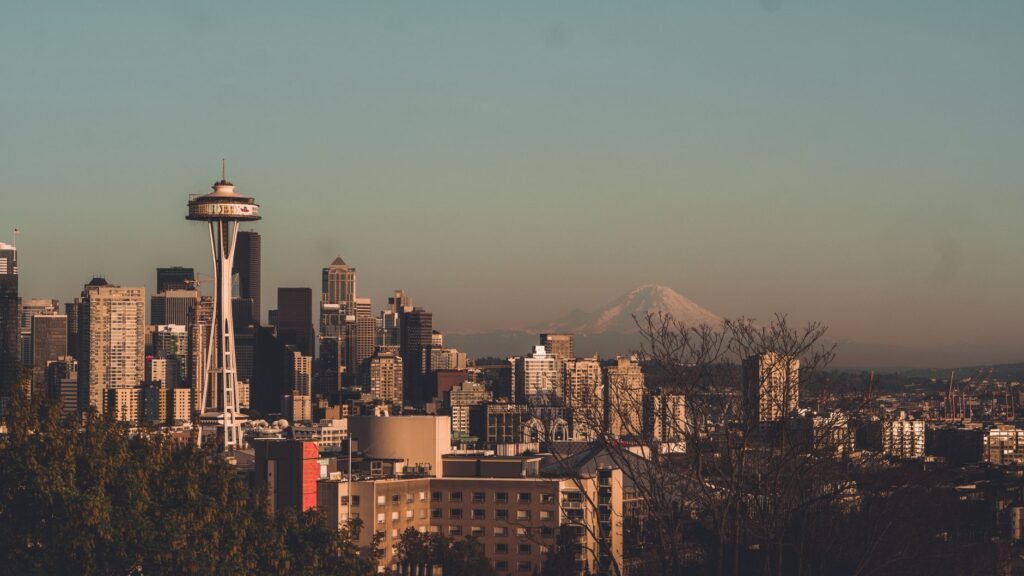
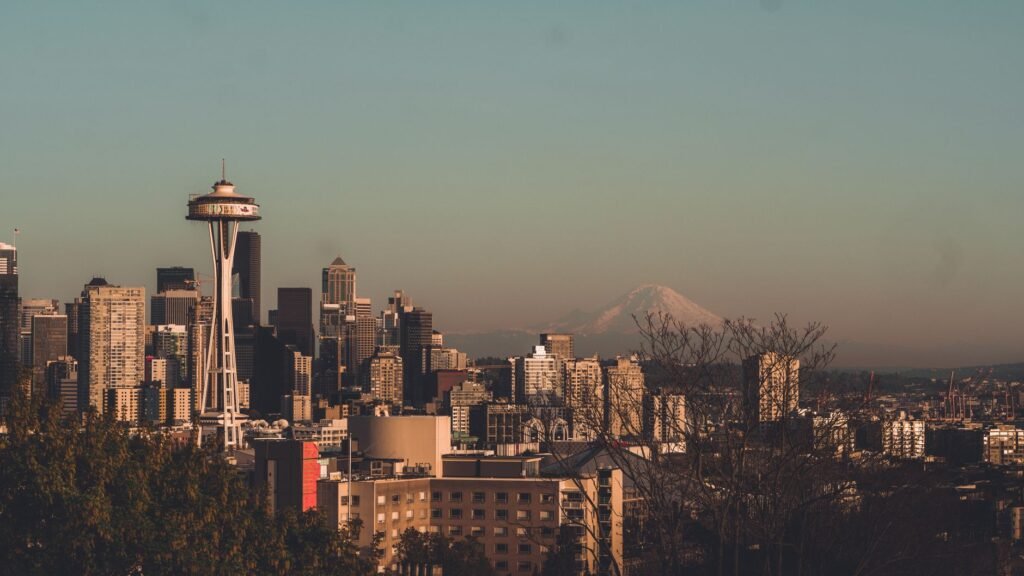
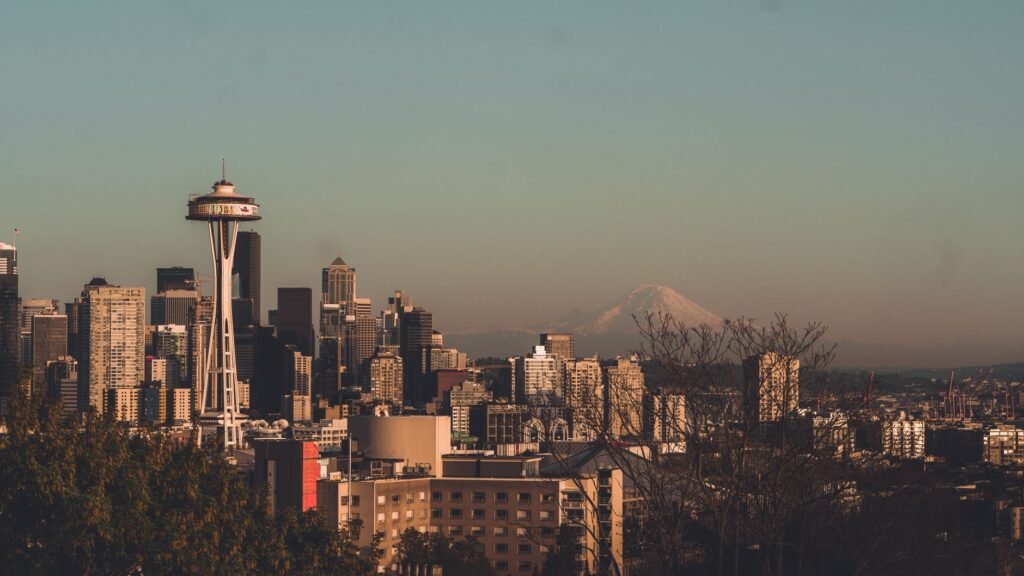
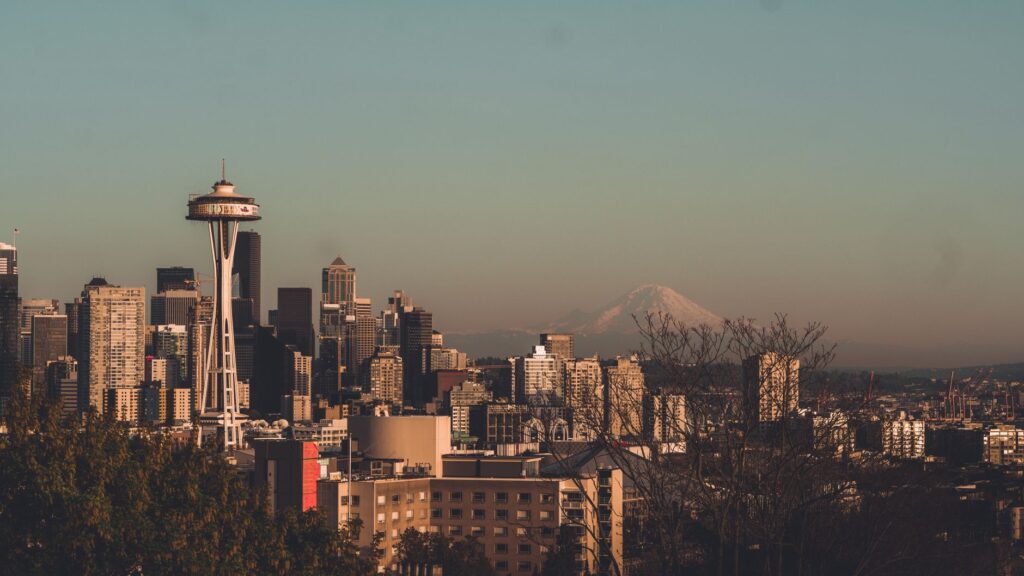
The final approach through the Cascades is the payoff. I-90 climbs. The temperature drops. Evergreen trees replace high desert sage. The sky gets gray. It feels like a completely different region. Around Snoqualmie you start seeing the real mountains. The descent into the Seattle area happens around sunset if you’ve timed it right.
Traffic hits hard once you get into Puget Sound. Don’t expect smooth driving through Tacoma. Rush hour there is brutal. Your phone’s GPS will route you around the worst of it if you ask. Trust it. Getting to your hotel takes longer than you think. Seattle drivers don’t follow normal rules. Ride it out. You’ve already driven thirty-six hours. Fifteen more minutes of annoying traffic doesn’t hurt.
The drive from Houston to Seattle is long but straightforward. It’s not a race. It’s three days of moving north and west through changing landscape. You’ll see things that stay with you. High desert at sunset. Mountains at dawn. Long empty roads where you’re alone with the road for hours. That’s the real value of driving instead of flying. You’re not there yet. You’re still traveling.
Reference: Interstate 40