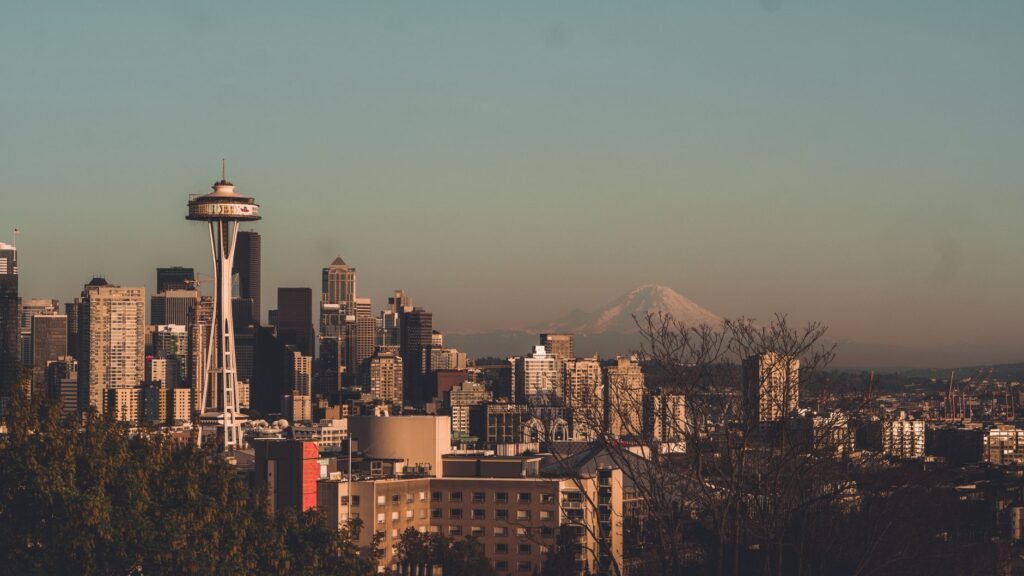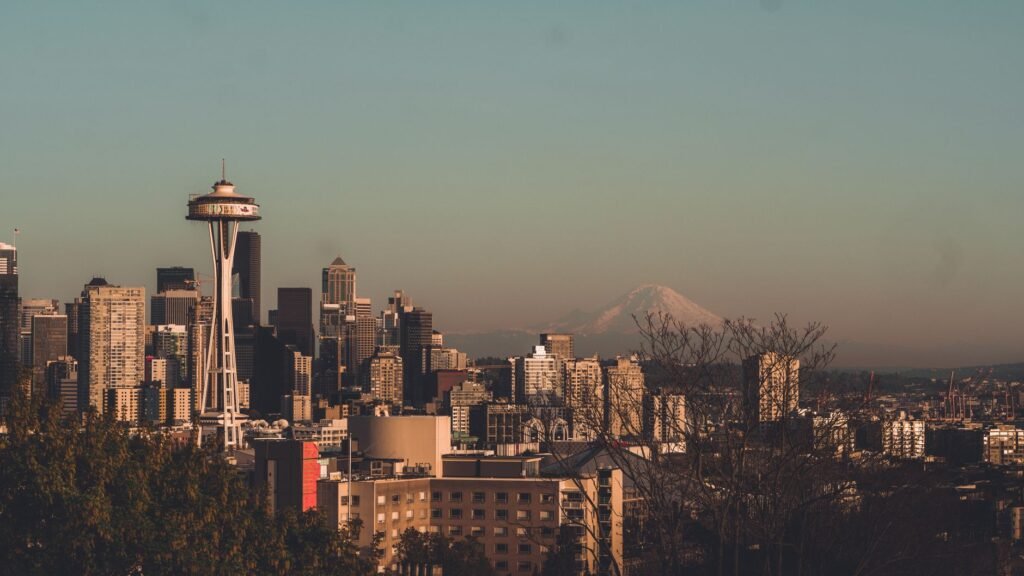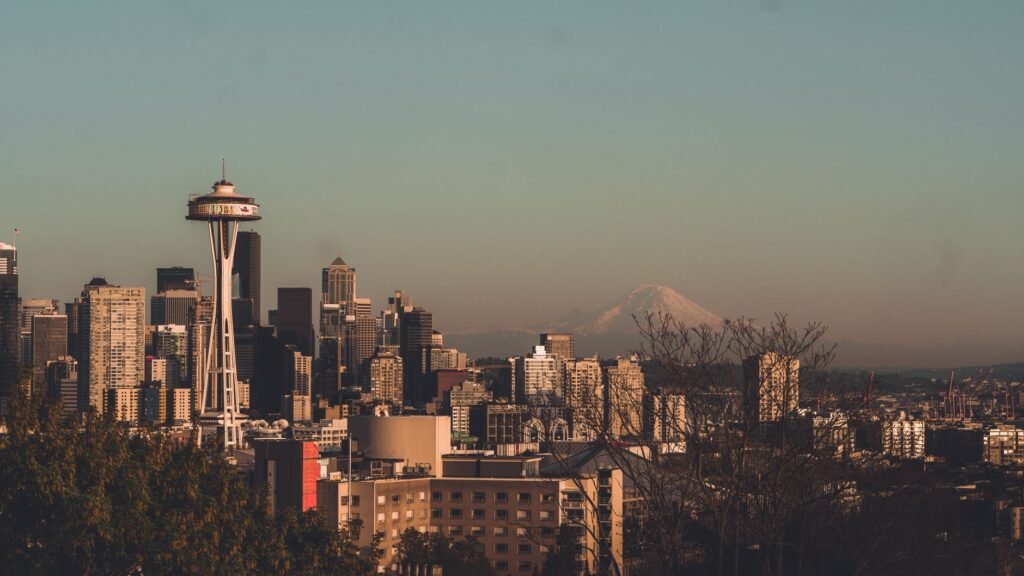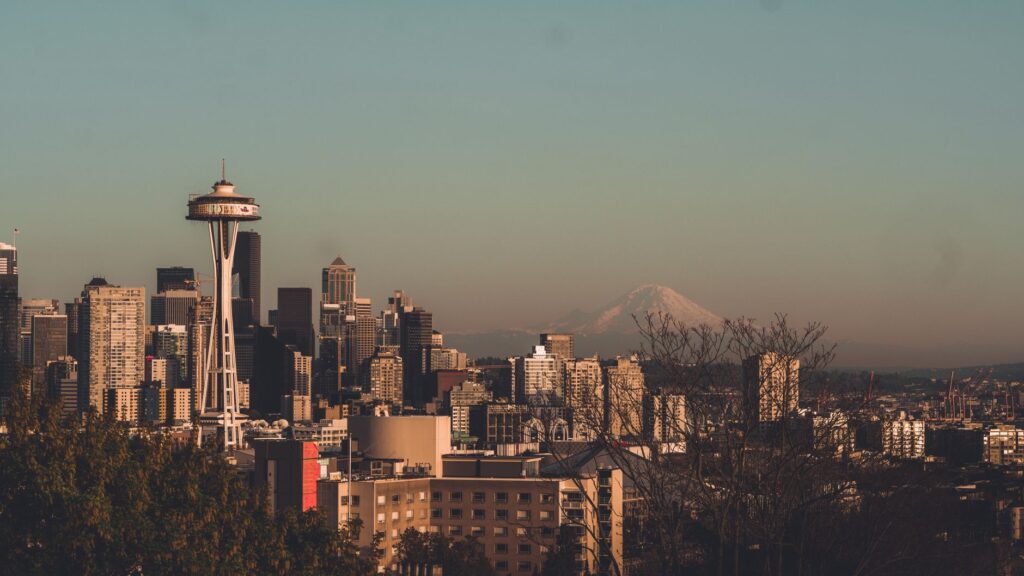
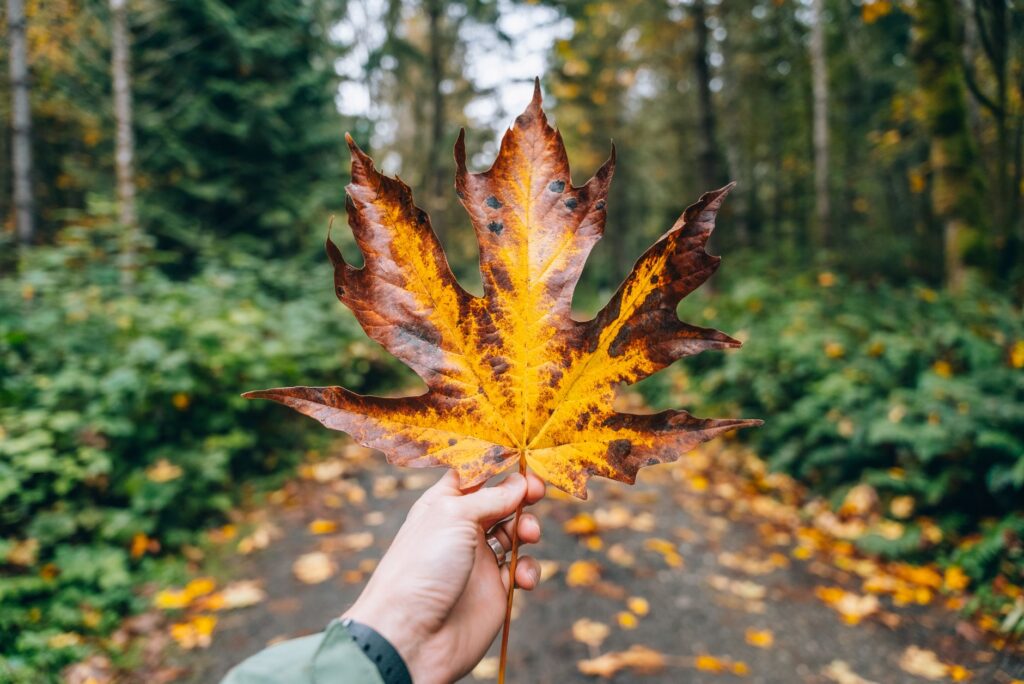
The best fall hikes near Seattle range from wet riverside walks to alpine ridges with rare clear views of the Cascades. Most people think Seattle hiking ends in summer, but the real season starts in September. Rain doesn’t stop you if you pack right. The crowds vanish. The light turns golden. You get the mountains almost to yourself.
Fall in the Seattle region is strange. Some days are crisp and dry. Others dump rain hard enough to test your gear. September and early October are your safest bets. By November, the snow line creeps down fast. Winter hiking works if you know what to expect. Cold rain becomes sleet. Trails turn to mud. Snow sits at higher elevations, and you need traction devices. But a sunny January day on a lowland trail beats summer in almost every way.
The key difference between seasons is not difficulty. It’s what to wear and when to go. A trail that’s friendly in September might be impassable by December without microspikes. Daylight shrinks fast once you cross into November. You’re doing a five-mile loop in fading light if you start late. Plan for short days and early starts.
Rattlesnake Lake and Ledge
Rattlesnake Lake sits about 30 miles northeast of Seattle. The hike is short and low-key by any measure. Four miles round trip takes most people just over two hours. But the payoff in fall is outsized. You’re hiking around a reservoir ringed by old forest. In September, the light hits the water at angles that photographs alone can’t capture. The reflection of nearby cliffs bounces back like a second sun setting.
The trail itself hugs the water closely and climbs only about 1,000 feet. You lose almost none of that elevation at the end. The path is muddy in places year-round. Wear boots you don’t mind soaking. The real prize is Rattlesnake Ledge. It sits at the top of a steep scramble at about the two-mile mark. The scramble is short, maybe twenty minutes, but it’s genuinely steep. Loose rock and tree roots are the only handholds.
Why climb it? The ledge gives you views across North Bend and into the Cascades. On clear fall days, you see Mount Si standing alone like a guardian. Nothing blocks the view. The ridge drops hard on both sides. That exposure sells the whole trip. Many people skip the ledge because of the steepness. More views for the ones who make the effort.
The parking lot fills early on weekends, especially in peak fall color. Get there by 8am. The lot holds about 30 cars and has no overflow. If it’s full, the ranger has closed access for the day. Don’t waste gas driving up to find that out. Call ahead if you’re unsure.
Tiger Mountain Loop
Tiger Mountain sprawls across thousands of acres just east of Issaquah. The loop hike covers about 9 miles and climbs roughly 2,000 feet. Most fit people finish in four to five hours. The trail is well-marked and popular enough that you won’t get lost.
What makes this trail special in the fall is the solitude mixed with decent views. You start in old growth forest where sunlight barely reaches the ground. The canopy is thick even without leaves. But as you climb toward the summit meadows, the forest opens up. You’re walking through acres of low brush and scattered firs. In September, the brush turns orange and rust. No other hike this close to Seattle offers that color palette.
The summit itself sits at about 3,000 feet and offers modest views. You’re not getting Cascades panoramas here. You’re getting views of the foothills and, on clear days, a slice of Puget Sound to the west. But the real reward is the descent. The path descends along a ridge. You’re walking high above the forest floor for the last few miles. The air is cooler. The wind picks up. Your knees might burn a little.
The parking is simple. One main lot at the Tiger Mountain trailhead off Highway 18. It’s rarely full. Start early anyway. By 10am on a Saturday, you’ll have company. By 2pm, the lot has turned over several times.
Snoqualmie Falls to Upper Falls
Most visitors see Snoqualmie Falls from the tourist viewing area. It’s crowded and it’s fine. But the hike to Upper Falls gives you the same river in a totally different way. The trail starts at the Snoqualmie Falls Lodge and heads upstream. It’s about 2 miles to Upper Falls and maybe 800 feet of elevation gain. The whole trip takes an hour or so if you’re moving steadily.
The path follows the river upriver. In fall, the water is high from rain but not raging like spring. The sound fills your ears the whole way. The roar doesn’t stop. You’re also getting close views of the river canyon. Sheer rock walls rise on both sides. In summer this hike is pleasant. In fall it’s something else. The mist from the main falls rises differently in cool weather. The light shifts. The smell of wet stone and moss is sharp and real.
Upper Falls itself is a gentler cataract than the main drop. Water slides over smooth rock rather than plunging straight down. But it’s less visited. You might have it to yourself. The pool below is cold and clear. On a rare sunny day in October, you can see straight through the water.
Parking is at the lodge visitor area. There’s paid parking and a fee of about $5. The lot is almost never full. The hike is close enough to Seattle that many locals save it for weekday visits when they have time but not much daylight.
Mailbox Peak
Mailbox Peak sits on the crest between Snoqualmie Pass and North Bend. It’s close to Seattle but it climbs a lot. The distance is only 4 miles round trip. The elevation gain is about 3,900 feet. That’s roughly 1,000 feet per mile, which is steep by any standard. Most people take three to four hours and feel worked by the end.
Why do it in fall instead of summer? The crowds vanish and the views are cleaner. Summer brings dense smoke from fires in Eastern Washington and Canada. Fall usually offers clearer skies. On a good day in October, you can see the Cascades crest for seventy-plus miles. Mount Rainier dominates the view to the south. The mail box itself sits at the summit. It’s a real mailbox. People leave notes and take notes. It’s tacky and earnest at the same time.
The trail is steep and rocky from the start. There’s no warm-up. You gain 500 feet in the first mile. The rock is loose in places. Traction devices aren’t needed in fall usually, but good hiking boots are non-negotiable. If you’re hiking here in winter, microspikes are required. Snow sits on this peak by December.
The parking lot is small. One rough pull-off near the old Snoqualmie Pass Highway. It holds maybe a dozen cars. On weekends, people park along the road. The hike is popular with Seattle climbers using it as a training route. Expect company. But most people are focused on their own effort and won’t bother you.
Asahel Curtis Nature Trail
Asahel Curtis is one of the few trails near Seattle that offers serious old growth in a short distance. The loop is about 2 miles and almost flat. The forest is dense. Ancient Douglas firs and western red cedars tower over the trail. You’re walking under trees that were growing when Europeans first arrived.
This hike works best on rainy fall days. You know, the days you thought would ruin your trip. The rain brings out the smell of the forest. The air is rich and thick. The trail is muddy but manageable. Fewer people come when it’s drizzling. You have the giants mostly to yourself.
The trail is easy enough for anyone with normal fitness. It’s a good option if you have a partner who’s recovering from injury or someone younger who’s trying to build stamina. The distance and elevation are forgiving. The payoff is the forest itself.
Parking is at the Snoqualmie Pass Highway pull-off. It’s small but usually has room. The trail is less famous than Mailbox Peak or Rattlesnake, so it doesn’t draw crowds the same way. Fall weekends will have some visitors, but not the chaos of more popular routes.
What to Pack for Fall and Winter Hiking Near Seattle
Layering is the only rule that matters. A single heavy jacket usually fails. Multiple thin layers let you adjust as you warm up and cool down. The weather changes fast. You start at 45 degrees and finish at 38.
Here’s what works:
- Base layer: synthetic or merino wool, never cotton
- Mid-layer: fleece or a lighter insulating jacket
- Shell jacket: waterproof and windproof, seams sealed
- Rain pants: most people skip these and regret it
- Waterproof hiking boots: your feet will get wet
- Warm socks: wool or synthetic blend
- Hat and gloves: carry them even if you don’t wear them
- Gaiters: they keep mud and wet off your boot cuffs
- Trekking poles: optional but they save your knees on steep descents
- Map and compass or GPS: trails can be muddy and confusing in low light
The mistake most people make is under-packing. You think you’ll be warm from effort. You will. Then you reach a ridge and the wind hits and you’re suddenly cold. Or you sit down for five minutes to eat lunch and your sweat cools fast. Start with more than you think you need.
Microspikes are essential if you’re hiking above 2,000 feet in December through February. They strap over your boots and grip ice. They’re $30 to $50 and weigh almost nothing. If you’re hiking Mailbox or anything on Snoqualmie Pass in winter, pack them. If you slip on ice without them, you might not stop sliding.
The Real Season
Most people think of Seattle hiking as a summer activity. That’s wrong. Fall and winter are better. Yes, you get wet sometimes. The days are short. The parking lots are emptier and the light is strange. But the trails feel alive in a way they don’t when it’s 75 degrees and the whole city is out trying to hike. You get the mountains nearly to yourself. The views, when they come, hit different. Pack right and you’ll realize Seattle’s best season for walking through forests and climbing ridges isn’t the obvious one.