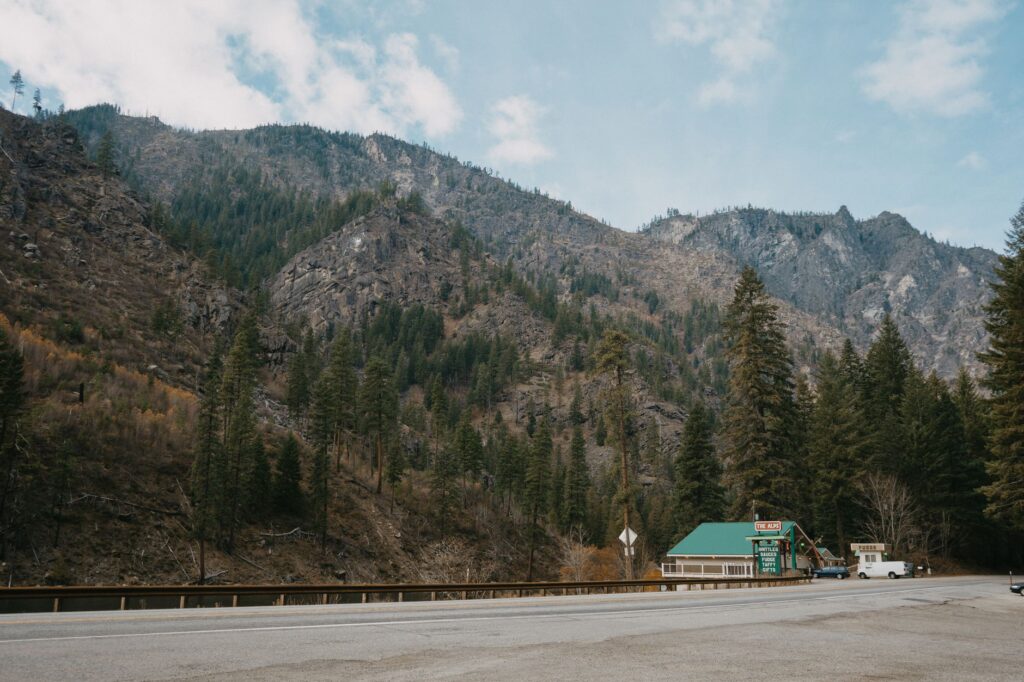
The drive from Seattle to Leavenworth takes about two and a half hours on a clear day. This is a trip most people can do without stress. The route is straightforward. The scenery shifts from urban sprawl to dense forest to alpine charm. You’ll understand why locals do this drive on weekends.
The Basic Route and Timing
The main route out of Seattle heads east on Interstate 90. You’ll follow I-90 for most of the journey toward the Cascade Mountains. The total distance sits around 70 miles from downtown Seattle. Add time if you start from south or west Seattle. Subtract maybe 15 minutes if traffic cooperates.
Real talk about timing. A two-and-a-half-hour estimate assumes moderate traffic and no stops. Seattle’s eastbound morning traffic can easily add 30 minutes to your day. Weekend afternoons moving east are usually clear. Sunday evenings heading back tend to clog up after 4pm. If you’re leaving on a weekend, go before 9am or plan to arrive later.
The route itself rarely changes. You take I-90 east past North Bend. Then you’ll exit toward Highway 2. Highway 2 is where the drive becomes interesting. This is the scenic stretch that justifies the trip. The road winds through the Snoqualmie Pass area and into the foothills. The forest gets thicker. The mountains start to show themselves. Then you descend into the Wenatchee River valley where Leavenworth sits.
What matters during winter is chain requirements. Late fall through early spring, carry chains or buy them there. The road stays open most years. But conditions change fast in the mountains. Snow can appear overnight on Highway 2. The Washington State Department of Transportation takes this seriously. They will enforce chain laws when conditions demand it. Driving without chains when required gets expensive and dangerous.
Leavenworth is a Bavarian Theme Town
Skip any expectation of authentic Alpine charm here. Leavenworth is a deliberate recreation of a Bavarian village. The town was struggling in the 1960s. Business leaders decided to rebrand it as a Bavarian resort. Now the whole downtown has steep pitched roofs, murals, and a ski lodge feel. It works. Visitors show up in massive numbers year-round.
The main appeal is the setting, not the architecture. Leavenworth sits in a mountain valley with real peaks on all sides. The Wenatchee River runs through town. Hiking, rafting, and outdoor access are the actual reasons to come. The Bavarian theme is the marketing hook. Expect gift shops selling snow globes and beer steins. Expect restaurants with heavy Germanic names and menus. This is tourism at scale, and that’s fine if you know what you’re getting.
Summer brings families and crowds. Fall brings leaf lookers. Winter brings holiday decoration fanatics. Spring is quieter and the weather can be unpredictable. The town fills hotels and restaurants every weekend regardless of season. Plan to book lodging weeks ahead if you’re traveling on a Saturday. Weekday visits feel less frantic.
What to Do When You Arrive
Most visitors spend two to four hours in town. This gives you time to walk the main drag, eat lunch, and browse shops. The river access is genuinely good. You can rent tubes and float downstream or hike along trails. Rock climbing is solid here if you’re into that. The nearby mountains have reliable climbing routes.
If you have kids, the town works well. The pedestrian setup is safe. The theming appeals to them. There are enough quirky shops to keep them occupied. Food options range from casual to nicer sit-down restaurants. None of it is fine dining, but portions are generous and prices are fair.
For serious hiking, you need to know the area. The Enchantments is the famous alpine lake system nearby. Day hikes into the Enchantments are stunning in late summer. These involve significant elevation gain and exposure. Many people underestimate the difficulty. Start early. Bring plenty of water. The crowds can be thick on weekends.
More accessible hikes branch off throughout the valley. Icicle Gorge Trail is popular and manageable. Colchuck Lake hike gets you to water with less difficulty. Check conditions online before you go. These mountains change fast. A trail that’s fine in September might be sketchy in October.
The downtown brewery scene is worth a stop. There are several craft breweries clustered in town. They’re not destination-level quality but fine for a casual beer and rest. The beer hall atmosphere fits the town’s theme.
Managing Crowds and Parking
The main headache is parking and congestion. Downtown Leavenworth has limited street parking. The municipal lots fill by mid-morning on weekends. Many visitors end up parking several blocks away. This defeats the purpose of a quick town visit. Arrive before 10am on weekends. Or come on a weekday if your schedule allows.
Some lodges and larger hotels have dedicated lots. If you’re staying overnight, parking is usually included. For day visitors without lodging, parking is trickier. Look for lots on the south side of downtown. Walk a few blocks. It beats circling looking for a spot.
Restaurants get swamped 11:30am to 1:30pm. Make a reservation if you’re coming on a weekend. Many places don’t take reservations and operate first-come, first-served. This means waiting 20 to 30 minutes even in shoulder season. Eating slightly early or late skips the rush.
Where to Sleep if You Stay Overnight
The town has plenty of hotel options. Prices range from budget motels to nicer mountain lodges. Most rooms cost between $80 and $200 per night depending on season and day of week. Summer weekends command top dollar. Winter weekdays are the cheapest.
Quality varies. Some hotels are updated and pleasant. Others feel tired and dated. Read recent reviews before booking. The Bavarian-themed hotels lean into the aesthetic. Some find that charming. Others find it gimmicky. Decide which camp you’re in before you book.
The best option for a quick overnight is a solid mid-range hotel with good reviews. You want a comfortable bed and clean room. You don’t need much else for a one-night stop. Bavarian theme matters less after you’ve already driven to see it.
Camping is available in the area if you brought gear. Nearby campgrounds fill quickly in summer. Some have hookups. Many are bare sites. The weather can shift fast in the mountains. Pack accordingly.
The Return Drive
The drive back to Seattle is easier than the drive out. Eastbound traffic leaving the city is usually light. Westbound traffic on Highway 2 clears up by late afternoon. If you’re heading back on a Sunday, leave before 3pm. Traffic builds quickly after 4pm on that route.
The drive back feels faster even though it’s the same distance. You know what to expect. You’re not in exploration mode. Allow the same time as the drive out. But if traffic cooperates, you’ll gain 20 to 30 minutes. Still plan for two and a half hours to be safe.
Gas stops are available both directions near North Bend and at the base of the pass. You don’t need to refuel in Leavenworth unless you’re staying overnight. The town’s gas is overpriced because of its location.
Worth Your Time
The Seattle to Leavenworth drive is a solid weekend or day trip. It’s long enough to feel like a real outing but short enough that it doesn’t demand overnight lodging. The scenery is genuinely good. The town delivers what it promises. Crowds can be an issue. Plan around them.
Most people should do this drive at least once. It breaks up the Seattle routine. The mountains feel different from the city. The air smells like pine and river. The pace slows down. For a few hours you’re not worrying about Seattle traffic or work emails.
Go when you can make the timing work. Skip it if you’re hoping for an authentic Alpine town. Go if you like easy outdoor access and don’t mind crowds. Bring cash for parking if you’re a day visitor. Eat lunch before 11:30am or after 1:30pm. Book lodging far ahead on weekends. These small decisions matter more than the drive itself.
The route is simple. The destination is straightforward. What changes between arrival and departure is your pace. That’s what makes the trip worth planning.