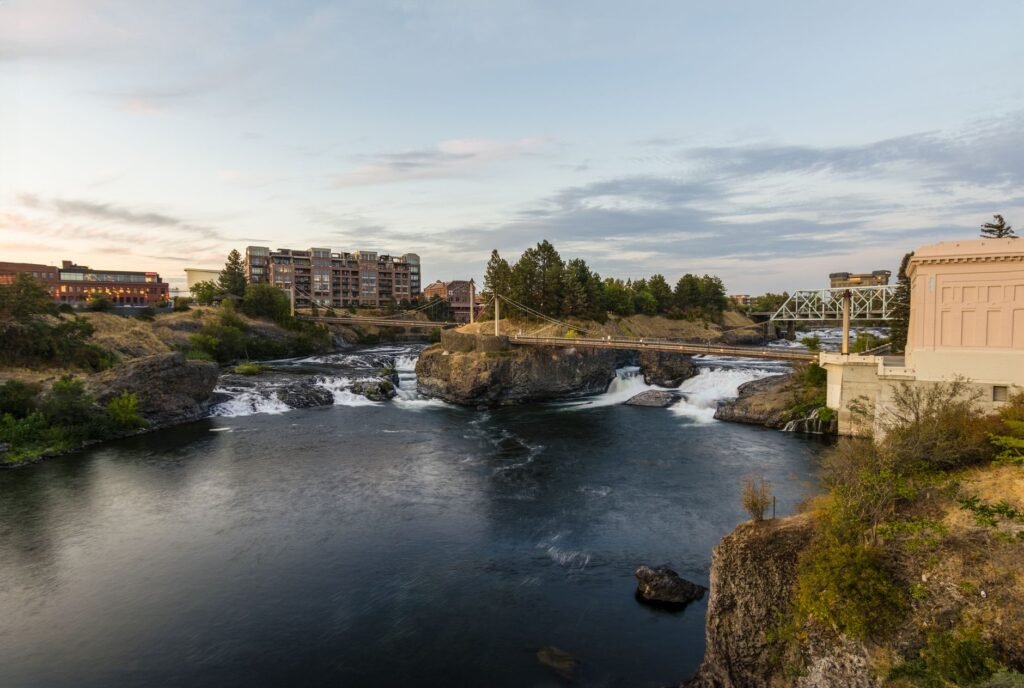
The Seattle to Spokane drive takes about three and a half hours over roughly 280 miles. It’s not a quick hop. But it’s also not a brutal slog. Most people do it on US-2 heading east. The route climbs out of the Puget Sound basin, crosses the Cascade Range, and drops into high desert. You’re moving from one Washington to another. The wet green of the coast falls away. The dry east side rises to meet you.
This trip breaks neatly into three phases. The first hour and a half takes you from Seattle through the foothills. The second phase is the actual Cascade crossing. The final hour is the drive down into Spokane on the eastern slope. Each section has its own feel. Each one has its own things to watch for.
The Basic Route and Driving Time
The standard route runs I-90 east from Seattle. You merge onto US-2 near Everett. This is the pass most locals use for the trip. It’s also the only real choice unless you want to add serious time to your day. The drive runs through Snoqualmie, then Preston, then starts the real climb near the town of Gold Bar.
Expect to spend somewhere between three and a half to four hours on the road. Summer traffic in Seattle can stretch this. Winter passes can add an hour or more when conditions are bad. That estimate assumes you’re not stopping much. It assumes you’re keeping pace with traffic. Stop for gas or a meal and add thirty minutes.
The pass elevation tops out around 4,000 feet. That’s high enough to matter in winter. Roads clear fast once the weather breaks. But snow can hit fast too. The Cascade Range doesn’t announce itself politely. It commands respect, especially between November and March.
Spokane to Seattle drive times are identical in reverse. The climb is gentler from the Spokane side. The descending view into the Puget Sound valley can make the west-bound trip feel shorter. It’s the same three and a half hours either way.
What You’ll See and When to Stop
The drive changes character as you move east. Start at sea level in Seattle. You’re surrounded by suburbs and mall corridors for the first thirty minutes. Then the land starts to roll. The Snoqualmie River valley opens up. If you want a genuine break, stop at Snoqualmie Falls. It’s a quick ten-minute detour off I-90. The falls are loud and striking. The town has decent coffee and bathrooms that aren’t truck stop bathrooms.
Stay on I-90 toward US-2. By Gold Bar you’re in the real foothills. The Skykomish River runs alongside the road. The trees get taller. The road gets steeper. The sky narrows to a stripe above the valley. This is where the drive stops feeling flat.
Once you’re on US-2 proper, you’re committed to the pass crossing. The road curves and climbs. It’s not dangerous if you’re paying attention. It’s not white-knuckle. But it’s not a boring straightaway either. Hairpins arrive. The grade gets steep. Around Skykomish, you pass the old railroad towns that supplied the mountain passes a century ago. Most are quiet now. A few have lodges or diners. Stop if you need gas. Gas is cheaper before the pass than after.
The actual pass summit area is oddly flat and anticlimactic. No grand vista announces it. No sign says “Welcome to the other side.” You just notice the road stops climbing. The trees shift. The underbrush changes. Everything is a tiny bit drier. Then you crest and start descending into Snohomish National Forest. The view opens. The air gets warmer as you drop.
The eastern slope is where the landscape reveals itself. Larch trees mix with fir. The valley floor spreads out below. Wenatchee appears in the distance. If you’re driving this route on a clear day, this is the payoff. The view is worth the drive all by itself.
Route and Routing Options
US-2 is the only serious route from Seattle to Spokane. I-90 to I-405 and back around adds nothing but time. US-97 from the north adds hours for no reason. Some people suggest SR-20 over the North Cascades. That’s a beautiful drive. It’s also two hours longer and closed in winter. Save it for a separate trip.
Stick with US-2. It’s faster. It’s direct. It works in almost all conditions. The drive is familiar enough that you’re not white-knuckling. It’s interesting enough that you’re not bored.
One genuine decision point arrives around Wenatchee. You can push straight east on US-2 toward the Okanogan region. Or you can take I-90 south from Wenatchee toward Spokane. The I-90 route is faster by maybe twenty minutes. The US-2 route is more scenic and passes through smaller towns. For most people, I-90 is the smarter call. You’re already tired. Speed matters more than scenery at hour three.
Also read: drive from seattle to portland oregon
What to Bring and Pack
You’re driving through three different climates in one afternoon. Your car should reflect that reality. Pack smart. Pack for what might go wrong.
Start with the basics that any car needs. Your tires should have good tread. A long drive across a mountain pass shows every flaw in your setup. Check your tire pressure before you leave Seattle. Cold weather makes it drop. High elevation makes it matter more. Bring an emergency kit with blankets, a first aid set, and jumper cables.
Gas is your next concern. Fill up before you leave Seattle. The passes between Seattle and Wenatchee have gas, but it’s more expensive. A fill-up in Snoqualmie will cost you more than the same fill-up in Seattle. If you’re heading to Spokane and continuing past it, fill up in Spokane. Gas there is cheaper than gas on I-90 headed toward Idaho. This is not a reason to stop. This is a reason to plan.
Water matters. Bring a water bottle. Bring two if you’re sensitive to dehydration. The high desert hits you fast once you’re past the pass. Humidity drops. The air is dry. Your throat gets dry. Your skin feels tight.
Food is optional but wise. Gas station food is fine for the drive. A sandwich from home is better. Most people find a drive like this calls for a snack. Bring something that won’t make you sleepy. Avoid heavy lunch. Avoid sugary foods that spike and crash. Nuts, fruit, and cheese work better.
Phone charging is real. You’ll have service most of the way. But the pass itself has spotty coverage. If you’re navigating or using your phone for music, charge it before you leave. Bring a car charger. Bring a backup battery if you have one. You won’t need it. You’ll still be glad it’s there.
Road Conditions and Seasonal Challenges
Summer is the easy season. May through September, this drive is straightforward. Roads are dry. Traffic is heavier, but that’s the trade-off. Plan for three and a half to four hours. Leave early if you can beat the Seattle metro exodus.
Fall starts shifting things. October is fine. November brings the first real snow risk. By December, chains are sometimes required. Check the Washington Pass conditions before you leave. The DOT website posts real-time updates. A closed pass is rare. Chain requirements are less rare. You need to carry chains even if you don’t use them.
Winter is serious business. January and February can produce roadwork, temporary closures, or delays. The pass closes maybe once a year. Snow closes it for a few hours. Ice creates crawling traffic. Visibility drops fast. If you’re traveling in winter, leave early. Bring everything. Drive slower than you think necessary. The three and a half hour trip can stretch to five or six hours in bad conditions.
Spring is wet but clear. The pass is usually open. Rain makes the road slick. Nothing closes. Everything just takes longer.
Check conditions the morning of your drive. Check them again before you leave Seattle. Don’t assume the forecast from yesterday still applies.
Also read: seattle to leavenworth drive
Gas, Food, and Staying Awake
The drive isn’t long enough to require a full meal break. Most people don’t stop for lunch. They stop for gas. They stop to pee. They stop because their legs hurt. These stops take twenty minutes total. Plan accordingly.
Snoqualmie has restaurants and gas stations. The town sits right where I-90 meets US-2. Stop here if you need to stretch before the pass. It adds five minutes. It’s worth it if you’re stiff.
Skykomish has a couple of diners and a gas station. The food is fine. The stop is brief. This is your last chance to grab anything before the pass climb. Use it if you need it.
Once you’re on the eastern side, Wenatchee has everything. Gas is cheap. Food is abundant. Hotels are available if you need them. From Wenatchee to Spokane is another hour and forty minutes. The road flattens. The desert spreads. Most people push through. Some stop for a real meal and rest.
Staying awake on this drive isn’t usually hard. The pass keeps you engaged. The changing landscape keeps you interested. But if you’re tired, pull off. A twenty-minute nap at a rest stop beats nodding off behind the wheel. The road gets boring after Wenatchee. That’s exactly when you need to be alert.
Caffeine helps. Coffee in Snoqualmie or Skykomish is better than road coffee. But even road coffee is fine if you need it. Avoid energy drinks. The crash is worse than not drinking anything.
Arrival and Next Steps
You’ll know when you’re in Spokane. The sprawl announces it. The Interstate splits and multiplies. Highway signs point toward downtown. If you’re meeting someone or heading to a hotel, have the address ready. Phone service is solid. Navigation apps work fine.
Most people arrive in Spokane somewhere between five and seven in the evening if they left Seattle in the morning. The drive works well for a day trip. Many people do exactly this. Drive out in the morning. Spend the afternoon and evening. Drive back the next day.
Others stay overnight. Spokane has hotels at every price point. The downtown options are decent. The chain hotels off the Interstate are predictable. Book ahead in summer. The city isn’t huge. Rooms fill up.
The reverse route back to Seattle is identical but reversed. The climb from Spokane feels gentler than the climb from Seattle. The descent into the Puget Sound valley is magnificent. Most people prefer the westbound drive because of the view.
One final note: this drive is best done in daylight. Night driving through the Cascades adds stress for no reason. The mountains don’t look like anything in the dark. Headlights and curves make for tense miles. Leave Seattle early. Arrive in Spokane with time to spare. You’ll enjoy it more.
The Seattle to Spokane route is straightforward. It’s manageable. It’s one you’ll do again if you’re spending time in either city. Plan for the pass. Watch the weather. Pack water. The rest takes care of itself.
Reference: Cascade Range