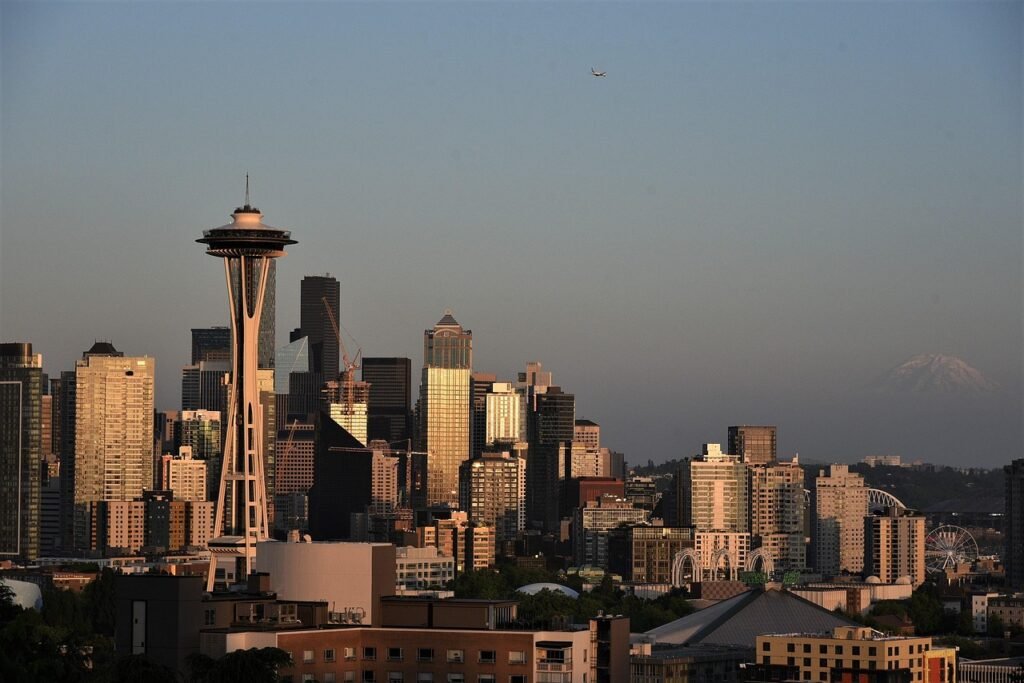
The Chicago to Seattle drive covers about 2,060 miles. You’ll need 30 to 32 hours of actual driving time. Most people split it across four days, sometimes five. The route itself is straightforward, but the size of the trip . The landscape shifts dramatically as you move west. By the end, you’ve crossed an entire climate zone.
Why People Drive Instead of Fly
Flying gets you there faster on paper. But add in airport time, rental cars, and baggage fees. The real cost advantage flips. You’re also locked into flight schedules and airline rules. A road trip gives you flexibility you don’t get any other way. You leave when you want. You stop where you want. You see the country that sits between two coasts.
The drive also costs less for groups. Two people splitting gas and hotels usually spend less than two plane tickets. Four people make it even cheaper per head. Plus you have a car when you arrive. You’re not paying for a week of rental rates. Sound like a lot? It becomes obvious quickly. The math works.
The Standard Route: I-90 All The Way
The fastest path runs straight up I-90 from Chicago into Wisconsin. You’ll pass through Madison, then head toward Minneapolis. The highway forks you around the north side of Iowa. You climb into South Dakota and hit the Black Hills near Rapid City. Then it’s across Wyoming and into Montana. The road never lets you forget you’re in big country.
I-90 stays open year-round, though winter adds serious risk. Snow can close sections in the Black Hills and Montana without warning. Spring and summer offer the best conditions. Fall brings clear skies and fewer crowds. The route is boring compared to what exists south of it. That’s also why it works. Boring roads keep you safe.
Gas stops are sparse in certain stretches. Wyoming has long gaps between towns. Montana even longer. Fill up before entering these sections. You’ll pass truck stops with decent food and clean bathrooms. Skip the chain restaurants in small towns. Local diners serve better food and stronger coffee. The staff won’t judge you for being half asleep.
Breaking The Drive Into Four Days
One good split runs like this. Day one gets you from Chicago to Madison, Wisconsin. That’s about 150 miles. You’ll arrive by lunch if you leave early. Spend the afternoon exploring. Day two takes you to Sioux Falls, South Dakota. This stretch covers about 350 miles. It’s long but doable. Sioux Falls has decent hotels and real food options. Day three pushes you to Billings, Montana. That’s roughly 380 miles of your longest push. Stop twice to stretch. Your back will thank you. Day four finishes the 350 miles to Seattle. You’ll arrive by evening. You’ve seen the country without destroying yourself.
Some people flip this and take five days instead. Day one to La Crosse, Wisconsin is short and lazy. Day two goes to Sioux Falls. Day three ends in Rapid City near the Black Hills. You can actually see them this way instead of racing past. Day four puts you in Billings. Day five is just the final leg through Montana to Seattle. This pace feels better for most travelers. You’re not exhausted when you arrive.
Also read: drive from seattle to portland oregon
What To Pack And Prepare
Your car needs basic maintenance before a 2,000 mile trip. Check your oil level and tire pressure. Make sure your wipers work. Your battery should be solid. A dead battery in rural Montana is a different problem than one in Chicago.
Keep the right supplies with you in the car.
- Phone charger and car charger cable
- Sunglasses and a good hat
- Snacks that don’t melt or crumb everywhere
- Water bottles you can refill at gas stops
- Sunscreen for long stretches
- Pain reliever for headaches from driving
- A paper map of the Western states
- Phone numbers for roadside assistance
Wyoming and Montana have areas with weak cell signals. A paper map is not romantic nostalgia. It’s practical. Your phone dies at mile 1,847. The map .
Dress in layers regardless of season. Mornings in the mountains run cold. Afternoons warm up fast. You’ll be in the car long enough that temperature swings feel weird. Two shirts beat one heavy coat.
Hotel Strategy Along The Way
Skip the chain hotels in major stops if you can find an alternative. They’re fine but forgettable. Local hotels often cost the same and give you actual character. In Madison, pick something on the downtown square. In Sioux Falls, look near the falls themselves. It costs maybe ten dollars more per night. You get a memory instead of a blur.
Book rooms ahead during summer travel. Tourist season hits these areas hard. You’ll find rooms, but your choices shrink. May through September, book three days out at minimum. Winter is the opposite problem. Rooms sit empty. You can negotiate. But the drive is slower anyway due to ice and snow.
Budget roughly 120 to 160 dollars per night for a decent room. Add another 40 to 50 dollars for meals if you eat basic food. Gas will run you about 200 to 250 dollars depending on your car and current prices. The total for four days and three nights runs between 600 and 900 dollars. Split that among passengers and the math gets compelling.
Food And Coffee Along The Route
Coffee shops cluster in Madison and Sioux Falls. These towns are big enough to have actual culture. Order local roasts. The caffeine helps more when it’s good. Once you hit Rapid City and continue west, chain coffee becomes your reality. Accept this. Starbucks is open at 5am when you leave town.
Lunch spots work best when you choose by region, not brand. In Wisconsin, try a meat market sandwich shop. In South Dakota, stop at a local deli. These places feed workers, not tourists. The food is good and cheap. You’ll sit next to farmers and construction crews. This is how you see the places you’re driving through.
Never eat in your car unless it’s a banana. Crumbs attract bugs. Smells linger for weeks. Pull into a parking lot. Give yourself 20 minutes. Stretch your legs. Use the bathroom. Buy something to drink. The break itself matters more than the food. Your back needs to unfold. Your eyes need something besides highway.
Driving In Different Conditions
Spring and early summer bring the best weather. Roads are clear and dry. Traffic is manageable because families haven’t started summer road trips yet. May is perfect. June starts getting busier.
Fall is your second choice. Leaves change in the upper Midwest by mid-September. The Black Hills light up in gold. Wyoming skies turn impossible blue. Temperatures stay cool instead of hot. Winter is not impossible, but it demands respect. I-90 closes in Montana without warning during snow. A six hour delay becomes realistic. Have supplies in the car. Have a full tank of gas. Know where you’ll stop if conditions get bad.
Summer heat hits hardest in Wyoming and Nebraska. Your car’s air conditioning runs all day. This stresses the engine. Check your coolant levels. Drive at normal speeds instead of racing. Heat makes tire blowouts more likely. You see this on the shoulder regularly in July. It’s not romantic. It’s just reality.
Also read: seattle to leavenworth drive
Seattle Arrival And What Comes Next
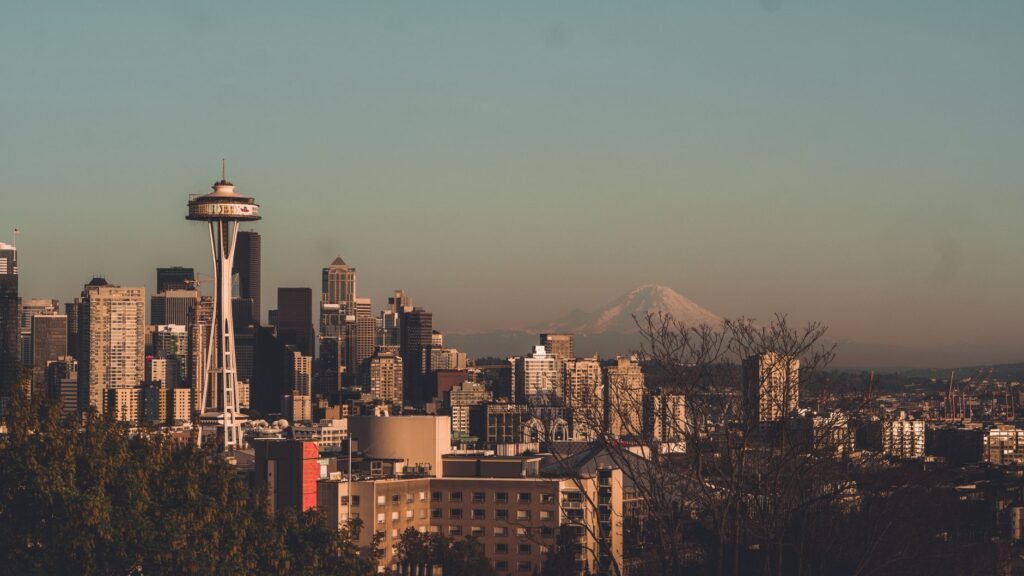
You’ll hit Seattle from the east on I-90. The highway becomes I-405 once you’re in the city. Downtown is to your right as you cross the Cascade Mountains. The traffic gets bad fast on this final stretch. Arrive during off-peak hours if you can. Early morning or mid-afternoon beats the rush.
Hotels in Seattle run expensive, even the basic ones. Budget 150 to 250 dollars per night. The city has good public transit. Park your car once and use buses and trains. Your feet will hurt less than they would driving around looking for parking.
Take a day to recover before you try to do much. The drive sits in your body even after you stop moving. Sleep. Drink water. Eat real food. Walk around but don’t plan a big hike on day one.
The Return Trip Matters Too
Seattle to Chicago drive covers the same distance in reverse. The return is harder psychologically because you’ve seen it once. Break it up the same way. Don’t try to hurry back. You’ve already proved you can make the distance. There’s no prize for speed.
The return trip in fall is stunning. You catch the tail end of the Cascades changing color. Wyoming and the Black Hills look different when you’re heading east. Light angles change everything. The same drive feels new.
Most travelers find the return less grueling than the outbound leg. You know what to expect. You’ve picked good stopping points. The boredom is familiar now. You can settle into it instead of fighting it.
This trip longer than you’d think. Not in the way tourism marketing talks about. You just remember the actual country. You recall the smell of coffee at a truck stop outside Billings at sunrise. You remember how the light looked in Wyoming. You think about the bartender in Sioux Falls who knew the history of the city. These details matter more than photos. They’re why people drive instead of fly.
Reference: Interstate 90