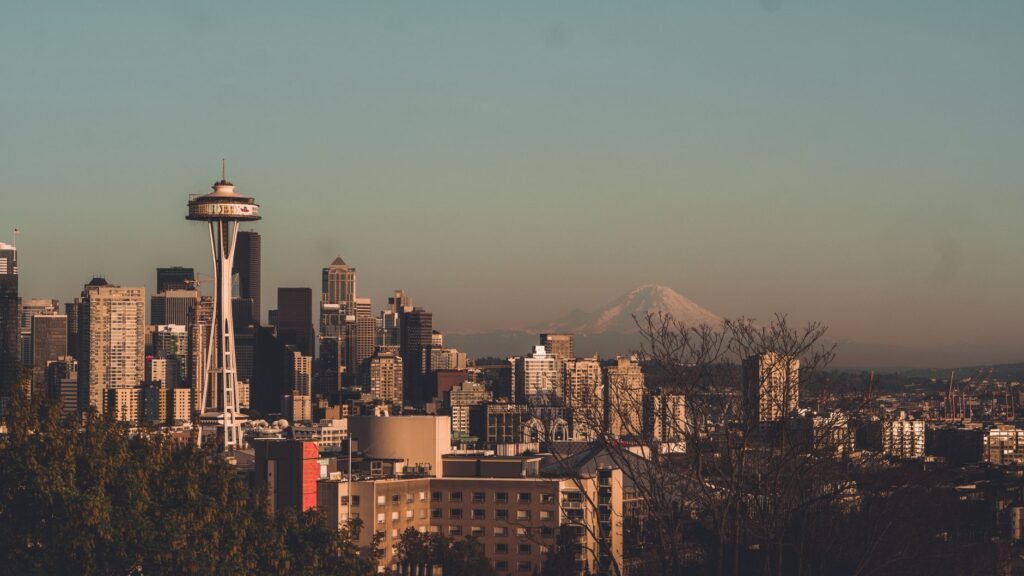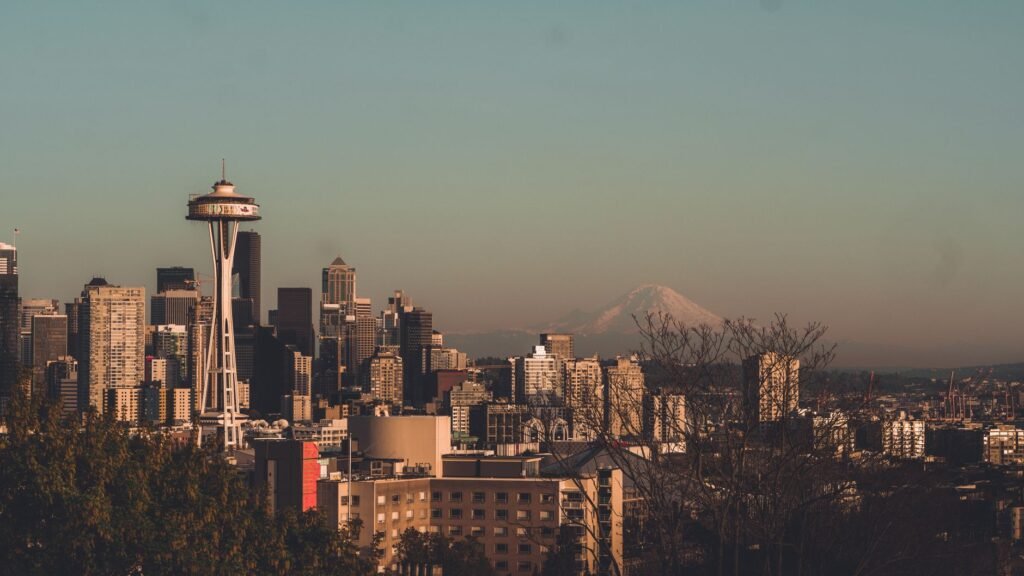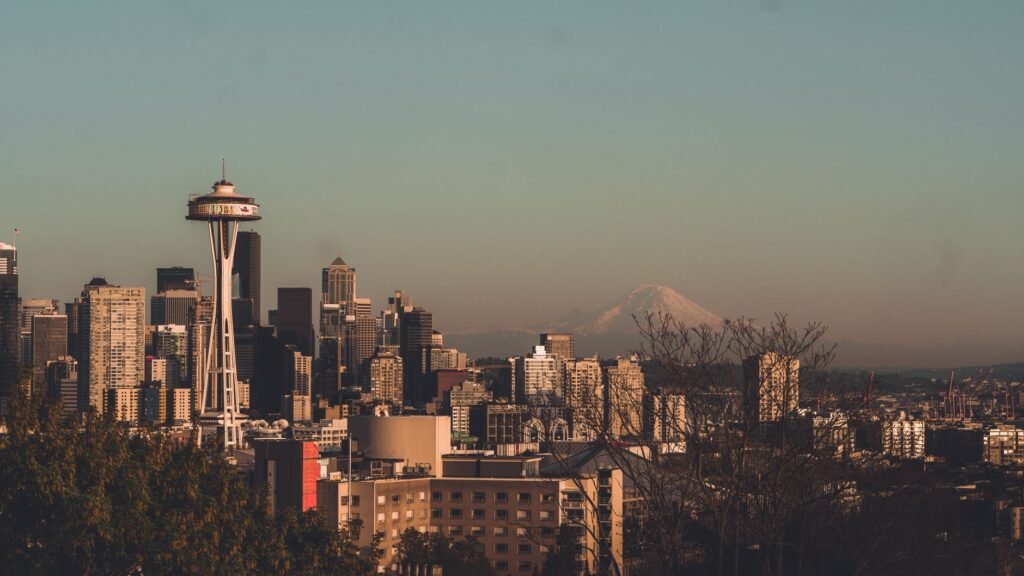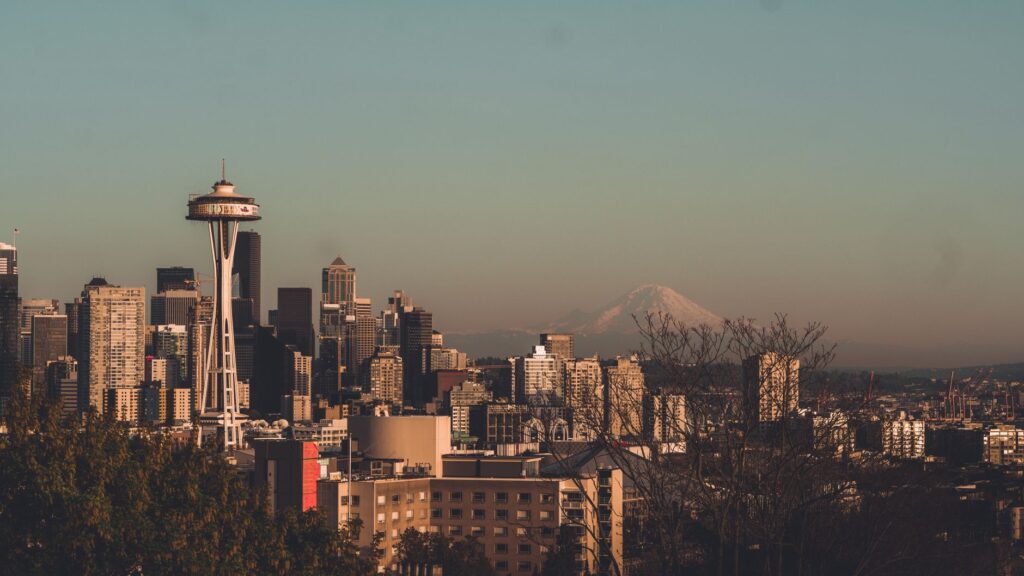
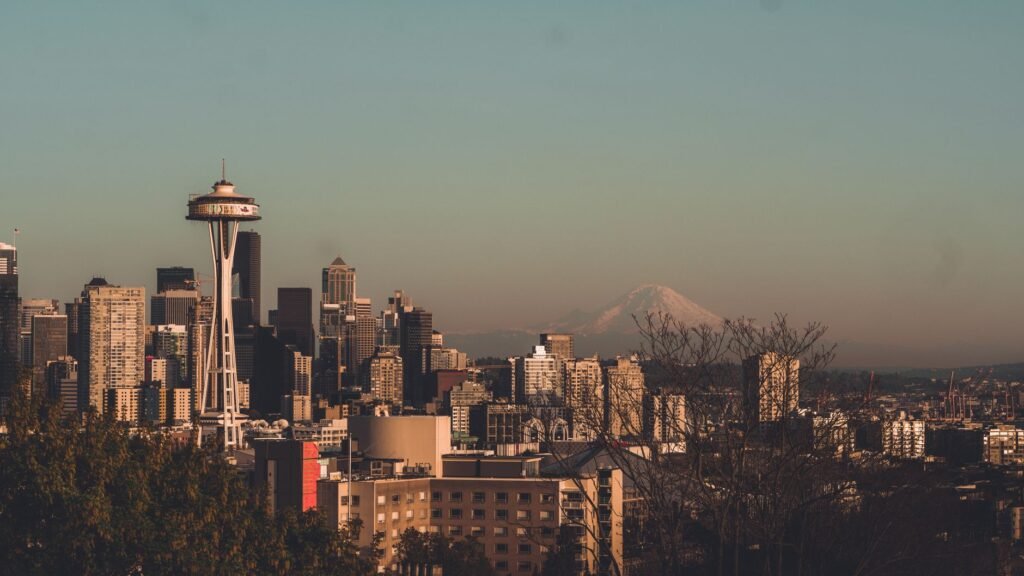
December in Seattle brings temperatures in the low to mid 40s Fahrenheit, gray skies, and frequent drizzle that keeps most tourists away. That’s not a complaint. It’s the reason to go.
The city quiets down in December. Hotels have rooms. Restaurants take reservations without a two-week wait. Pike Place Market smells like fish and coffee and wet stone at 7am, with half the summer chaos gone. You can actually move through the streets and think. For most trips, that’s an easy call.
Seattle in December: Temperature and Weather Reality
December temperatures in Seattle range from about 38 to 48 degrees Fahrenheit on most days. Rain falls on roughly half the days, though not the dramatic downpours you might imagine. The drizzle is more of a constant mist that soaks through your jacket slowly. It’s annoying only if you pretend it won’t happen and show up unprepared.
Daylight becomes scarce. The sun rises around 7:45am and sets before 4:30pm. That early darkness takes adjustment, especially if you’re used to longer days. But it also creates something useful. Street lights come on early, giving the downtown core a warm glow by mid-afternoon. The rain and darkness have shaped Seattle’s whole culture. Coffee shops stay full. Bars open at lunch. Museums become less of a chore and more of an actual plan.
The temperature itself rarely drops below freezing. Snow is possible but uncommon. Roads don’t ice over in the way they do in Denver or Minneapolis. Your main issue is slickness from rain, not winter weather in the traditional sense. The Pacific Ocean keeps the area mild compared to the rest of the country at this latitude.
Locals dress in layers and don’t complain much. You should adopt the same approach. The goal isn’t to stay warm in some absolute sense. You’re managing moisture and variable conditions. A water-resistant jacket matters more than heavy insulation. Most days you won’t need a true winter coat.
What to Pack for Seattle in December
Specific gear makes a real difference when you’re dealing with dampness for three to five days straight. Pack items that handle moisture and shed water without bulk. Start with these basics:
- A water-resistant jacket, not waterproof, since waterproof gets too warm for the temps
- Layers underneath: base layer, sweater, and a fleece work well
- Jeans or pants that dry reasonably fast
- A scarf or neck gaiter for wind
- Closed-toe shoes with decent grip
- A small umbrella for the actual rain days
- A hat if you’re worried about wet hair
- One pair of nice clothes for dinner out
- Socks that don’t get heavy when wet
Skip the heavy parka. You’ll overheat when you’re walking around indoors at Pike Place or in a museum. Skip genuine winter boots too, unless you love them anyway. The streets are wet, not icy. Regular shoes with good traction handle it fine.
The umbrella matters more than you think. Some visitors skip it and regret the decision by day two. The drizzle sneaks into your hair and bag and phone.
Things to Do in Seattle in December
December is an underrated time to explore the city. Fewer crowds means you can actually see things and think about them. The holiday decorations add a layer without being overwhelming like some cities. Pike Place Market strung with lights is genuinely pleasant. Downtown smells like coffee and pine needles.
Start at Pike Place Market if you haven’t been. Go early, around 8am, before the crowds arrive. The fish throwers are there, but quieter. You can buy fresh coffee, stand at the railing overlooking Elliott Bay, and actually breathe. Most visitors skip this timing and regret it. The market is open daily and costs nothing to walk through.
The Seattle Art Museum is strong year-round. December afternoons are it. You’re dry, warm, and surrounded by people who also chose to spend the day inside. The collection ranges from Northwest Native art to contemporary work. Plan for two to three hours. Admission is about $25 for adults.
The Museum of Flight deserves a full day if you like aircraft. It’s located south of downtown, about 20 minutes by car or public transit. December crowds are light. The collection is genuinely impressive, not a tourist trap. Bring a good pair of shoes. You walk a lot. Admission runs about $27.
Capitol Hill is the neighborhood to explore if you want to understand how Seattle actually lives. Wander the residential streets east of Broadway. Coffee shops, used bookstores, and small restaurants line the blocks. The neighborhood has character without trying too hard. Most chains are absent. December gives you room to browse without dodging backpacks.
Read more: What to Do in West Seattle: A Complete Local Guide
Ballard, on the north side, has been gentrifying for years. The old fishing neighborhood still has roots showing through the new bars and restaurants. The Golden Gardens Beach is nearby if you want to see the Sound. Sand and water don’t require good weather. The walk itself is the point.
Spend an evening on the waterfront. The Great Wheel is always there, a big Ferris wheel right on the water. December nights are cold but clear on a good evening. The view across Puget Sound toward the Olympics is the real reason. Tickets are about $15 per person. Avoid it on wet, dark days when you’d just see rain and darkness.
The Chihuly Garden and Glass museum sits next to the Space Needle. December is actually a good time to visit. The gardens are indoors mostly, so the weather doesn’t interfere. The glass art is bright and worth seeing. It’s expensive at about $35 per ticket, but people who go rarely regret it. The Space Needle is right there if you want to go up for the view, though December clouds often block it.
Getting Around in December
Public transit is reliable and cheap compared to most American cities. A day pass costs about $5.75 and covers buses and light rail. The light rail connects the airport to downtown, Capitol Hill, and the University District. If you’re staying downtown, you don’t need a car. Everything within a mile is walkable if you don’t mind wet streets.
Ride-sharing apps work normally here. Costs are moderate. A ride from downtown to Capitol Hill runs about $8 to $12. If you want to explore outside the core, ride-sharing is faster than trying to figure out the bus system.
Renting a car only makes sense if you’re planning trips outside the city. In Seattle proper, parking is expensive and finding a spot is frustrating. Most downtown hotels charge $25 to $40 per night for parking. Street parking in neighborhoods like Capitol Hill fills up by 10am. The math doesn’t work in your favor.
Walk whenever possible. December cold is survivable. Rain is manageable with the right jacket. The city is built on hills, so expect some steep streets, but that’s part of the character. You see details on foot that you miss from a window.
Where to Stay
Downtown hotels cluster near Pike Place Market and the waterfront. You pay a premium for the location but save travel time. Most rooms run $150 to $250 per night in December. Summer rates are often double that, so you’re actually getting value here.
Also read: Unique Places to Stay in Seattle: Cool Hotels
Capitol Hill has smaller hotels and abundant Airbnb options. The neighborhood is more interesting to walk around than downtown. You’re near great restaurants and bars. Trade-off is a 15 to 20 minute ride downtown via light rail. If you plan to spend time exploring the neighborhood, it’s worth the distance.
Ballard is emerging as a serious option. Fewer tourists stay here, so rates are lower. The neighborhood itself is worth the time. Transit downtown is easy. You get a better sense of how Seattle people actually live.
Stay somewhere with good espresso nearby. This matters more than you’d think. Seattle runs on coffee. A hotel near a quality coffee shop means your mornings are better. Pike Place Market, Capitol Hill, and Ballard all have options. Downtown hotels are near chains mostly.
Food and Dining in December
Seattle has strong seafood because the ocean is right there. December is oyster season. Any decent restaurant will have them. Order them. Fresh oysters here cost less than in landlocked cities and taste better because they arrived fresher.
Pike Place Market has excellent cheap eats. The food stalls downstairs serve fresh sushi, Chinese food, and Italian. Eat standing up or find a spot at the railing. Most plates cost $10 to $15. This is better food than most tourist traps, and you’re actually in a real place where locals eat.
The restaurant scene is competitive and good. Make reservations where you can, though December is easier than summer. Neighborhoods like Capitol Hill and Ballard have serious restaurants doing interesting work without pretension. Expect to pay $30 to $60 for entrees at nice places, about average for major cities.
Coffee is everywhere and good almost always. Independent roasters have taken over from chains. Starbucks started here, but the coffee culture has moved past it. Expect to pay $5 to $7 for a really good espresso drink. Most coffee shops are calm places in December. Sit and read or work. That’s what they’re for.
December Pros and Cons
The main advantage of visiting Seattle in December is the lack of crowds. Pike Place Market is manageable. Museums have parking. Restaurants take walk-ins. Hotels have rooms and lower rates. For someone who wants to actually experience the city rather than just move through a crowded version of it, December is superior to summer.
The weather is the obvious downside. Gray, wet, and cold aren’t appealing to everyone. The darkness ends days early. If you’re someone who needs sun and warmth to feel good, December will wear on you by day four. That’s not a question of toughness. It’s just how some people are wired.
Budget travelers gain real advantage here. Hotels, rentals, and attractions all cost less. Your money goes further in December than in any other month. If you’re flexible on timing and don’t need warmth, the financial case is strong.
December is also when the city shows its character most honestly. Summer brings visitors and makes everything feel like a show. Winter is when locals live here, drink coffee, work, read, and talk. You see the actual place rather than a version packaged for tourists.
Pack right, expect dampness, and plan indoor and outdoor time both. The city works beautifully in December if you arrive prepared and don’t fight the season.
Reference: Seattle