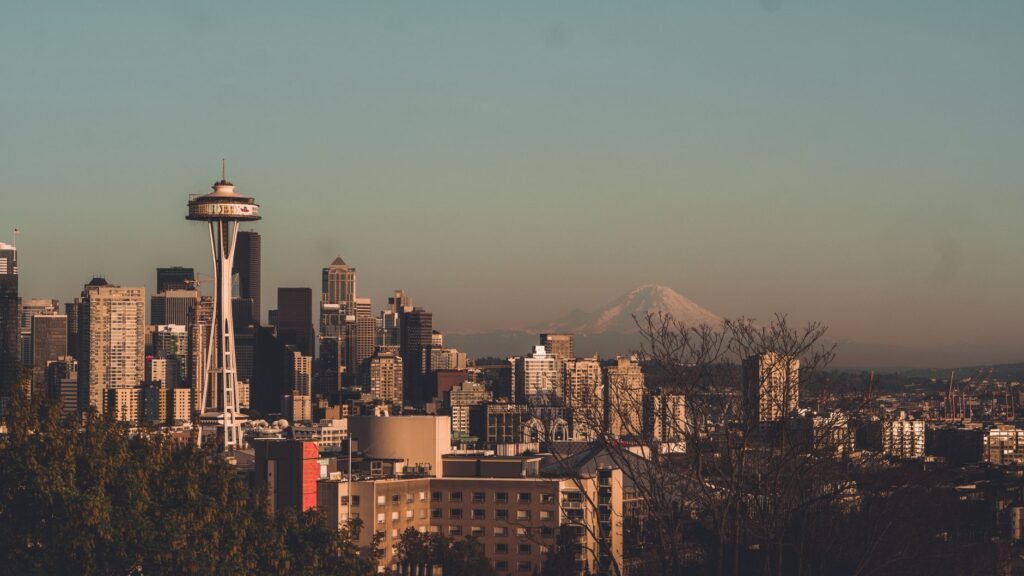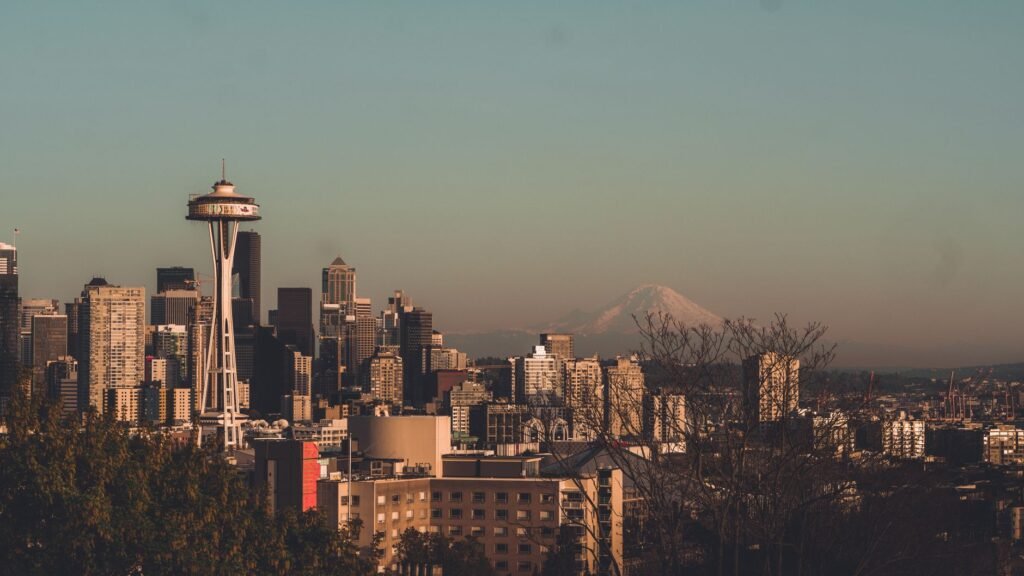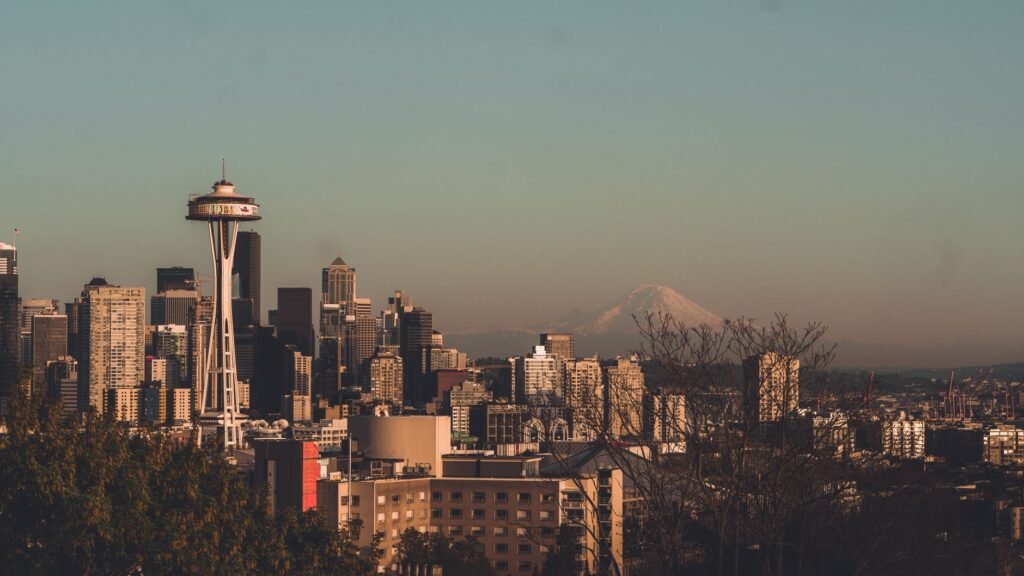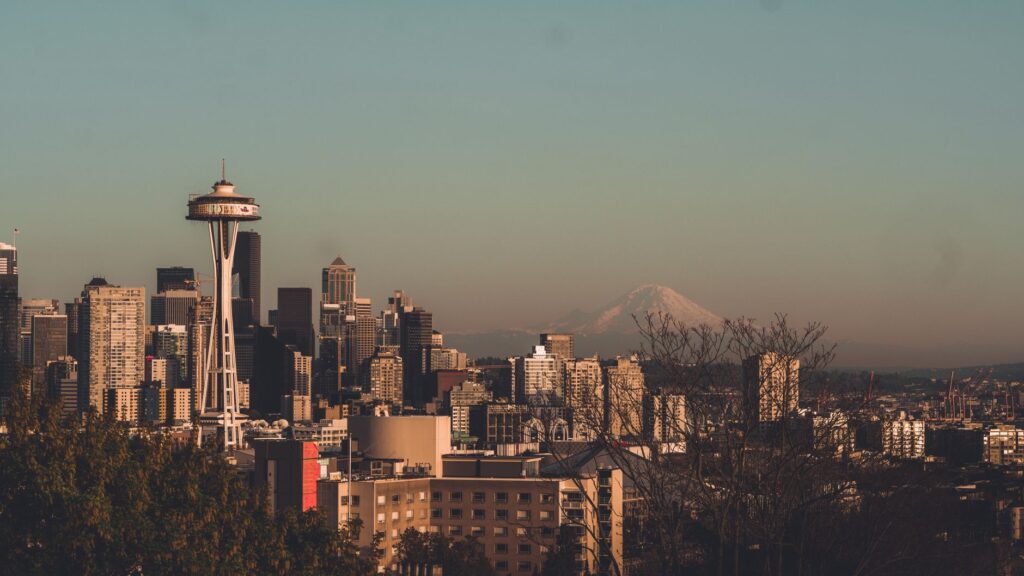
The best things to do in Seattle with family range from world-class museums to waterfront parks to quirky neighborhoods that feel made for kids. You’ll find the city easier to navigate than you’d expect. Most attractions sit within a 20-minute drive of downtown. The weather is mild year-round. Rain happens often, but it rarely stops outdoor play. Families who visit in summer hit the for weather and activities.
Pike Place Market and the Waterfront
Start here if you’re doing a family trip to Seattle for the first time. Pike Place Market sits at the heart of the city’s identity. You walk in, smell fish and coffee mixing at 7am, and understand why locals love it immediately. The fish-throwing vendors are real. Kids stand in front of the ice-packed stalls mesmerized. Workers toss salmon back and forth like it’s choreographed. It’s free to watch.
Beyond the fish counters lies everything else that makes the market work. Flower stands explode with color. Bakeries line the corridors. The Rachel statue from the TV show sits near the entrance. Children recognize it. Parents wait in line for the original Starbucks, which honestly feels more like a pilgrimage than a coffee stop. The original shop is small and gets crowded fast. Go early or skip it entirely.
Food options here can fill half your day. Pike Place Chowder serves clam chowder in bread bowls. Piroshky Piroshky has Russian pastries that kids find fascinating. Gum Wall sits in Post Alley nearby, a brick wall covered in chewed gum. It sounds disgusting. Your children will want to touch it anyway. Let them. Wash hands afterward.
The waterfront itself extends north and south from the market. Walking paths run along the water. You see Puget Sound, ferries heading to islands, and the Olympic Mountains in the distance. Aquarium sits directly on the waterfront. The Seattle Aquarium costs about $35 per adult and $25 for kids. Giant octopuses hold children’s attention longer than almost any exhibit. Jellyfish rooms glow in the dark. The touch pools let you handle starfish and sea anemones. Parking nearby is paid and tight. Arrive early or use the public garage two blocks inland.
Also read: what to do in west seattle a complete local guide
The Woodland Park Zoo
This zoo ranks among the best in the country. Forty acres feels like enough room to wander without exhaustion. The layout moves you through different regions: African savanna, tropical rainforest, bear country. Each section reads like a separate landscape.
Gorillas live in an open habitat that puts you at eye level with the animals. Elephants roam an expansive area. Red pandas fascinate toddlers because they’re small, furry, and active. The zoo costs about $30 per adult and $22 for kids. Many families spend 4 to 5 hours here and still don’t see everything. The northern edge of the zoo sits near Green Lake, a freshwater lake where you can walk the perimeter path. Some visitors combine the two into one outing.
Summer crowds peak in July and August. If you visit then, arrive by 10am. Parking fills fast. The zoo opens early specifically for families who understand this timing. Bring a stroller if you have young children. The paths include hills. Shaded areas exist but not everywhere. Water fountains spread throughout the grounds, though buying bottled water inside costs double what it would elsewhere.
Museums Worth Your Time
Seattle hosts several museums. Most families cannot fit all of them into one trip. Pick based on what your children enjoy.
The Pacific Science Center dominates the city. It sits in Seattle Center, a 74-acre park built for the 1962 World’s Fair. The center grounds alone offer playgrounds, fountains, and open space. The Science Center costs about $28 per person. Admission includes most exhibits. Planetarium shows and IMAX films cost extra. The building design alone fascinates children. It’s modern, geometric, and filled with natural light.
The Museum of Flight sits south of downtown near the airport. It’s the largest air museum in the world. The collection includes a supersonic jet, vintage biplanes, and a space shuttle trainer. Most kids who enjoy planes find 3 to 4 hours is barely enough time. Cost runs about $28 per adult and $18 for kids. The parking is free and abundant.
The Chihuly Garden and Glass museum showcases glass sculptures by Dale Chihuly, a Seattle artist. The gardens wrap around massive glass installations. Kids under five should skip it. Older children who appreciate visual art find it mesmerizing. Cost is about $30 per person. The location sits right next to the Space Needle, so you can combine them into one outing.
Also read: family things to do in seattle
Getting Around and Where to Stay
Seattle has a working public transit system. The light rail connects the airport to downtown in about 40 minutes. Cost is $3.50 per person. It beats renting a car if you’re staying downtown and visiting Pike Place Market, the waterfront, and Seattle Center. Your family can walk between these three areas in about 30 minutes if children move at a reasonable pace.
Renting a car makes sense if you’re hitting multiple neighborhoods or planning day trips to Mount Rainier, the San Juan Islands, or the Snoqualmie Falls. Traffic is real. The I-5 corridor backs up during morning and evening commutes. Avoid driving between 8am and 10am or 4pm and 7pm. Parking downtown runs $15 to $25 per day at most garages. Street parking in residential neighborhoods is free but limited to two hours.
Hotels near Pike Place Market cost $180 to $280 per night for a decent room. Downtown near Seattle Center runs similar prices. Neighborhoods farther out like Capitol Hill or Ballard offer more budget options at $120 to $180 per night. Choose based on what you want to do. If you’re museum-focused, stay near Seattle Center. If waterfront matters most, pick downtown.
Consider a short visit first. Three days covers the main attractions without rushing. Five days lets you breathe and take side trips.
Planning Your Days
Structure matters when traveling with children. A good family trip to Seattle balances famous attractions with downtime.
Day one works best as Pike Place Market and waterfront exploration. Take the light rail downtown. Walk the market slowly. Grab lunch. Visit the aquarium if energy allows. End at the waterfront park watching ferries. Dinner options near the market range from high-end restaurants to food carts.
Day two suits the zoo or science museum. Both require a full day. Pick one. Eat breakfast beforehand. Pack snacks and water. Many families underestimate how tired small children become in museums. Shorter days with breaks work better than marathon sessions.
Day three can combine Seattle Center attractions. The Space Needle, Chihuly Garden and Glass, and Science Center all sit within walking distance of each other. You probably cannot do all three well in one day. Space Needle visits take about two hours including the line. The view from the top is good but not transformative for children. Many families skip it on their first visit.
A fourth day opens up day trips. Mount Rainier sits about 90 minutes south. The drive is scenic. Visitor centers and short hiking paths suit families with children. The San Juan Islands are reachable by ferry from downtown. A day trip works if you catch an early ferry. The drive north to Snoqualmie Falls takes about 45 minutes. The waterfall itself is striking. The lodge nearby is historic. You can walk to the base of the falls in about 20 minutes.
Food That Actually Works for Families
Seattle’s restaurant scene leans toward fresh seafood and locally sourced ingredients. Many fine-dining spots are not child-friendly or not kid-appropriate. Skip them. Instead, find restaurants that welcome families.
Serious Pie makes excellent pizza. Multiple locations exist. Seating is counter service. Noise levels are high. Kids feel comfortable. The pizzas are good enough that adults enjoy them. Capitol Hill and Ballard both have locations. Ballard sits on a quieter street with street parking.
Ivar’s serves fish and chips on the waterfront. The view matters more than the food. Expect lines during lunch and dinner. Going at 4pm splits the difference. Cost runs about $15 to $25 per person. Kids meals are available.
Salumi in Pioneer Square makes sandwiches. The space is small. Seating is limited. Get takeout and eat in nearby parks. The sandwiches are excellent. Cost is about $12 to $15 per sandwich.
Ray’s Boathouse sits on a pier with views of Puget Sound. Dinner is expensive. Lunch works better for budgets. The kids menu is simple and good. You’re paying for the view more than the food, and that’s fine.
Neighborhood walks reveal food carts and casual spots that guide books miss. Ballard has breweries that welcome families until early evening. Capitol Hill has vintage diners. Fremont has quirky restaurants. Walk through neighborhoods. Eat where you find yourself curious. This approach yields better meals than planning every restaurant in advance.
Also read: fun things to do in seattle with kids
What to Pack and Timing Tips
Rain comes year-round in Seattle. Bring layers and a light rain jacket. Kids need one too. The temperature rarely drops below 40 degrees or climbs above 75 degrees. Comfortable walking shoes matter more than anything else. You’ll cover miles on foot.
Sun happens more often than people expect. Sunscreen is essential. The sun reflects off water. Lips burn easily. Pack it even if you don’t think you’ll need it.
Visit between May and September for the best weather. June and July are driest. August is warmest. May and September have fewer crowds and decent weather. October gets wet. November through March is the rainy season. Locals joke that the rain isn’t heavy but relentless. Some years more rain falls than others.
Book hotels and major attractions in advance if you’re visiting during peak summer weeks. Friday through Sunday fills up. Weekdays offer more availability and shorter lines at museums.
Seattle rewards families who move slow and stay flexible. The city sits between mountains and water. Rain creates a rhythm to the day. Best travelers here follow that rhythm instead of fighting it.
Reference: Seattle