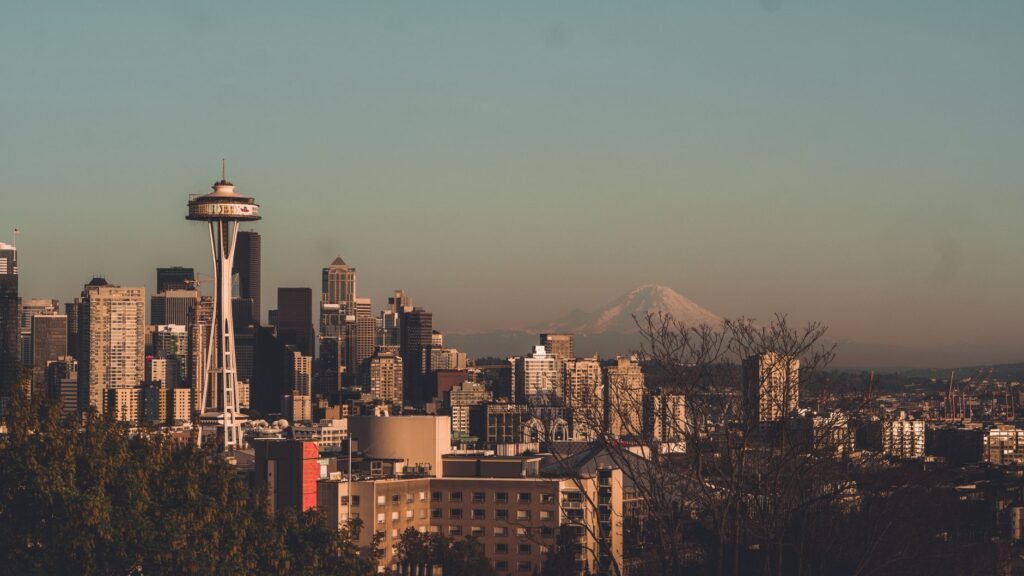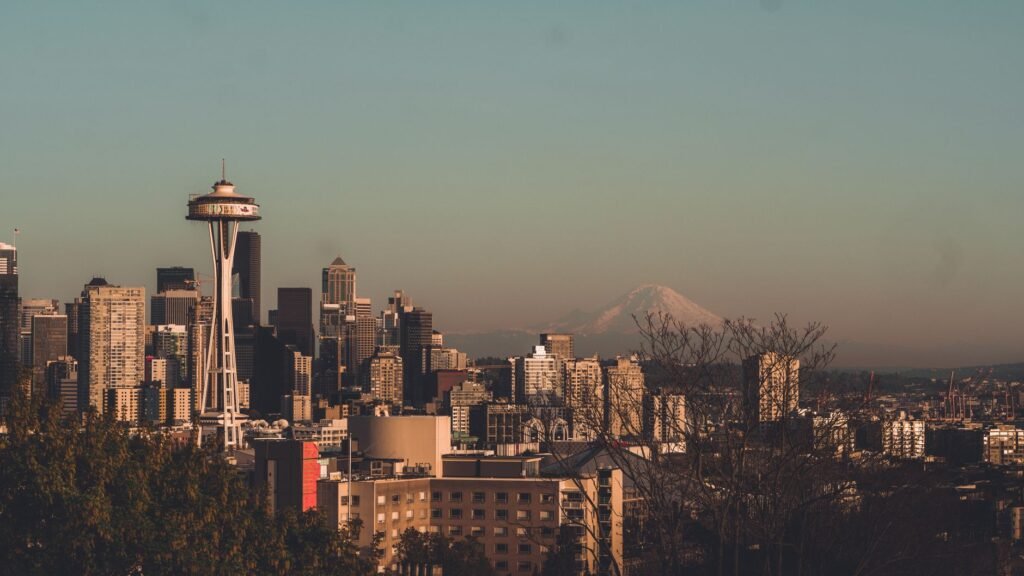
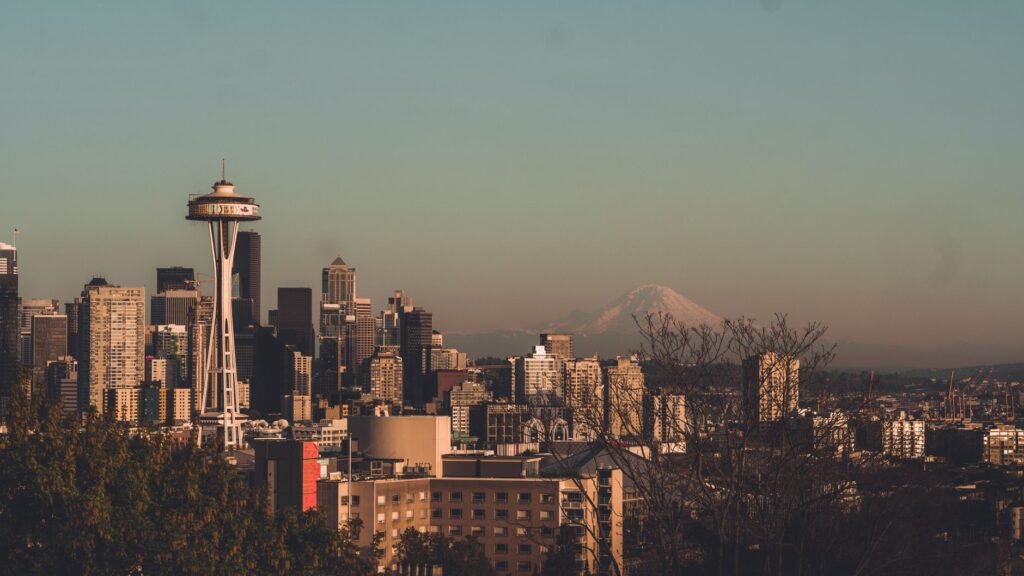
The best things to do in Seattle in November range from moody waterfront walks to world-class museums, and the shoulder season keeps crowds manageable. The city transforms in fall. Summer tourists thin out. Rain becomes predictable. Temperatures drop to the 45 to 55 degree range, which sounds grim until you realize it means you can actually move around without melting into Pike Place Market crowds.
I’ve spent enough Novembers in Seattle to know what works and what doesn’t. The month is honest about itself. It rains. Some days the sky sits so low you can’t see the top of the Space Needle. But that’s also why November is when Seattle reveals itself. You see the real city. You eat at actual neighborhood restaurants where locals sit. You watch the sound turn steel gray and know why people moved here in the first place.
Visit Pike Place Market When Crowds Drop
Pike Place Market stays open year-round, but November is when you can actually breathe there. The summer crush of families and tour groups evaporates. You get the market as residents use it. Pike Place sits directly on the waterfront downtown. The market runs roughly from Pike Street to Virginia Street. Count on two to three hours minimum if you want to move slowly.
Here’s what most visitors miss. The flower stalls at the front entrance look like postcards. But walk past them. Head down the alleys. Find the fishmonger who knows what he’s talking about. Grab coffee from one of the smaller roasters tucked into the corridors. The smell of fish and coffee near the market at 7am is something you don’t get anywhere else in the city. The fish vendors throw their catches for the camera. That’s fun if you’re into it. But the real Seattle market is the farmers selling lettuces and apples. Those are the people who line up before opening.
Budget around 20 to 30 dollars for a real meal at one of the market restaurants. The pricier fish houses charge tourist rates. The better move is grabbing lunch from the smaller vendors. Pike Place Chowder sits along the main thoroughfare. Their seafood chowder is legitimately good. Noodle vendors offer quick bowls. The prepared food stalls move fast.
One practical note on parking. Don’t. The lot under the market fills up before noon. Street parking on the Pike Hill side works if you’re lucky. Use the public lot on the block north. It’s three dollars per hour. Or park near the waterfront and walk. The walk down to Pike Place through downtown takes fifteen minutes. You’ll see the city as you go.
Explore the Neighborhoods Beyond Downtown
Downtown Seattle is where visitors go. The neighborhoods are where Seattle actually lives. November weather makes neighborhood hopping perfect. You’re not exhausted by heat. Crowds are light. The rain, when it comes, makes the walks feel intentional rather than tedious.
Fremont sits about three miles north of downtown. It’s the neighborhood that decided to be weird and committed to it. There’s a statue of Lenin in the middle of an intersection. That alone tells you something about the place. Fremont has good coffee shops, used bookstores that make you stay longer than planned, and restaurants that serve actual neighborhood food rather than visitor food. The Sunday market in summer is gone by November. But the streets themselves stay lively. Park on one of the side streets near the ship canal. Spend a morning walking the area. Get breakfast at one of the small cafes.
Ballard is another story. It’s a few miles west of Fremont. Ballard was historically a Scandinavian fishing neighborhood. That heritage matters less now than it did ten years ago. But the neighborhood still has the feel of a place where people actually live. Market Street runs through the center. The shops and restaurants are genuinely good. People eat here on purpose, not because they’re checking a box. November is perfect timing because the weekend crowds from summer are gone. But it’s not dead. It’s just right. Restaurants serve dinner at reasonable hours. You can actually walk in without waiting.
Capitol Hill sits east of downtown. It’s more urban than Fremont or Ballard. Denser. Louder. More bars and music venues. November means fewer bachelorette parties on the sidewalks. That sounds small until you’re actually there trying to eat dinner. The neighborhood has character. The grunge heritage is real but not performed. Coffee shops have actual coffee knowledge. Independent bookstores thrive. If you like neighborhoods with edge and art galleries and restaurants that take risks, Capitol Hill is the right choice. Parking is street-only and often tight. Arrive early. Or use a rideshare.
Also read: what to do in west seattle a complete local guide
Take the Ferry to Bainbridge Island
The ferry ride from downtown Seattle to Bainbridge Island takes about thirty-five minutes. This is one of those trips that seems small but changes how you see the city. The ferry terminal sits at the waterfront, walkable from downtown or a very short rideshare. November water is cold and gray. That’s exactly when the ferry makes sense. You get genuine Puget Sound. You get the sound’s actual mood rather than a postcard version.
Bainbridge Island itself is a wealthy suburb. The town center on Bainbridge has good restaurants and galleries and bookstores. The island has farms and forests. The actual value of the trip is not the island itself. It’s the forty-five minutes you spend on the water watching Seattle shrink behind you. The return ferry at sunset is worth the timing alone.
Ferries run frequently. The walk-on fare is around 8 dollars. Driving a car costs roughly 18 dollars. If you’re alone, walk on. If you’re with others, drive if you plan to explore the island by car. Otherwise, walk on. The ferry loading process is straightforward. You buy your ticket. You walk through the gate. You board. Sit on the upper deck if it’s not pouring rain. Sit inside if it is. Either way, watch the water.
Catch Live Music and Theater
Seattle’s music history is famous. That history can make live music here feel like a required checkbox. It’s not. November actually has strong concert calendars. The bigger arenas host touring acts. The smaller venues host local bands. The difference between tourist music and real music in Seattle is simple. Go to the small places. Skip the big names playing the big rooms.
The Paramount Theatre downtown hosts Broadway tours and big acts. It’s beautiful. The shows are polished. But it’s not Seattle in any real sense. It’s theater that happens to be in Seattle.
The Moore Theatre, a few blocks away, sits on a different level. It’s a real Seattle venue. Local bands play there. Touring acts that matter play there. The room has character. The shows feel like they happen in Seattle rather than simply occurring there.
Neumos in Capitol Hill is another genuine spot. The Crocodile in Ballard books good shows. These venues book musicians people actually care about. Look at what’s on in November. Ticket prices range from 15 to 40 dollars for most shows. There will be something worth hearing.
Theater is another option. The Seattle Repertory Theatre produces strong work. The 5th Avenue Theatre is ornate and worth seeing for the building itself. The Intiman Theatre has more experimental programming. Start by looking at what’s playing in November. Make a choice based on the show, not the building.
Also read: unique places to stay in seattle cool hotels
Spend Time at the Seattle Art Museum
The Seattle Art Museum sits downtown near Pike Place. The building itself is handsome. The collection is broad without being exhausted by trying to cover everything. This matters in November. You’re not rushing. You can actually spend time with pieces rather than checking off a mental list.
The museum charges roughly 20 dollars per person for general admission. Parking in the lot below the museum costs money. The lot on the block south and east is cheaper. Or park near Pike Place and walk. The walk is five minutes and takes you through downtown.
The advantage of November is that museums are uncrowded. You see art rather than navigating crowds looking at art. The Seattle Art Museum has good contemporary work. The Asian art collection is strong. The American art section gives you regional history. Spend a few hours there. Don’t feel pressured to see everything. Pick a section. Really look.
The Frye Art Museum on Capitol Hill is free and often overlooked. It’s smaller than the main museum. It has excellent pieces. The building is good. The freeness of admission means you can spend time without feeling pressure to justify the cost. It’s a genuine find.
Walk the Waterfront
Seattle’s waterfront has been developed and redeveloped so many times that people often skip it. November is when the waterfront actually works. Summer heat and tourist crowds are gone. The water is a real color. The light in November is gray and specific. The waterfront walk starts at the ferry terminal near Pike Place. From there, you can walk north along the water for roughly two miles. Parks dot the route. The views back toward the city show you the skyline as it actually sits rather than as a photo opportunity.
Alki Beach is on the west side of Elliott Bay. Most people skip it in November. That’s a mistake. The beach is long. The view back across the water toward the city and mountains is excellent. November water is cold. You’re not swimming. But walking the beach makes sense. The light is honest. Crowds are nonexistent. It takes twenty minutes to drive there from downtown. The parking lot has space in November.
Plan Your Trip Practically
November weather in Seattle is rain and gray. Not all day. Not even most days. But rain shows up. Pack layers. Bring a waterproof jacket that actually works. Your regular rain jacket won’t cut it. Buy or borrow something serious.
Temperatures sit between 45 and 55 degrees. That’s cold enough that you’ll want a real layer. A hoodie under a waterproof jacket works. Jeans and regular shoes are fine if they don’t mind water. Waterproof shoes or good hiking boots are better.
The rain is usually light. The real problem in November is gray days. Day after day of gray sky. If you’re someone who gets down in gray weather, November in Seattle is a gamble. Some November stretches are actually clear. You get blue sky and views of the mountains. Then a system moves in and you’re back to gray.
Book accommodations downtown if you want walkability. Capitol Hill if you want neighborhood feel. Ballard if you want quieter with good food. Room rates in November are lower than summer. Budget 120 to 200 dollars per night for a decent hotel. Airbnb rooms run a similar range.
A car is optional if you stay near Pike Place and downtown. If you want to visit neighborhoods, you need a car or will rely on rideshares. Rideshare costs add up if you’re moving around frequently. Renting a car for the days you want to explore neighborhoods can make sense. The cost is roughly 40 to 60 dollars per day.
November in Seattle is a real trip rather than a visitor spectacle. The city is itself. That’s the whole point of going.
Reference: Seattle