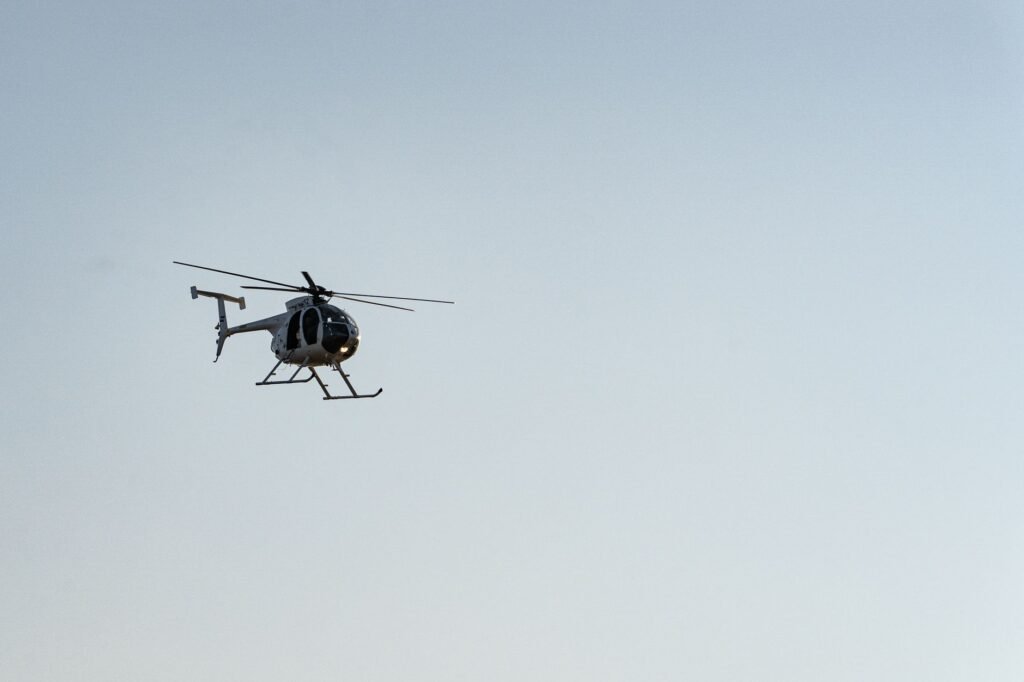
A Seattle helicopter tour is worth the money if you want to see the city’s landmarks and mountains in one trip without spending six hours driving around. The views are genuinely hard to replicate any other way. You float over the Space Needle, Lake Union, the Cascades, and Mount Rainier all in about an hour. Most people find it thrilling rather than scary. The cost runs between 150 and 400 dollars per person depending on flight length and the operator you pick.
The real question is not whether a helicopter tour in Seattle is good. The real question is whether it fits your budget and schedule. If you have a long weekend and you’re not a nervous flyer, it’s a strong move.
What You’ll Actually See on a Seattle Helicopter Tour
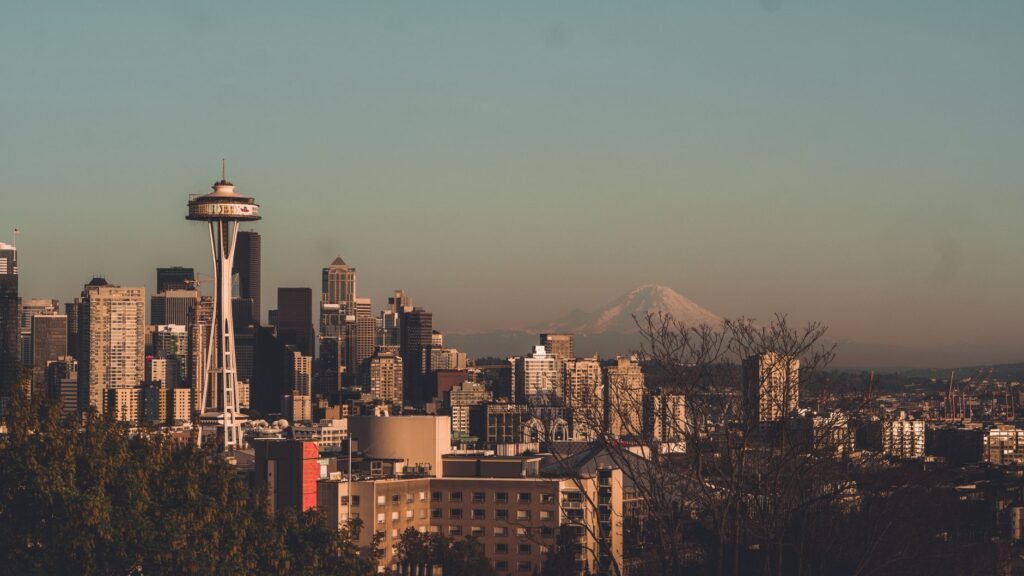
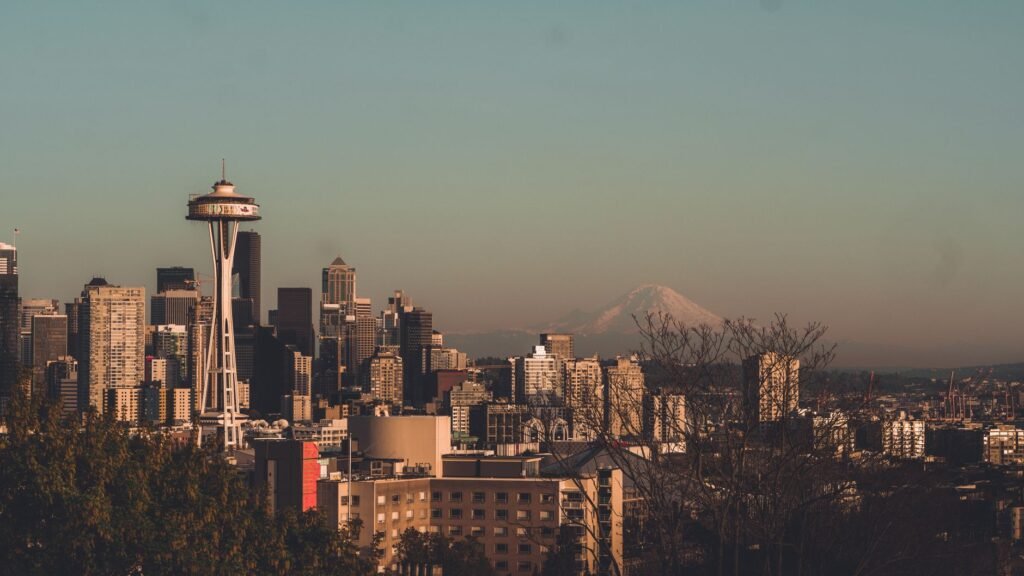
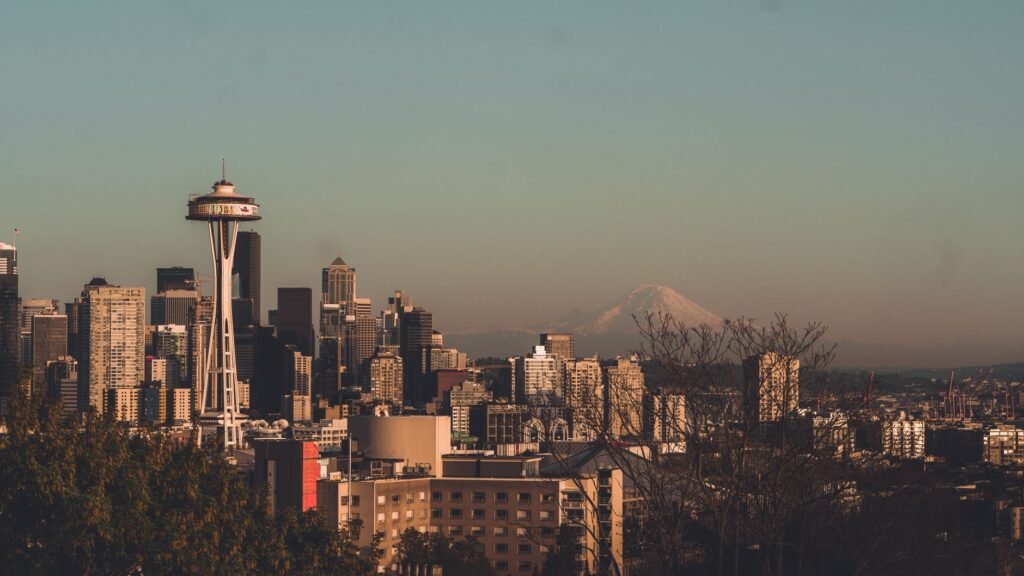
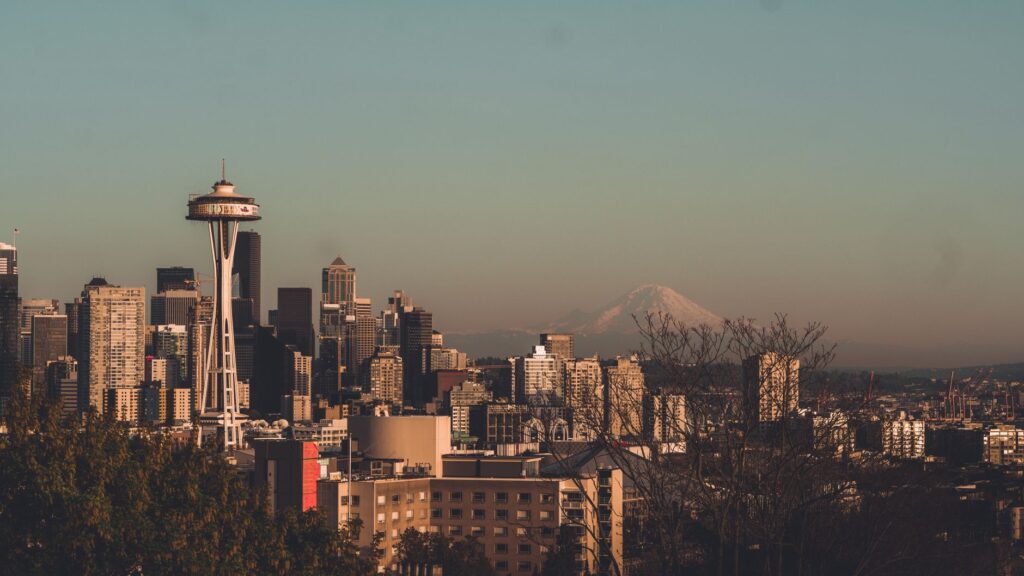
A standard tour covers the entire Puget Sound region in ways that ground-level sightseeing cannot match. You leave from one of two main bases. Both are within 15 minutes of downtown. The flight typically starts over Lake Union and heads north into the neighborhoods. You’ll see the Space Needle shrink below you. That’s the moment most people start taking photos. The needle sits roughly 605 feet tall, but from 1000 feet up, it looks like a toy.
From there, the routes vary by company. Most flights push north toward the Ballard neighborhood and the Salmon Bay fishing docks. The smell of fish and salt water rises up even from altitude. You cross over the Fremont neighborhood, home to the famous troll sculpture under the bridge. Then the flight often turns east toward Capitol Hill and the University of Washington campus. Lake Union fills most of your view once you change direction.
The real payoff happens next. Your pilot points the nose south and east. Mount Rainier appears on the horizon on clear days. That volcano dominates the landscape. It sits about 50 miles away, but from the air, distances compress. You feel like you could reach out and touch it. The mountain is 14,410 feet tall and visible from nearly everywhere in western Washington when the sky cooperates.
On clear days, you see the Cascade Range stretching north and south. On cloudy days, you see mostly clouds and the sound below. Weather in Seattle changes fast. Your tour operator will reschedule you for free if conditions turn bad. They do this because nobody pays for a flight through a cloud bank.
What many visitors don’t expect is the width of the region. You realize Seattle is nestled, no pun intended, between water and mountains. The city sprawls across a narrower strip of land than most people imagine from the ground. Highways, ferries, and bridges suddenly make sense when you see how the water cuts up the landscape.
Which Tour Operator to Pick
Four main companies run tours from the Seattle area. Choosing between them price, flight length, and departure location. Seattle-Tacoma International Airport hosts two of the biggest operators. This means slightly longer flights but easier logistics if you’re already flying in.
The operators break down like this:
- Kenmore Air and Evergreen Helicopters run from the airport and nearby bases
- They offer flights between 30 and 60 minutes
- Prices start around 150 dollars for short tours
- Longer flights with better views of Mount Rainier run closer to 300 to 400 dollars
- Some companies offer doors-off tours for extra cost
- Private charters exist but cost 2000 to 5000 dollars for a full helicopter
Most people book a standard 45 to 60 minute flight. That’s long enough to see everything without costing a fortune. The 30 minute option feels rushed. You see less of Mount Rainier and the Cascades. The 90 minute flights appeal mostly to photography enthusiasts willing to pay top dollar.
Book directly through the operator’s website. Never use a third party aggregator. You save money, and you get faster customer service when weather forces a reschedule. Most companies offer free rescheduling for weather but charge a fee if you cancel for other reasons. Read the fine print before you hand over a credit card.
Doors-off tours have grown popular among a certain type of visitor. You wear a harness and fly with the doors removed. It’s colder, louder, and more thrilling. It’s also not necessary. The regular windows give you 95 percent of the view without the extra risk or cost. Skip it unless you’re specifically chasing an adrenaline rush or extreme photos.
Also read: Unique Places to Stay in Seattle Cool Hotels
When to Book and When to Go
Book at least two weeks ahead. During the summer months, tours fill up fast. Popular operators sell out weeks in advance. Winter offers shorter waits but cloudier skies. Mount Rainier becomes harder to see consistently from November through March. Seattle’s rainy season is real, not a myth.
The best window runs from May through September. These months offer the most reliable clear days. You’ll still hit cloud cover sometimes. That’s Seattle. But the odds of seeing the mountain and the Cascades clearly run highest in summer.
Avoid visiting on weekends if you can manage it. Flights cost slightly more on Saturday and Sunday. More importantly, tourists crowd the waiting areas. Arriving on a Wednesday or Thursday morning gives you shorter lines and potentially cheaper availability.
The time of day matters for light and photos. Morning flights, before 10 am, offer sharper light and clearer skies. The sun sits lower, which makes Mount Rainier look more dramatic. Afternoon flights sometimes hit afternoon cloud buildup. Book early slots when you can.
Wear layers. You’ll feel colder in the helicopter than on the ground. The altitude, wind, and metal frame pull heat away fast. Bring a light jacket even on warm summer days. Avoid heavy coats because you need to fit comfortably in a harness and narrow seat. Comfortable shoes matter more than you’d think because you walk across tarmac to reach the aircraft.
Practical Details Before You Fly
Weight limits exist for safety and weight distribution reasons. Most operators set a maximum of 300 to 350 pounds per passenger. Call ahead if you’re concerned. The helicopter needs balanced loading or the flight becomes uncomfortable or unsafe. This is not negotiable or embarrassing. It’s physics.
Medication and health conditions require honesty. Tell the operator about ear problems, back pain, or anxiety. Not reporting these makes the flight miserable. Helicopters vibrate more than planes. They also rise and descend more steeply. The trip is short enough that most people handle it fine. But if you have concerns, speak up before takeoff.
Motion sickness happens rarely but does happen. Ginger candy or motion sickness medication taken an hour before departure helps. Focusing on the horizon and avoiding your phone during the flight also helps. The vibration and movement are nothing like a plane. Most people adapt immediately.
Expect to arrive 30 to 45 minutes before departure. You’ll check in, sign waivers, and get a safety briefing. The briefing covers emergency procedures. None of the bad stuff actually happens. The briefing is legally required and takes maybe five minutes. Then you wait in a holding area and watch your helicopter through a window. Seeing the machine get you this worked up will happen. Then you walk outside, the noise becomes very real, and adrenaline takes over.
The flight itself is louder than expected but not painful. You wear a headset with noise cancellation. The pilot communicates through it. You can usually hear passengers next to you if you speak clearly. Most people say almost nothing and just watch. No one minds. The views demand attention.
Cost Breakdown and What’s Included
Prices vary widely depending on flight length and timing. Here’s what to expect:
- 30 minute tours run 150 to 200 dollars per person
- 45 minute tours cost 200 to 300 dollars per person
- 60 minute tours start at 300 dollars and reach 400 dollars on peak dates
- All prices include safety briefing and headset
- All prices include flight time and a tour guide or pilot narration
- Parking at the helicopter base is free at most locations
- Photos taken by the pilot are sometimes included but often cost extra
- Doors-off options add 100 to 150 dollars to the base price
What’s not included is meals or drinks. Bring water. The flight leaves you thirsty. Most bases have a café but nothing fancy. Expect airport food prices and quality.
Book online and you often save 10 to 20 dollars compared to calling. The operators want you booking on their websites. Cancellation policies usually let you reschedule for free if weather turns bad. Rescheduling for your own reasons costs a cancellation fee. Read what you’re agreeing to before you book. It matters if your schedule is tight.
The Weather Factor and Rescheduling
This is the biggest wildcard. Seattle’s mountains hide behind clouds constantly. Your tour operator will not fly if visibility drops below safe limits. This is smart flying, not cowardice. You won’t see Mount Rainier through a cloud bank anyway.
If weather is bad on your booked day, call your operator the night before or early morning. Most companies announce cancellations by 7 am. You can reschedule to another day within a few weeks. If you’re leaving town soon, mention this to the operator. They sometimes move you to an earlier slot or help you find a better day.
Bring flexible plans. Don’t book your Seattle helicopter tour for the day before you fly home. Give yourself at least two extra days in the city. Use the other days to visit Pike Place Market, take a ferry to Bainbridge Island, or walk through the neighborhoods. Seattle offers plenty to do regardless of helicopter status.
Clear days happen even in rainy Seattle. May through September, you’ll hit decent weather most days. The odds favor you. Just don’t let a cloudy forecast ruin your trip.
Also read: Seattle to Leavenworth Drive
Why This Trip Beats Driving and Sightseeing on Foot
Driving to see Mount Rainier takes 90 minutes each way from downtown. You’ll spend three hours just getting there and back. The helicopter gets you there in 10 minutes. You see the mountain, the Cascades, the sound, and the city all at once. Trying to see these things separately takes a full day of driving and parking.
Walking the city neighborhoods is worthwhile, no argument. But you miss the geographic reality of Seattle. The water, the mountains, and the sprawl only make sense from altitude. One helicopter tour replaces two days of driving and figuring out what to see next.
The value proposition is simple. You pay about 250 dollars. You get one hour aloft. You see the entire region. You understand Seattle’s landscape in a way that a month of walking never achieves. For most trips, that’s an easy call.
Reference: Seattle