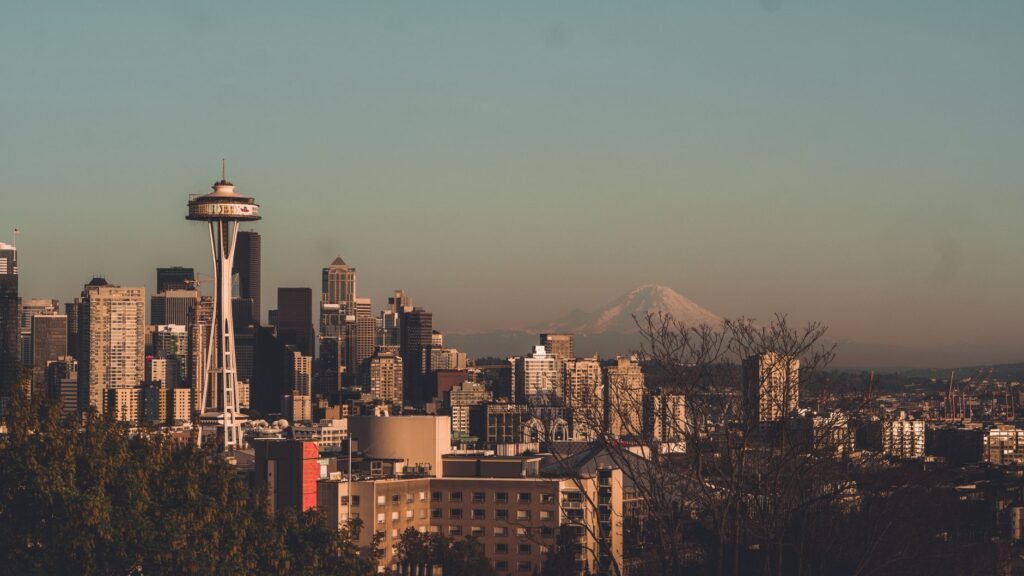
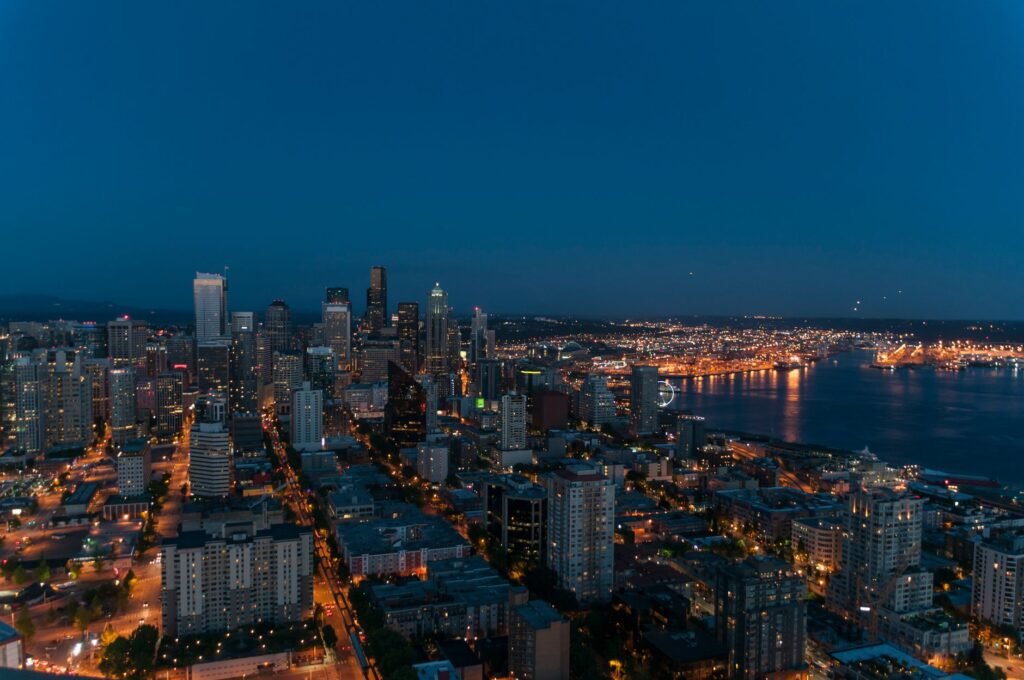
May is the best month to visit Seattle if you want good weather without the summer crowds and peak prices. The city shakes off its gray reputation entirely. Temperatures sit in the mid-60s. Rain is rare but not impossible. The light stays late into the evening. Tourists exist, yes, but not in the crushing numbers you’ll see in July or August.
If you’re thinking about Seattle in spring, May is when the whole region wakes up. Everything blooms at once. The water gets calm enough for real activities. And the locals, who’ve endured months of drizzle, are actually cheerful again. This is your window.
Pike Place Market Early, Before the Crowds
Start at Pike Place Market in the early morning. Go before 9am if you can manage it. The fish vendors haven’t entered full theater mode yet. The crowds are manageable. You get the market as it actually functions.
Walk straight to the fish stalls first, before the tour groups arrive. Watch the vendors throw salmon back and forth. Buy a fresh cup of coffee and stand where you can see Elliott Bay. The smell of fish and coffee mixed with wet concrete at that hour tells you more about the city than anything else.
The market has good food. Skip the obvious tourist spots like the gum wall. That’s a trap designed to keep you standing still while crowds pile up. Instead, head to the back of the building where the smaller produce vendors and local food stalls are. Piroshky Piroshky serves Russian pastries that are genuinely good. Get one with meat and potato.
The market is also where you buy your coffee. Seattle coffee culture is real, not invented. The big roasters here source seriously. Third Wave Coffee is the standard. Pick any place that doesn’t have a corporate logo. Order a single-origin pour over. The barista will know what they’re doing.
Spend an hour here, maybe ninety minutes. Then leave. If you stay longer, you’re just standing around waiting for the next group of thirty to arrive.
The Waterfront and Pike Place to the Waterfront Walk
The route from Pike Place Market down to the waterfront is simple and worth your time. You descend through narrow streets that feel like they belong in a different era. The buildings on either side are old brick.
The walk takes about twenty minutes at a normal pace. You’ll pass small galleries and vintage shops as you work your way down. These aren’t tourist traps. They’re actual neighborhood businesses. Stop in one if something catches your eye. Don’t force it.
When you reach the waterfront, you’re at the ferry terminal. This is where you decide on your next move. Most people jump on a ferry to Bainbridge Island. That’s worth doing, but plan it carefully.
The ferry ride itself is stunning. It takes thirty-five minutes. You get views of the Olympics, the Cascades, and Puget Sound all at once. On a clear May day, you can see Mount Rainier from the upper deck. The water is usually smooth. A few seals and seabirds are always there.
Bainbridge Island itself is a rich suburb. Walk around the main town area. Have lunch at one of the cafes. The island feels removed from Seattle proper, which is the point. When you get hungry, ride the ferry back. You’ve just cleared five hours and seen something genuinely nice without leaving the region.
Also read: Vancouver to Seattle drive distance time route
Capitol Hill for Nightlife and Neighborhoods
Capitol Hill is where you go if you want to see how Seattle actually lives. This isn’t a tourist zone designed to feel like a neighborhood. It’s an actual neighborhood that tourists have discovered. The vibe changes after dark.
During the day, Capitol Hill is good for coffee shops and lunch spots. Walk around Pike Street and the surrounding blocks. The murals here are worth noticing because they change. Local artists cover walls regularly. The businesses are independent. You won’t see chains.
When you want to eat, head to the restaurants on Pike Street or nearby Capitol Hill Avenue. Serious Seattle chefs work here. The menus change with what’s in season. In May, you’ll see fresh berries, new greens, and seafood. Make a reservation. Walk-ins are risky on weekends.
After dinner, stay in the neighborhood. The bars here are strong. They’re not fancy or expensive. You can get a good cocktail for ten to fourteen dollars. The bartenders actually make things, not just pour. The crowd is mixed. Age, type, orientation, style. Nobody’s posing.
Kremwerk is a music venue and club. Chop Suey is smaller and grittier. Both host local musicians and DJs. The cover charge runs five to ten dollars. The sound is good.
If clubs aren’t your scene, just walk around. The energy is different from downtown. Street performers are scattered throughout. The late-night diner culture is real. Beth’s is a historic diner. Late Night at E-Pine is a taco stand. The food is good and cheap.
Day Trips: The San Juan Islands or Mount Rainier
Two solid day trip options exist. One is the San Juan Islands. The other is Mount Rainier. Both are reachable in a few hours. Both are worth it.
The San Juan Islands work if you want water and quiet. Take the ferry from Anacortes, which is about an hour north of Seattle. The ferry heads to Friday Harbor on San Juan Island. The trip itself is part of the reward. You’ll see orcas sometimes, though not always. The islands feel remote even though they’re not.
Friday Harbor has restaurants and galleries. The Whale Museum is worth an hour. Walk around and eat fish and chips. Rent a bike and tour the island. The roads are quiet. The views onto the water and toward Canada are good. Return on an evening ferry.
Mount Rainier is the other option. Drive south for about an hour and a half. You’re at Paradise, the main visitor area. In May, the mountain might still have snow in patches. The lower trails are clear. Walk the Skyline Trail. It’s short. Five miles roundtrip. The views of the mountain are direct and constant.
Bring layers. The weather can shift. Bring sunscreen. The sun reflects off the snow. It’s stronger than you expect. Bring water. The elevation is higher than Seattle. People get tired faster.
Return to Seattle by early evening. The drive back isn’t bad if you leave before 3pm. After that, traffic builds.
When to Book and Where to Stay
Book hotels now if you’re planning for May. This is when prices are good and rooms are still open. Later, availability drops and prices climb. The window for booking is one to two months ahead. You still get good rates. You get choice.
Stay in Capitol Hill or Ballard if you want a neighborhood feel. Ballard has a Scandinavian history. The restaurants and bars reflect that. Stay downtown if you want walkability and tourist attractions nearby. The waterfront has better views but less character.
Here’s the actual decision matrix: if you want to feel like you’re visiting a real city, stay in a neighborhood. If you want to see the big attractions and minimize walking, stay downtown. Both are valid. Just know what you’re choosing.
Prices run from eighty dollars for a basic room to three hundred plus for something nice. Mid-range hotels cost one hundred thirty to one hundred eighty. That puts you in a decent neighborhood spot with a good room.
Also read: Unique places to stay in Seattle cool hotels
Weather and What to Bring
May weather in Seattle is not as rainy as the stereotype suggests. Most years, the rain backs off completely. Sunny days are common. Temperatures are mild, not hot.
Bring light layers. A sweater. A light jacket. The mornings are cool. Afternoons warm up. Evenings cool down again. One moment it’s sunny. Clouds roll in. The weather is changeable but not dramatic.
Rain happens, but not daily. Bring a compact rain jacket just in case. One that folds small. Keep it in your bag. You might use it once. You might not use it at all.
Sunscreen is not optional. The sun is stronger than you expect. You’re also near water. The reflection doubles the exposure. Use it even on cloudy days.
Walking is the main way to get around. Wear good shoes. Not heels. Not heavy hiking boots. Regular walking shoes. You’ll cover five to eight miles most days. Your feet will know it if your shoes are wrong.
Food and Eating Like a Local
Seattle food has a strong seafood tradition. Fish. Oysters. Crab. All fresh and well-prepared. Most restaurants source from local waters. Menus emphasize what’s available now, not what’s easy to ship.
Eat breakfast somewhere local. Not a chain. Dick’s Drive-In is a Seattle institution. It’s a burger place from the 1950s. Basic burgers, fries, shakes. It’s actually good. Prices are low. The experience is authentic.
For lunch, eat seafood. Sea Creatures is a casual spot downtown. Dino’s Tomato Pie on Capitol Hill is not fancy. It’s pizza. Good pizza. Paseo is a pressed sandwich place. The lines are long but they move fast. The sandwiches are substantial and delicious.
Dinner is where you spend money. Make a reservation. Choose a place known for local ingredients and seasonal menus. The Seattle food scene is solid. It’s not New York or San Francisco. It’s better than most American cities.
Coffee throughout the day. Multiple times. Seattle people drink coffee constantly. Join in. It’s not pretentious. It’s just good coffee. Drink it.
Getting Around and Transportation
The best way to navigate Seattle is by walking and transit. The bus system works. Get a transit card. Rides cost about two dollars. The light rail connects the airport to downtown and extends south. Taxis exist. Rideshare exists. Parking is expensive and annoying.
Renting a car makes sense only for day trips. Within the city, you don’t need one. In fact, you don’t want one. Parking is not worth the effort.
Walk between neighborhoods. They’re not that far apart. Capitol Hill to downtown is about fifteen minutes. The waterfront to Pike Place is ten minutes. The scale is human.
Public transit is clean and reliable. The buses are often not crowded in May. The light rail is new and works well. You won’t have trouble getting where you need to go.
May in Seattle is straightforward. The weather cooperates. The crowds are manageable. The light is excellent. Book your room soon. Plan the ferry trip. Find a good restaurant. Walk around and see the city. You’ll understand why people live here.
Reference: Seattle