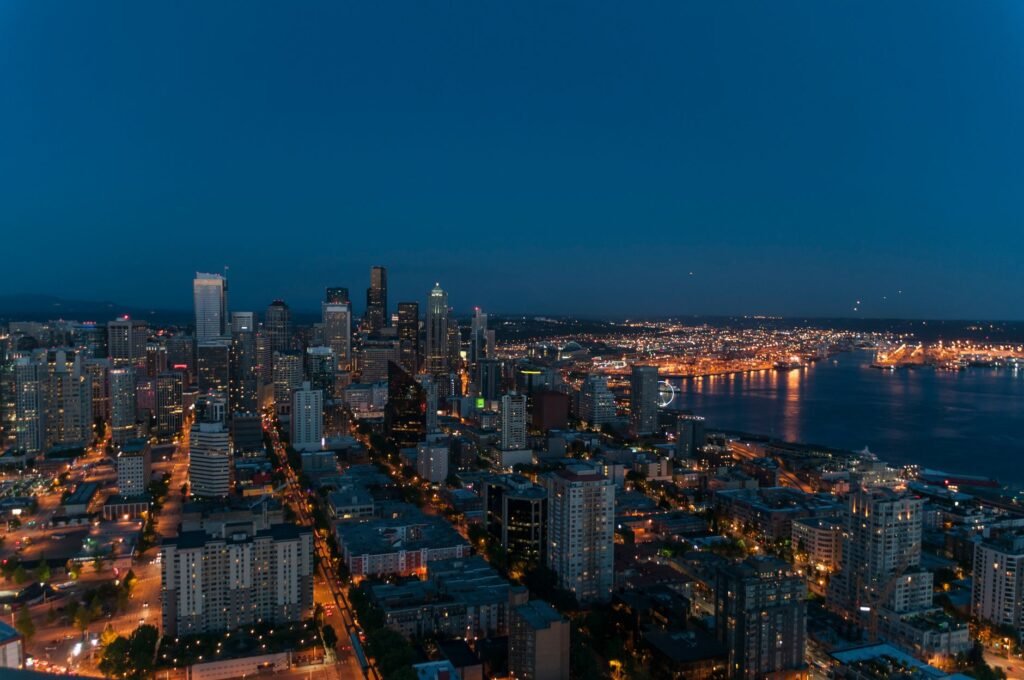
Free things to do in Seattle this weekend start with Pike Place Market, the waterfront, and the neighborhoods where locals actually spend time. The city sits between two bodies of water and a string of parks. You can spend two solid days here without opening your wallet once.
Seattle gets a reputation for rain and coffee shops, which is only half true. The reality is that this is a city built for walking. The neighborhoods are distinct enough that each one feels like a small town. Your weekend works best if you skip the downtown hotels and pick a base near the water or in Ballard or Capitol Hill.
The Pike Place Market is Free to Walk Through
Pike Place Market is the obvious start, and it deserves to be. The stalls are free to browse. You pay only if you buy something, which you will. The place opens early. Most vendors are set up by 8am. If you arrive before 9am, you get the real version. After 10am it turns into a tourist funnel.
Walk the main floor first. The fish stalls are the draw, sure. But the real action is at the produce stands. The flower vendors have blooms year-round. Then go downstairs. The lower level has antique shops, used bookstores, and a vintage toy vendor who knows everything about 1970s Star Wars figures.
Here’s what most people miss. The small passages on the south end of the market lead to quieter stalls. You find honey vendors, local hot sauce makers, and a small espresso stand that serves better coffee than anything on the main concourse. Spend 90 minutes here, not three hours. The market is dense. You can see everything in under two hours without rushing.
Also read: free things to do in seattle
Walk the Waterfront Trail for City Views
The waterfront path runs from Pioneer Square north to Ballard. It’s completely free. The walk is easy and flat. The views change as you move north. South of Pike Place you see the harbor and ferries crossing to Bainbridge Island. North of the market the path passes through parks and boat launches.
Start at the Aquarium if you want context, but understand you’ll pay to go inside. The building’s exterior is a landmark. The real move is to walk past it and keep going north. The path becomes quieter once you leave downtown. By the time you reach Gas Works Park at the north end, you’ve walked about 3 miles and seen a completely different side of the city.
Why walk this instead of driving. The waterfront is only good from water level. A car keeps you at street height. Walking gives you the smell of fish and coffee near the market at 7am. It shows you the working fishing boats. You see the city the way residents do.
The best part is free and easy to overlook. Colman Park, on the south end of the waterfront path, has views of Elliott Bay and the Olympic Mountains. There’s a small dock you can walk out on. The water is cold year-round. The view is worth 20 minutes of your time.
Capitol Hill and Fremont Neighborhoods Are Built for Walking
These two areas cost nothing to explore. Both are north of downtown. Both have the character that Seattle’s reputation is built on. Capitol Hill is denser and more urban. Fremont is weirder and smaller. Pick one or split your day between them.
Capitol Hill centers on Broadway and Pine Street. The street art here is some of the best in the city. Local artists have painted murals on shop walls and warehouse sides. Coffee shops line every block. The bookstores are serious. City Books and Elliott Bay Book Company both stock deep inventories. You can spend an afternoon browsing without feeling rushed.
Fremont sits about 5 miles north. The character here is eccentric. There’s a troll sculpture under the Aurora Bridge. The Sunday Market runs year-round. There’s a neon museum in an old garage. The whole neighborhood feels like a place where artists chose to live together. Walking Fremont takes about two hours if you keep a steady pace.
Both neighborhoods have free walking paths in nearby parks. Discovery Park is west of Ballard. It has forest trails and a lighthouse. The paths are shaded and quiet. On a clear day you see the Olympic Mountains and Puget Sound. Most people don’t know it’s there.
Also read: what to do in west seattle a complete local guide
Museums Have Free Hours or Pay-What-You-Want Options
The big museums often have free or cheap entry times. The Seattle Art Museum opens with free admission after 5pm on Thursdays. The Museum of Flight lets people in at a discount price if you arrive after 4pm. The Pacific Science Center charges a modest fee, but check their website for deals tied to local library cards.
This matters for planning. If you arrive Thursday afternoon, you can time the museum visit for after work hours. The crowds drop. You move through at your own pace. The science center is worth a look if you have kids. Otherwise save your time for the neighborhoods and parks.
A practical note. Museum websites change their policies. Check before you go. Most have deals or free times. Call ahead rather than guess. A quick call takes two minutes and saves frustration.
Free Park Time and Outdoor Spots You Should Know
Green spaces ring the city. Most people don’t take advantage of them on short visits. The parks are where Seattle residents spend free time. You should too.
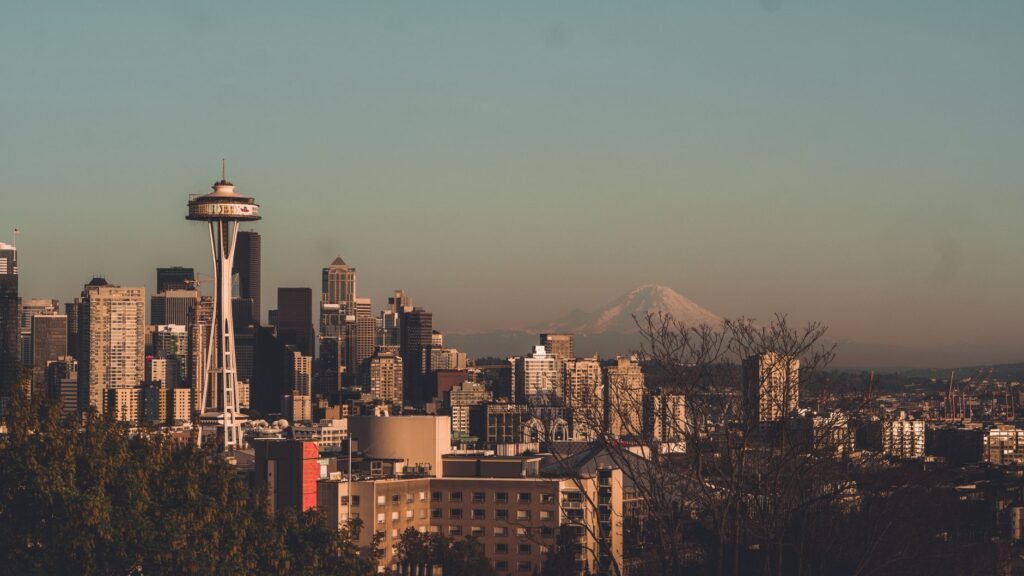
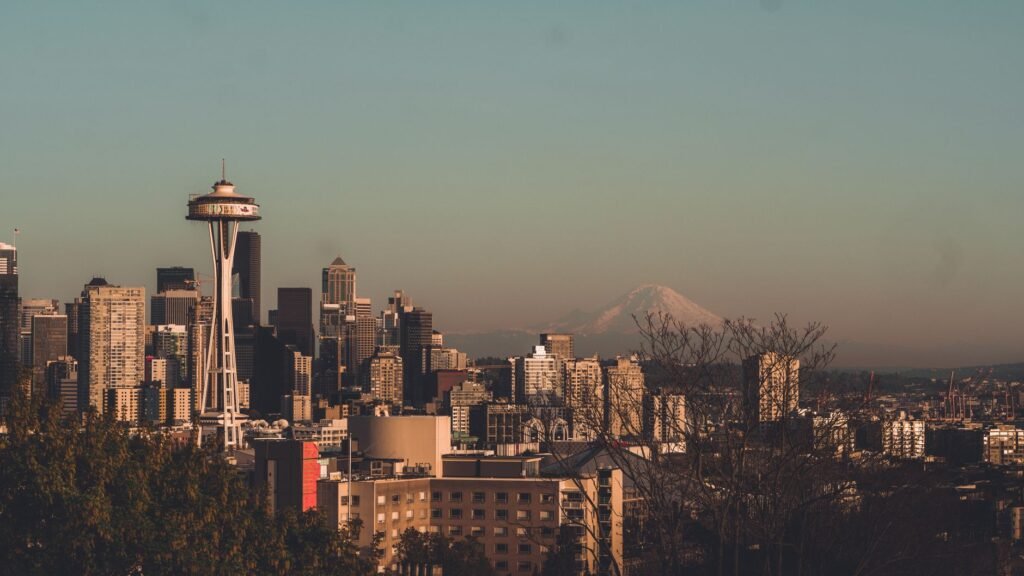
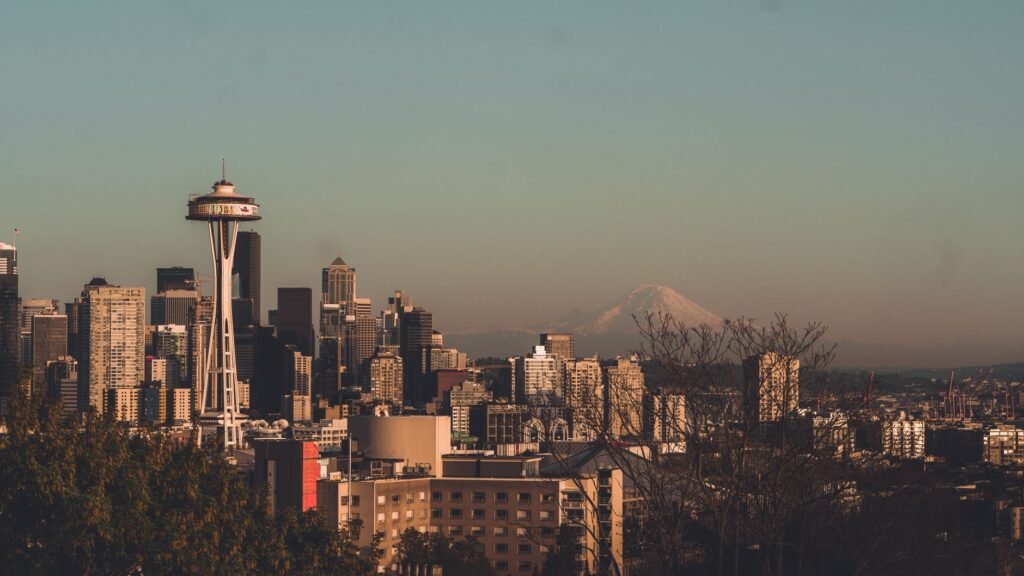
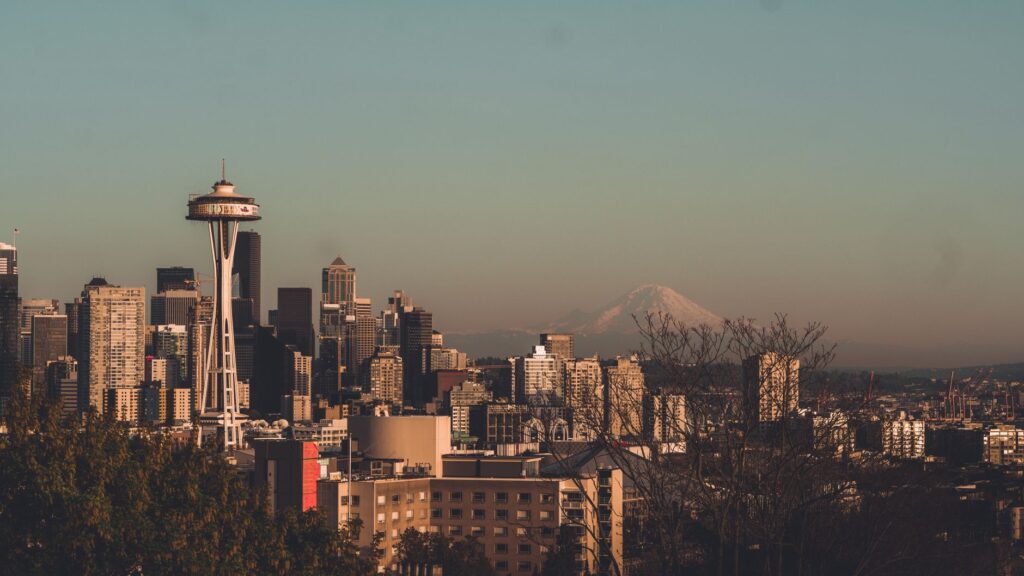
Kerry Park is a viewpoint on Queen Anne Hill. It’s free. The view is the postcard version of Seattle. The Space Needle rises in the foreground. The downtown skyline spreads to the right. Elliott Bay and the mountains fill the background. Go at dusk. The light changes every ten minutes. The spot gets crowded on sunny days. Go early morning or late afternoon instead.
Woodland Park is free and much larger. It has a zoo you pay for, but the park grounds are open. Walking trails weave through forest. The park is quiet even on weekends. Most tourists never find it. It’s north of Fremont.
Seward Park is further south and requires a short drive. The loop path around the park is about 2 miles. It follows the shoreline. The views are of Lake Washington. The water is cold. People still swim. In clear weather you see the Cascade Mountains across the lake. The park is genuinely quiet. You can sit on the beach for an hour without another person in your view.
Coffee and Food That Won’t Break Your Budget
Skip the coffee chains downtown. They’re overpriced and forgettable. Capitol Hill has cafes where locals queue up. Most serve good espresso for under $4. Pike Place Starbucks is famous. It’s also packed and mediocre. A 10-minute walk gets you to better coffee and no line.
For eating without spending much, the neighborhoods are better than downtown. Capitol Hill has dim sum spots and ramen shops. Most meals cost $10 to $15. Fremont has food carts that cluster near the weekend market. Thai, Korean, and Vietnamese food is cheap and good.
The fish and chips at Ivar’s are an institution. Order at the counter. Most orders cost under $20. Eat overlooking the water. The quality is consistent. You get what you came for.
Honesty moment. Seattle’s food scene is good but not legendary. The city is expensive for restaurants. Food carts and neighborhood spots beat downtown dining. Cook one meal in your hotel if you have a kitchen. Save restaurant money for one dinner you actually plan.
How to Spend a Full Weekend Without Spending Much
Start Saturday morning at Pike Place Market by 8am. Spend 90 minutes there. Walk north on the waterfront. Stop at Colman Park. Continue to the Aquarium area. Turn back or push further north depending on your energy. That’s 3 to 4 hours of morning activity.
Afternoon on Saturday, pick one neighborhood. Capitol Hill or Fremont. Eat lunch at a food cart or small restaurant. Browse shops and galleries. Walk through nearby parks. Allow 4 hours. Dinner is casual. Ramen or Thai. Under $15 per person.
Sunday morning, take the other neighborhood. Same pace. Same budget. Skip the museums unless there’s free entry that day. Afternoon, drive or bus to Seward Park. Walk the loop. Bring coffee from a cafe. Sit by the water.
The entire weekend costs roughly $50 to $80 per person in food, plus gas or transit. Entry to everything is free.
When to Come and What to Know About Weather
Seattle’s weather is better than people think from May through September. Winter is wet, not cold. The temperature hovers around 45 to 50 degrees Fahrenheit. Rain is steady, not dramatic. Bring a jacket that sheds water. Skip the heavy winter coat.
Weekends get crowded at the major spots. Pike Place is worst on Saturday and Sunday. Go early to beat crowds. Neighborhoods and parks are never crowded. The waterfront path gets foot traffic but it’s easy to manage.
Parking downtown is paid and annoying. Use transit. The light rail from the airport to downtown is clean and reliable. Bus routes cover the neighborhoods well. A one-day pass costs about $7. Most locals use the bus to get around.
Your weekend in Seattle works because the city has good bones and free spaces. The waterfront is genuine. The neighborhoods feel like real neighborhoods. The parks are actually nice. You don’t need money to see what matters. You need time and good shoes.
Reference: Seattle