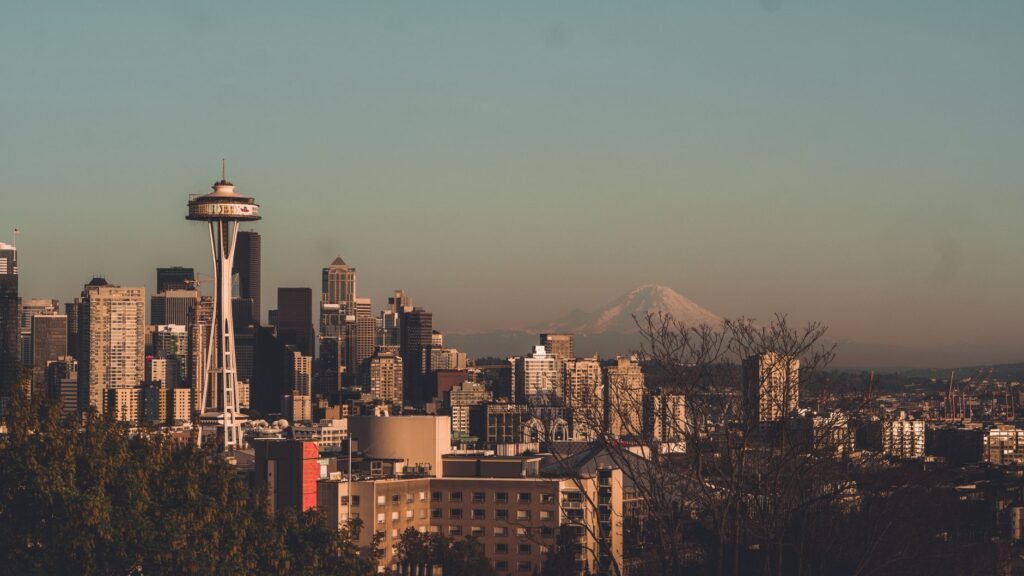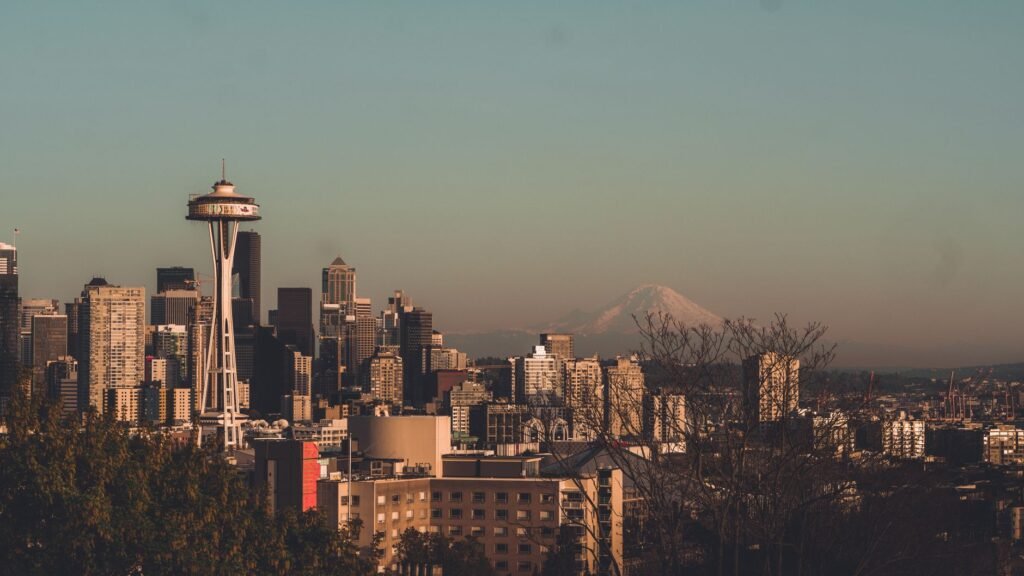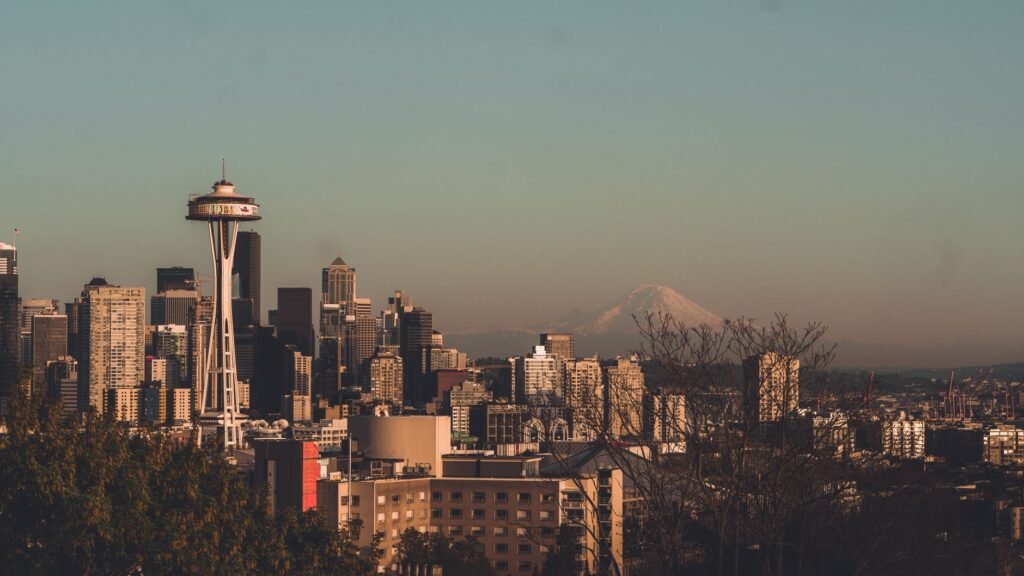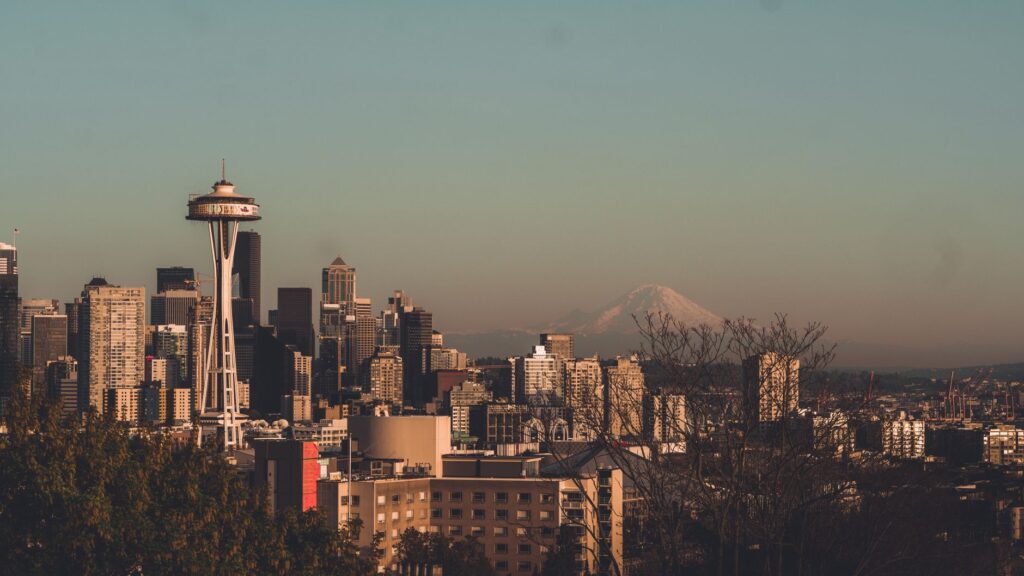
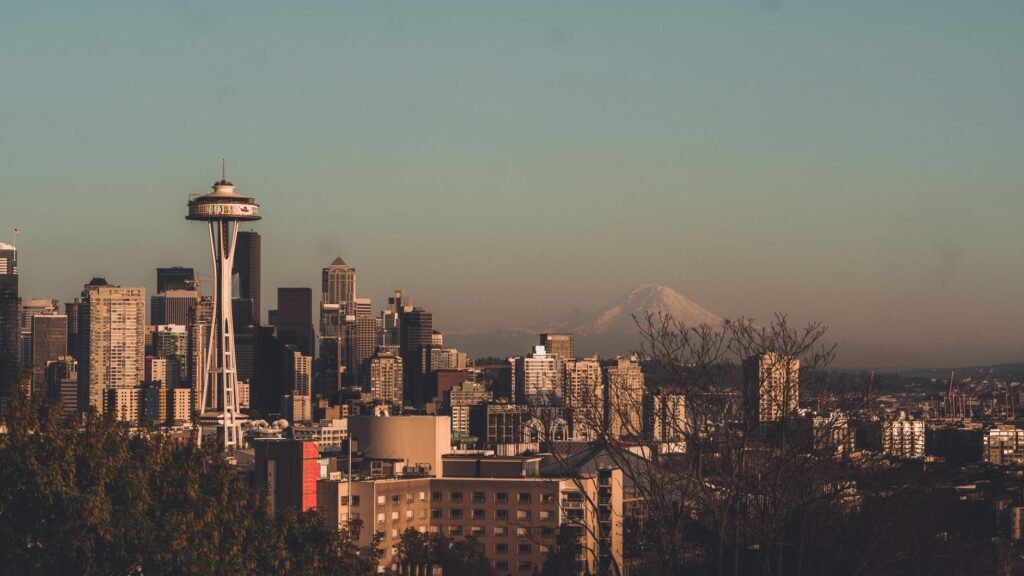
Mount Rainier sits about 54 to 59 miles south of Seattle. The drive time ranges from 75 minutes to two hours depending on traffic and which side of the mountain you’re heading to. On a clear day, you can sometimes see the peak from the city itself. Most people don’t realize how close it actually is until they try to spot it from downtown.
How Far Mount Rainier Distance From Seattle Really Matters
The actual distance changes based on which park entrance you want. The Nisqually Entrance on the southwest side sits closest to the city. That’s the route most first-time visitors take. The drive runs straight south through Tacoma on Interstate 5, then you peel off onto Highway 7. It’s straightforward driving on good roads.
The Sunrise and White River entrances on the northeast side run further. You’re looking at roughly 80 miles and closer to two and a half hours from downtown. Which one you choose depends on what you actually want to do. If you’re short on time, stick with Nisqually. If you want fewer crowds and less touristy infrastructure, the northeast side rewards the extra drive.
Paradise, the most popular destination within the park, sits about 76 miles from Seattle. That’s the high-elevation area with the visitor center and the main hiking network. The drive to Paradise itself takes about two hours total from the city center. Add parking and getting into the park, and you’re looking at two and a half to three hours door to door.
Can You See Mount Rainier From Seattle Without Driving
Yes, but only when conditions cooperate. Clear days in late fall and winter give you the best shot. Head to higher points in the city like Queen Anne Hill or Green Lake. From there, the peak appears on the southern horizon. It’s small and distant, but unmistakable.
Sound like a lot of effort for a distant view? It is. The real reason to drive is to actually be there. Seeing it from the city scratches an itch for about thirty seconds. Standing at 6,000 feet on the mountain itself is a different animal. The sheer scale hits you when you’re close. Photos never quite capture the actual size.
Most visitors find the drive worth the time investment. Seattle to Mount Rainier views from the park are transformative in a way that city sightings aren’t. You’re not just looking at a mountain. You’re standing in its shadow. The temperature drops noticeably. The air smells different. Pine and snow and earth replace the coffee and salt smell of the city.
Read more: how far is victoria from seattle
When Is The Best Time To Make The Trip
Late June through September offers the easiest conditions. The higher elevation roads open up in late spring. Nisqually Entrance stays open year-round, but many park roads close in winter. The Sunrise and Burroughs Mountain roads shut down from November through mid-July depending on snow.
Summer brings the most visitors. Weekends in July and August mean crowded parking lots and busy trails. If you can swing a weekday trip, do it. Tuesday through Thursday mornings offer the least chaos. Parking fills up by 10am on good-weather weekends. Arrive before 8am or plan for a long hunt.
July and August offer the warmest weather. Daytime temps at Paradise hover around 50 to 55 degrees Fahrenheit. That sounds pleasant until you realize you’re exhausted from altitude and hiking. Bring a jacket. Rain happens even in summer, especially on the northwest slopes.
September brings clearer skies and fewer people. The wildflowers start fading, but the light improves. Morning frost is common. October closes in fast. Snow begins at high elevations by late September in some years. Check road conditions before you leave Seattle. One late-season storm can shut things down for weeks.
The Drive Itself Deserves Planning
Interstate 5 through Tacoma is your main corridor. Traffic patterns matter more than distance. Leave Seattle between 7am and 8am. You’ll beat the mid-morning rush heading south. Leaving after 9am means you’ll hit people commuting into Tacoma.
Once you turn onto Highway 7 heading east, the terrain shifts. You leave the flat Puget Sound area behind. Rolling hills appear. The landscape becomes noticeably more forested. Towns get smaller and farther apart. Gas up in Longmere or Elbe before the final stretch to the park. Prices are higher near the entrance.
The drive itself is pleasant once you escape Tacoma. Traffic rarely jams up after you leave the interstate. The road climbs steadily but never gets steep or scary. You’ll pass through small mountain towns that haven’t changed much in decades. Elbe is the last real town before the park boundary.
Road conditions change once you enter the park. The climb to Paradise gets noticeably steeper. In summer this poses no problem. Winter or early spring, even all-season tires can struggle. Chains are required some days. Check the park’s road report before you go. Getting turned back at the entrance because you didn’t have chains would be frustrating.
What To Do With Your Time Once You Arrive
A day trip works fine for most visitors. Morning departure from Seattle gets you to Nisqually by mid-morning. Spend three to four hours hiking and exploring. Head back down by late afternoon. You’re back in Seattle by dark.
Serious hikers can do more. Trails range from easy quarter-mile walks to full-day climbs. The Skyline Trail near Paradise is the most popular moderate hike. It’s about six miles round trip and takes three to four hours. The views justify the effort. You get up close to glaciers and pass through meadows of wildflowers in season.
Families with young kids should plan shorter hikes. The Trail of the Shadows near Longmere is gentle and only two miles. The walk-up Reflection Lakes offers good views without major exertion. Narada Falls is roughly one mile and spectacular. Kids under eight start getting tired on anything much longer. Bring snacks and water regardless of distance.
Spending the night adds options but isn’t necessary. Lodges inside the park book up months ahead. Accommodations in nearby towns like Ashford or Enumclaw offer alternatives. The drive back to Seattle is manageable even after a full hiking day. Most people skip the overnight stay and drive home the same day.
Practical Details Before You Go
The park charges a $30 entry fee per vehicle. The pass is good for seven days. If you return within a week, keep your receipt. First-time visitors often don’t budget for this cost. Add it to your planning. Annual passes cost $55 and cover all national parks.
Parking can be a genuine frustration. Nisqually and Paradise lots fill to capacity on weekends. Overflow areas open when main lots are full, but the walk is longer. Getting there early beats the problem. Sunrise area parking is usually less crowded, even though the drive is longer from Seattle.
Weather changes fast at elevation. Sunny mornings turn cloudy by afternoon. Bring a jacket even if Seattle was warm. Waterproof your gear. Afternoon thunderstorms happen suddenly in summer. The temperature at Paradise can be 15 to 20 degrees cooler than Seattle’s lowlands.
Water and snacks matter. There are limited food options in the park. One lodge has a restaurant. One small shop sells basic items at high prices. Pack food from Seattle or a nearby town. Filling water bottles at park facilities is free.
Mount Rainier View From Seattle City Limits
Spotting the peak from Seattle proper is hit or miss. Winter offers better odds than summer. Summer brings haze and humidity that hide distant mountains. Clear winter days put the peak on display. Kerry Park in the Queen Anne neighborhood offers the most reliable view within the city.
The view is distant and requires decent light. Photos often disappoint. Your eye captures detail that cameras miss. Standing there on a clear morning with coffee in hand beats any Instagram post. The reality of the mountain as you look toward it never quite translates to pictures.
That said, seeing it from the city shouldn’t replace a visit. It’s a teaser. Once you’ve driven down and stood near the mountain, the city views feel incomplete. You crave the full experience. The smell of glacial melt and high-elevation forest. The altitude in your chest when you climb. The way the rock and ice change color through the day.
The Real Question: Should You Go
Yes. The drive is short enough that weekend trips make sense. The entry fee is reasonable. The hiking is varied enough for different fitness levels. The scenery is genuine. There’s no manufactured charm or tourist trap feel to the place.
Most people underestimate how much the trip will stick with them. It’s close enough to Seattle to be accessible. It’s grand enough to feel special. You don’t need climbing experience. You don’t need special gear for a day trip. Just reasonable shoes, water, and a jacket.
The question isn’t whether to visit Mount Rainier from Seattle. It’s when. Once you go once, you’ll go again. The mountain stays in your head in a way city views don’t. Come back in different seasons. Try different trails. Bring different people. Each trip feels fresh. The distance from Seattle makes multiple visits realistic. Do it.
Reference: Mount Rainier