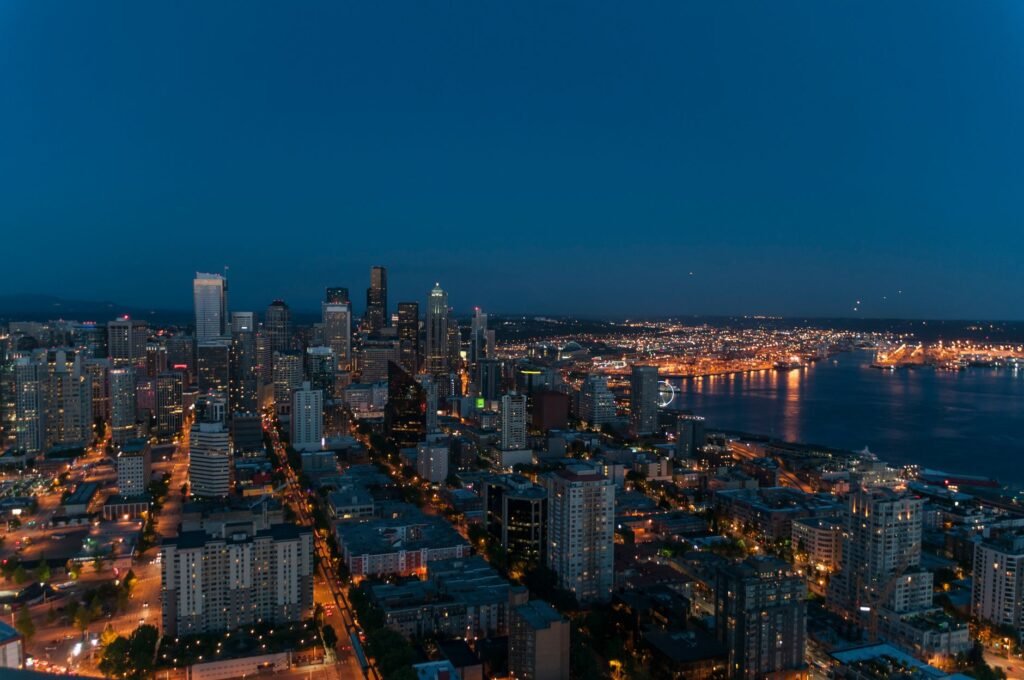
The best free things to do in Seattle range from world-class museums with no entry fee to waterfronts, parks, and neighborhoods you can walk all day without spending money. You don’t need to book tours or pay attraction fees to see why this city matters. Some of the smartest moves cost nothing at all.
Free Things to Do in Seattle Really Do Exist
Most cities tell you their best stuff costs money. Seattle doesn’t. The Pike Place Market operates on a pay-as-you-go model. You walk in, breathe the salt air, watch fishmongers throw salmon around, and leave without a ticket. The smell of fish and coffee near the market at 7am is the smell of the city itself. Thousands of visitors spend three hours here without buying much. That’s the entire point.
The public library downtown is open to everyone. Even if you don’t check out a book, the building itself is worth an hour. The architecture alone justifies the walk. You can sit on any floor and watch the city move past the windows. The reading rooms are quiet. The staff doesn’t care if you stay all day.
Golden Gardens Beach sits on Puget Sound about 6 miles north of downtown. No entry fee. No parking charge. You get sand, water, and views of the Olympics across the sound. On clear days, the light hits the water around 5pm and you understand why people settled here in the first place.
Also read: what to do in west seattle a complete local guide
Walk Through Neighborhoods and Save Everything
Ballard is the place most visitors miss because they think it’s just residential. Actually, the neighborhood has coffee shops, vintage stores, breweries that let you walk in free, and streets lined with old brick buildings from the fishing industry. You could spend a whole afternoon here without planning anything. The Ballard Bridge offers views back toward downtown that most people never see because they drive it instead of walking it.
Capitol Hill feels younger and denser. The streets are tight. People are loud about their opinions. The parks are full. You get the sense that things are actually happening. Volunteer Park sits at the top of the neighborhood. It’s 45 acres free to roam. The water tower at the center provides views of the sound and the mountains beyond. On weekends, half the neighborhood seems to be there.
Fremont is quirky in a way that reads as genuine. The Fremont Troll lives under the Aurora Bridge. It’s a massive concrete sculpture that holds a real Volkswagen Beetle in its hand. Free. Open always. You’ll see it and understand the neighborhood’s sense of humor immediately. The Sunday Market operates year-round. Again, no entry fee. You buy things if you want. Most people just walk through.
Museums That Don’t Charge You
The Seattle Art Museum waives admission on the first Thursday of each month after 5pm. Plan for that. The permanent collection is strong. The temporary shows usually have at least one piece that makes the drive worth it. But what surprises people is how few crowds show up. You’d think a free night at a major museum would draw thousands. It doesn’t.
The Frye Art Museum charges no admission ever. Not on Thursdays. Not on certain days. Never. The building itself is beautiful. The collection focuses on modern and contemporary work. It sits in a quiet part of Capitol Hill. Most tourists don’t know it exists. That’s an advantage for you.
The Burke Museum on the University of Washington campus also offers free admission. The fossils are the draw here. The architecture is worth the trip alone. The UW campus is large and green. You could walk it for an hour without seeing a campus official. The whole place feels separate from the city.
Parks That Offer Real Escape
Discovery Park is the largest city park in Seattle at 534 acres. It has trails that wind down to beaches. The views from the bluffs are better than most of the paid viewpoints downtown. Parking is free. Trails are free. A clear morning here beats a paid tour any day. You get real forest. You get actual quiet.
Green Lake sits inside the city. There’s a path that goes around the entire lake. It’s about 2.8 miles. You’ll see joggers, walkers, dogs, and cyclists. The walk takes less than an hour. The views are clear. On weekends, it gets busy. On weekday mornings, you’ll have it almost to yourself.
Woodland Park is where the zoo lives, but the park itself is free to enter and free to walk around. Large open meadows. Trails through actual forest. Japanese Garden inside. You can see the zoo animals from outside the pay fence if you angle correctly. Most people don’t realize they can enjoy the park without a ticket.
Also read: best skiing snowboarding near seattle resorts
Waterfront Walks and the Sound
The Elliott Bay Trail runs along the water north of downtown. About 1.5 miles of paved path. Free. It’s flat. You get views of the sound and the mountains behind it. Early morning here is quiet. By 11am, families and joggers fill the path. Both times are fine. The light changes everything. At sunset, the mountains turn colors that look fake.
The Alki Beach walk is longer and offers views back toward the city. About 1.3 miles of beach. Sand and rocks. You can walk it at any tide. Swimming is allowed. The water is cold. Most people wade instead. Behind you is a seawall and old homes. It feels like you’re in a different decade.
Gas Works Park doesn’t have gas works anymore. It has a massive lawn overlooking Lake Union. The old industrial equipment still stands as sculpture. Free to enter. Free to sit all day. On summer evenings, people spread blankets and watch the light change over the water. Kites fly here regularly. The hill itself is a good climb if you need it.
Neighborhoods to Explore Without Spending
University District has coffee shops and cheap food. The streets are busy with students. It doesn’t feel polished. That’s the point. You can walk here for hours and feel like you’re actually in a city people live in.
Wallingford is quieter and older. Tree-lined streets. Small parks. Coffee shops everywhere. You walk here to slow down. There’s nothing specific to see. The point is the seeing itself. Wallingford Park sits in the center. It’s small and green. A bench faces the trees.
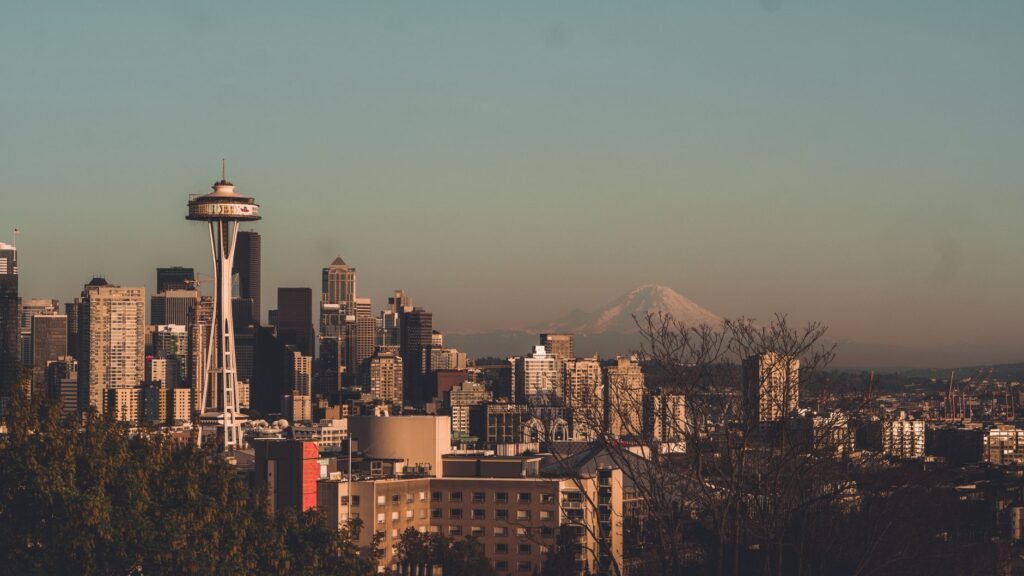
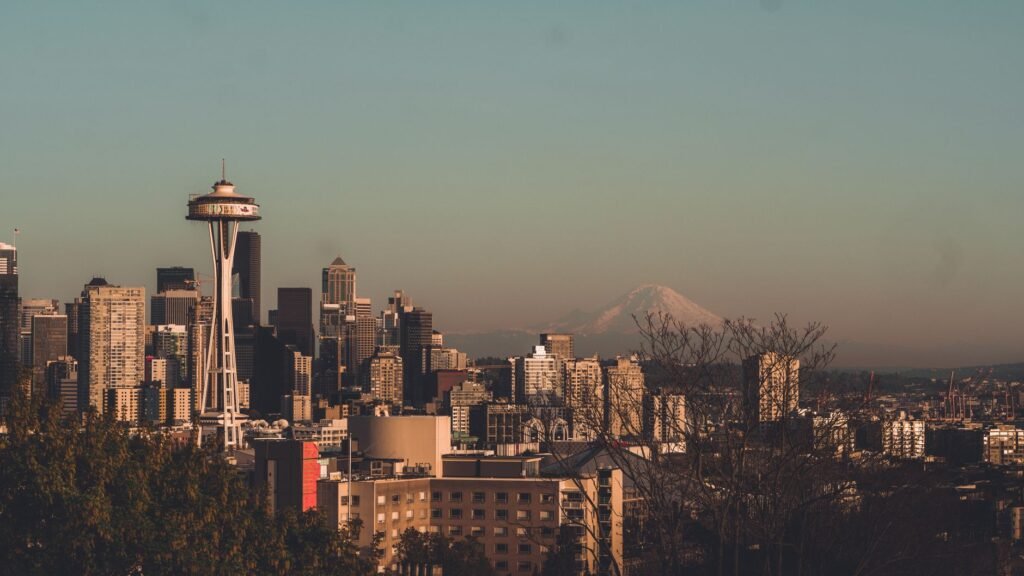
Queen Anne splits between lower and upper sections. Upper Queen Anne is residential and calm. Lower Queen Anne is mixed use. Restaurants and galleries and people. You can walk from one to the other and feel the shift happen. The Kerry Park viewpoint sits on the western edge. No fee. Views of downtown and the sound and the mountains all in one frame. Arrive at sunset if you can plan that far.
Also read: unique places to stay in seattle cool hotels
A Real Cost Breakdown
Most people assume Seattle is expensive because of tech workers and housing costs. For free activities, that doesn’t matter. You can spend zero on admission and everything on coffee and food if you want. Consider this:
- Entry to Pike Place Market: $0
- Coffee at the market: $3 to $5
- Bus ride downtown: $2.75 for a single ride
- Museum admission first Thursday after 5pm: $0
- Museum admission other times: $15 to $20
- Park entry: $0 always
- Parking at most parks: $0
The real money goes to food and transit. You can ride the bus everywhere cheaply. You can eat affordably if you skip restaurants and hit the markets and delis instead.
Plan Your Free Day Like This
Start at Pike Place Market around 8am. You’ll beat most crowds. Spend two hours watching. Move north to the waterfront. Walk along Elliott Bay Trail for 45 minutes. Grab lunch at a deli. Head to a park, either Discovery or Green Lake depending on the weather. If it’s rainy, go to Capitol Hill instead. Walk the neighborhood. Hit Volunteer Park if you have energy. End at a coffee shop and watch the afternoon crowd.
That’s a full day. You’ll spend money on food and drinks but nothing on the main activities. The light and air and movement are free. That’s the real value.
What Makes Free Activities Worth Your Time
Seattle rewards wandering more than most cities. The weather changes fast. The views shift depending on where you stand. The neighborhoods are distinct enough that walking between them feels like traveling. You don’t need a guide or a plan. You need good shoes and time. Most visitors overschedule and miss the best moments. The best moments happen when you’re not rushing to the next ticketed attraction.
The museums charging nothing are genuinely strong. The parks are large and wild. The neighborhoods are walkable and weird in good ways. None of this costs money. That’s not the story in most American cities. Take advantage of it.
Reference: Seattle